The Moment Before Taste
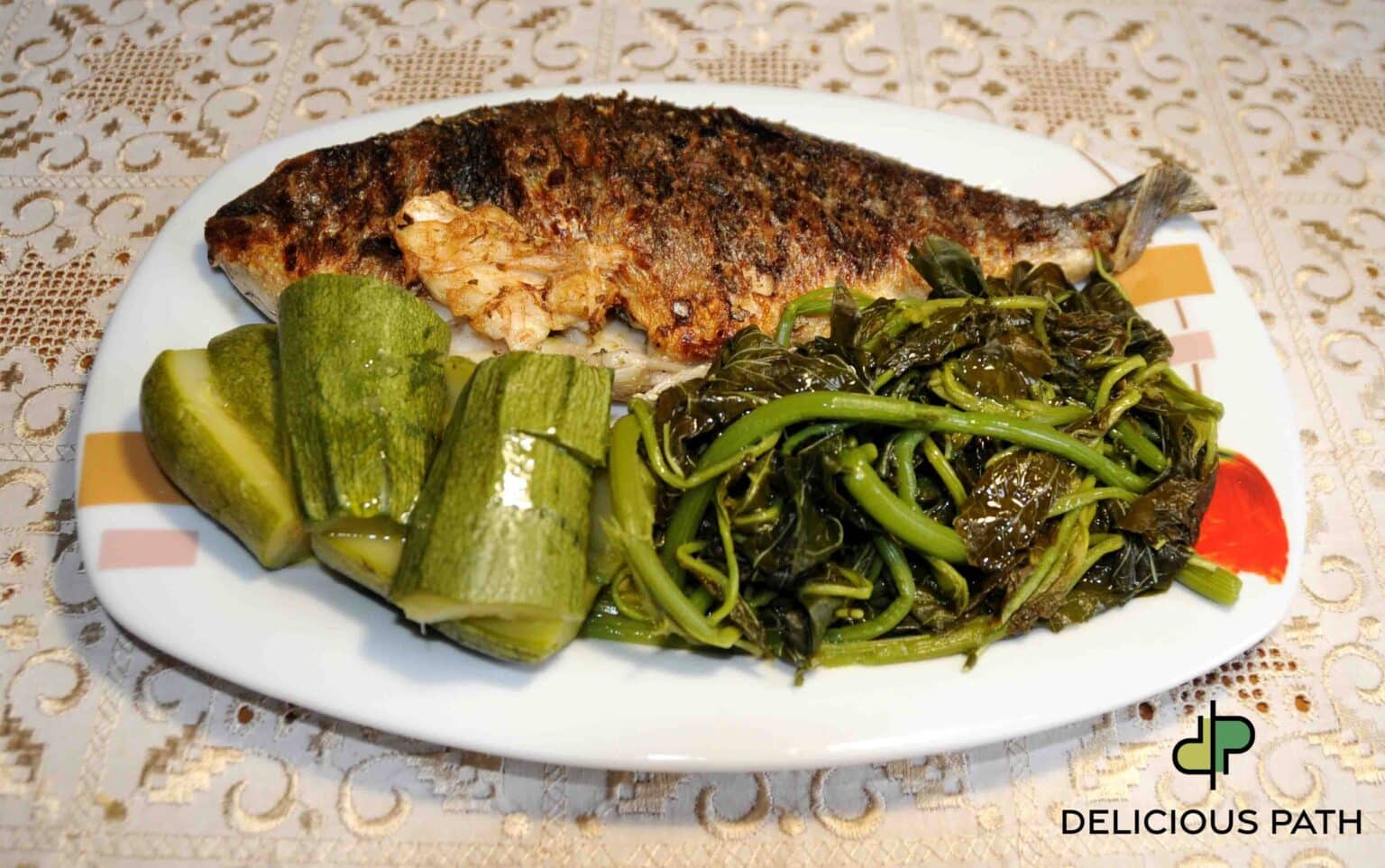
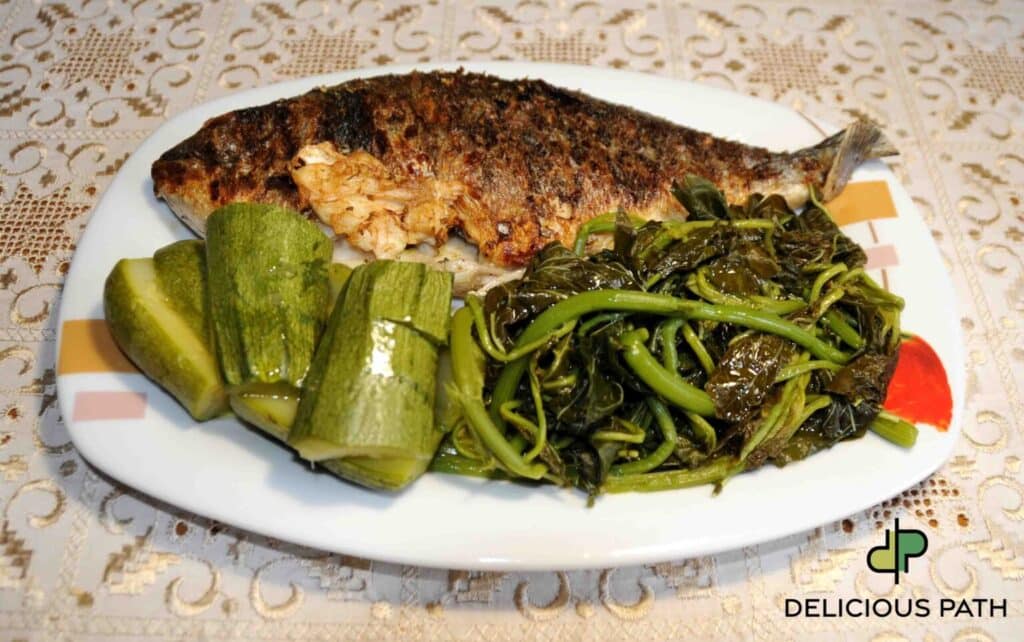
The fish rests whole.
Not arranged.
Not disguised.
Presence in food begins here.
In the moment before the fork moves.
When attention settles
and the mind stops anticipating.
Psychologically, presence is awareness without urgency.
The ability to stay with what is already enough.
Like a traveler who pauses
not because the journey ended,
but because something asked to be seen.
When Eating Becomes Arrival
The greens carry bitterness.
The zucchini holds water.
The fish remembers the sea.
Nothing competes.
Everything cooperates.
In the psychology of travel, presence appears
when movement no longer seeks destination.
As in food, the experience deepens
when control relaxes.
Eating becomes arrival,
not consumption.
This is the same inner shift
that happens on the road
when the mind stops counting miles
and starts noticing breath.
The Plate as Inner Landscape
Food, like travel, mirrors the inner state.
Rushed hands create noise.
Present hands create silence.
Presence allows flavor to unfold slowly,
as memory unfolds in a journey
that was never planned to be meaningful
but became so by attention alone.
Psychologically, this is embodied awareness.
The body participates.
The senses lead.
Thought follows.
The plate becomes a landscape.
And the eater, a quiet traveler.
Presence as a Way of Moving
Presence does not ask for novelty.
It asks for honesty.
In food, as in travel,
presence transforms repetition into depth.
The familiar becomes intimate.
The simple becomes precise.
This is the inner journey hidden in the meal.
A reminder that travel is not distance,
and nourishment is not quantity,
but the quality of attention
we are willing to give
to what is already here.
I return to this way of seeing
when thinking again about
Presence in The Inner Voyage Where Stillness Learns to Stay,
where attention stopped moving forward
and learned to remain.