When the Plate Holds a Quiet Horizon
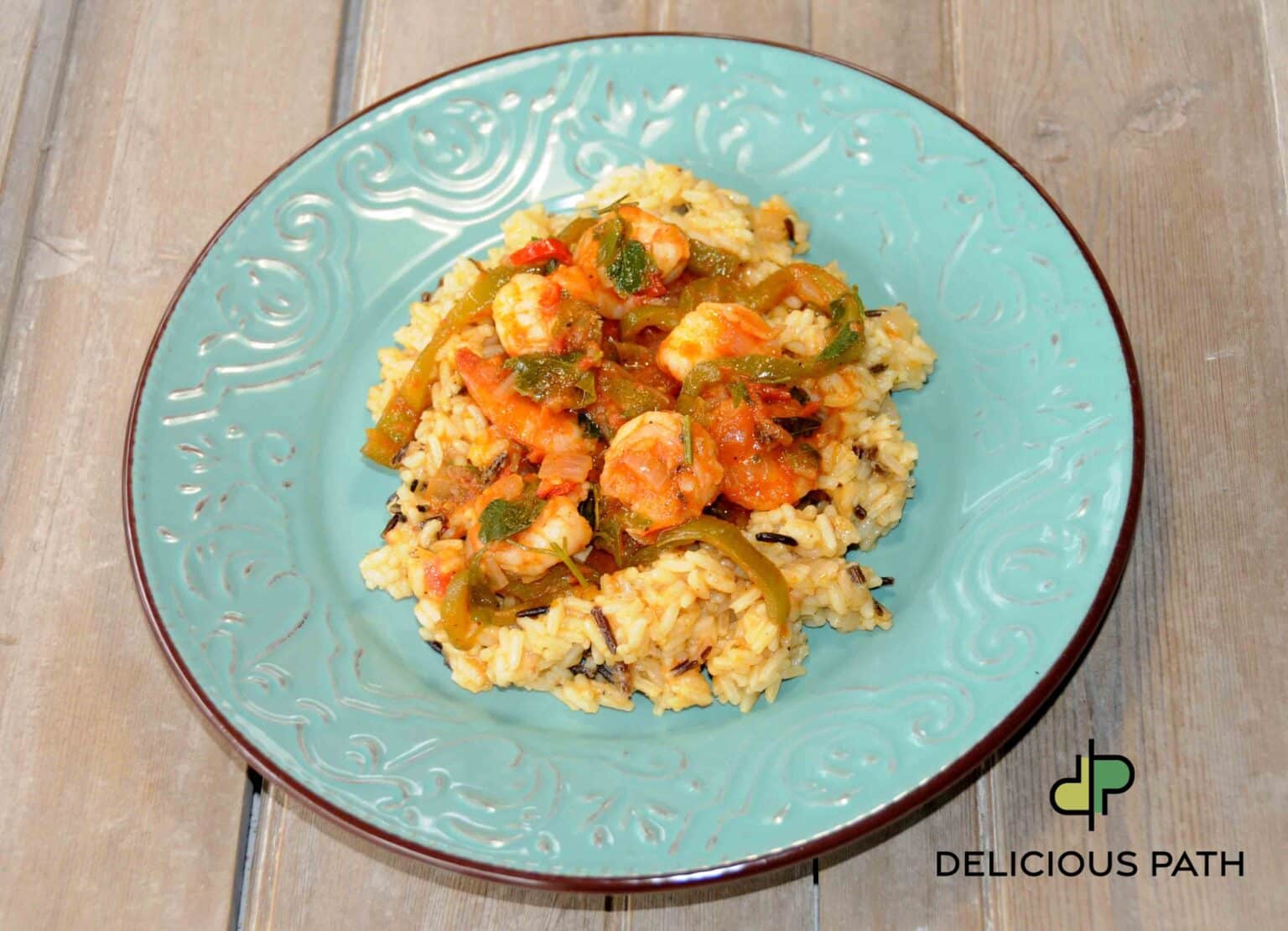
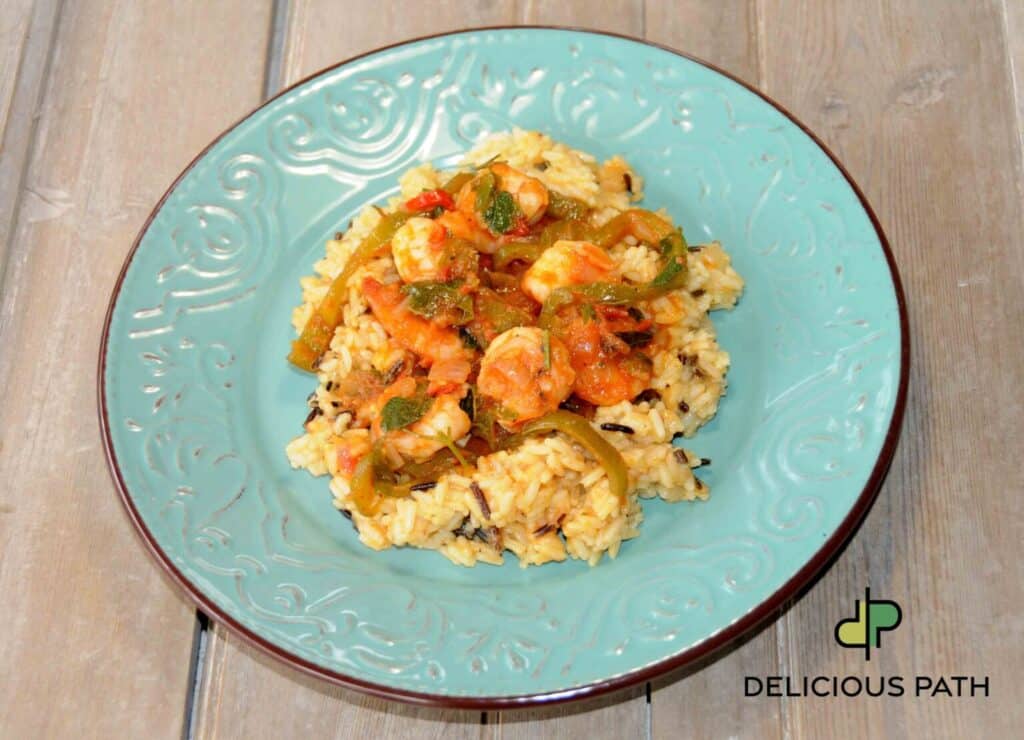
The rice spreads like a small shoreline.
Soft, open, prepared.
At its center, shrimp rest in warm color.
Red, coral, touched by herbs and gentle heat.
Anticipation begins before taste.
It lives in aroma.
In the rising steam.
In the pause before the fork descends.
The plate does not rush.
It waits.
The Psychology of Expectation at the Table
In travel psychology, anticipation often shapes the journey more than the arrival.
The same happens in food.
Before tasting, the mind constructs flavor.
It imagines texture.
It predicts warmth.
This is cognitive projection — the brain rehearsing pleasure.
Just as in sailing, when the sailor studies the horizon before adjusting the sails,
the diner reads the plate before engaging it.
Anticipation refines perception.
It prepares attention.
Shrimp, Rice, and the Memory of the Sea
Shrimp carry the echo of saltwater.
Even here, resting over rice, they hold the story of movement.
Rice absorbs the sauce the way a hull absorbs current.
Slowly.
Without resistance.
This is not only a meal.
It is a contained voyage.
As explored in
Stillness in Sailing Where the Harbor Holds the Sun
movement is often prepared in silence.
The sea teaches patience.
The kitchen mirrors it.
When Taste Becomes Navigation
Anticipation in food is not hunger alone.
It is alignment.
The fork approaches.
The senses narrow.
Attention gathers.
In sailing psychology, this is the moment before wind fills canvas.
In travel psychology, it is the step before departure.
At the table, it is the breath before flavor unfolds.
Anticipation is direction before motion.
Expectation before contact.
And like wind waiting beyond the harbor,
flavor waits within form.