When the Marina Waits Before Departure
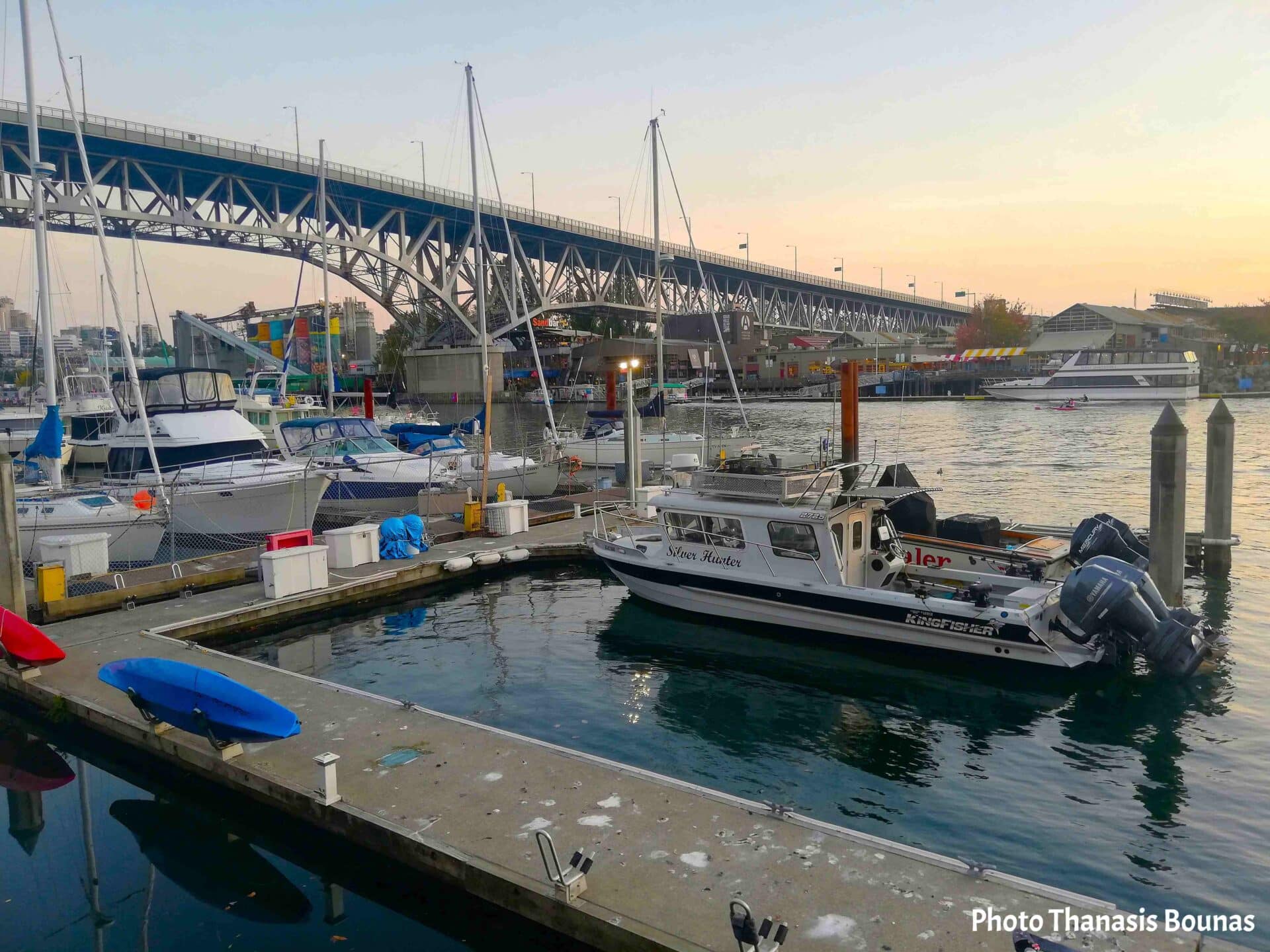
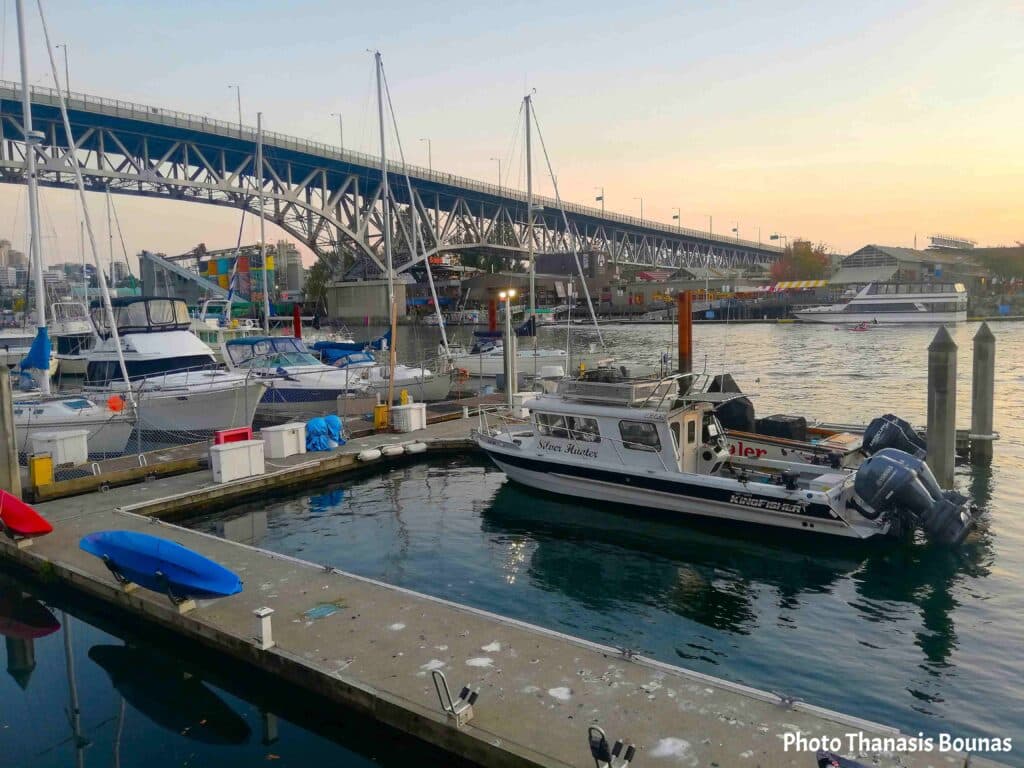
Boats rest quietly beneath the steel geometry of the bridge.
Masts stand vertical like thoughts not yet spoken.
Engines are silent.
Lines are still tied.
Yet nothing here is static.
Anticipation moves invisibly between hull and water.
It lives in preparation.
In the glance toward the horizon.
In the weather check that feels almost ceremonial.
The harbor is not inactivity.
It is suspended motion.
The Psychology of Anticipation in Travel
In travel psychology, anticipation activates imagination before experience.
The mind sails first.
Before departure, the brain constructs routes, risks, possibilities.
It rehearses freedom.
It measures uncertainty.
Anticipation sharpens awareness.
Like a sailor studying tide and wind direction,
the traveler studies inner currents.
The body remains at the dock.
The psyche has already left.
Between Structure and Sea
The bridge above is rigid, engineered, fixed.
The water below is responsive, fluid, alive.
Sailing exists between these two states.
Anticipation grows exactly there —
between control and surrender.
As explored in
Stillness in Sailing Where the Harbor Holds the Sun
motion is born from quiet attention.
The marina becomes a psychological threshold.
A place where intention gathers before action.
The Sailor’s Inner Preparation
Anticipation in sailing psychology is not impatience.
It is attunement.
It is checking the ropes twice.
Listening to the wind without moving.
Feeling the weight of responsibility before release.
In the journey, anticipation stabilizes courage.
It prevents reckless movement.
It refines timing.
The sailor who understands anticipation does not rush departure.
He waits until readiness aligns with wind.
When Departure Finally Happens
At some point, lines are untied.
Engines whisper.
The hull shifts.
But the real journey began earlier —
in the silent marina,
under the bridge,
inside the mind.
Anticipation is the invisible first mile.
And in sailing, as in life,
the quality of departure shapes the entire voyage.