The Boat at Rest
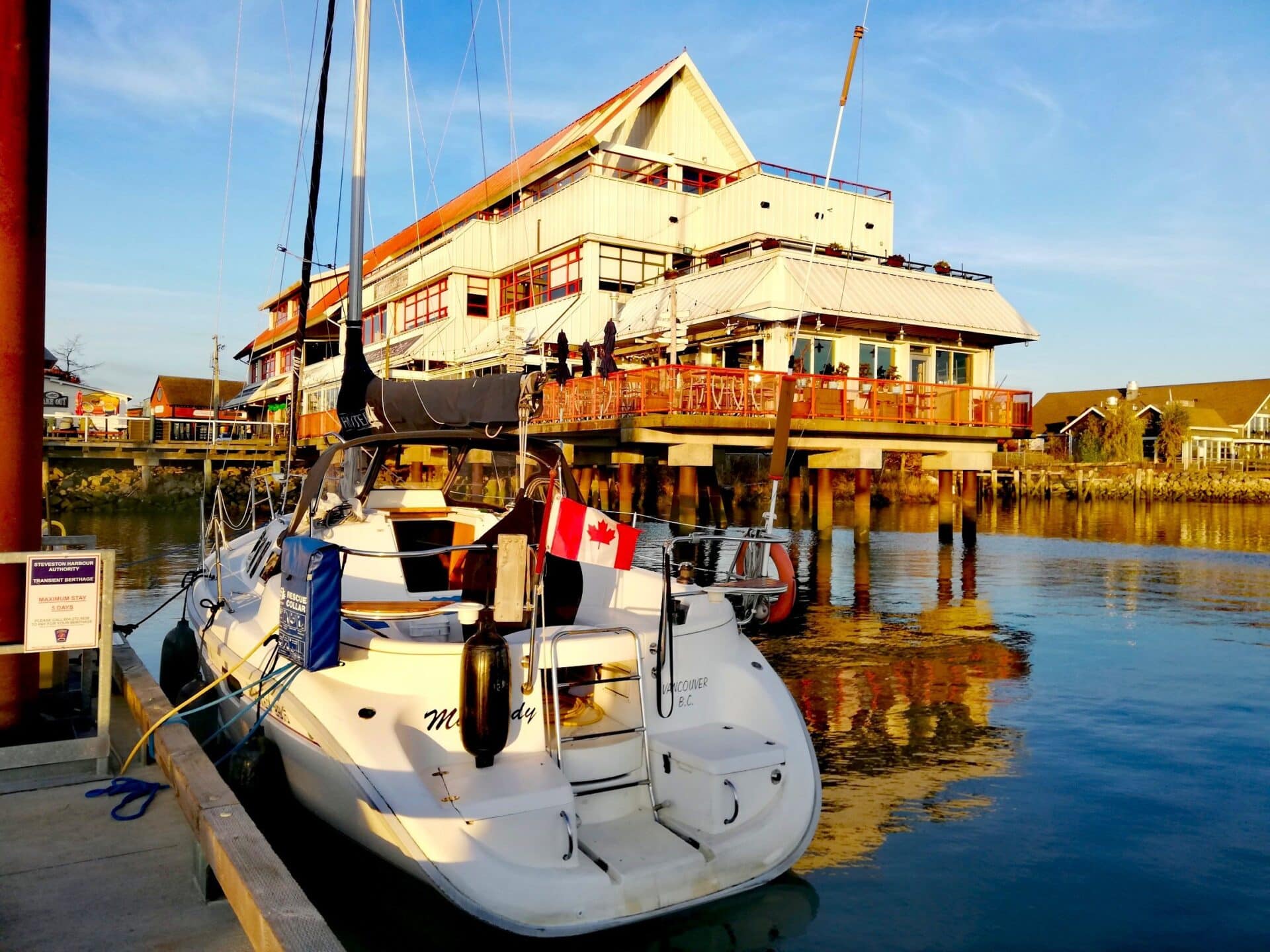
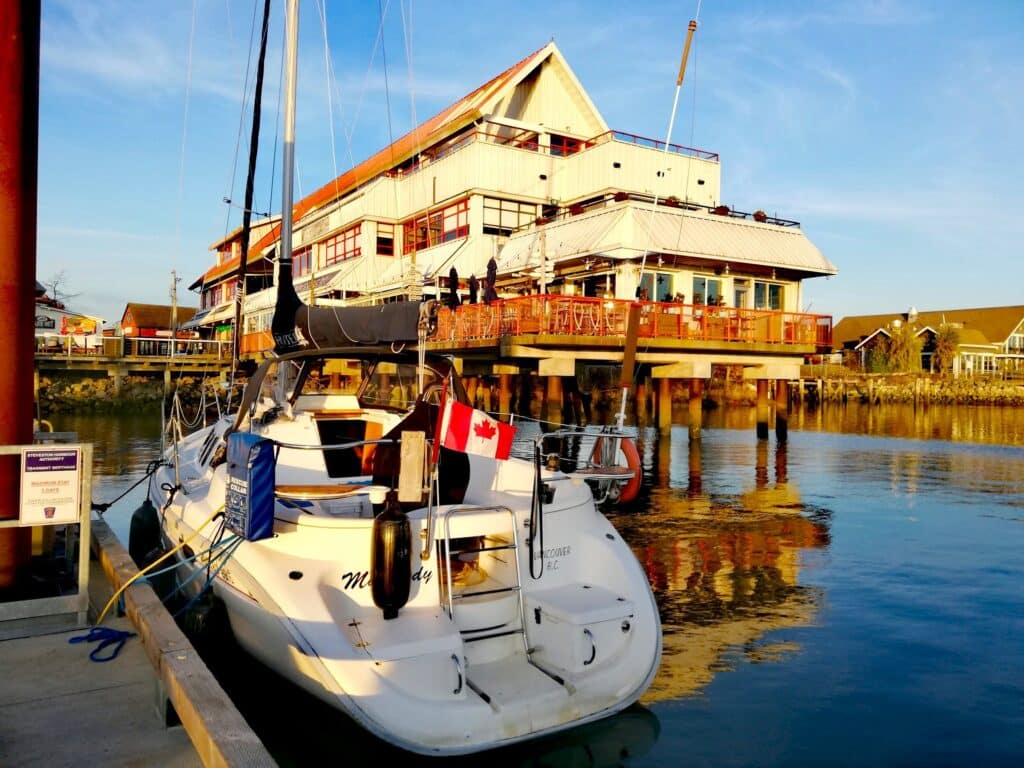
A white sailboat rests quietly at the dock.
A small flag moves gently at the stern.
Golden light touches the wooden pier and the building beyond.
The water is calm enough to reflect everything without distortion.
In this still frame, nothing seems urgent. And yet, breath is everywhere. In the faint movement of the flag. In the quiet rocking of the hull. In the chest of the one standing onboard, waiting.
Before Casting Off
Sailing does not begin with wind.
It begins with breath.
Before the lines are untied, before the engine hums or the sail rises, there is a pause. A subtle inhale that gathers attention. A slow exhale that releases distraction. Psychology at sea depends less on strength and more on regulation.
The harbor feels safe. Structured. Contained. But even here, the body prepares for openness. Breath deepens as if it already senses distance.
In Breath at the Table, nourishment became preparation. Here, stillness becomes alignment. The deck under your feet is steady, yet your inner rhythm already adjusts to movement.
The Light on Water
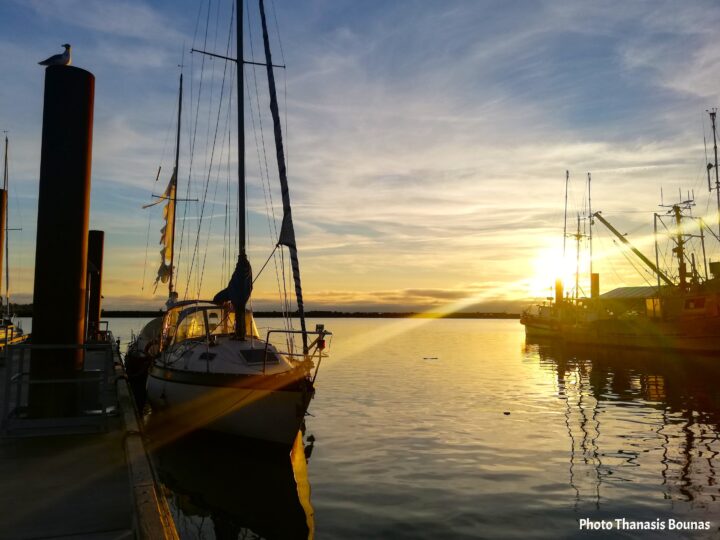
Evening light wraps the marina in warmth.
Reflections stretch and soften.
The building stands elevated above the tide.
Sailing teaches awareness of subtle shifts. A change in wind pressure. A difference in current. A variation in sound. Breath mirrors these adjustments. It shortens in tension. It expands in trust.
The psychology of the journey is written in the diaphragm long before it appears in words. A calm breath steadies the helm. A restless breath tightens the grip.
The boat does not rush.
The water does not argue.
Everything moves according to rhythm.
The Harbor Within
Harbors exist externally and internally.
One is made of wood, rope and structure.
The other is made of breath.
The sailboat may leave the dock, but the true departure happens inside. When breath becomes steady despite uncertainty. When movement no longer disrupts balance. When the horizon feels less threatening and more inviting.
Sailing is not escape.
It is a conversation between body and sea.
And breath is the translator — quiet, continuous, guiding both the vessel and the mind toward a slower, deeper journey.