A Road That Leads to the Sea
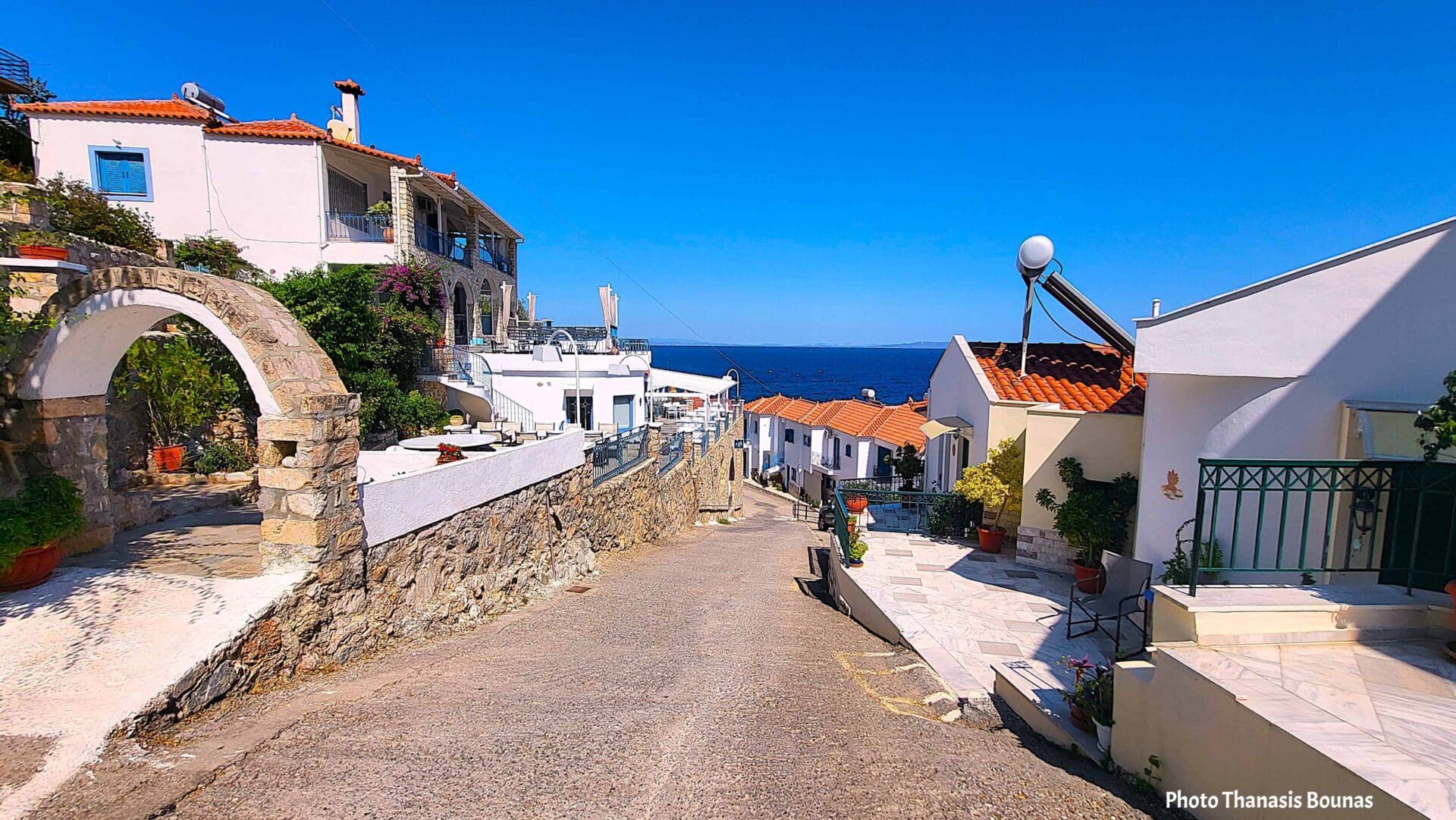
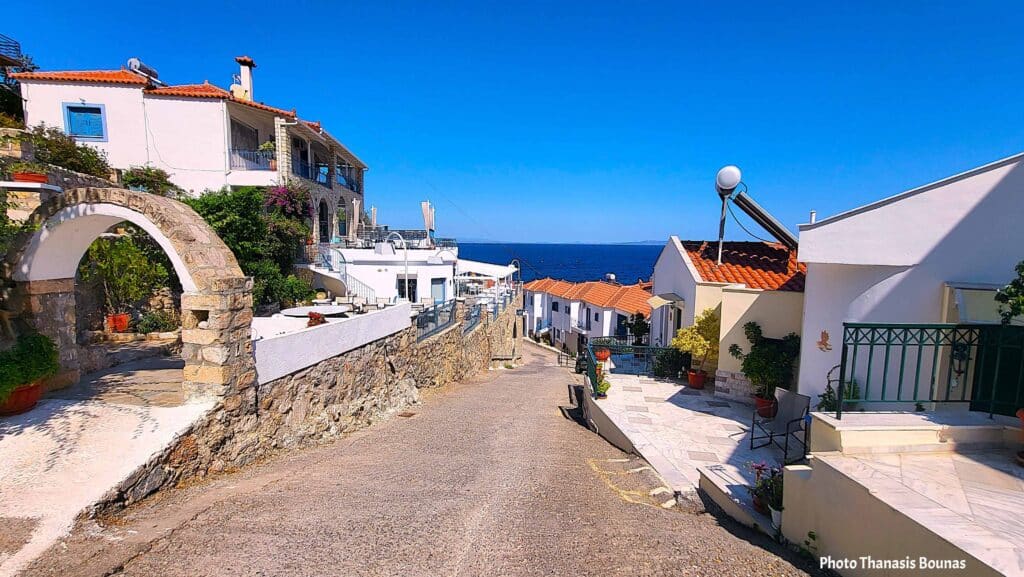
In the village of Tyros in the Peloponnese, the road does not stay level.
It descends slowly.
Houses open toward the horizon.
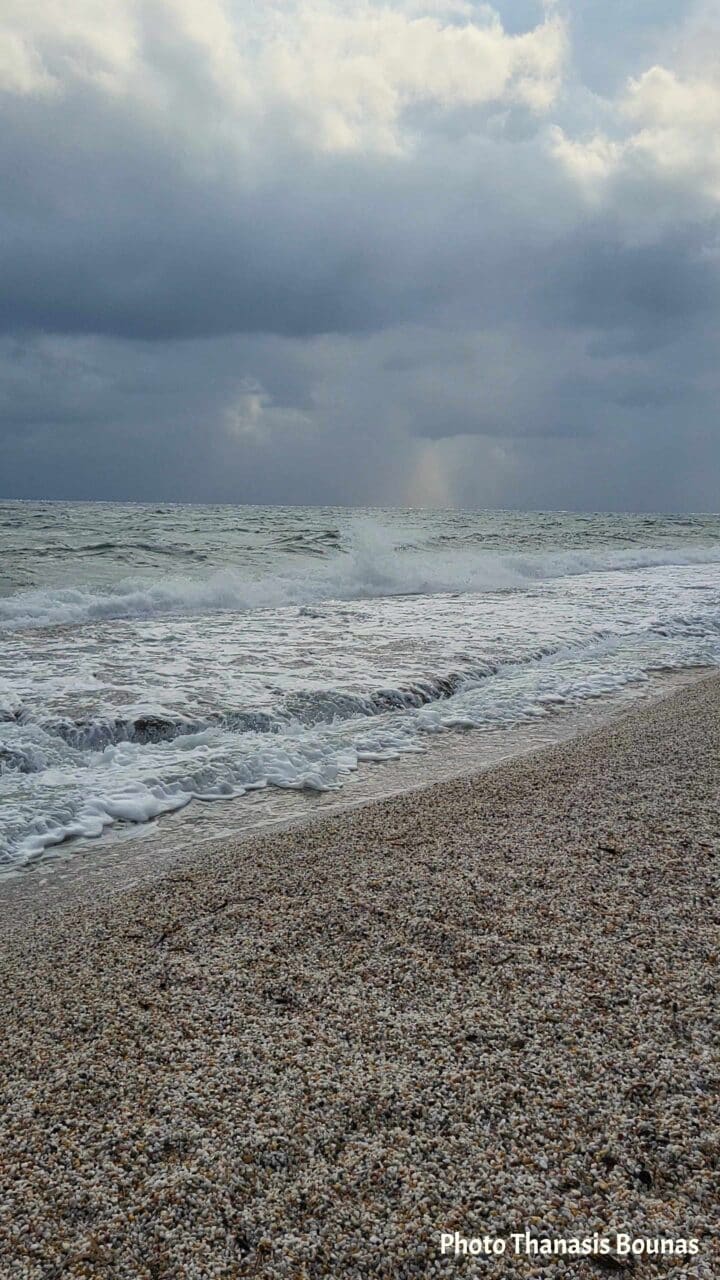
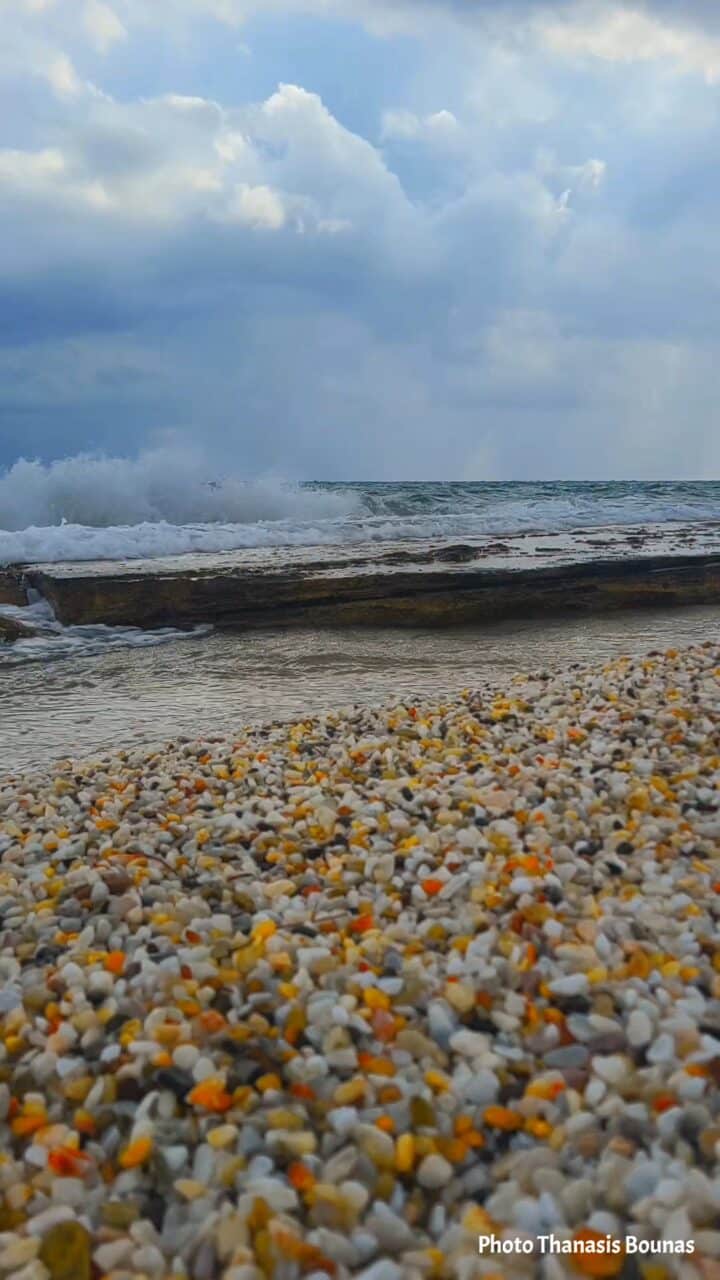
The sea waits at the end.
Every step feels guided —
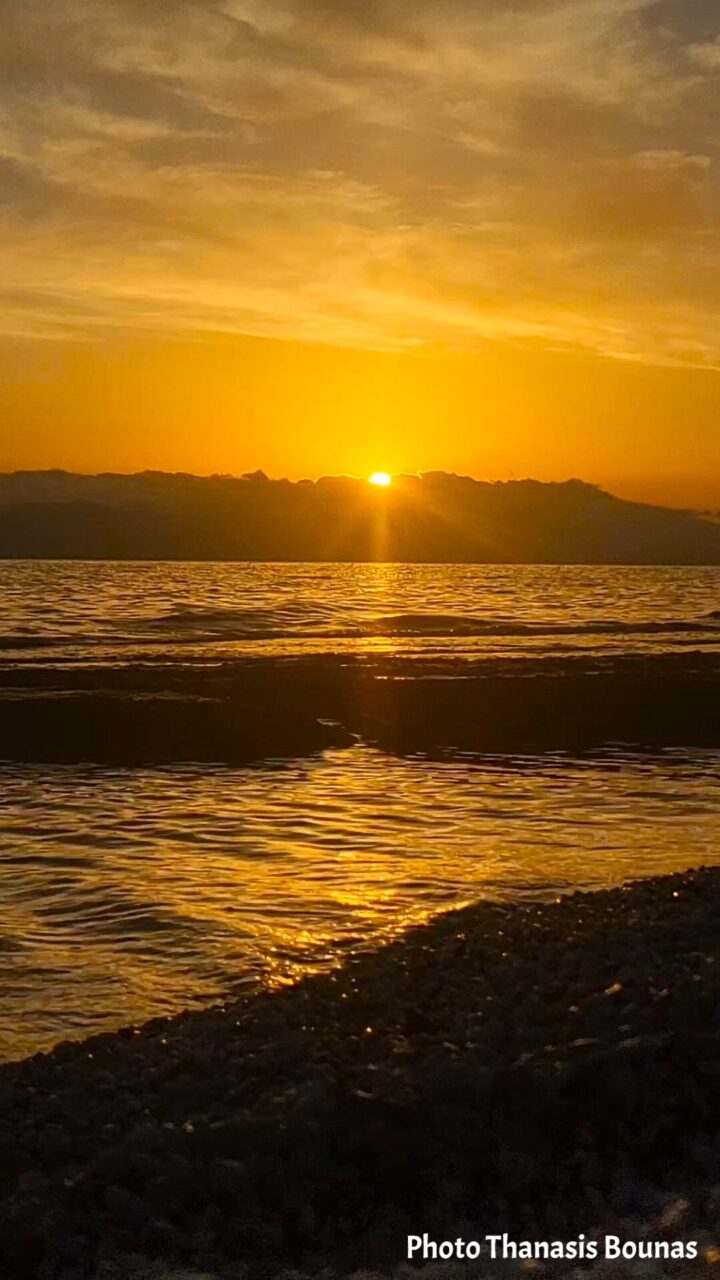
not by signs, but by light.
A Village Built on Slope and Shore
Tyros stretches between mountain and water.
The settlement follows the natural incline, creating narrow paths, terraces, and layered homes facing the coast.
This layout is not random.
It reflects a long tradition of adapting to terrain, where architecture follows the land rather than reshaping it.
Traces of an Older Landscape
The wider region of eastern Peloponnese has been inhabited since ancient times.
Nearby areas were connected to maritime activity and small coastal communities that relied on fishing and local trade.
Villages like Tyros developed gradually, shaped by both isolation and connection — close to the sea, yet protected by the surrounding hills.
History here is not concentrated in monuments.
It is spread across everyday structures.
Light, Color, and Simplicity
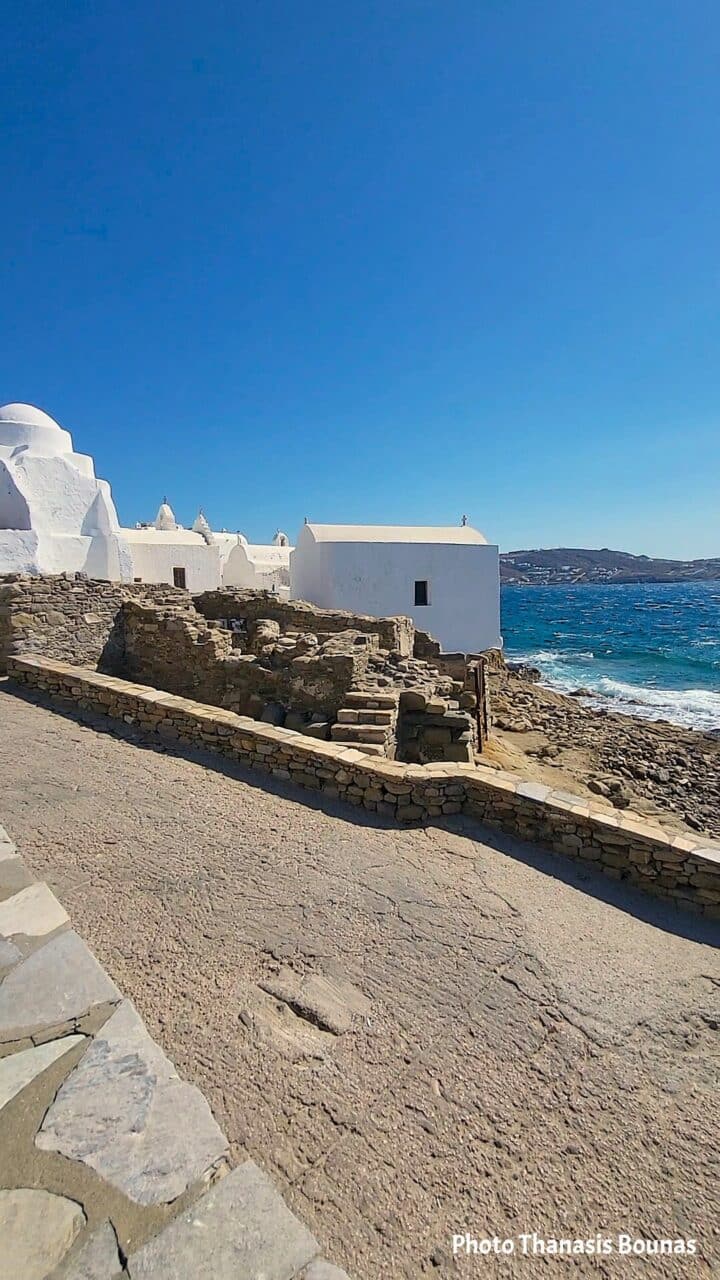
White walls reflect the sun.
Terracotta roofs absorb warmth.
Stone paths hold the memory of movement.
Nothing feels excessive.
Each element exists because it works — for climate, for space, for continuity.
The Distance That Draws You Forward
From higher points in the village, the sea appears close.
But walking toward it takes time.
The descent becomes part of the experience:
- A gradual approach
- A shifting perspective
- A quiet anticipation
Distance is not removed.
It is felt.
What the Path Becomes
By the time you reach the shoreline, something has already changed.
The movement down the slope has slowed your pace.
The surroundings have simplified your focus.
The destination matters less than the transition.
And the path remains —
even after you arrive.