What Is Missing from the Plate
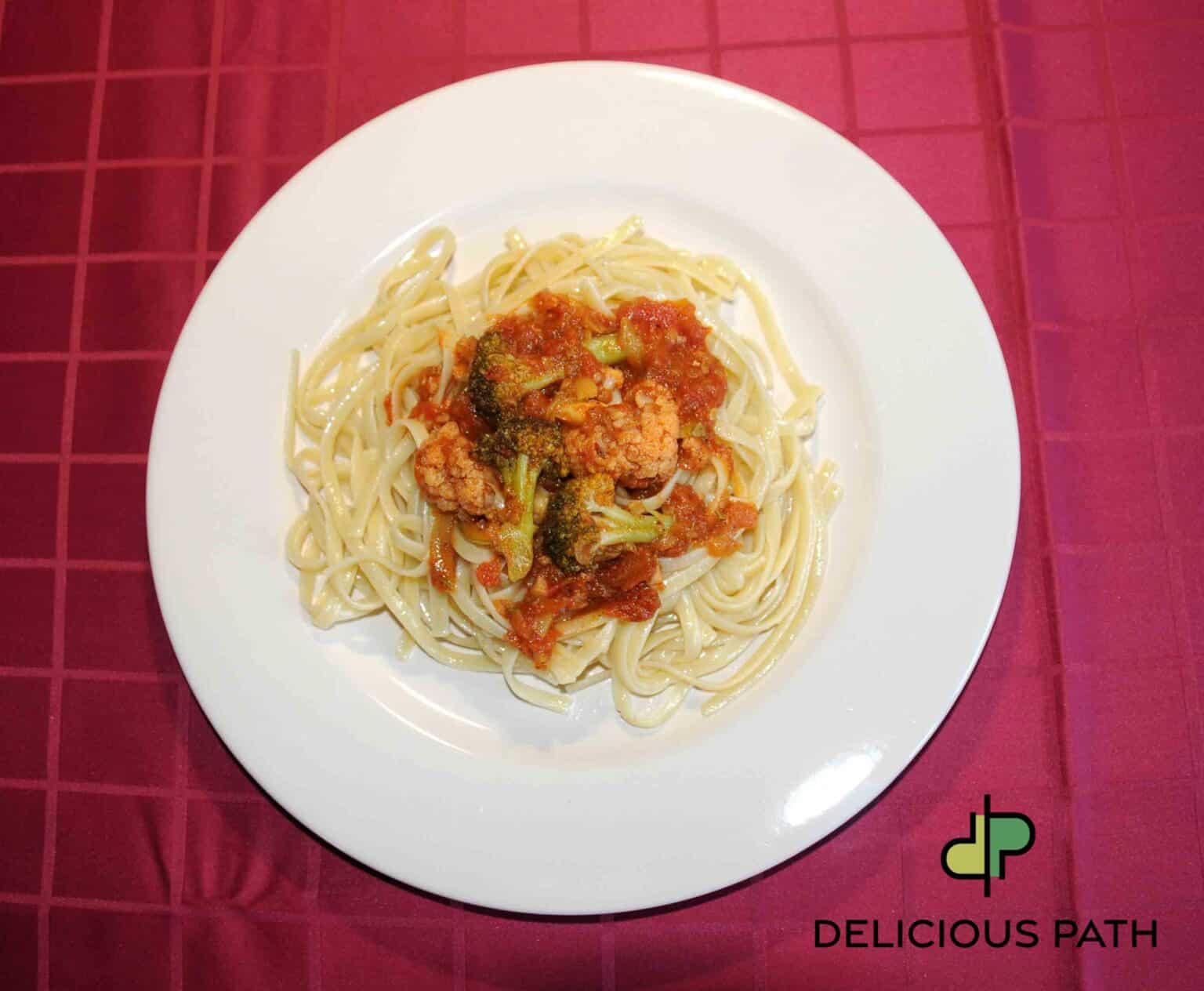
The pasta rests at the center.
Red sauce holding pieces of green.
White plate framing everything with distance.
It feels complete.
Yet loss often hides inside completeness.
Psychologically, we notice absence
only after we expect presence.
A flavor once stronger.
A person once seated across the table.
A version of ourselves that used to taste the world differently.
Food remembers for us.
The Quiet After the Table
Travel changes appetite.
You leave a harbor.
You leave a city.
You leave conversations unfinished.
And then you sit somewhere new
with a familiar plate in front of you.
In a previous reflection on Memory in Sailing and Food, taste carried the past gently.
Here, it carries what is no longer there.
Loss is subtle in flavor.
Not bitterness.
More like something slightly reduced.
The Psychology of Absence
Grief reorganizes perception.
The brain searches for patterns it can no longer find.
You taste the sauce
and expect a memory to return intact.
But it arrives softened.
Sailing teaches this rhythm quietly.
You depart from a shoreline
and when you return,
it feels smaller.
Not because it changed.
Because you did.
Loss is distance internalized.
What Still Nourishes
The plate remains warm.
The meal still feeds you.
Loss does not remove sustenance.
It reshapes what sustains you.
And slowly,
between one bite and the next,
you learn to travel
with less
and carry more inside.