The Plate That Waits
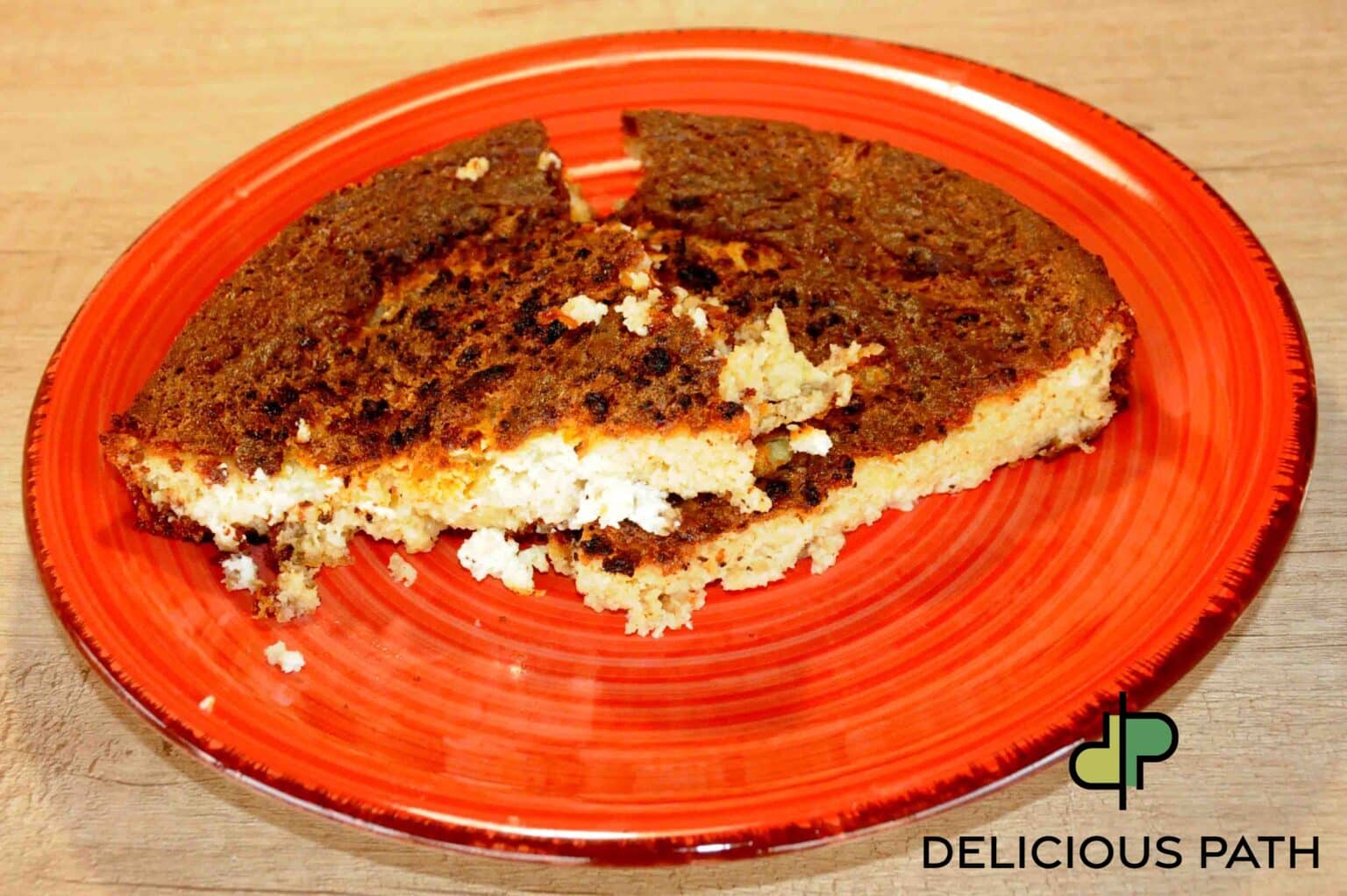
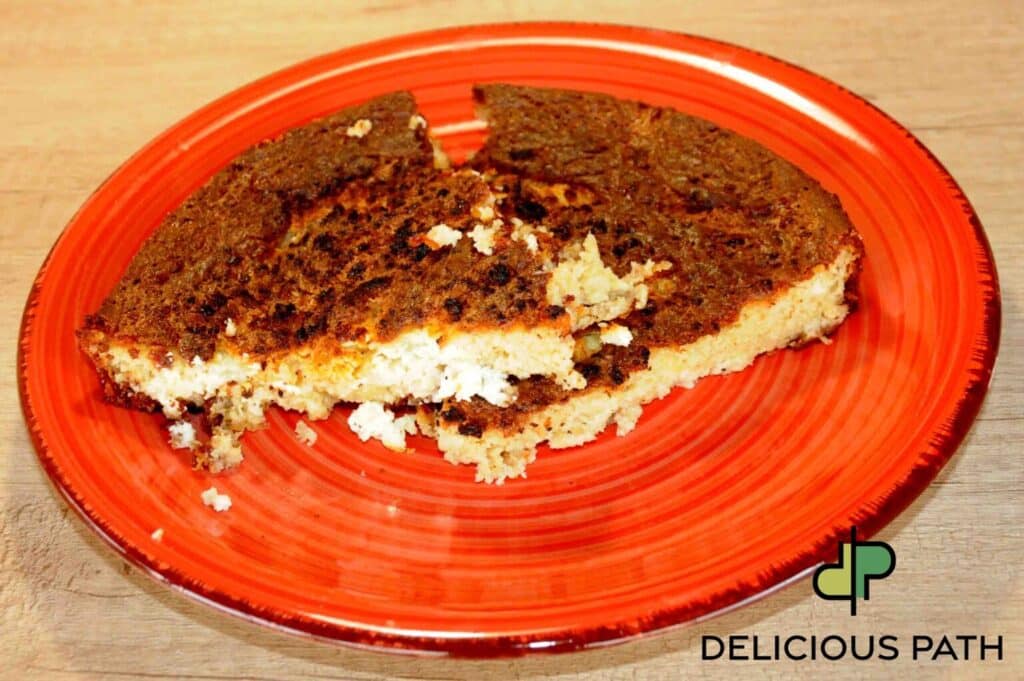
The pie rests quietly on a red plate.
Its surface is dark. Slightly uneven. Touched by heat longer than expected. Inside, it remains soft. White. Generous.
Hope often looks like this.
Not perfect. Not symmetrical. Not polished.
But warm.
In travel, you learn to value what holds warmth. Because unfamiliar places can cool the spirit quickly.
Food becomes more than nourishment.
It becomes reassurance.
The Psychology of Simple Restoration
Hope is rarely grand.
It is restoration.
Psychologically, restoration happens through small signals of safety. Familiar taste. Predictable texture. Warmth in the hands.
When you travel, your nervous system stays alert. New sounds. New rhythms. New expectations.
A simple meal interrupts that vigilance.
In Sailing and Calm — The Psychology of Food by the Harbor,
we explored how food anchors the mind. Hope grows from that same anchoring.
It is the quiet belief that comfort is still possible.
Fire Above, Softness Within
The top of the pie is darker than expected.
Yet inside, it remains tender.
Travel does this to people.
The exterior adapts first. Stronger posture. Sharper awareness. Quicker decisions.
Inside, vulnerability remains.
Hope is not denial of difficulty.
It is trust in inner continuity.
In sailing, you cannot control weather. But you can trust the structure of the vessel. You trust that beneath the surface, integrity remains intact.
Food mirrors that lesson.
Surface marks do not define depth.
Eating as a Promise
You break a piece.
Steam rises softly.
The first bite is simple. Salt. Grain. Familiarity.
And something shifts.
Breathing slows. Shoulders ease. Thought softens.
Hope enters quietly.
Not as expectation of perfection. But as permission to continue.
Travel reshapes identity. Sailing reshapes perception. But food restores equilibrium.
And somewhere between dark crust and gentle center, you understand:
Hope is not dramatic light on the horizon.
Sometimes it is warmth on a plate.