Travel as an Answer
Travel is not only landscapes.
It is also answers.
A Place of Contrast
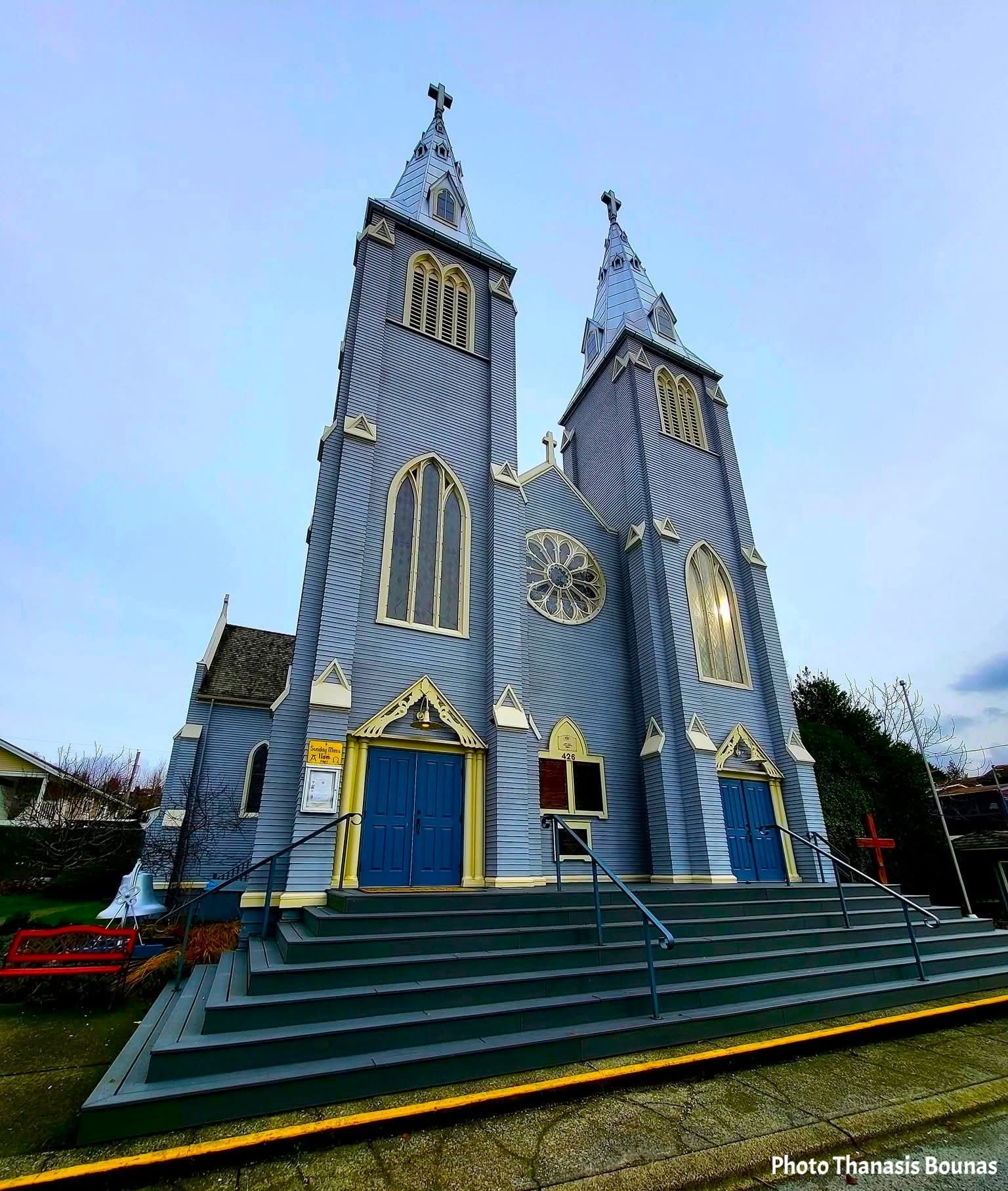
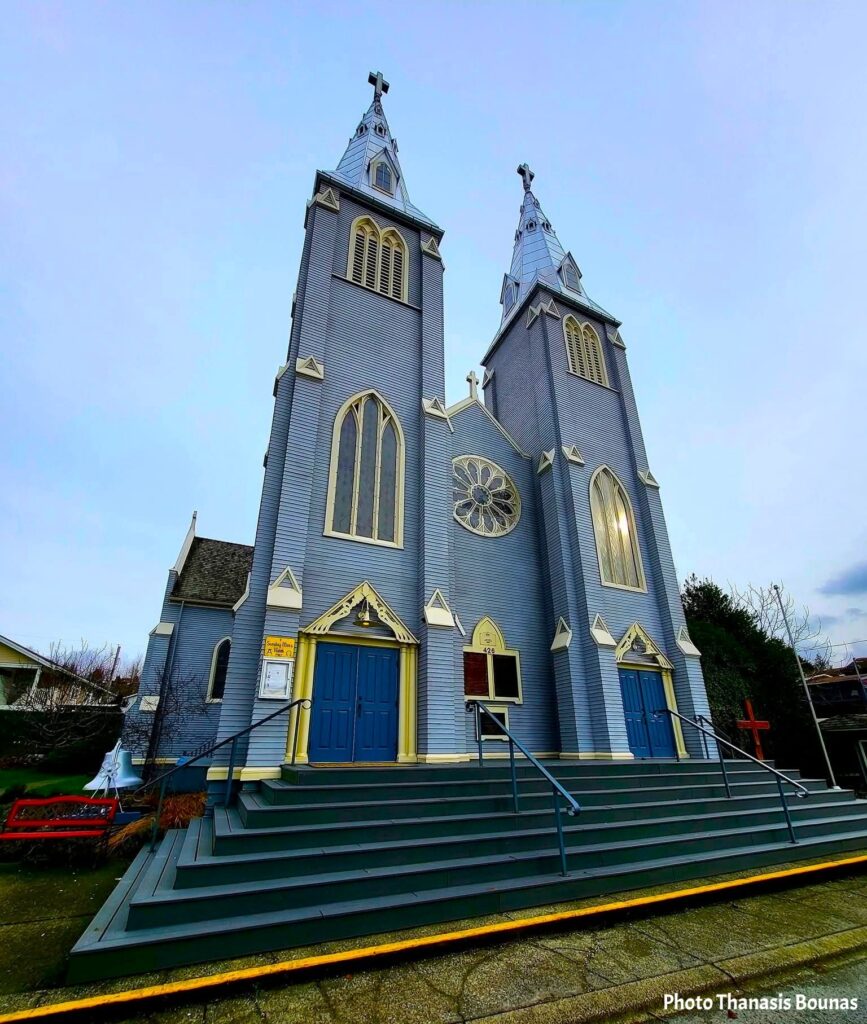
Just a few meters from the floating homes of Mosquito Creek stands St. Paul’s Parish in North Vancouver.
A wooden Gothic Revival church built in the late 19th century, when the area was rapidly developing because of lumber and the harbor.
An Unexpected Feeling
Standing in front of it, I felt something I did not expect.
Warmth.
Not necessarily religious.
Human.
Silence That Embraces
When you travel alone, there are moments when silence feels heavy.
And others when silence embraces you.
Here, it was the second.
A Place That Still Holds People
The same land that hosted workers, sailors, and immigrant families continues to host people.
The building still stands.
Wooden.
Simple.
Protective.
A Reflection That Connects
Earlier, I wrote about Travel and Transformation at Mosquito Creek Marina — about how places change.
A More Personal Realization
But here I understood something more personal.
I am not drawn only to the water.
I am drawn to the feeling of community by the water.
Between Freedom and Connection
The floating homes represent independence.
The church represents connection.
And me?
I stand somewhere in between.
Searching for Roots in Movement
Travel taught me that I am not simply searching for the sea.
I am searching for roots within movement.
To feel free.
But not alone.
A Place with History
St. Paul’s Parish was founded around 1899.
It served as a religious and social center for the first residents of North Vancouver.
It remained.
It was maintained.
It was protected.
A Human Parallel
Perhaps that is what a person does as well.
Grows.
But keeps a core.
What Identity Really Is
This place reminded me that identity is not fixed.
It is relationship.
With the place.
With history.
With people.
A Final Thought
And perhaps ultimately —
with something greater than ourselves.


