Trust begins before movement
Travel is often described as movement, but in reality, it begins much earlier.
It begins with trust.
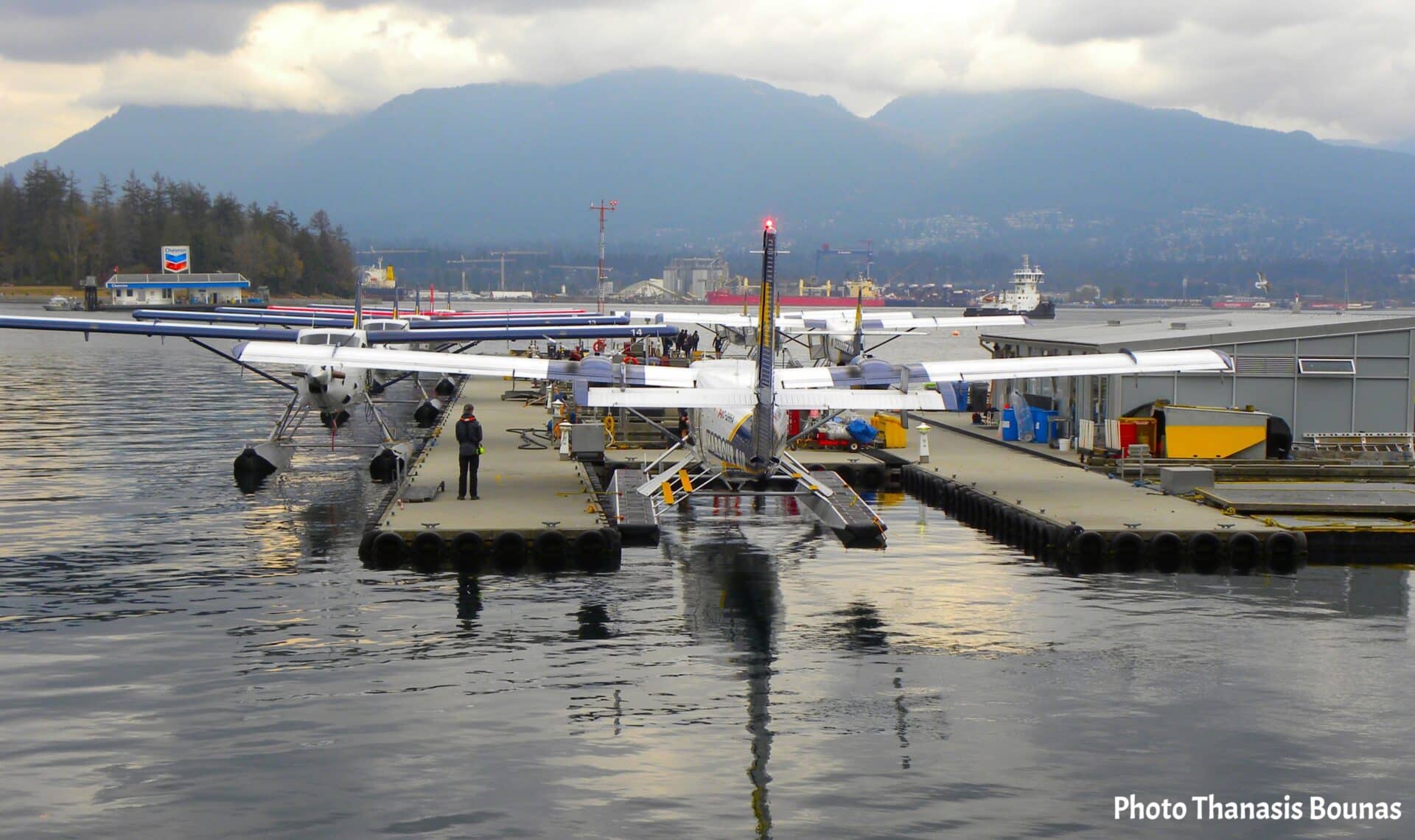
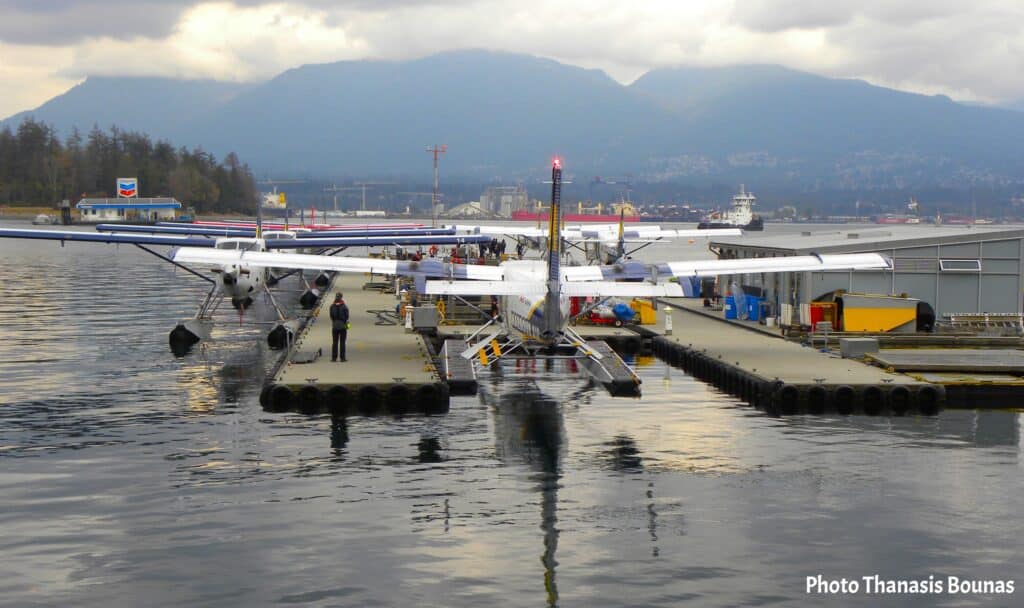
Standing at the harbor of Vancouver, watching the floatplanes resting on the water, there is a quiet sense that nothing here is accidental. Every departure, every route, every direction depends on something deeper than planning.
It depends on trust in travel itself.
The kind of trust that allows you to pause before you move.
A harbor shaped by history
Vancouver has always been a city defined by water.
Long before it became a modern urban landscape, this coastline was home to Indigenous communities who understood the rhythms of the sea far better than any map could explain. The harbor was not just a point of arrival—it was a living connection between land, water, and movement.
Later, as trade routes expanded and the city grew, Vancouver became one of the most important port cities on the Pacific. Ships, goods, people—everything passed through this harbor.
And today, even with floatplanes instead of wooden vessels, that same energy remains.
A place of transition.
A place of trust.
Between stillness and departure
The floatplanes do not rush.
They wait.
Aligned carefully along the dock, they exist in a moment that feels almost suspended. Not quite departure, not quite rest.
This is where travel becomes something more internal.
Sailing carries the same quiet understanding. You can prepare everything perfectly, but you still need to read the water, the wind, the timing. You need to accept that not everything is yours to control.
Trust lives exactly in that space.
Between readiness and release.
The psychology of trusting the unknown
There is something deeply psychological about standing at a harbor.
You are surrounded by movement, yet you remain still. You observe journeys without being part of them—yet.
And in that observation, something shifts.
Trust in travel is not about knowing where you will go. It is about accepting that you don’t need to know everything before you begin.
The mountains in the background of Vancouver stand as a reminder of scale. You are small, your plans are temporary, but your experience is real.
And that is enough.
A different rhythm of travel
Modern travel often feels fast. Flights, schedules, checklists.
But places like this suggest something else.
A slower rhythm.
The water absorbs urgency. The harbor softens intention. Even the floatplanes, designed for efficiency, seem to respect the pace of their environment.
This is where travel reconnects with something older.
Something closer to sailing.
Not about speed.
About direction.
Trust as a way forward
In the end, trust in travel is not a concept you fully understand.
It is something you practice.
Somewhere between the still floatplanes, the quiet harbor, and the layered history of Vancouver, you begin to feel it more than you think it.
You don’t need to control the journey.
You just need to step into it.
And trust that movement will follow.