A Structure Facing Time
In the Peloponnese region of Greece, the landscape often feels unchanged.
Dry earth stretches outward.
The sea appears quietly in the distance.
And between them, stone structures remain.
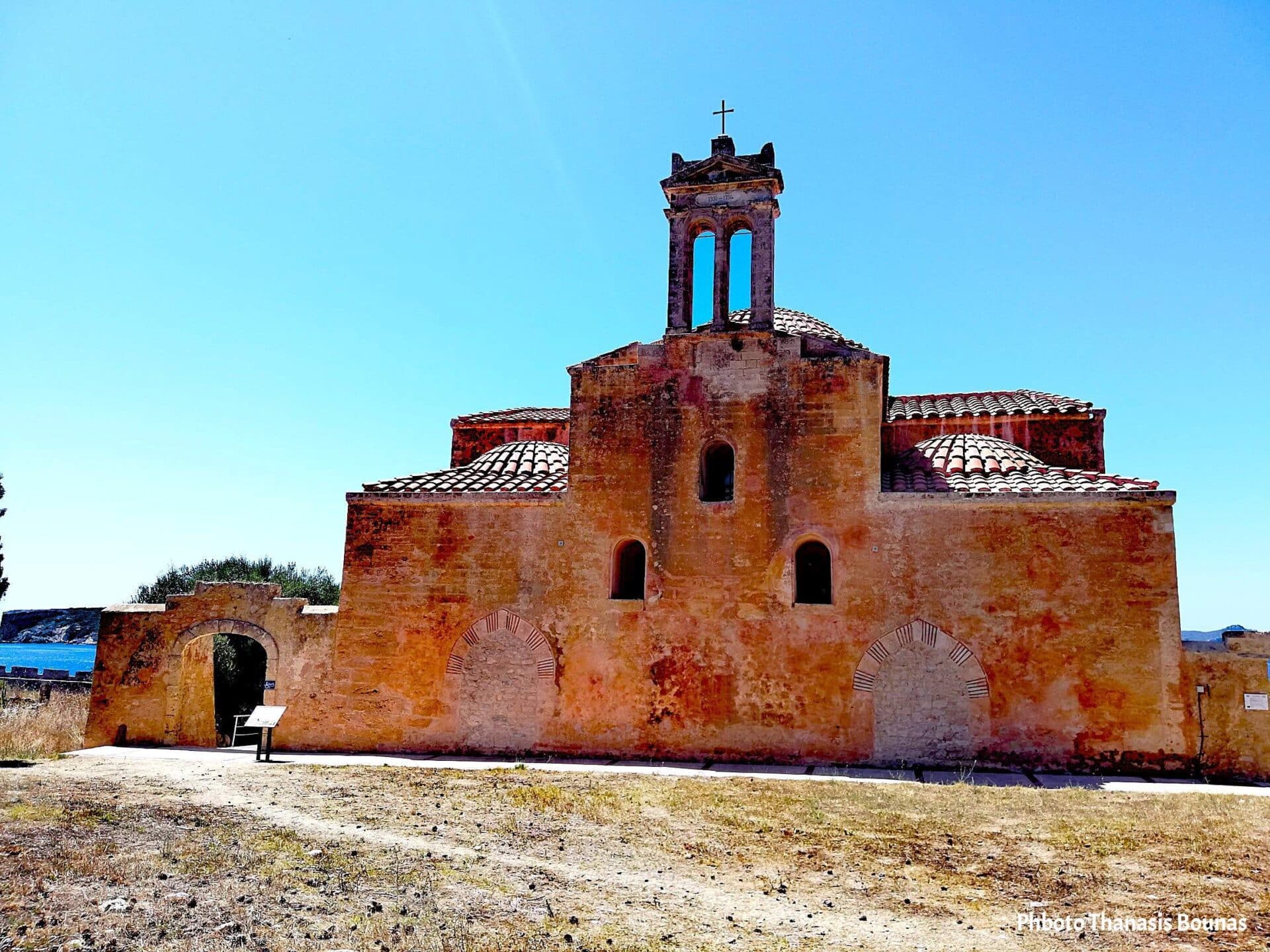
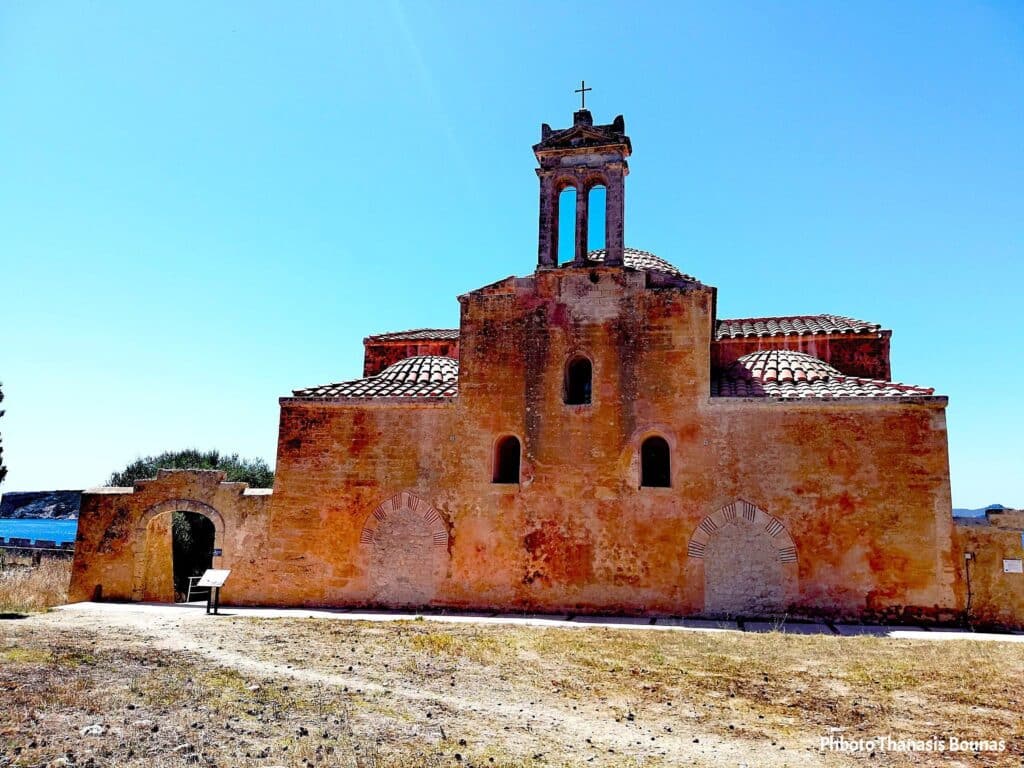
This church does not stand apart from its surroundings.
It belongs to them.
Architecture of Simplicity
The building reflects a style shaped by necessity and tradition.
Thick stone walls.
Small openings.
A compact form designed to endure heat, wind, and time.
Its simplicity is not absence.
It is intention.
Every element serves a purpose.
Layers of History
Churches like this trace back to Byzantine influences, a period that shaped much of Greece’s religious architecture.
Built between roughly the 9th and 15th centuries, many small churches followed similar forms:
- Modest scale
- Domed or vaulted roofs
- Limited decoration on the exterior
They were not designed to dominate the landscape —
but to exist within it.
A Place Between Land and Sea
The Peloponnese has long been a crossroads of civilizations.
From ancient Greek settlements to Roman presence and later Byzantine rule, the region carries continuous layers of history.
Structures like this are part of that continuity.
They do not represent a single moment.
They reflect many.
Silence as Presence
There is no movement here.
No crowd.
No noise.
Only the sound of wind moving across dry ground.
The building does not invite attention.
It holds it quietly.
What Remains
Over time, details fade.
Surfaces wear.
Colors soften.
Edges lose precision.
Yet the structure remains.
Not unchanged —
but still standing.
And in that persistence, something deeper becomes visible:
Not just history,
but endurance.