When the Plate Opens Like a Circle
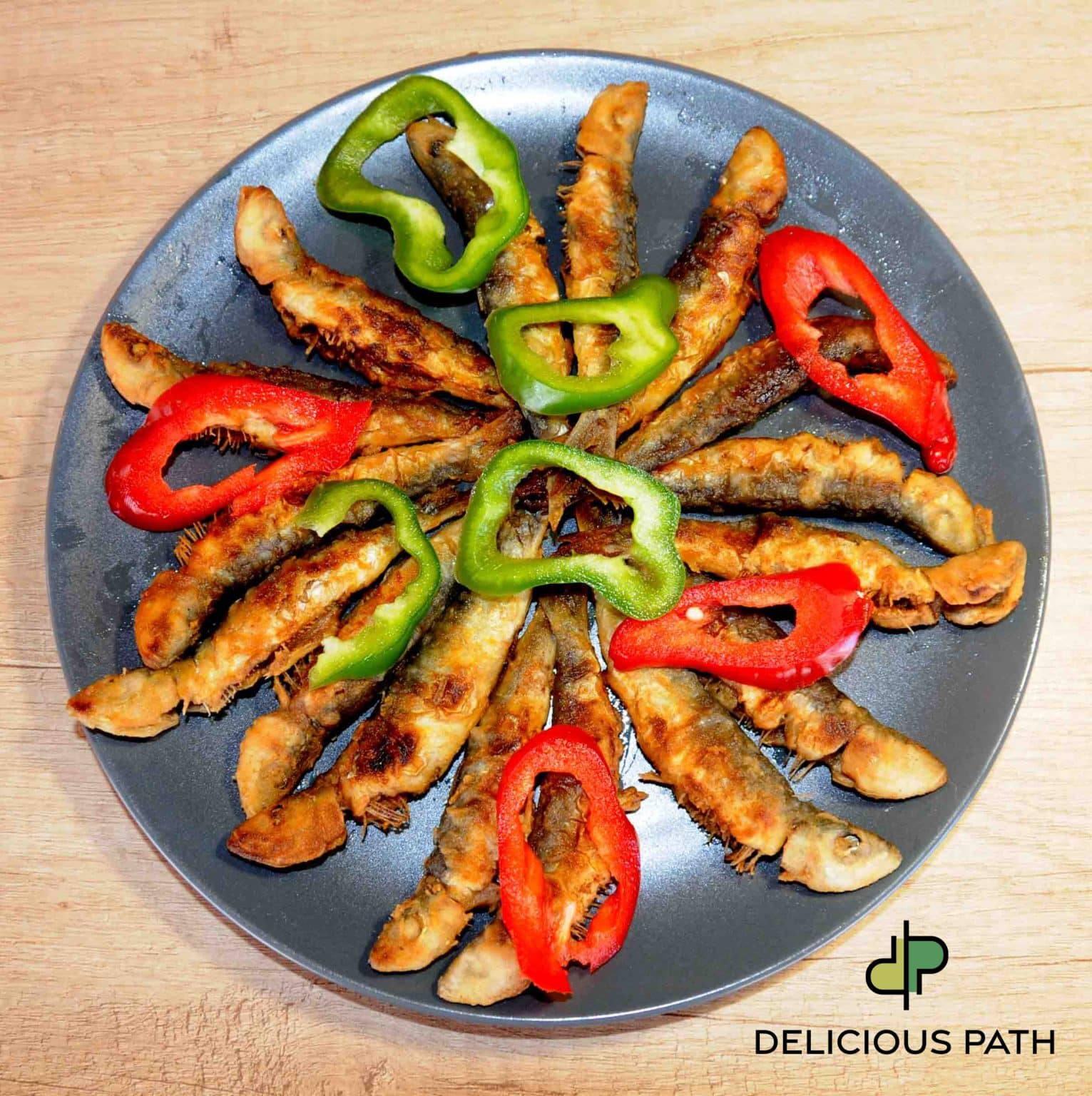
The plate opens without urgency.
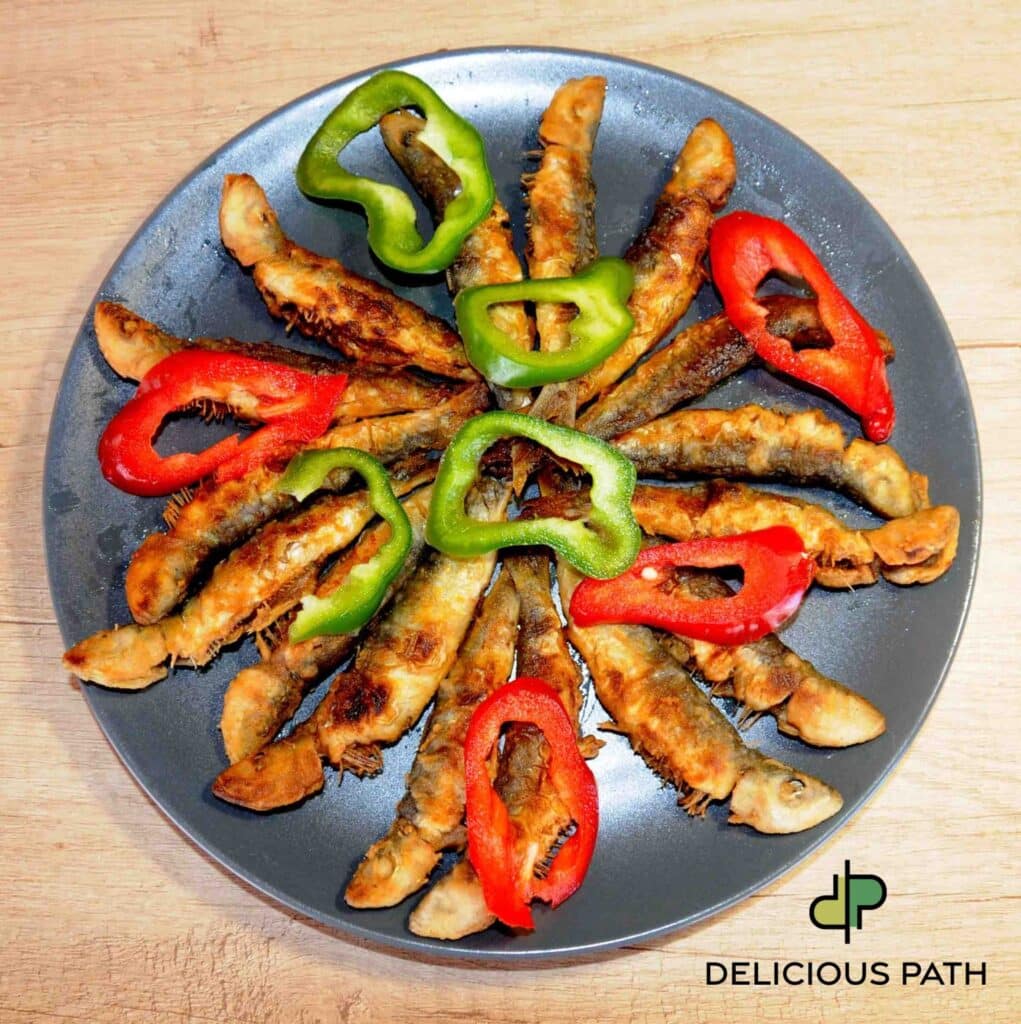
Small fish form a quiet geometry,
a circle that holds attention rather than demanding it.
Tenderness in food begins with how space is respected.
Not everything needs to fill the center.
Sometimes balance is created by leaving room.
In travel psychology, this is the moment
where movement pauses
and awareness takes over,
as explored earlier in Presence in The Inner Voyage Where the Bow Learns to Wait.
Fried Sardines and the Memory of Water
These fish once moved with the current.
Frying does not erase that motion.
It softens it.
Tenderness is not the absence of heat,
but the right timing of it.
The sea remains present,
even when the journey has stopped.
Like sailing,
this is about knowing
when force becomes unnecessary.
Psychology at the Table
At the table, tenderness appears
when control loosens.
Food becomes less about consumption
and more about recognition.
Origin matters.
Process matters.
This is how travel reshapes the mind:
by teaching it to accompany experience
instead of dominating it.
When Taste Becomes Navigation
Tenderness does not aim for intensity.
It aims for alignment.
Between hunger and restraint.
Between action and patience.
Between taste and presence.
Like sailing,
the deepest direction
is often found
by not pushing forward.