Where Past and Present Meet
Sailing in Greece is not just a modern activity.
It is something deeply connected to the country’s past—something that has existed for thousands of years.
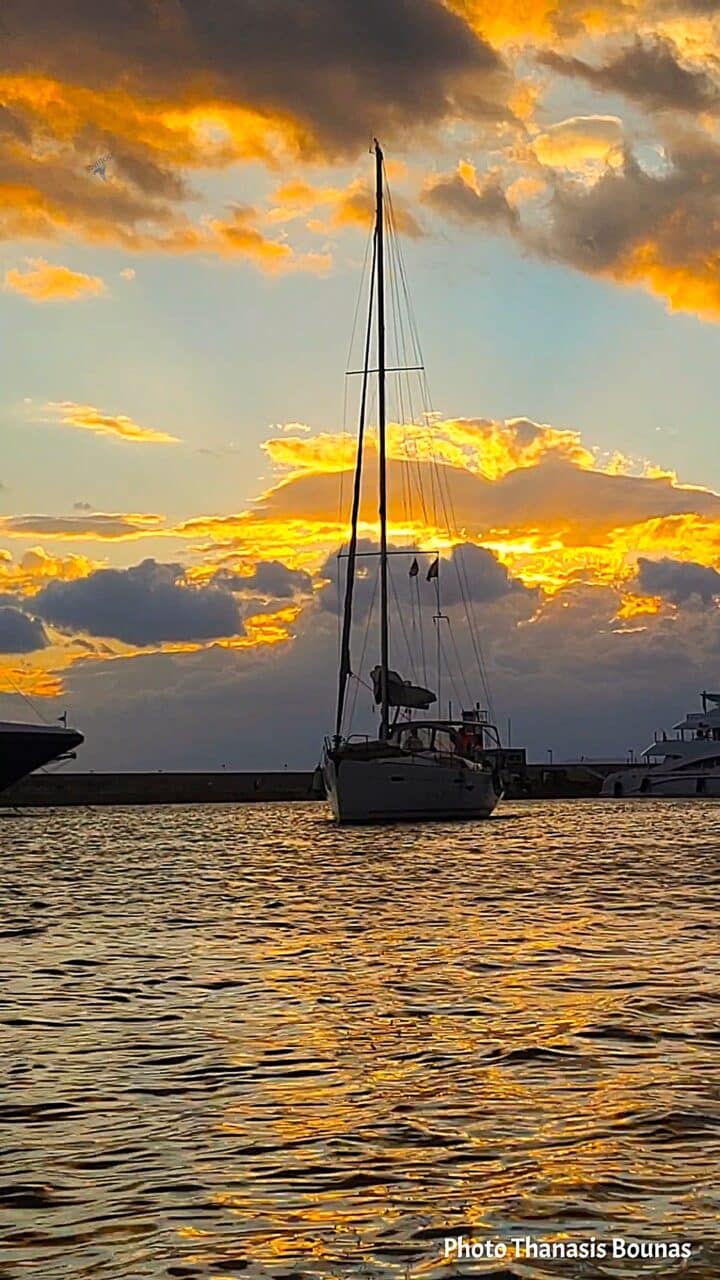
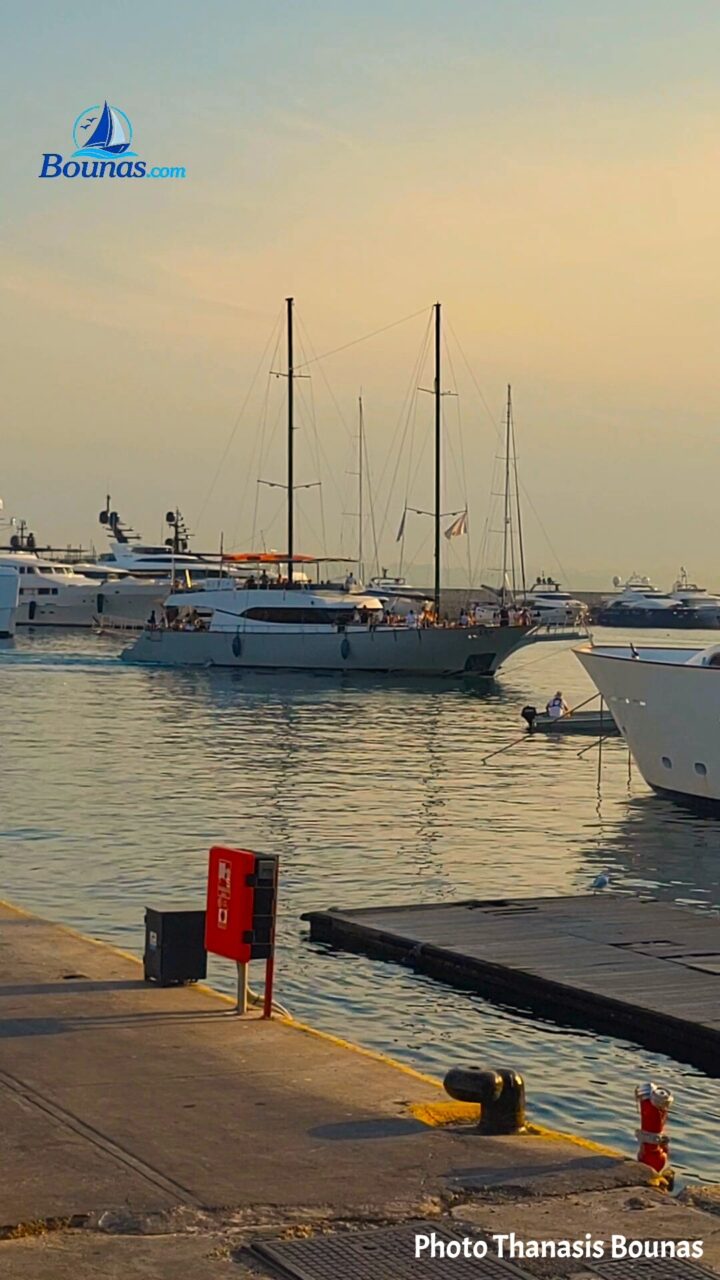
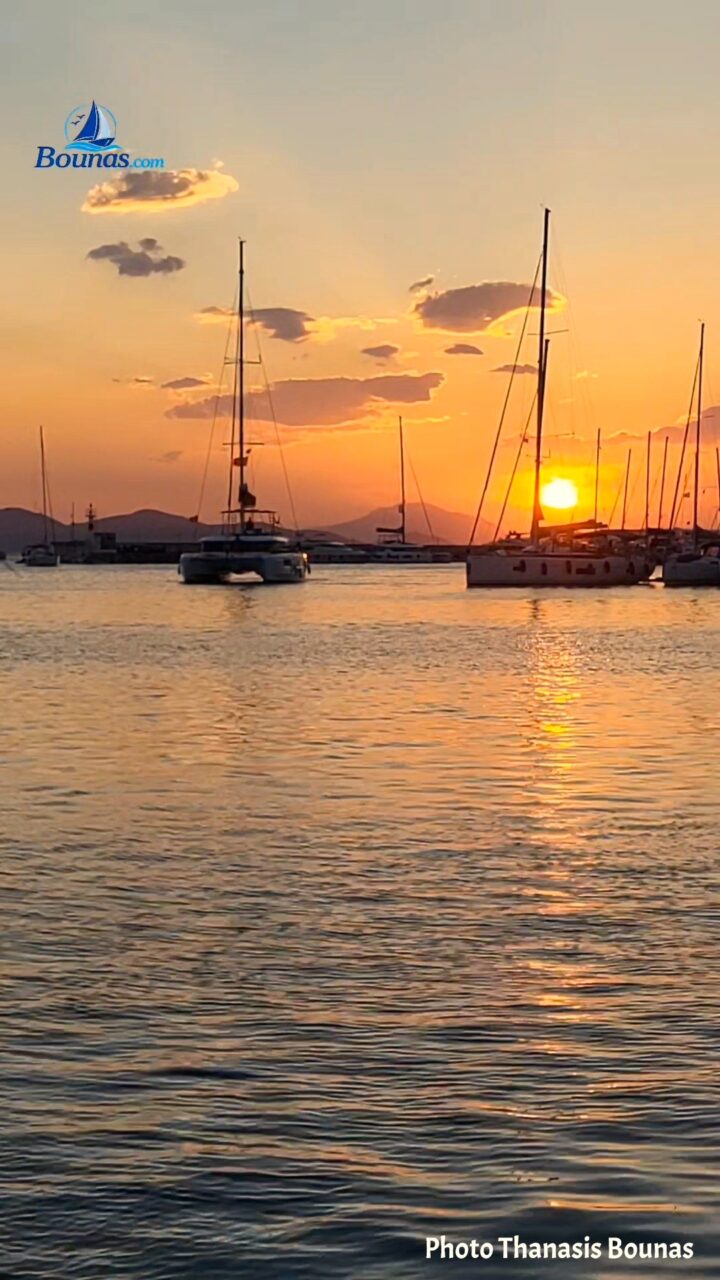
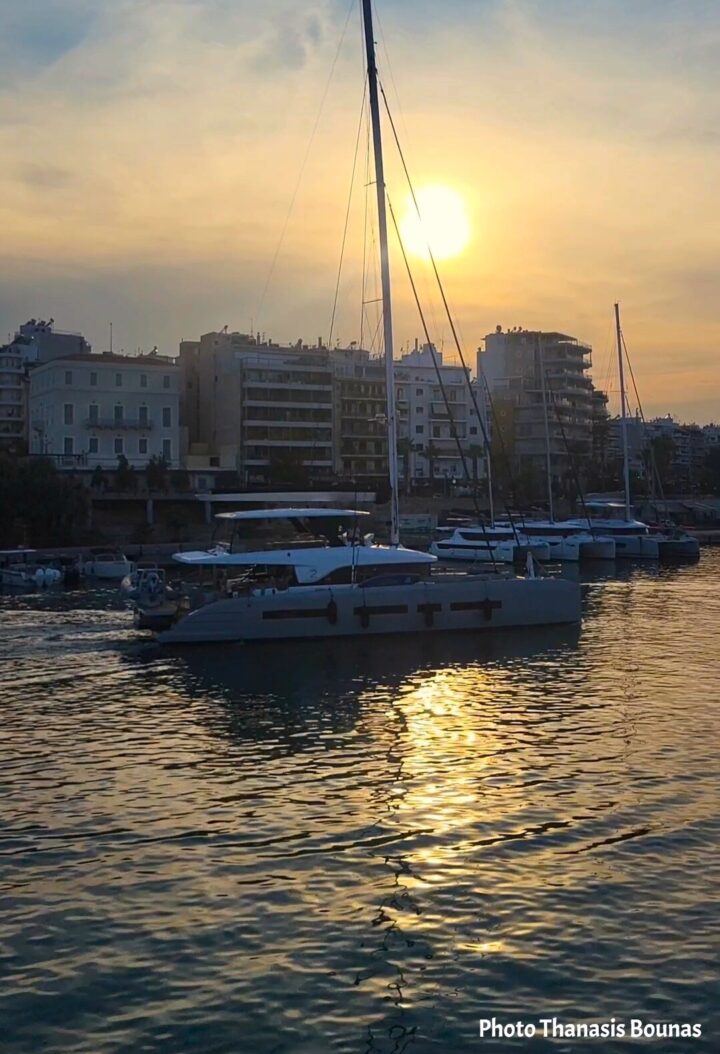
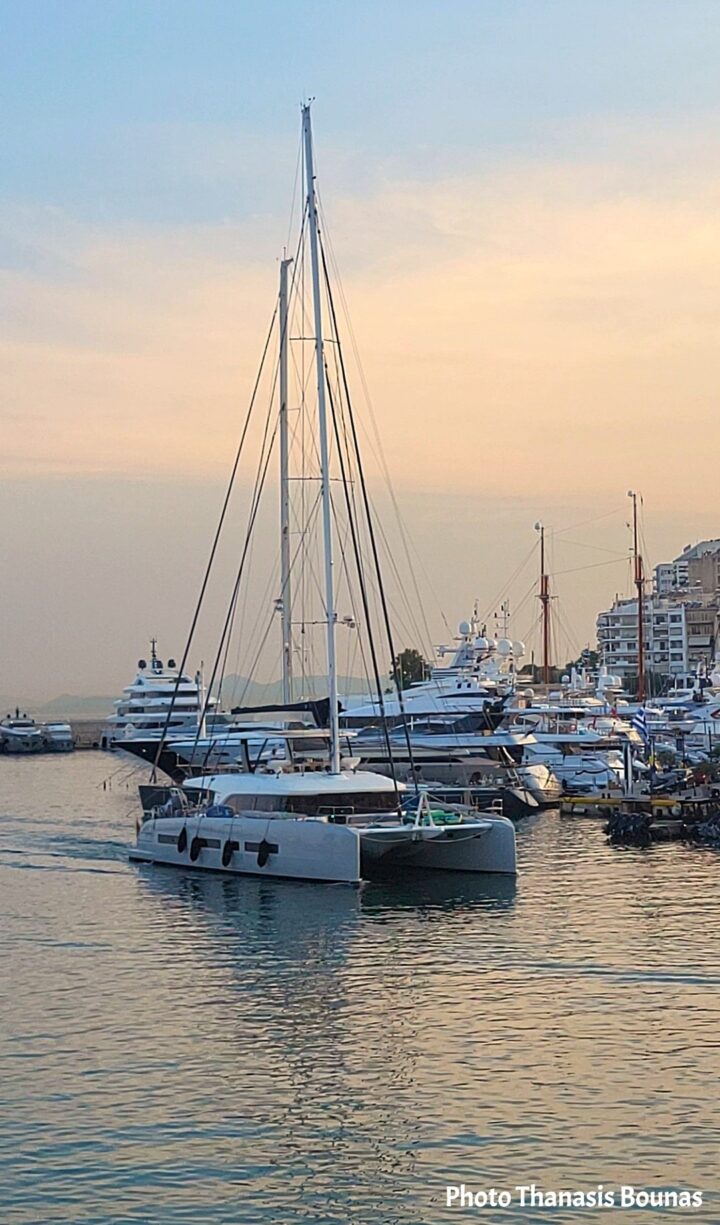
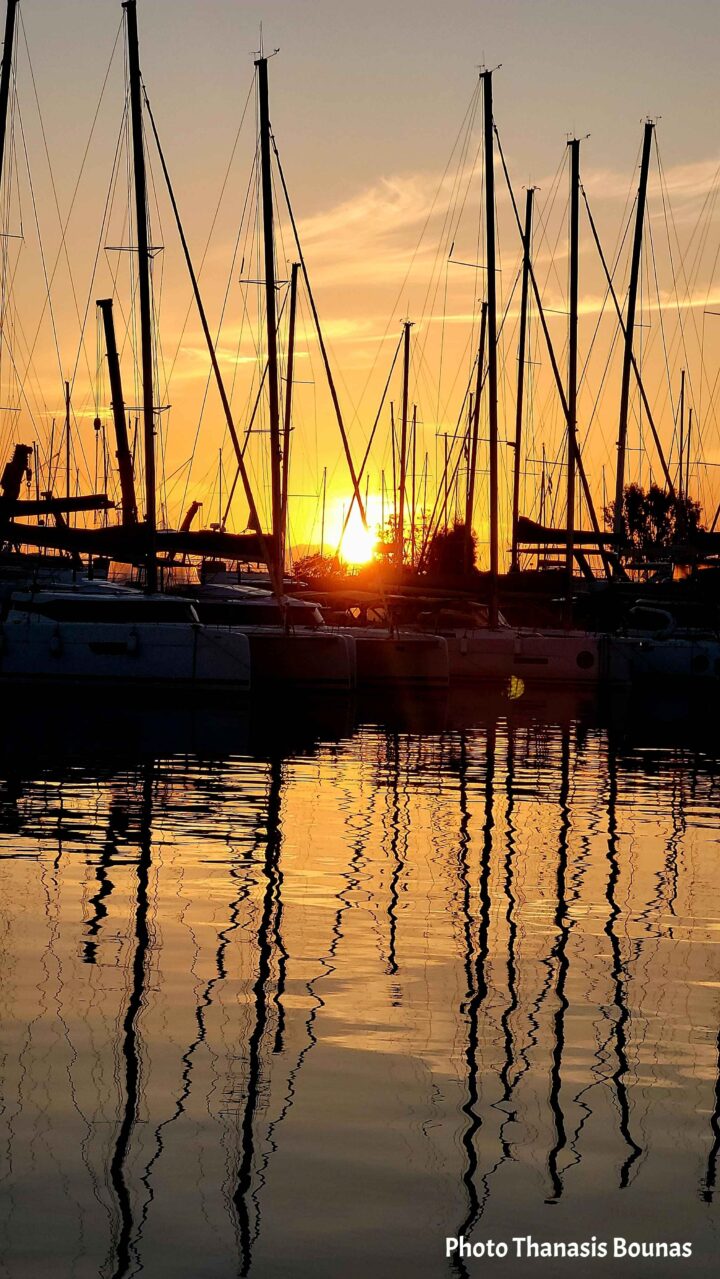
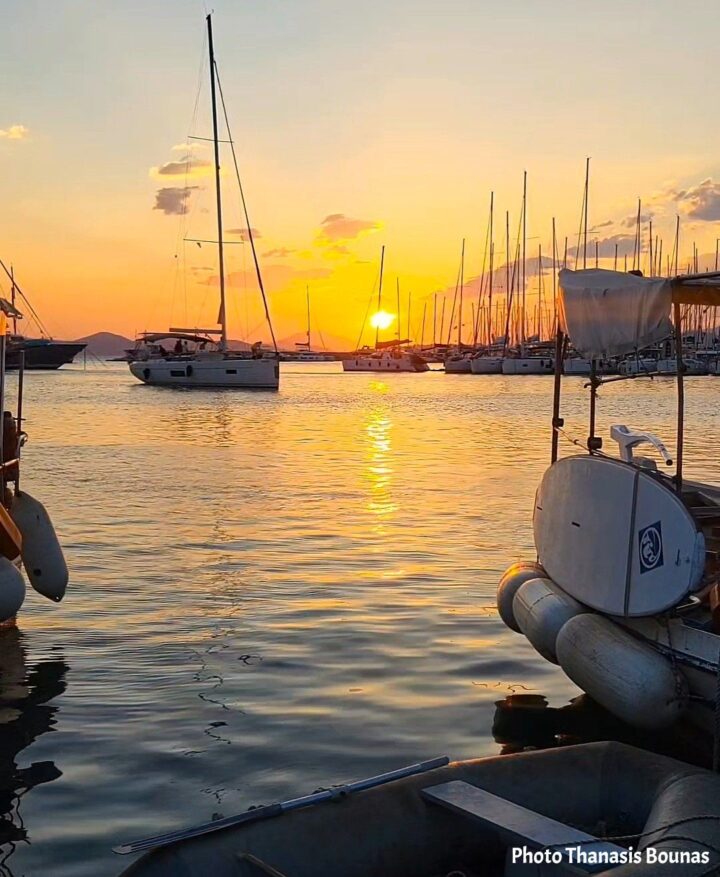
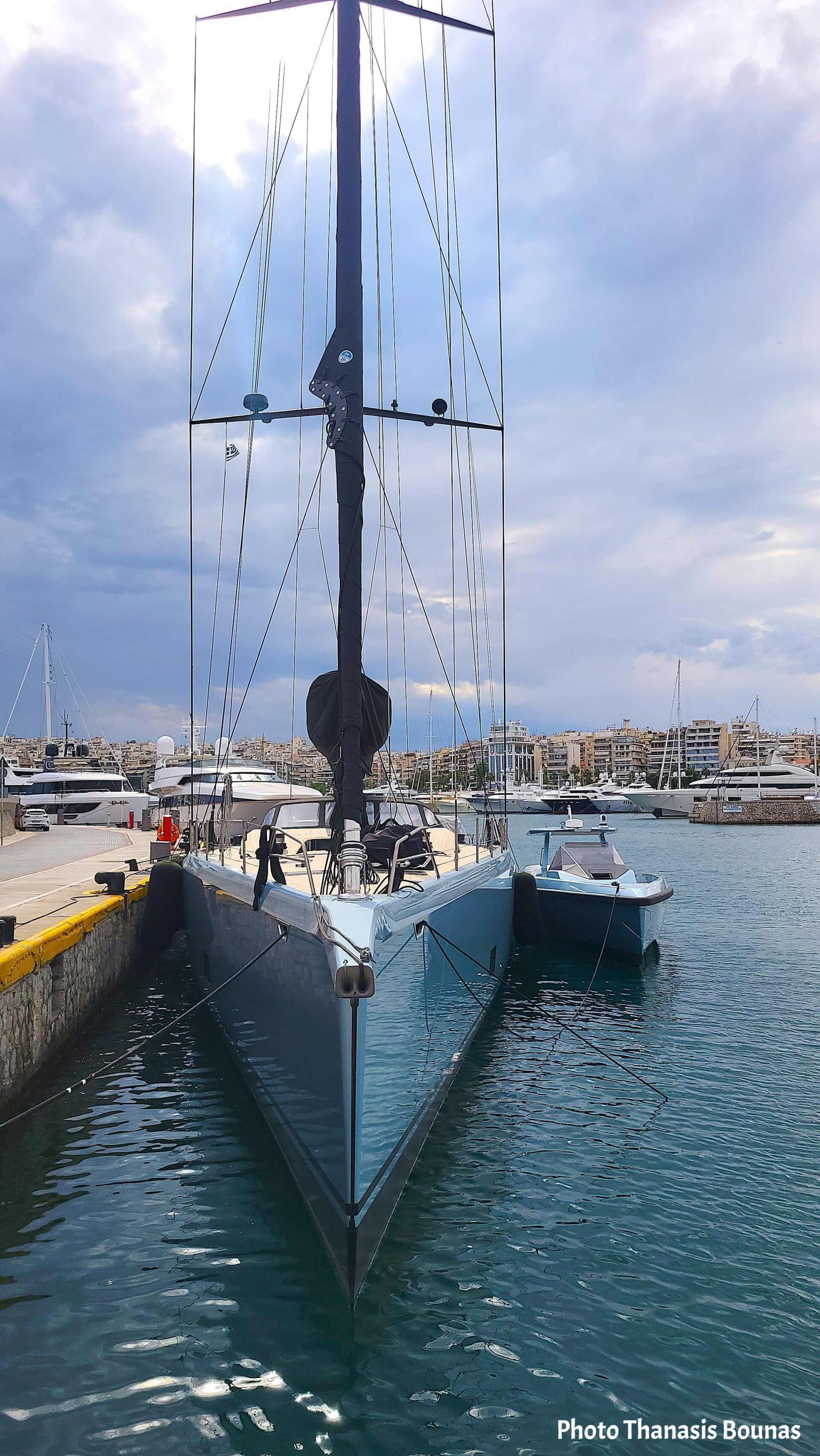
Standing in a marina today, looking at a sailboat resting calmly in the water, you are not just seeing a means of travel.
You are looking at a continuation of history.
From ancient times until today, the relationship between Greece and the sea has never been broken.
Ancient Roots of Sailing in Greece
The origins of sailing in Greece go back to ancient civilizations of the Aegean.
As early as 2000 BC, the Minoans and later the Mycenaeans developed advanced maritime skills, using sailing routes to connect islands and mainland territories.
During the Classical period (5th century BC), Athens became a major naval power, with fleets that shaped trade, communication, and military strength.
The sea was not a barrier.
It was a path.
And sailing was the way to move across it.
The Experience: Discovering Greece by Sea
Today, sailing in Greece offers something truly unique.
It is not just about moving from one place to another. It is about how you experience the journey.
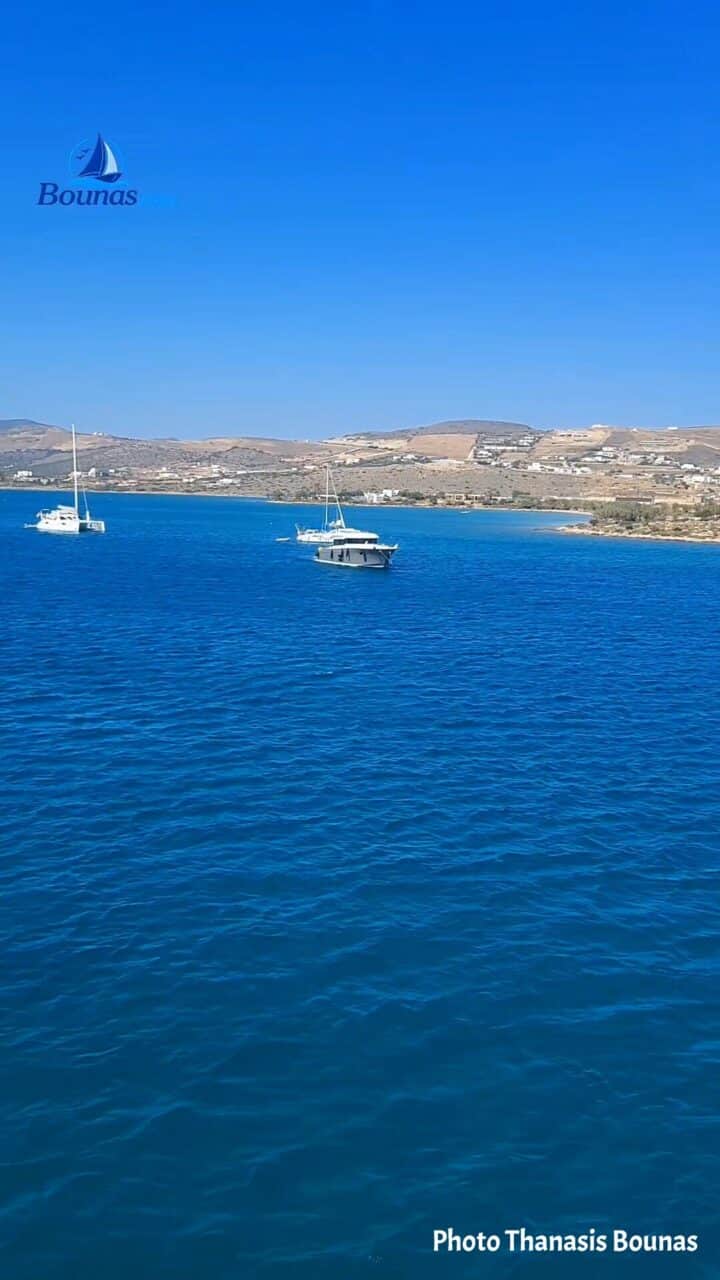
You wake up near the water. You travel with the wind. You stop in places that are often unreachable by land.
Hidden beaches, small ports, quiet islands—each stop feels different.
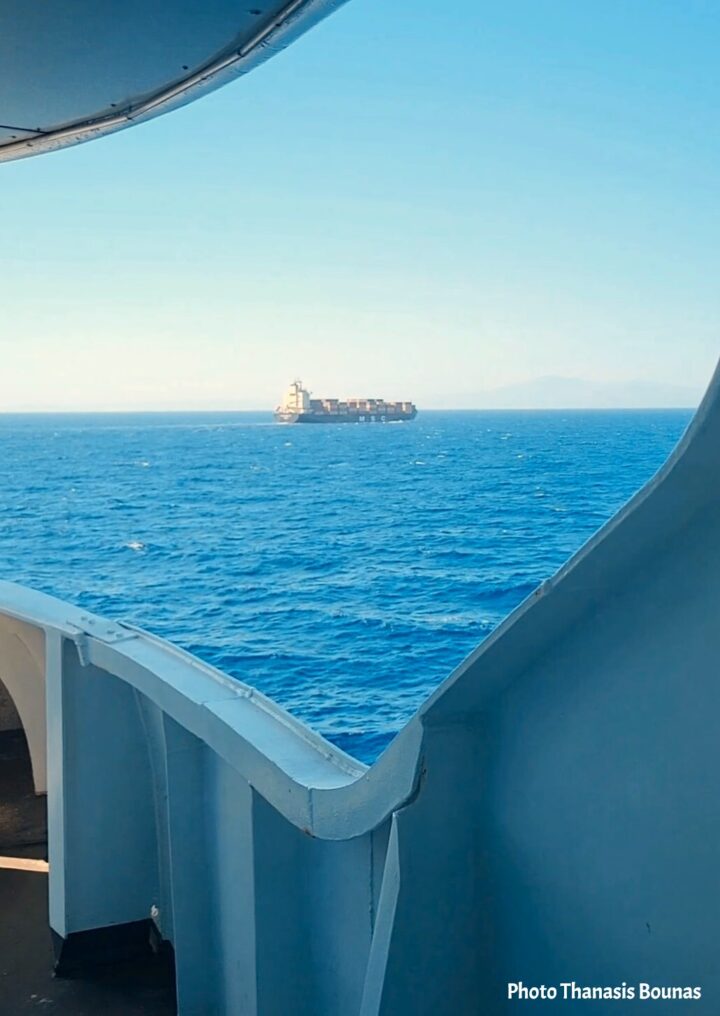
And in between, there is the open sea.
The space. The silence. The freedom.
It’s a different perspective of Greece—one that feels more natural, more real.
Why Sailing in Greece Is So Special
There are many beautiful countries in the world.
But Greece offers something rare.
The combination of history, geography, and light creates an environment that is ideal for sailing. The short distances between islands, the predictable winds, and the variety of landscapes make every journey unique.
From the Ionian Sea to the Cyclades and the Saronic Gulf, sailing in Greece is not just an activity.
It is one of the most authentic ways to experience the country.
And once you see Greece from the sea, you begin to understand it differently.