Harbor Closeness
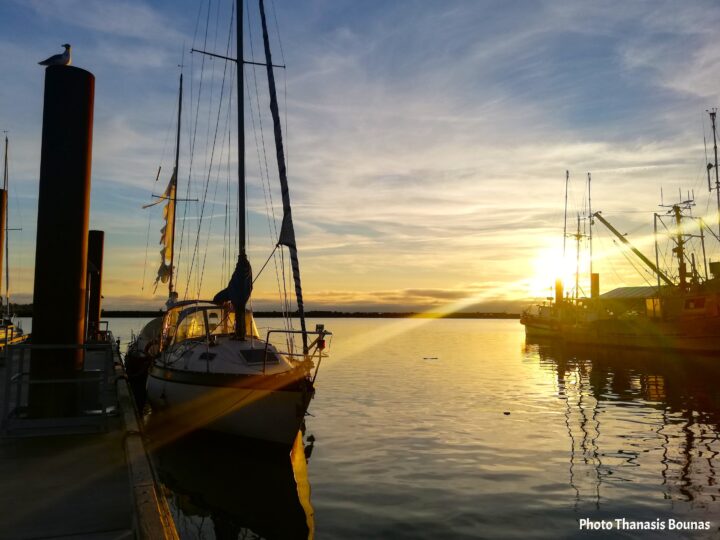
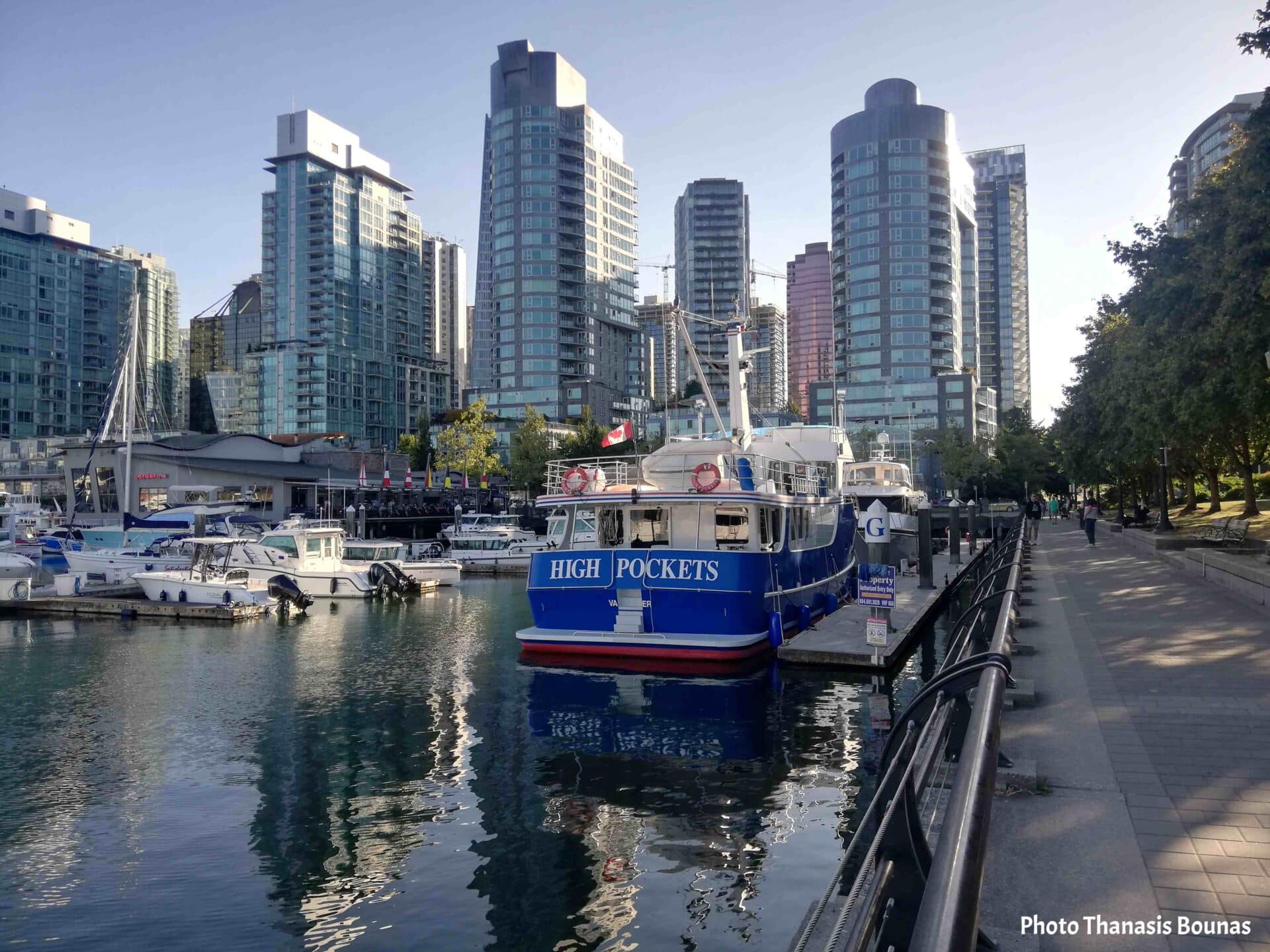
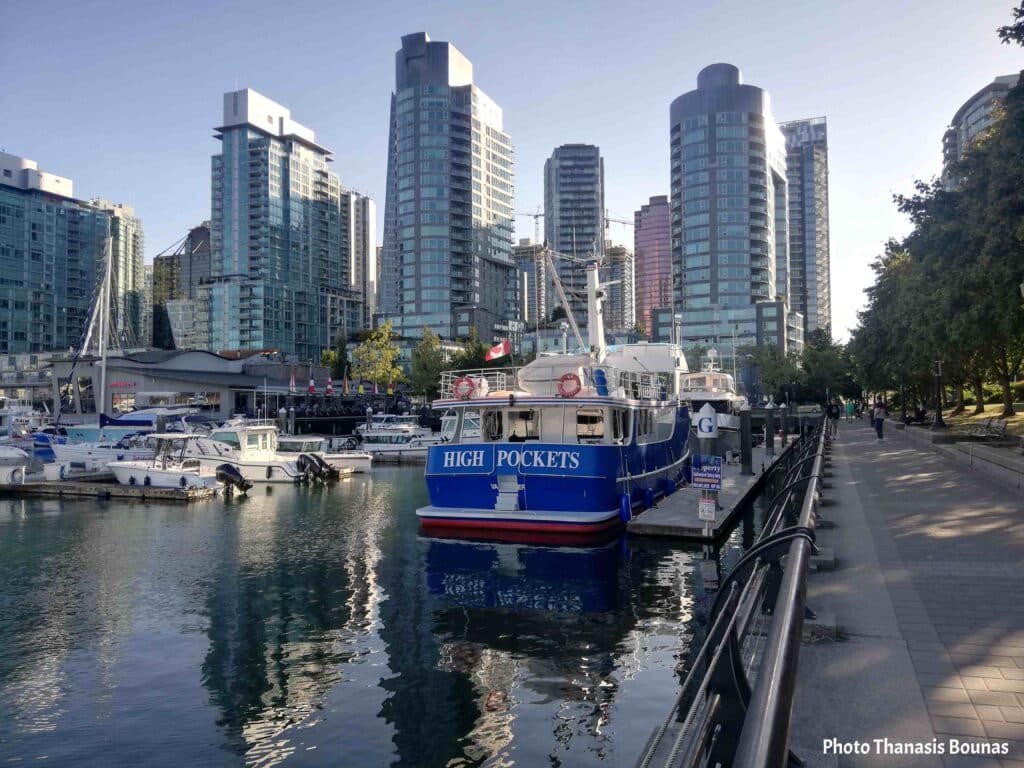
The boat rests against the pier
as if it belongs to the buildings behind it.
Glass rises from water.
Steel listens to tide.
Intimacy in sailing begins in these small distances.
Not far from land,
not fully at sea.
In psychology, intimacy is proximity without invasion.
The mind staying near
what surrounds it
without trying to control it.
Like a sailor who keeps the engine silent
and lets the harbor speak.
When Motion Pauses
Nothing here is moving fast.
Yet everything is in relation.
Sailing does not always mean departure.
Sometimes it means remaining.
Intimacy changes rhythm.
From voyage
to mooring,
from horizon
to reflection.
Psychologically, this is relational awareness.
A state where attention
does not seek distance
but recognizes connection.
As in sailing,
orientation comes
from balance,
not from speed.
The Marina as Inner Space
Water holds the city.
The city mirrors the boat.
Intimacy walks along the dock
as if crossing a quiet sentence.
Every reflection becomes
a form of contact.
Not between bodies,
but between presence and place.
In the psychology of the journey,
intimacy softens movement.
It prevents sailing
from becoming escape.
It turns anchorage into dialogue
and direction into listening.
The harbor becomes
an emotional basin.
And the traveler
a careful observer.
Intimacy as Seamanship
This place does not ask for travel.
It offers relation.
Intimacy becomes
a way of navigating
without leaving.
Not toward distance,
but toward awareness.
A journey without intimacy
is route.
Sailing without intimacy
is technique.
I return to this way of seeing
when thinking again about
Curiosity in Travel Where Buildings Learn to Sail,
where attention first learned
to move
without breaking contact.