Where the Waterfront Begins
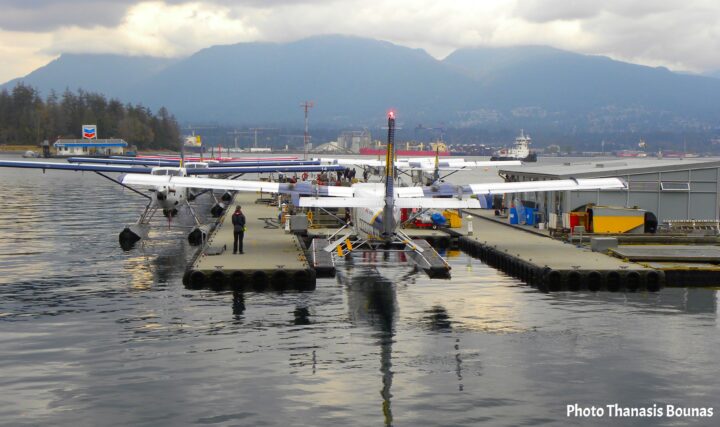
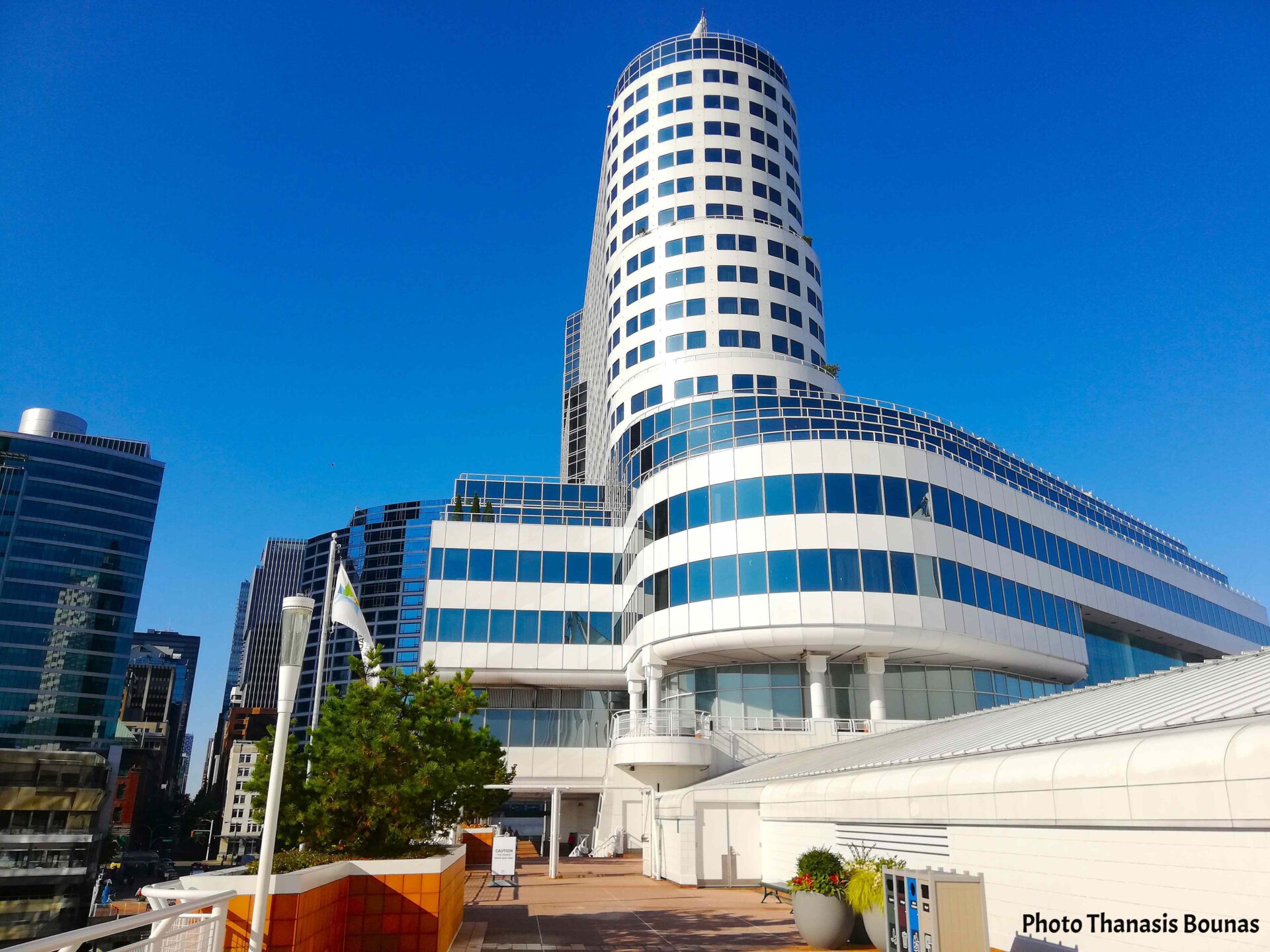
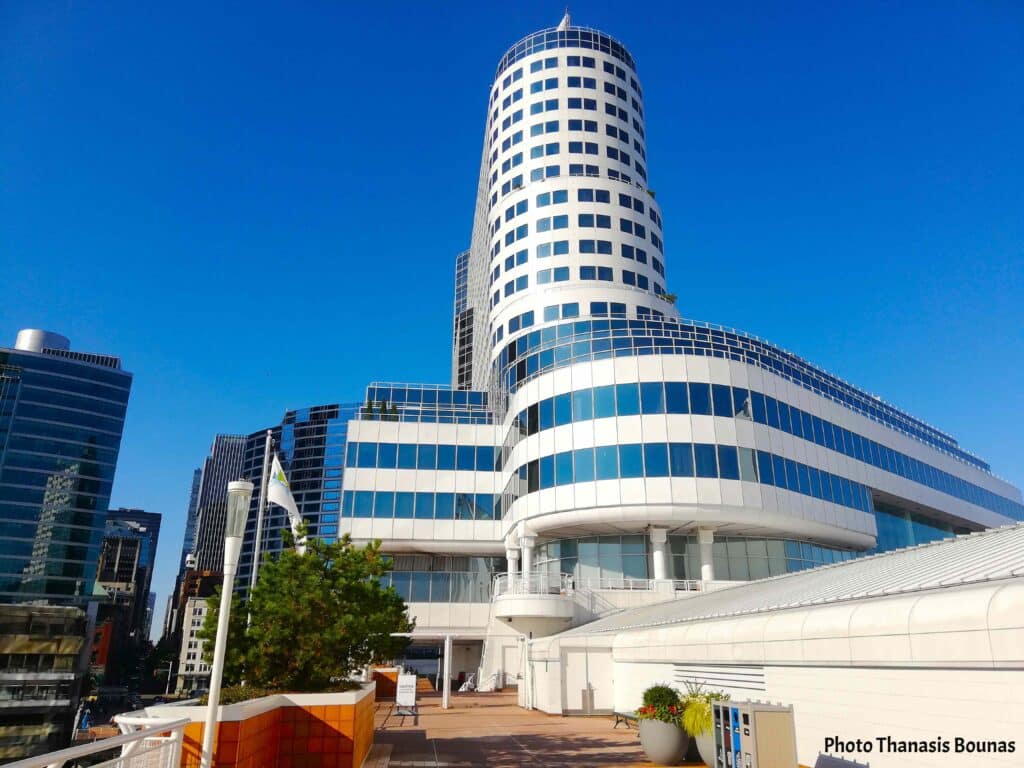
At Canada Place in Vancouver, the city opens toward the water.
The structure rises with clean lines and curved forms, standing at the edge of Burrard Inlet. From here, the skyline does not feel closed — it extends outward.
This is not just a point on the map.
It is where the city breathes.
A Site with a Different Past
Before Canada Place existed, this waterfront area was part of Vancouver’s working harbor.
Rail lines, cargo activity, and maritime trade once defined the space. It was built for movement and industry — not for people to walk or pause.
Over time, the city chose a different direction.
The waterfront was redesigned to become open, accessible, and connected to everyday life.
Created for a Turning Point
Canada Place was built for Expo 86, an international event that marked a major moment in Vancouver’s development.
What began as a temporary structure quickly became permanent.
It represented a shift:
From industrial use
to global visibility
to urban identity
Architecture That Reflects Its Setting
The design of Canada Place is closely tied to its location.
Its forms respond to the water, the light, and the open horizon. Curved surfaces and layered volumes create a sense of movement without needing decoration.
From different angles, the building feels different.
Sometimes symbolic.
Sometimes minimal.
Sometimes almost abstract.
Connecting Land and Water
Canada Place is not isolated.
It connects key parts of the city:
- Downtown Vancouver
- The waterfront promenade
- The open view toward the Pacific
People pass through, stop briefly, or continue walking along the harbor.
Movement here feels natural — not directed.
A Space That Keeps Its Meaning
Cities change, and buildings often lose their original purpose.
But Canada Place continues to function as a central point of activity, connection, and arrival.
It is not defined by one role.
It adapts with the city around it.
What Stays Constant
The structure may evolve, the skyline may grow, but the feeling remains.
Standing here, you notice something simple:
The city does not end at the water.
It begins again.