A Village Facing the Sea
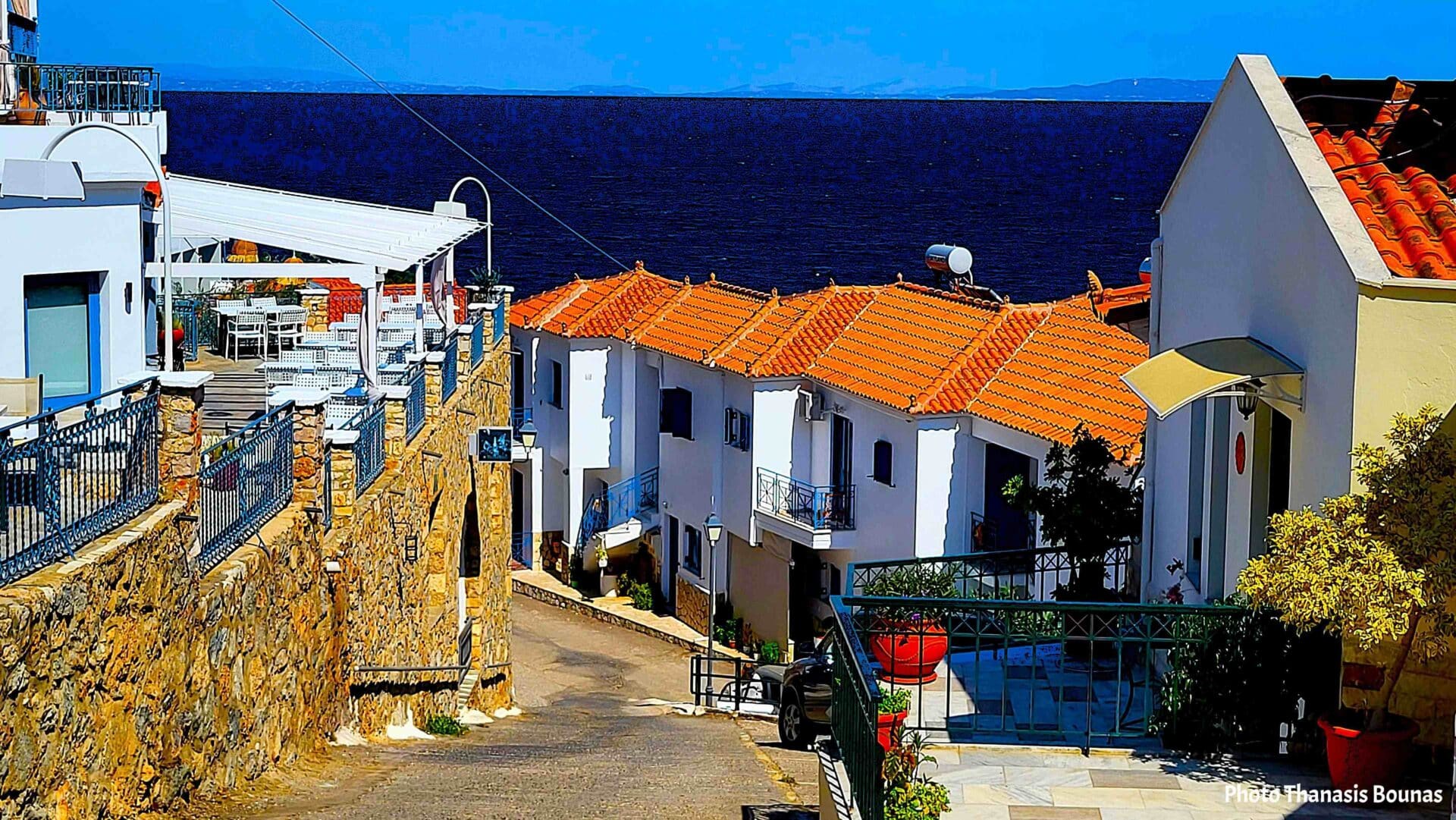
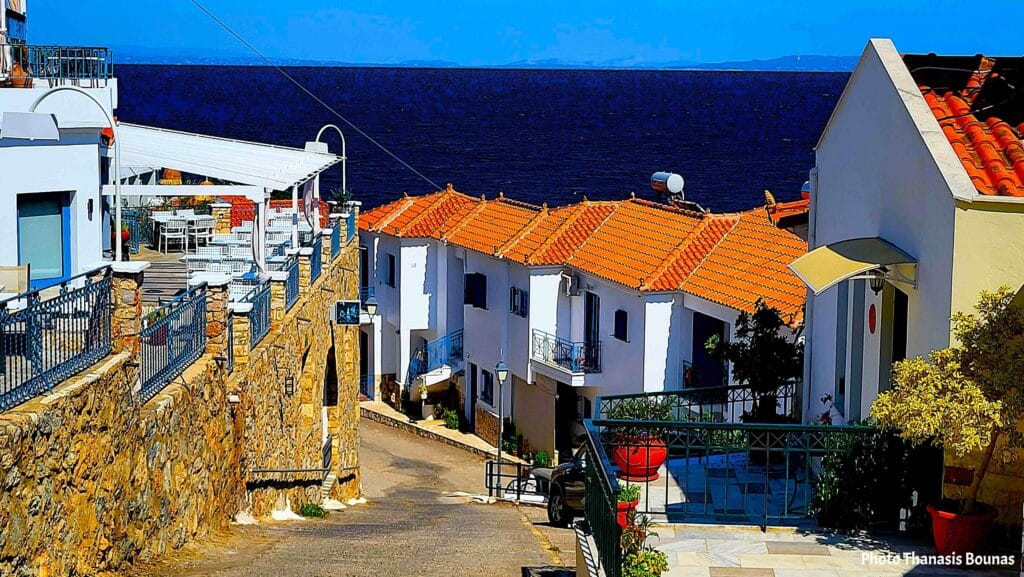
In Tyros, Peloponnese, the village unfolds gradually toward the coastline.
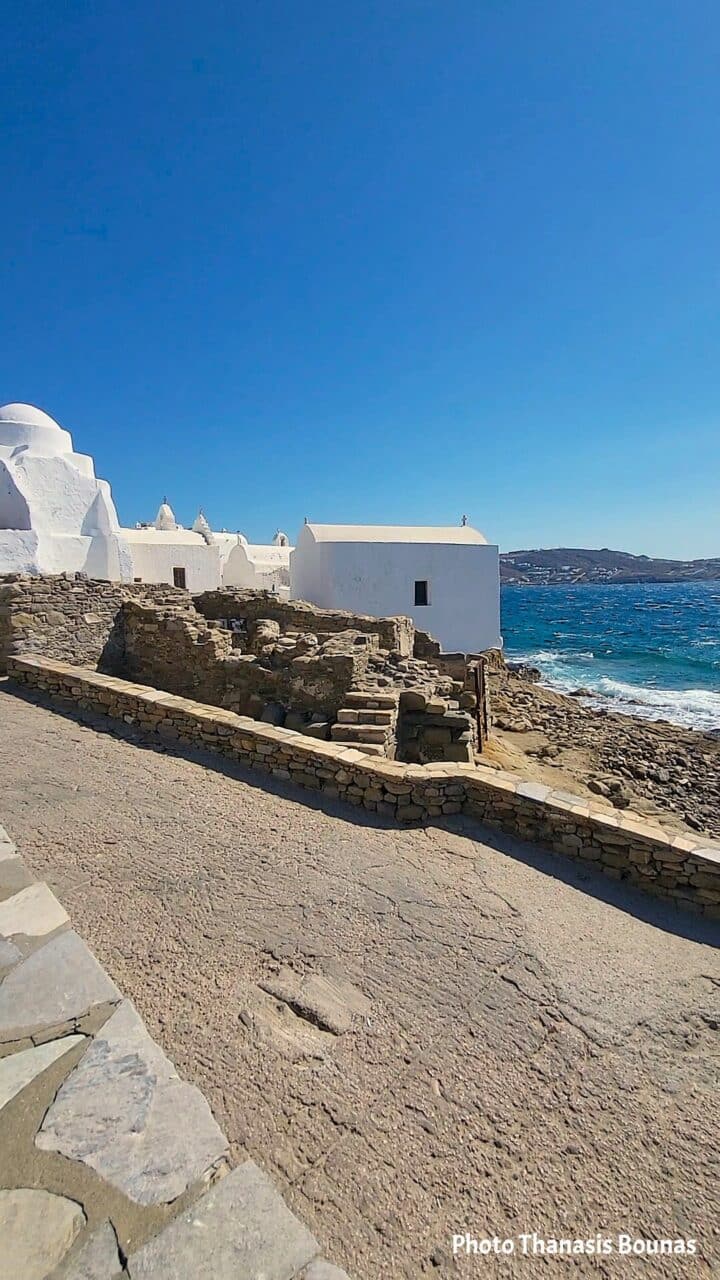
Narrow streets descend between white houses.
Terracotta roofs reflect the sun.
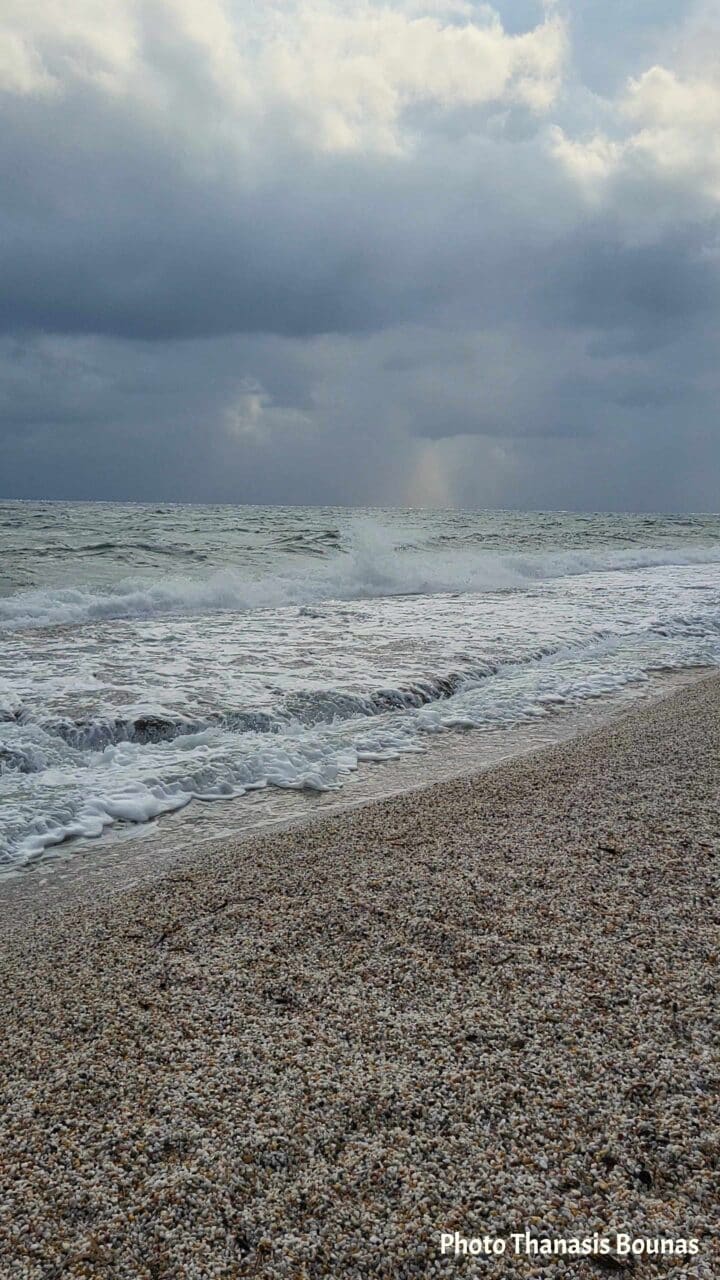
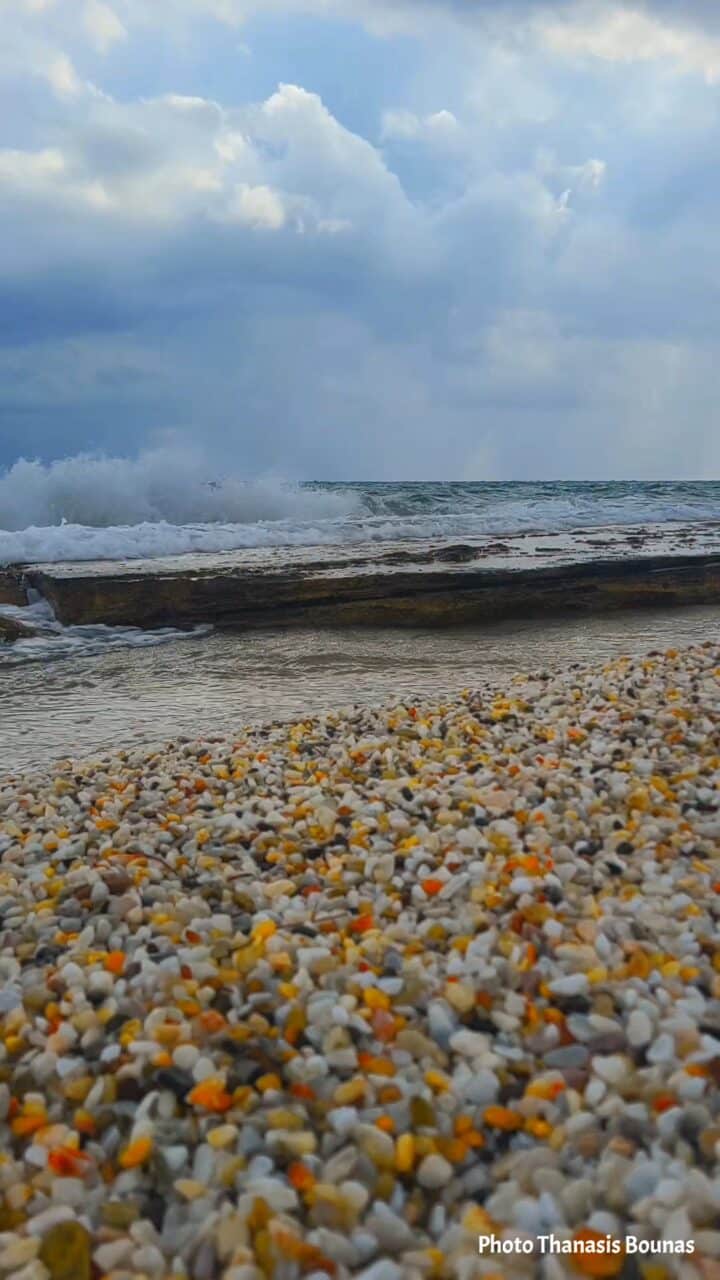
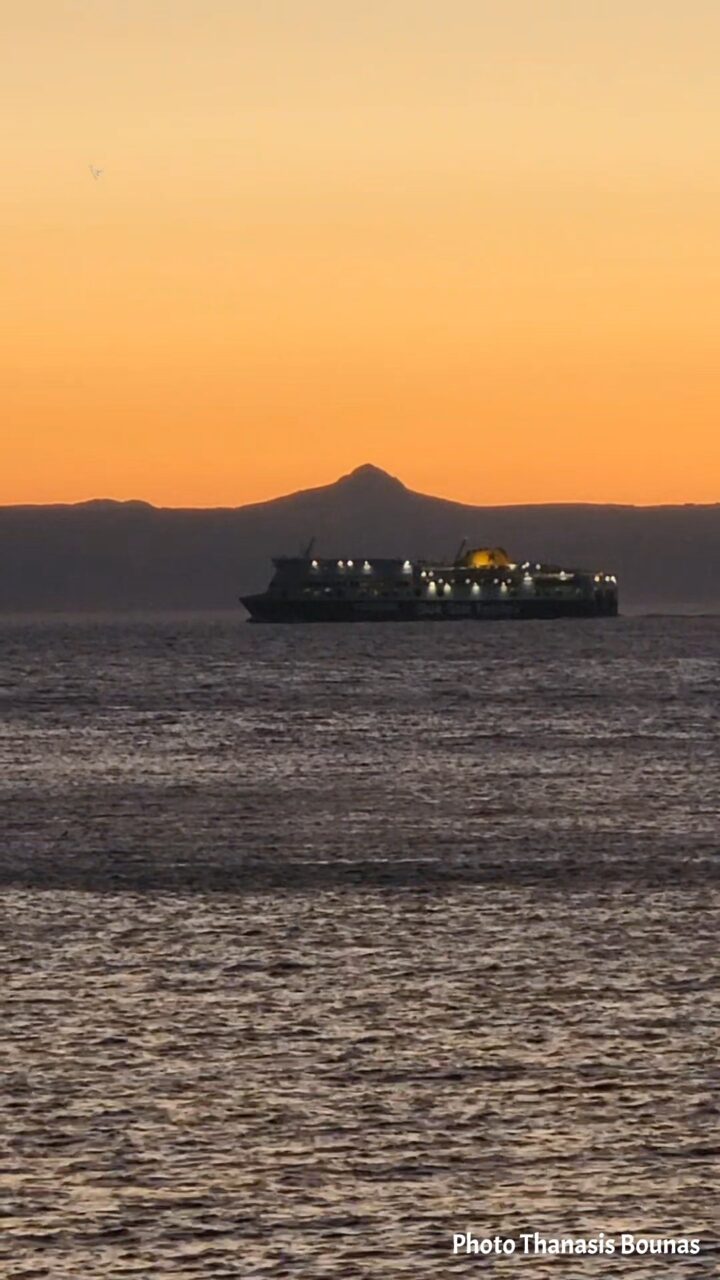
Beyond them, the sea remains constant.
The setting feels simple, but its roots go far deeper.
Origins in the Mountains
Tyros was not always a coastal settlement.
The original village developed higher in the mountains, where communities were safer from raids during earlier centuries.
These inland settlements allowed residents to protect themselves while maintaining distance from the exposed shoreline.
Over time, life began to shift downward.
A Move Toward the Coast
As conditions became more stable, people gradually moved closer to the sea.
Fishing, trade, and easier access to transportation reshaped daily life.
The modern coastal Tyros emerged from this transition.
What was once a defensive position
became an open one.
A Region of Continuous Presence
The wider area of eastern Peloponnese has been inhabited since ancient times.
Nearby regions were connected to early Greek settlements and later influenced by Roman and Byzantine periods.
Rather than a single defining era, Tyros reflects continuity.
History here is not concentrated in ruins.
It is embedded in the structure of the village itself.
Architecture That Follows the Land
The layout of Tyros reflects adaptation rather than design.
Homes follow the slope.
Paths adjust to elevation.
Stone and white surfaces respond to climate.
Nothing is forced.
Everything aligns with the terrain.
What Remains Today
Walking through the village, the past is not distant.
It appears in small details:
The arrangement of streets.
The thickness of walls.
The position of homes above the sea.
Tyros does not present history as a single story.
It reveals it gradually —
through movement, through space, through time.