The Boat That Waits in Light
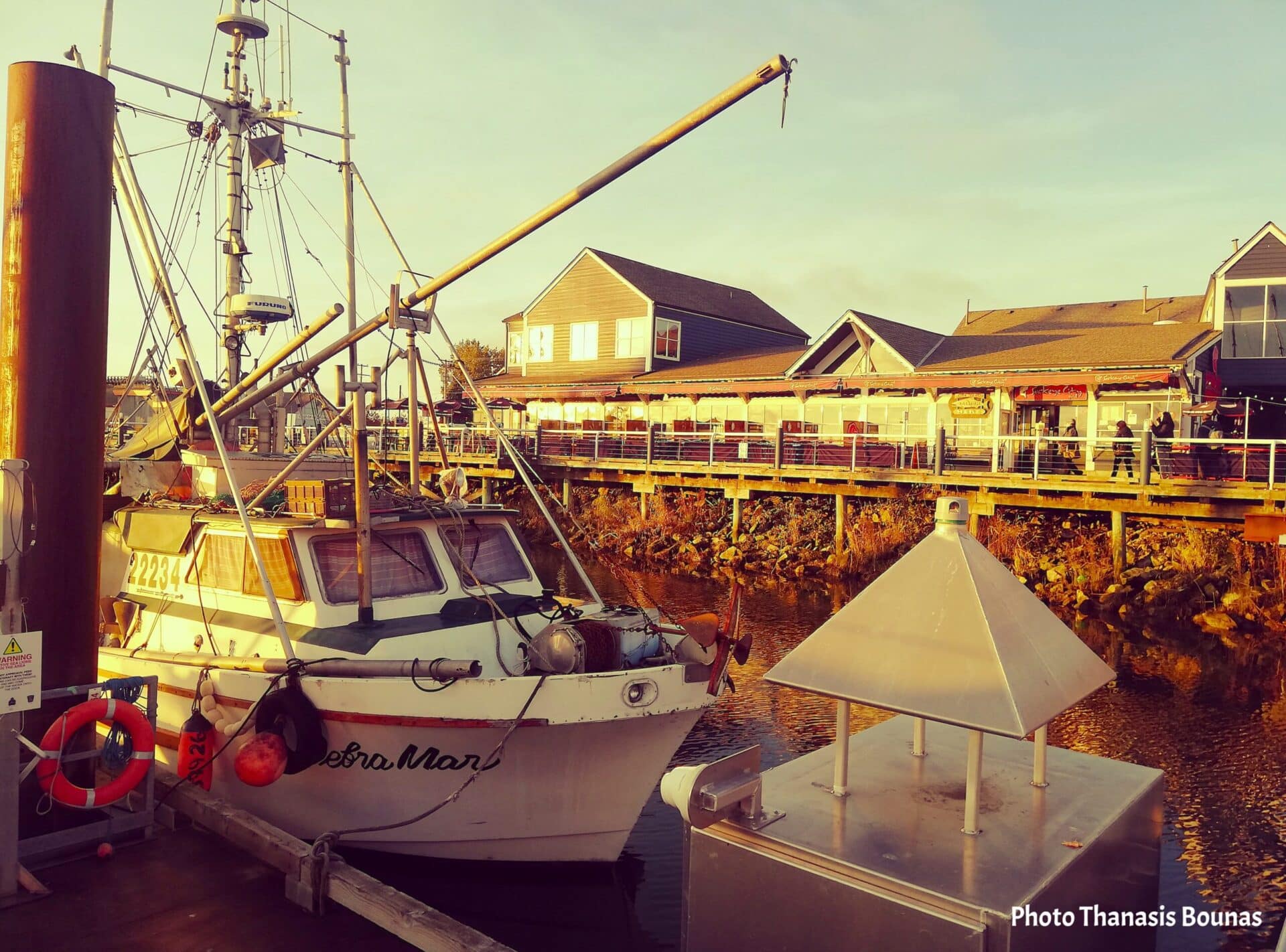
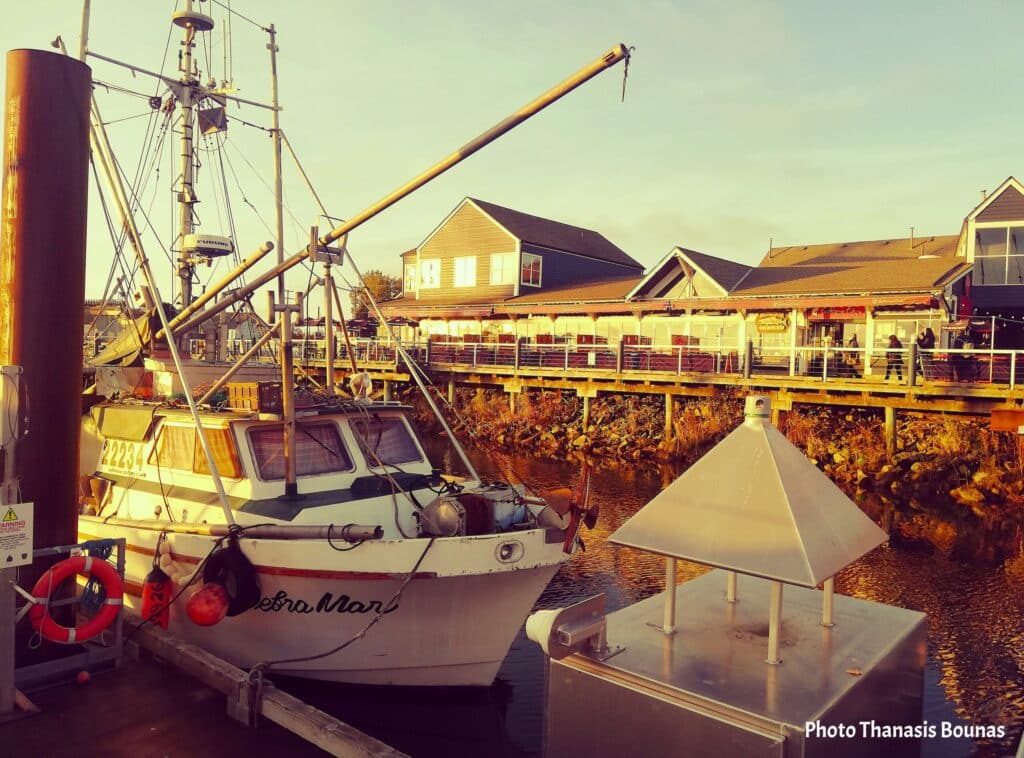
The boat is tied gently to the dock.
Its name rests quietly on the hull. The water below reflects gold. Buildings behind glow in the last warmth of the day.
Nothing dramatic is happening.
And yet, something is beginning.
Hope in Sailing is rarely found far from shore. It is found here — at the dock — where departure remains possible.
The boat does not move.
But it is ready.
The Psychology of Readiness
Hope is not fantasy.
It is preparedness.
Psychologically, hope is a forward orientation of the mind. A subtle alignment toward possibility. Even when nothing has yet changed.
In Sailing, readiness is visible. Lines secured. Equipment checked. Hull steady. The sailor knows the sea cannot be controlled. Only met.
Travel teaches the same lesson.
You cannot predict every outcome. But you can prepare your response.
In Sailing and Direction,
we explored how clarity shapes movement. Hope gives that direction emotional depth.
It is the belief that moving again is worthwhile.
Golden Water, Uncertain Tides
The water looks calm.
But tides shift invisibly.
Hope exists in that unseen movement.
Psychologically, it functions as resilience. Not blind optimism. But the capacity to remain open after disappointment. To re-engage after uncertainty.
In Sailing, storms pass. Repairs are made. Routes are recalculated.
The dock is not an ending.
It is recalibration.
Travel reshapes identity. Sailing reshapes patience.
Hope sustains both.
Leaving Again
The boat will untie soon.
Not urgently. Not recklessly.
Intentionally.
The harbor will release it. The open water will receive it.
Hope is this quiet cycle.
Tie. Repair. Reflect. Depart.
In the inner landscape of a sailor, hope is steady because it understands rhythm. Movement is natural. Return is natural. Departure is natural.
And somewhere in the reflection of gold light against hull and tide, you understand:
Hope is not the horizon.
It is the willingness to leave it again.