The Boat That Is Not Neglected
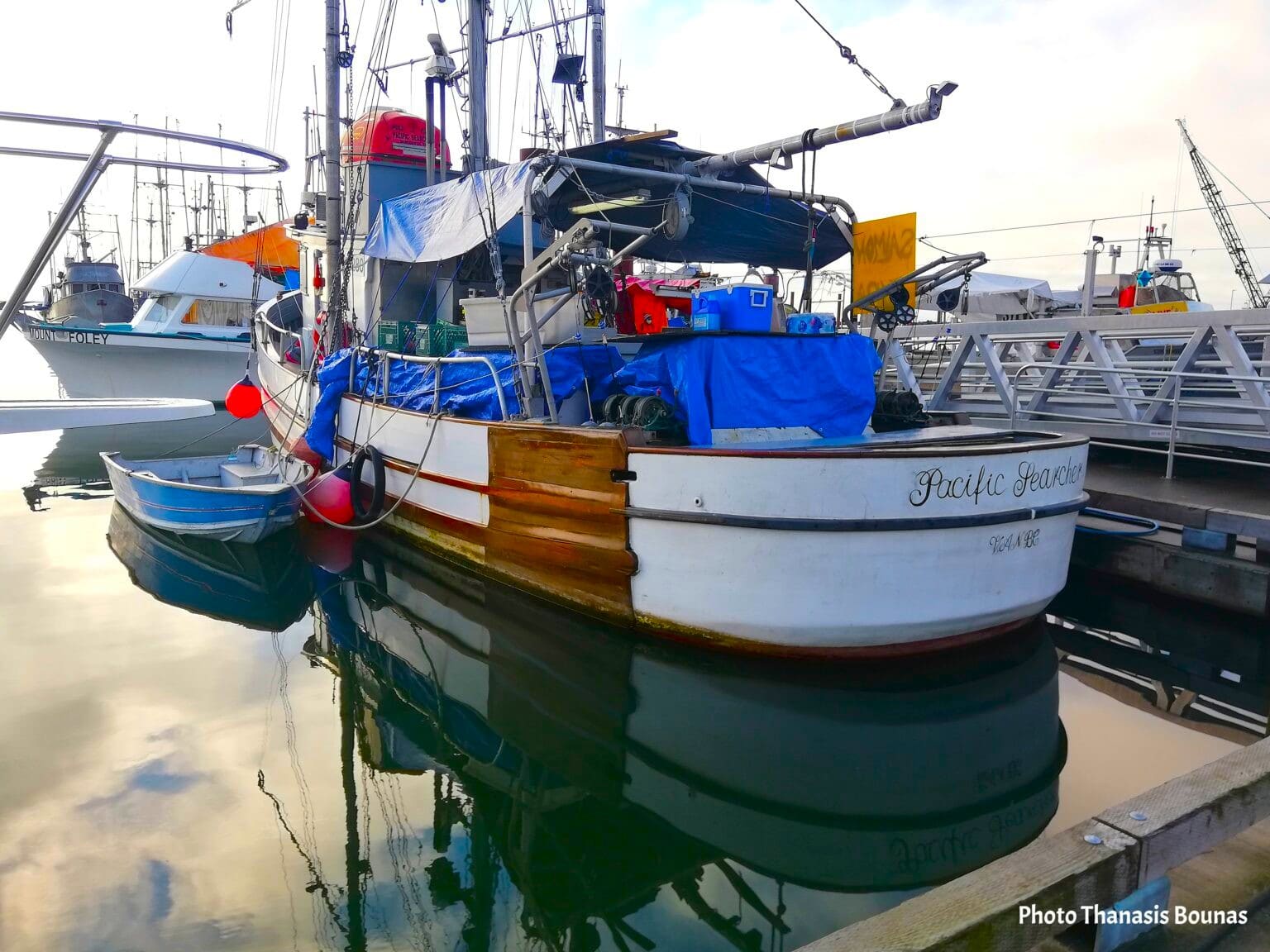
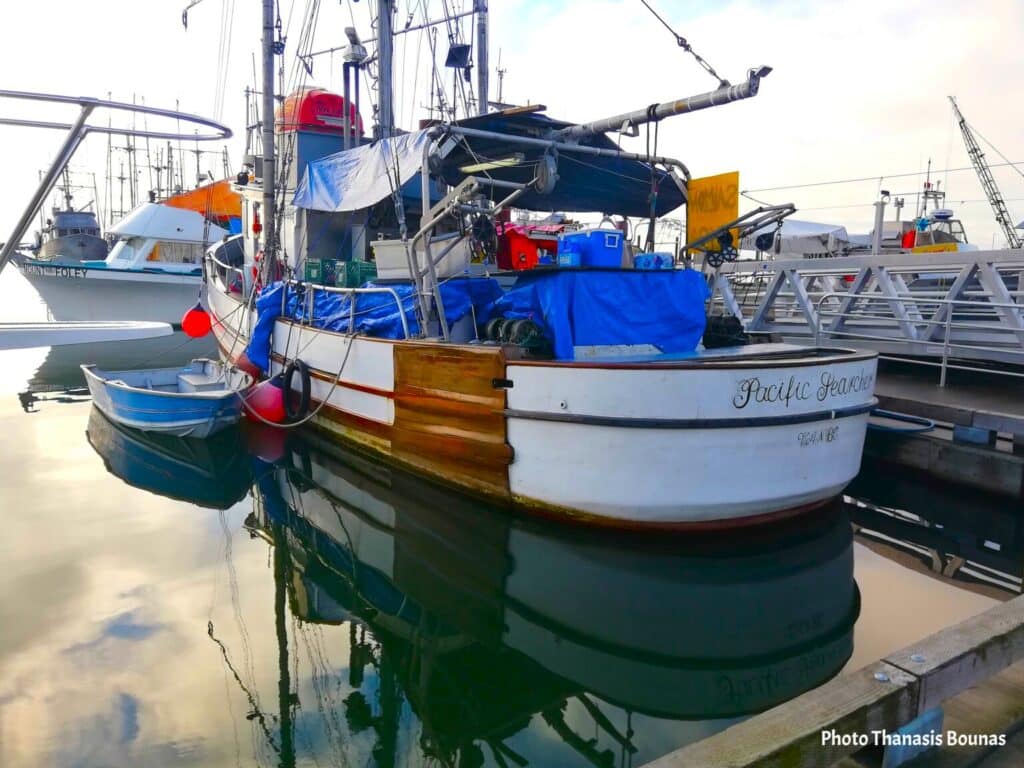
The boat rests quietly at the marina.
Blue covers protect exposed surfaces. Lines are secured. Equipment is arranged with intention. Nothing appears accidental.
Care is visible here.
Not decorative. Functional.
In Sailing, neglect is revealed quickly. Water finds weakness. Wind exposes carelessness.
The vessel survives because someone tends to it.
The Psychology of Stewardship
Care is stewardship.
Psychologically, stewardship builds agency. When you care for something, you become accountable for its future.
Travel expands the self.
Sailing refines it.
You cannot blame the sea for what you failed to prepare.
You check the hull. You inspect the lines. You monitor the weather. This vigilance is not anxiety. It is mature attention.
In Sailing and Quiet Revelation,
we explored awareness before departure. Care deepens that awareness into responsibility.
Without responsibility, freedom becomes fragility.
Reflection in Still Water
Look at the reflection.
The hull appears twice — above and below.
Care also works this way.
Outer maintenance reflects inner order.
Psychologically, when you care for your vessel, you strengthen internal stability. Discipline becomes calming. Routine reduces cognitive overload. Structure lowers stress.
Sailing is not only movement.
It is preservation.
You prepare not for today’s calm water, but for tomorrow’s wind.
The Quiet Ethics of the Journey
The boat does not demand attention.
It asks for maintenance.
Care in Sailing is ethical. It respects the sea. It respects passengers. It respects distance.
Travel without care leads to burnout. Sailing without care leads to breakdown.
Responsibility protects possibility.
And somewhere between wood grain and waterline, you understand:
Care is not restriction.
It is the condition that allows you to sail again.