The Rope Before It Loosens
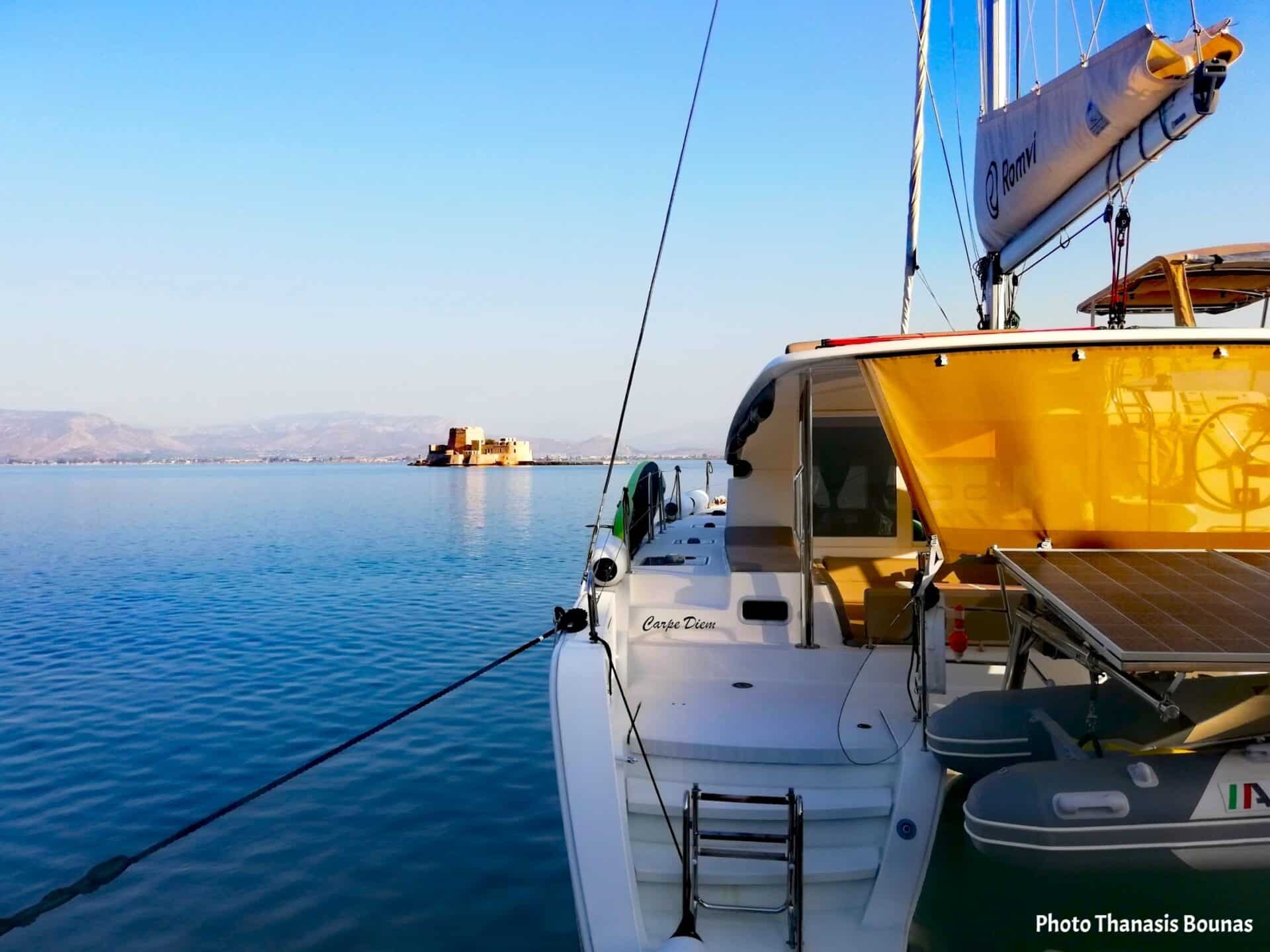
The boat is still tied.
Water barely moves.
The horizon is clear.
A fortress rests in the distance.
Everything feels calm.
This is where departure hides.
Not in motion.
In decision.
The Psychology of Untying
Departure in sailing is rarely dramatic.
It begins with small gestures.
A rope loosened.
A glance at the wind.
A quiet confirmation between crew.
Psychologically, this is confrontation.
You leave protection.
You step away from the known rhythm of the dock.
Security is visible.
Uncertainty is wide and blue.
Between Shelter and Exposure
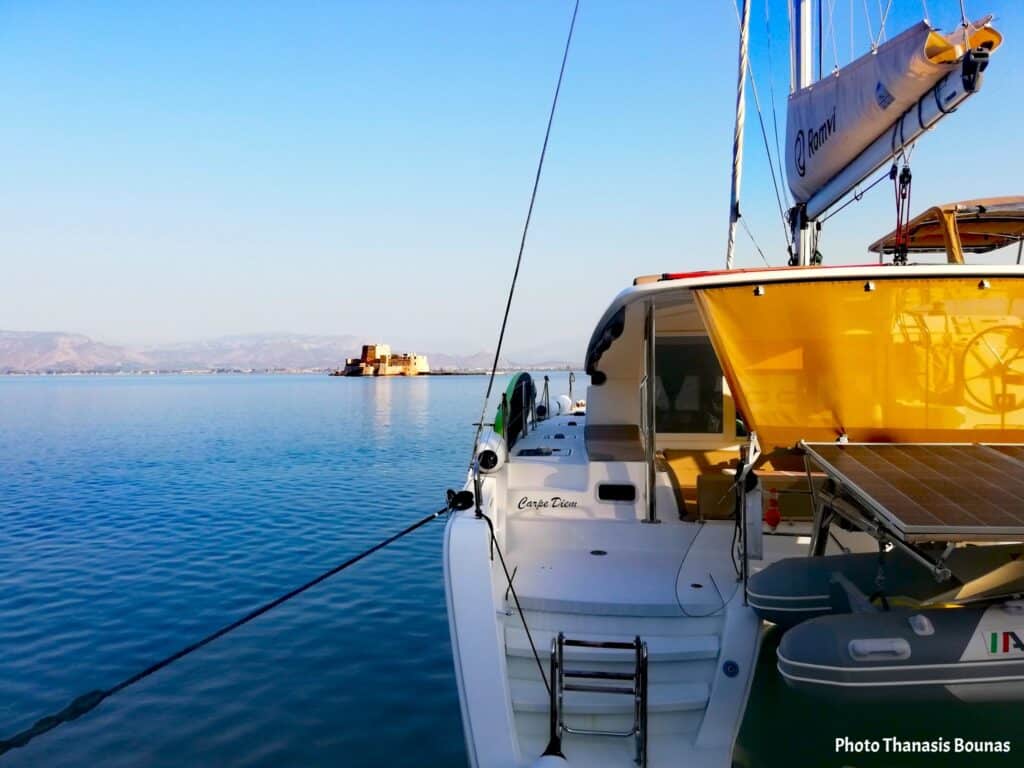
Look at the photograph.
The stern faces open water.
The island fort stands grounded.
The boat floats between both worlds.
This is the tension of departure.
Part of you longs for distance.
Part of you measures risk.
I once reflected on Departure as a Psychological Crossing from Light into the Unknown.
Here, that crossing is practical.
Lines cast off.
Engine engaged.
Silence thickening.
The Inner Cast-Off
In sailing, departure reshapes the mind.
Control becomes negotiation.
Plans become adaptation.
You cannot command the sea.
You collaborate with it.
Travel by water teaches exposure.
You feel smaller.
You feel clearer.
Departure is not escape.
It is consent.
Consent to uncertainty.
Consent to growth.
Consent to transformation.
The rope falls into the boat.
The dock slowly drifts away.
And somewhere between safety and horizon,
you realize that departure is not the first mile.
It is the first surrender.