
Warm Dough, Quiet Light
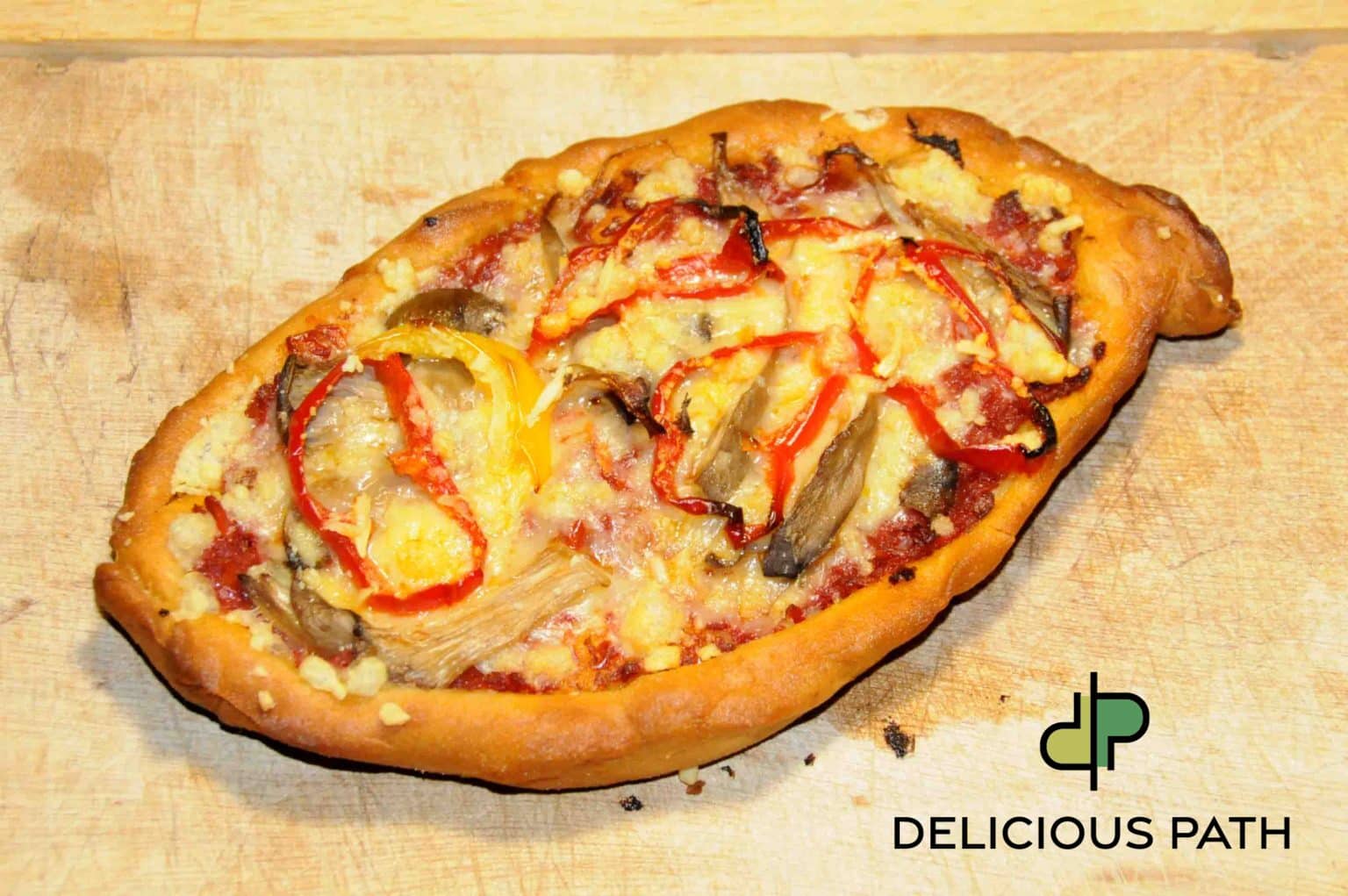
A peinirli rests on a wooden surface.
Its crust is golden.
Peppers curve softly over melted cheese.
Mushrooms hold their earthiness inside warmth.
Nothing extravagant.
Nothing styled.
Just food, ready.
Joy often begins like this.
Not with celebration — but with readiness.
In travel, the most memorable meals are rarely planned.
They arrive when the body is tired and the mind is open.
The Psychology of Simple Pleasure
Psychologically, joy is embodied.
It is sensory.
It is grounded.
Warm bread slows breathing.
Melted cheese softens thought.
Color awakens appetite.
In sailing, after hours of wind and salt, hunger feels honest.
Not emotional.
Not performative.
Food then becomes regulation.
It stabilizes mood.
It restores clarity.
It reminds you that you are alive inside a body, not just a destination.
Eating Between Horizons
This small dish carries more than flavor.
It carries pause.
Between departure and arrival, there is always a table.
Even if that table is the deck of a boat or a quiet harbor café.
As reflected in From Net to Table: The Seafood Heart of Fisherman’s Wharf, nourishment at the water’s edge carries a particular intimacy.
Sea air sharpens taste.
Movement deepens gratitude.
Joy, in that moment, is not excitement.
It is sufficiency.
A Joy That Does Not Shout
The crust does not compete.
The ingredients do not overwhelm.
Balance creates delight.
In travel psychology, joy appears when expectation relaxes.
When we stop chasing peak experiences.
When we allow warmth to be enough.
Sailing teaches this rhythm well.
Wind.
Effort.
Stillness.
Food.
And somewhere between salt and sunlight, joy settles quietly.
Not dramatic.
Not loud.
Just real.