Where Light Meets the City
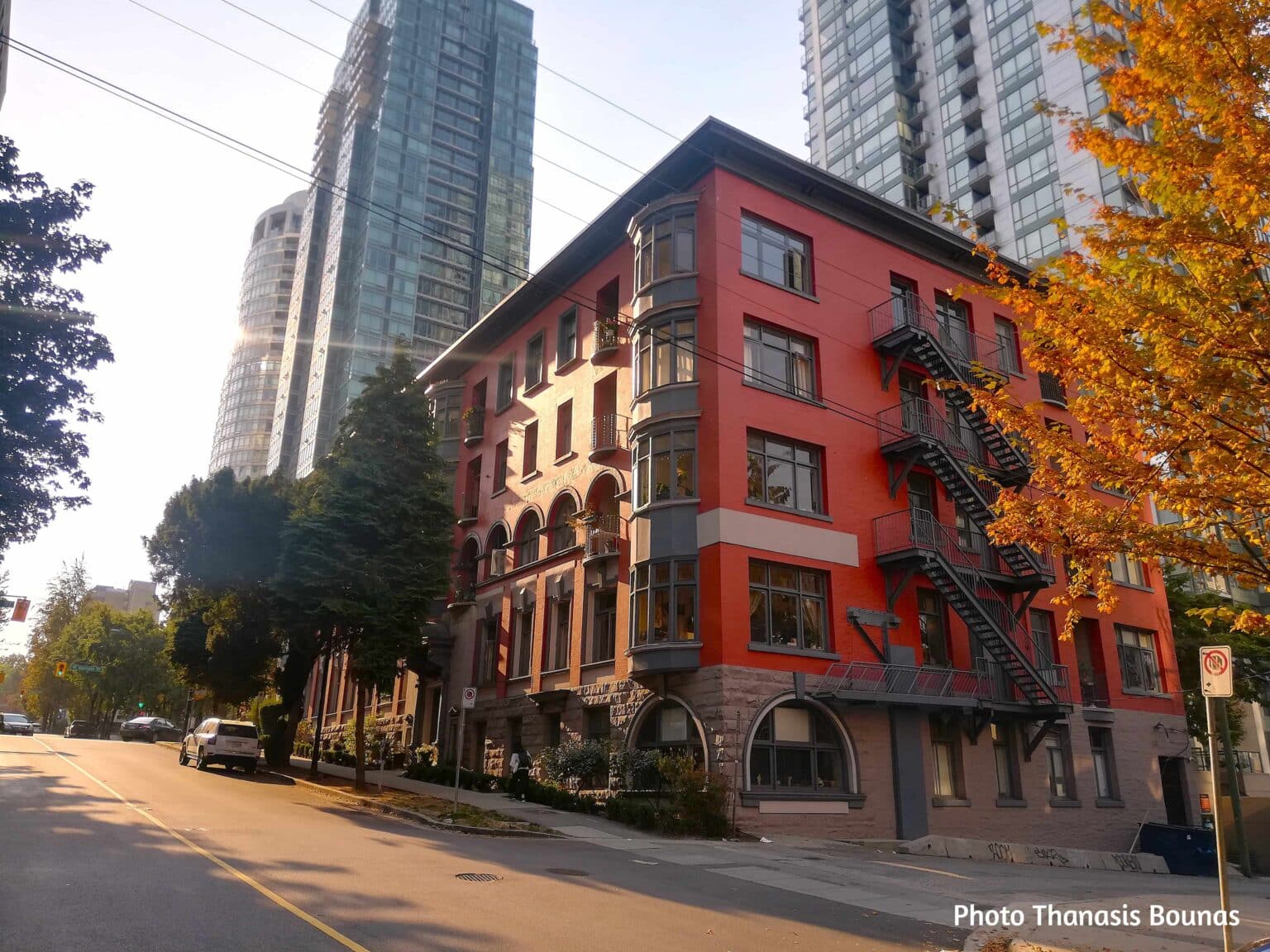
Morning light falls gently across the street.
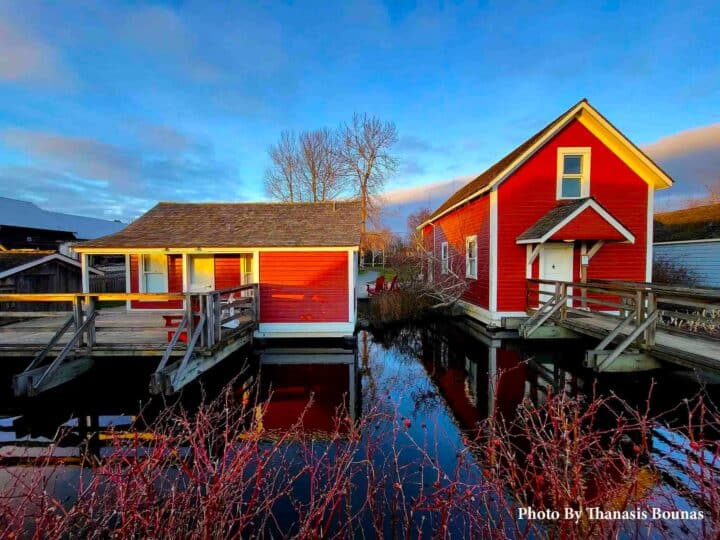
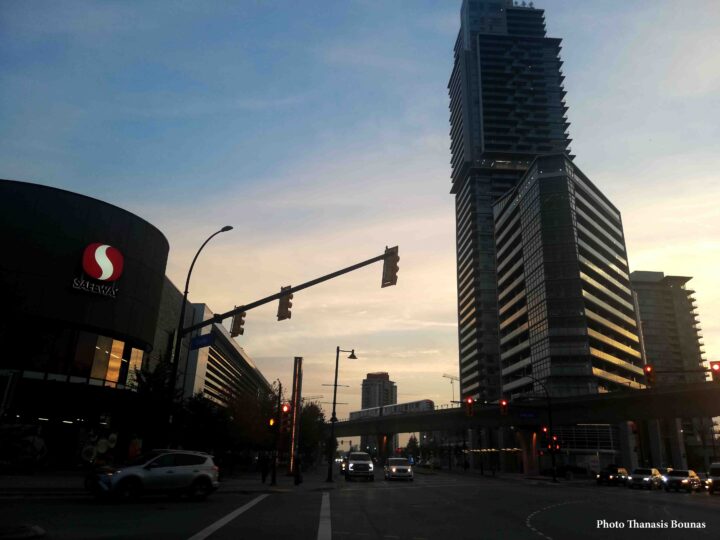
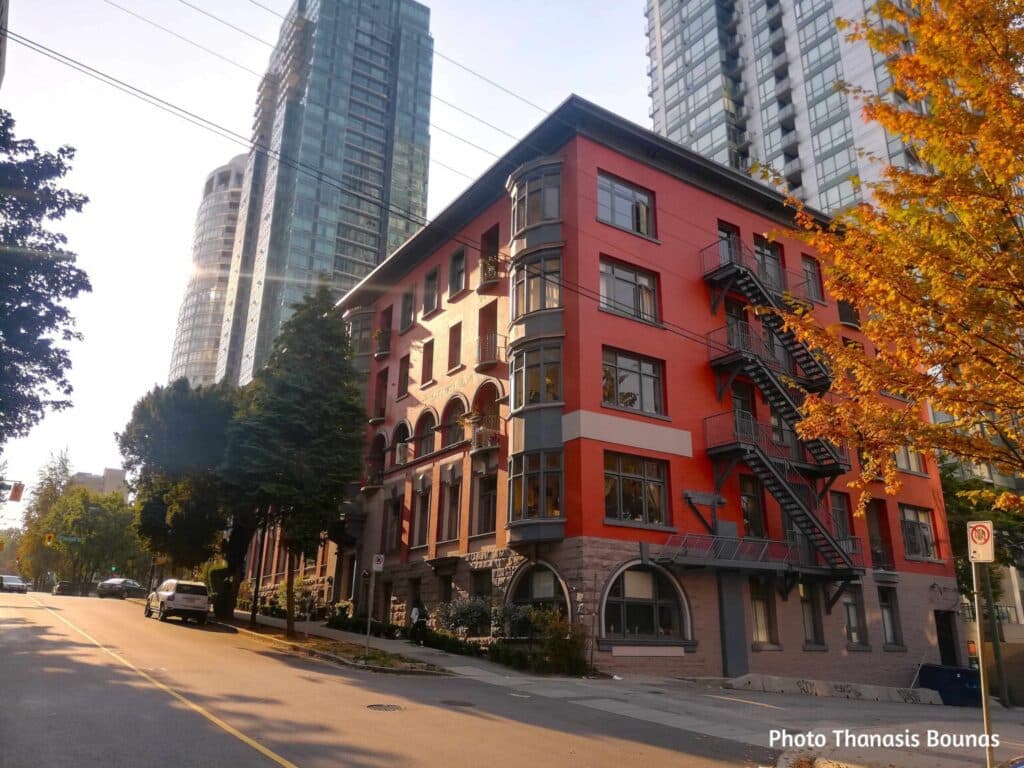
In Vancouver, an older building reflects warmth, while glass towers rise behind it, catching the same light in a different way.
There is no contrast here that feels forced.
Only coexistence.
And in that moment, joy appears — quietly, without effort.
The Psychology of Joy in Travel
Joy in travel is not always found in grand experiences.
It often exists in small, unnoticed moments. A change of light, a familiar shape in an unfamiliar place, a balance between what was and what is.
The psychology of travel suggests that joy emerges when expectation fades, and presence takes over.
You stop searching.
And you begin to feel.
Old Architecture in Vancouver’s Modern Skyline
Across Vancouver, British Columbia, Canada, historic buildings remain part of the city’s identity.
Red facades, detailed windows, and traditional structures stand among modern glass towers. This blend does not separate time — it connects it.
The older architecture becomes a grounding point.
The skyline becomes movement.
Together, they create something complete.
The Energy of Contrast
What makes a city feel alive is not uniformity.
It is contrast.
On these streets in Vancouver, the past does not disappear under the present. It exists alongside it, shaping the experience of the city.
Joy comes from recognizing this balance — not as something designed, but as something natural.
A Simple Moment, Fully Felt
You don’t need to look far.
Joy is already there — in the way light touches the buildings, in the way space is shared between old and new, in the way the city allows both to exist without conflict.
And in that moment, travel becomes something simple:
Not a destination.
But a feeling.