The Harbor Before Departure
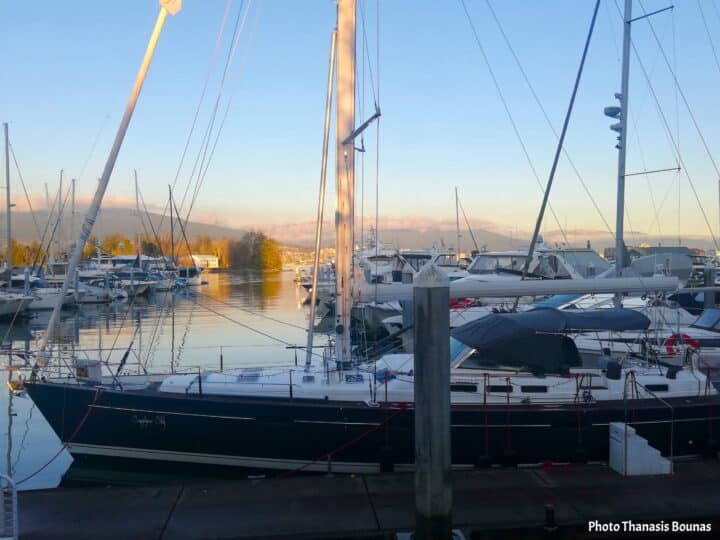
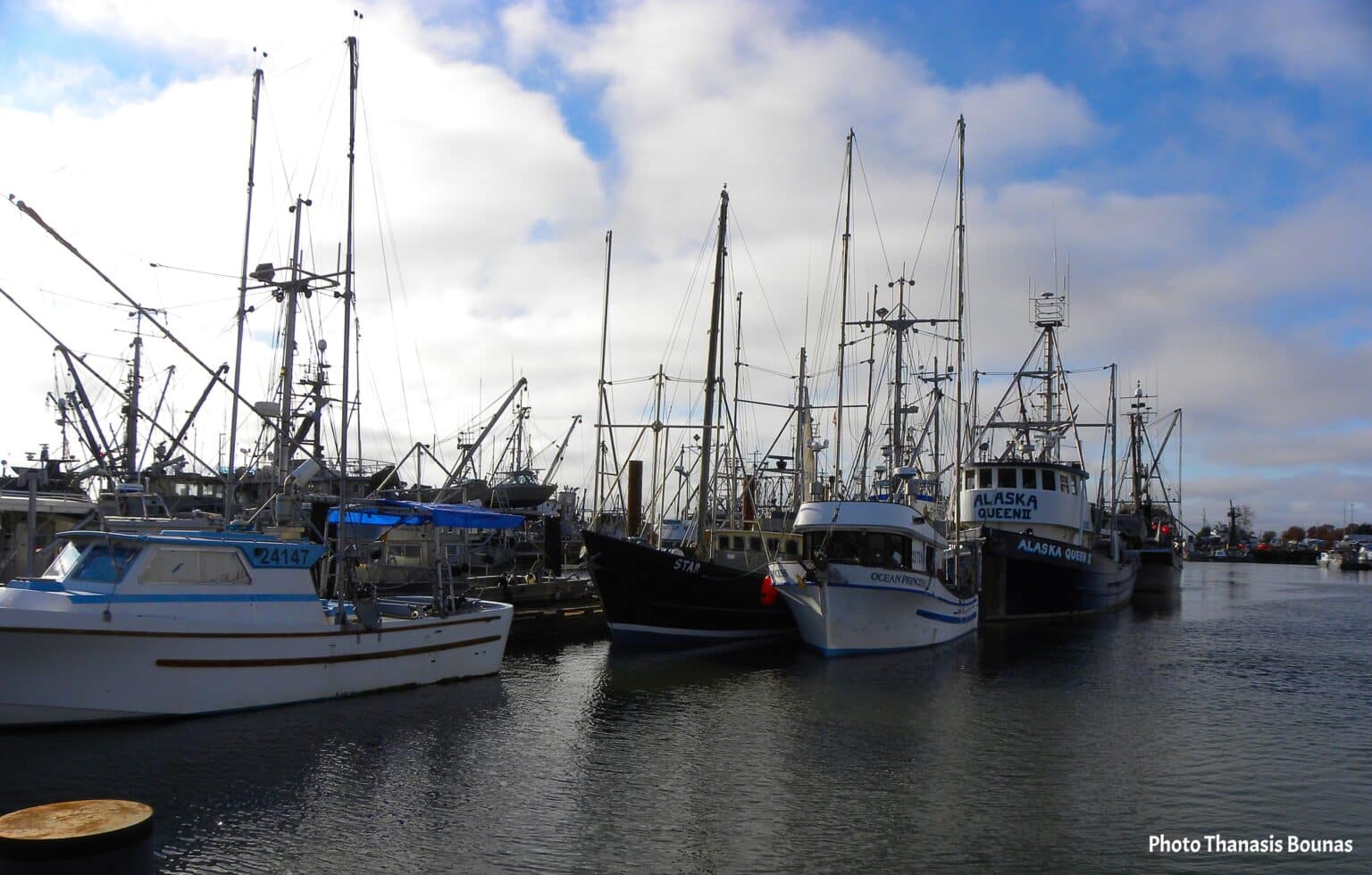
The boats are lined side by side.
Tall masts rise into a pale sky.
Ropes hang with quiet gravity.
Names are written on hulls that have known distance.
The water barely moves.
Nothing suggests urgency.
And yet, every vessel here is built for motion.
Waiting fills the space between them.
The Psychology of the Dock
In sailing, waiting is not an interruption.
It is structure.
You wait for weather to clear.
You wait for the tide to turn.
You wait for the crew to be ready inside themselves.
The dock becomes a psychological threshold.
Here, the mind negotiates with uncertainty.
Should we leave?
Should we delay?
Are we prepared?
The sea does not answer these questions.
It simply remains.
And in that stillness, something inside you is measured.
Time Held in Water
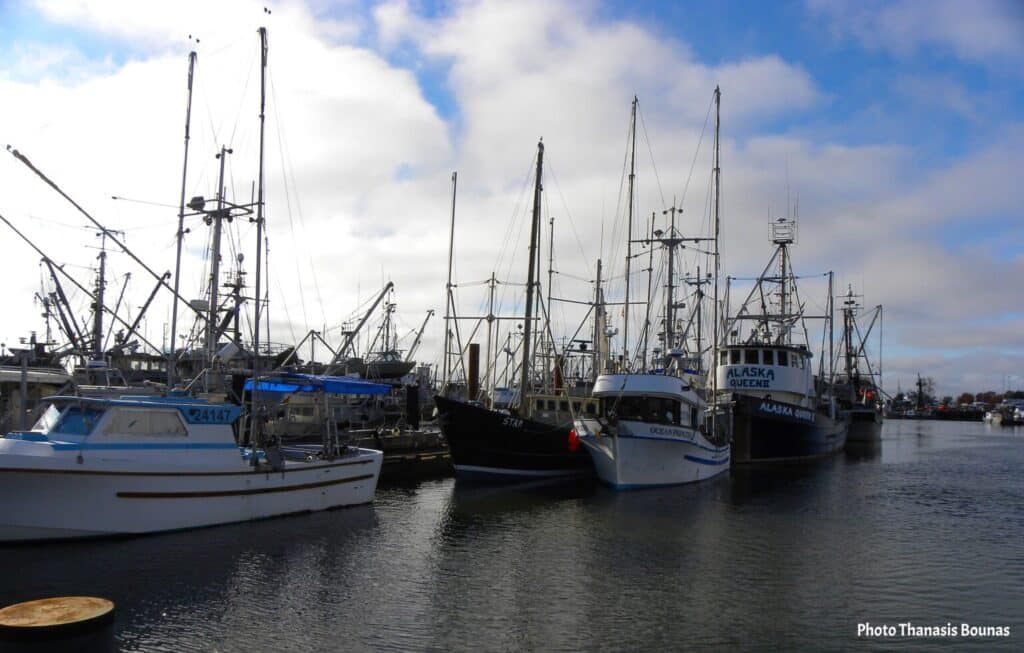
Look at the photograph.
The boats are close enough to touch.
But each one carries a separate horizon.
Their reflections tremble softly.
Even in still water, nothing is fully still.
Waiting in sailing is not passive.
It is contained energy.
Lines are checked.
Engines are tested.
Charts are studied.
But the deeper preparation is internal.
I once wrote about Waiting at the Table as a form of attention.
Here, attention widens.
You are not waiting for food.
You are waiting for conditions you do not control.
Between Control and Surrender
Sailing exposes a subtle truth.
You can prepare.
You cannot command.
The harbor feels safe.
The open sea feels honest.
Waiting between masts teaches patience without softness.
It strengthens awareness.
You begin to understand that departure is not only geographical.
It is psychological.
Before every voyage, there is a quiet confrontation with yourself.
Your fear of delay.
Your need for certainty.
Your discomfort with not knowing.
The boats remain tied.
The water remains calm.
And somewhere in that suspended moment,
you learn that waiting is not the absence of journey.
It is the beginning of it.