The Color of Home
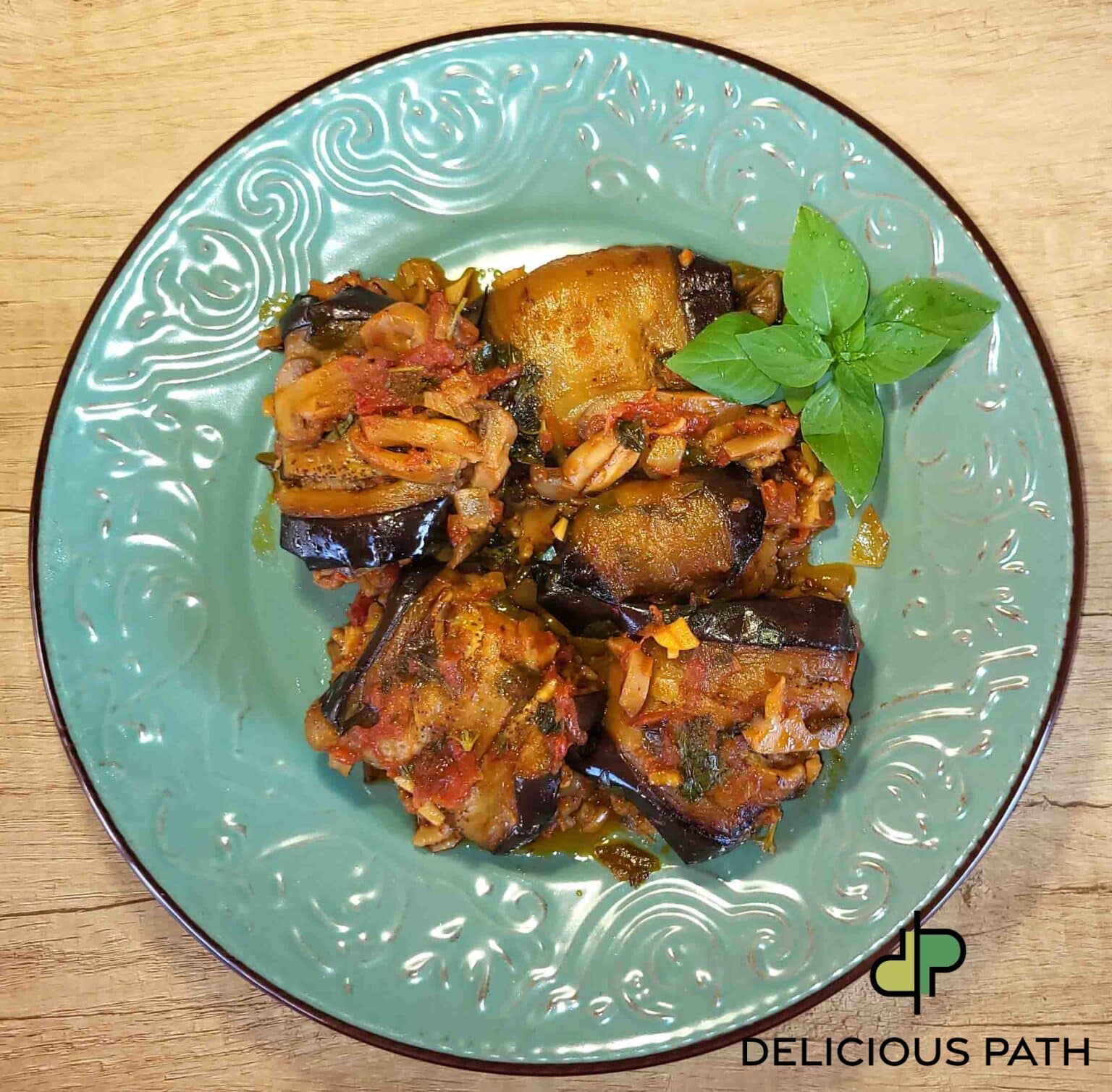
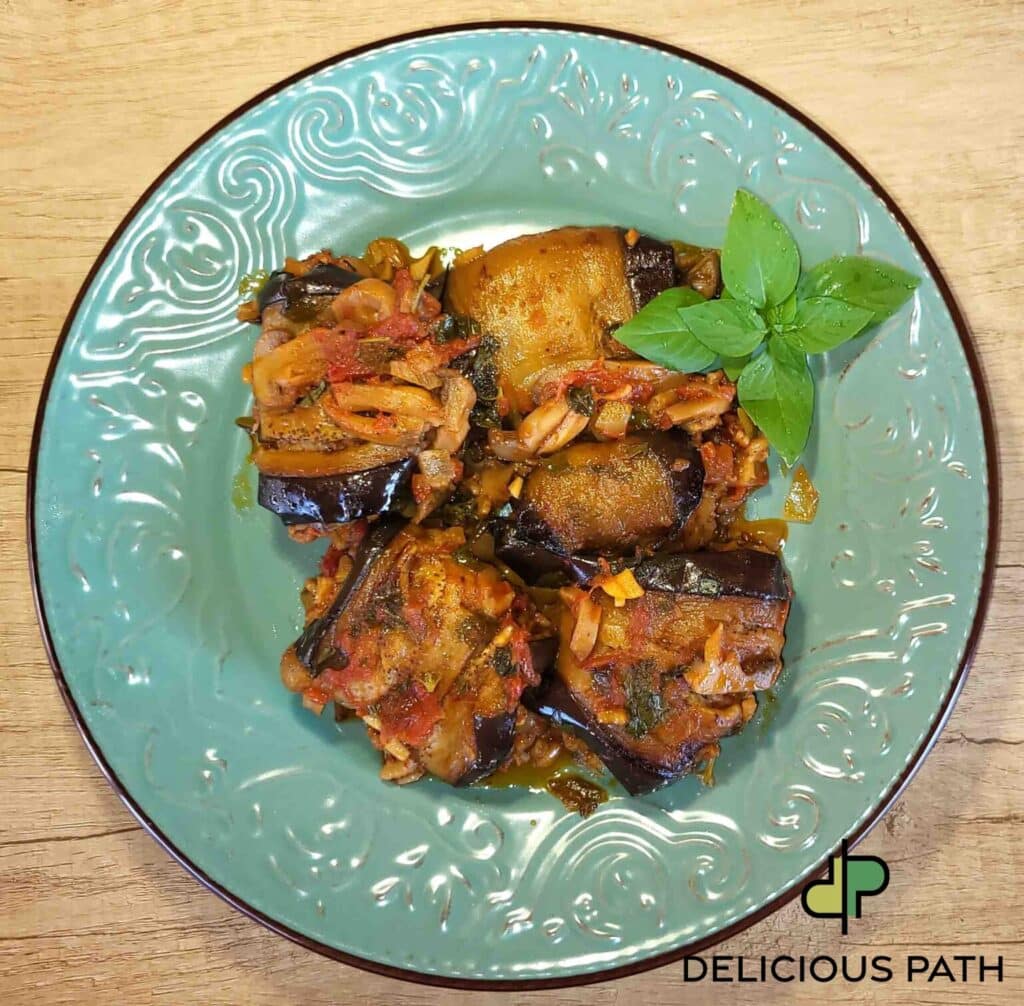
A turquoise plate rests on wood.
Eggplant folded over filling, softened by heat.
Tomato, onion, herbs — all gathered into something slow.
A small green leaf sits at the edge, almost bright against the darker tones.
The image holds warmth.
Not loud.
Not theatrical.
Just present.
Heat That Settles
Warmth in food is different from heat.
Heat burns quickly.
Warmth stays.
When you travel long enough — across water, across cities, across seasons — you begin to understand the difference. Sailing exposes you to wind, salt, unpredictability. The body tightens. The senses sharpen. Everything becomes alert.
Then you sit at a table.
You taste something cooked slowly. Something that carries patience in its texture. And warmth spreads — not only through the body, but through memory.
In Warmth and the Inner Voyage, light coexisted with shadow. Here, warmth coexists with distance.
The Psychology of Nourishment
Psychology often speaks of attachment as warmth. Of safety as warmth. Of belonging as warmth.
Food has a way of restoring those internal climates.
Eggplant softened by time. Sauce reduced carefully. The meal is not rushed. It does not perform. It holds.
Travel can fragment identity — new languages, new horizons, constant adaptation. Sailing especially asks for resilience. It teaches you to balance in movement.
But warmth restores center.
It reminds you that not all journeys require wind.
Returning Without Moving
You may be far from where you began.
Different harbor.
Different shore.
Different sky.
Yet a plate like this brings you back without moving you.
Warmth is psychological anchoring. It does not resist the journey. It supports it. It makes departure possible again. After nourishment, the horizon feels less intimidating.
The plate empties slowly.
The body relaxes.
The mind softens.
And somewhere between the last bite and the next crossing, warmth becomes quiet preparation — not for staying, but for continuing.