Walking Toward Something Unseen
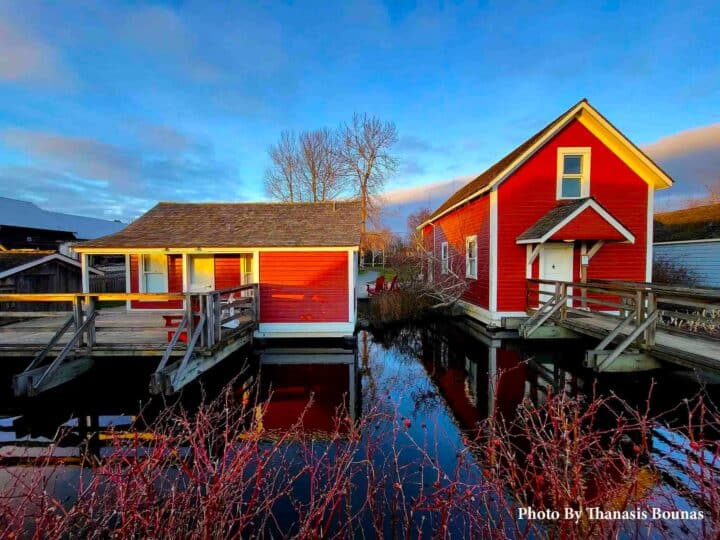
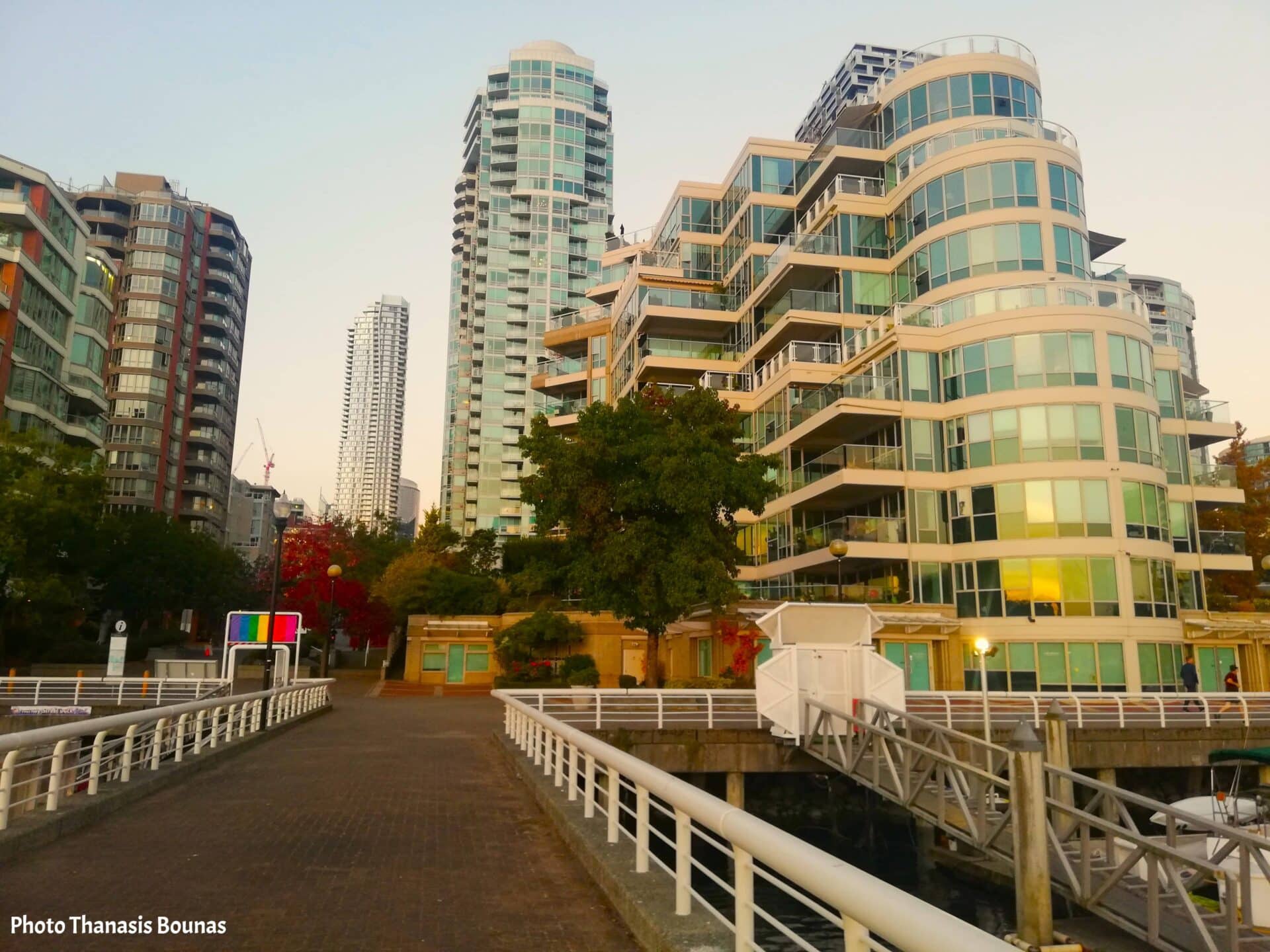
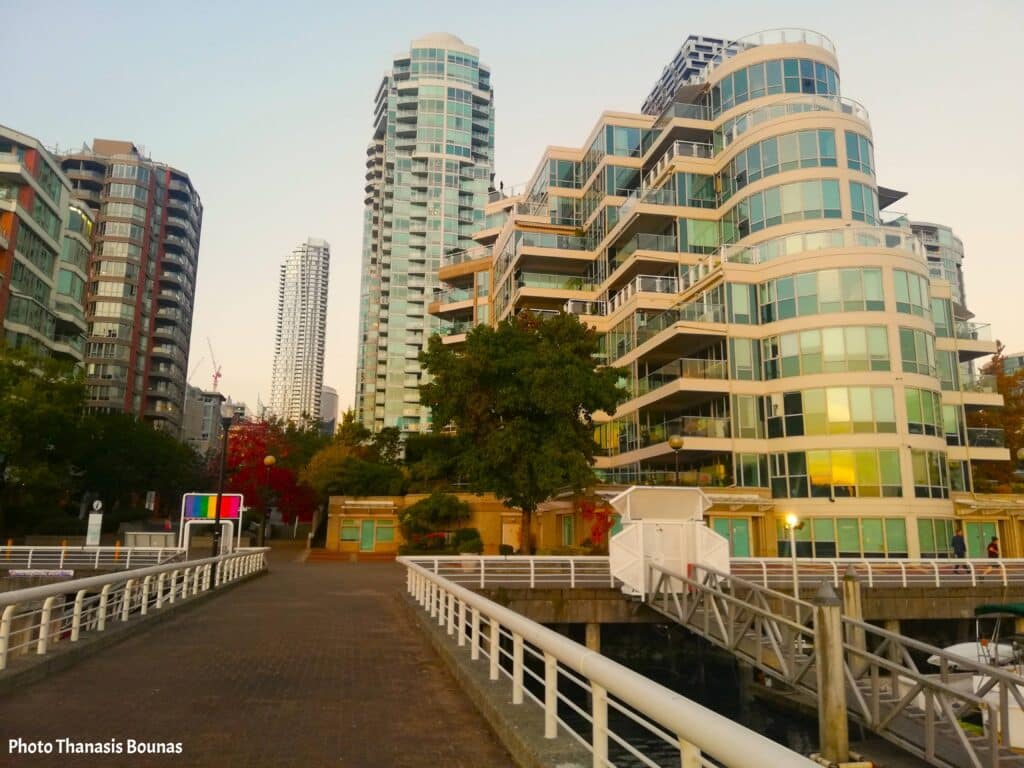
Along the waterfront promenade in Vancouver, British Columbia, Canada, the path stretches forward without revealing everything at once.
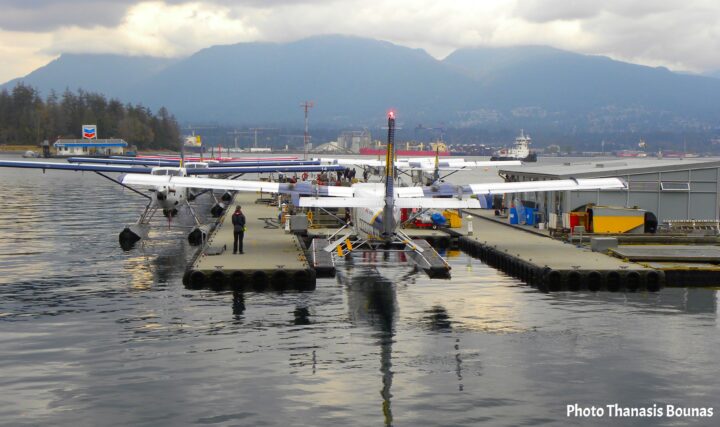
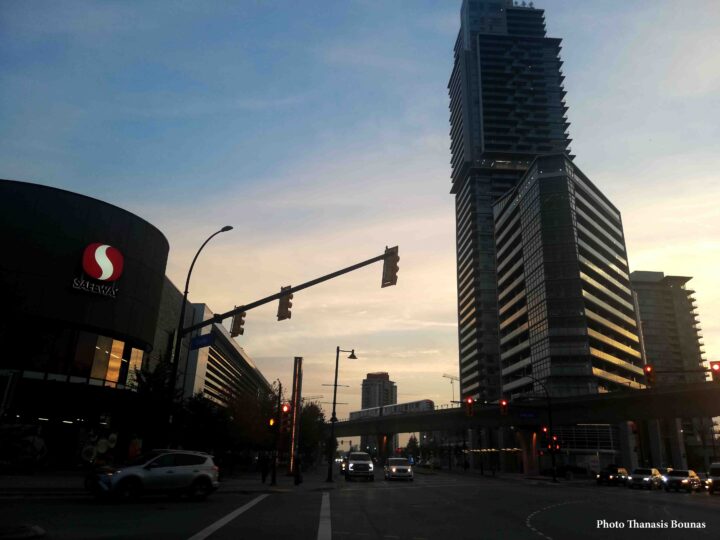
Modern buildings reflect the soft evening light, while the marina remains calm beside you. There is movement, but it feels suspended — as if something is about to happen.
This is not arrival.
This is anticipation.
The Psychology of Anticipation in Travel
Anticipation is one of the most powerful emotions in travel.
In travel psychology, it exists in the space between now and what comes next. It is not about the destination itself, but about the expectation of it.
You are not fully here.
But you are not somewhere else either.
You are in between.
The Waterfront as a Transitional Space
The Vancouver waterfront naturally creates this feeling.
It is neither fully urban nor fully natural. It is a threshold — a place where movement continues, but without urgency.
The marina, the walkway, and the open view all suggest direction without defining it.
And that is what makes anticipation feel calm rather than restless.
Seeing the Future Without Knowing It
Walking along this path, you don’t know what is ahead.
Yet you continue.
Not because you must,
but because something invites you forward.
Anticipation is not pressure.
It is curiosity.
The Quiet Energy of Movement
Unlike excitement, anticipation is subtle.
It does not rush.
It does not demand.
Instead, it creates a quiet energy — a sense that something meaningful is approaching, even if you cannot name it.
In places like this, travel becomes less about reaching and more about sensing.
The Moment Before
Standing here, between the city and the water, you begin to understand something simple:
Some of the most meaningful parts of travel are not the moments you remember.
They are the moments just before.