The feeling of flow
Flow is not something you chase.
It is something you enter.
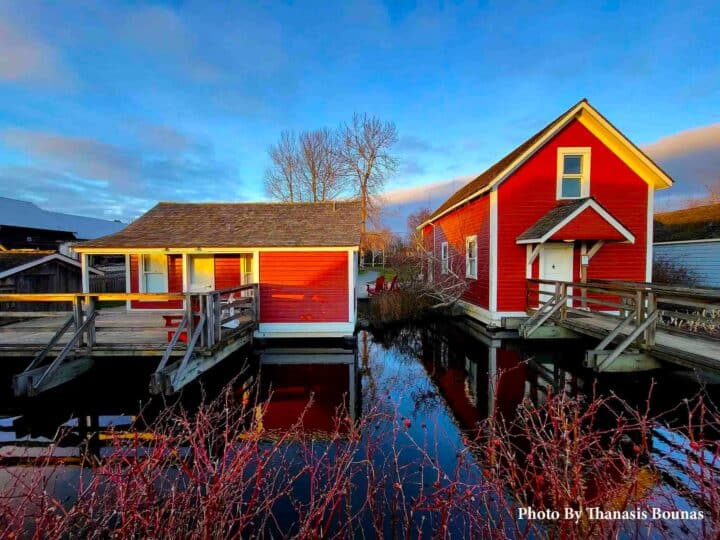
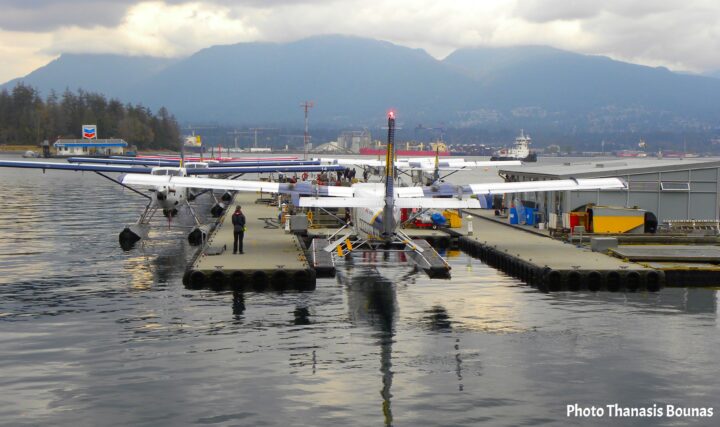
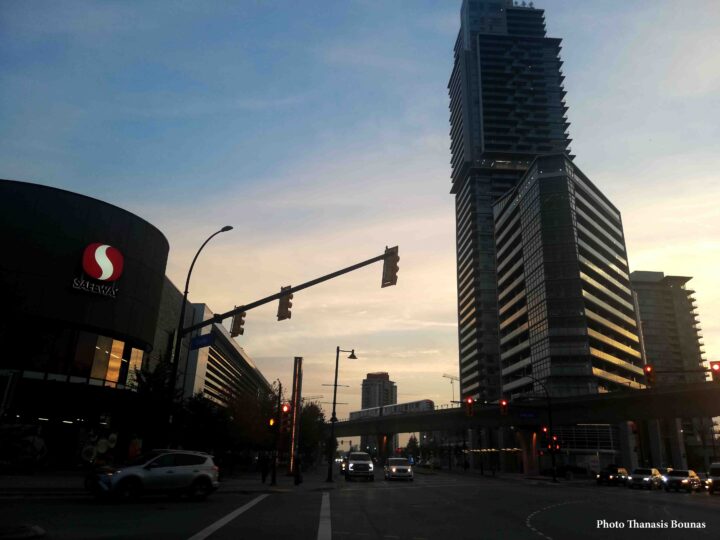
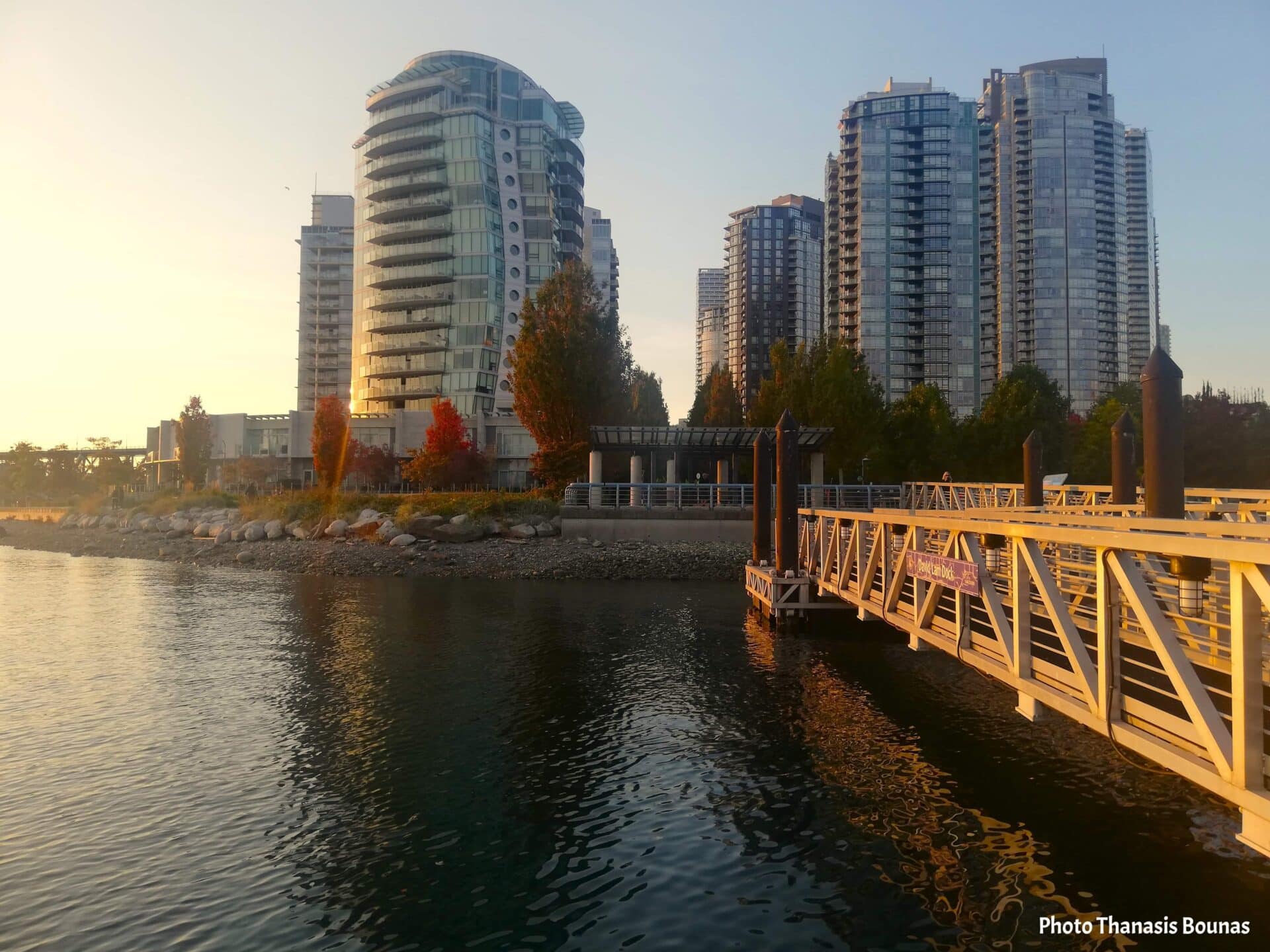
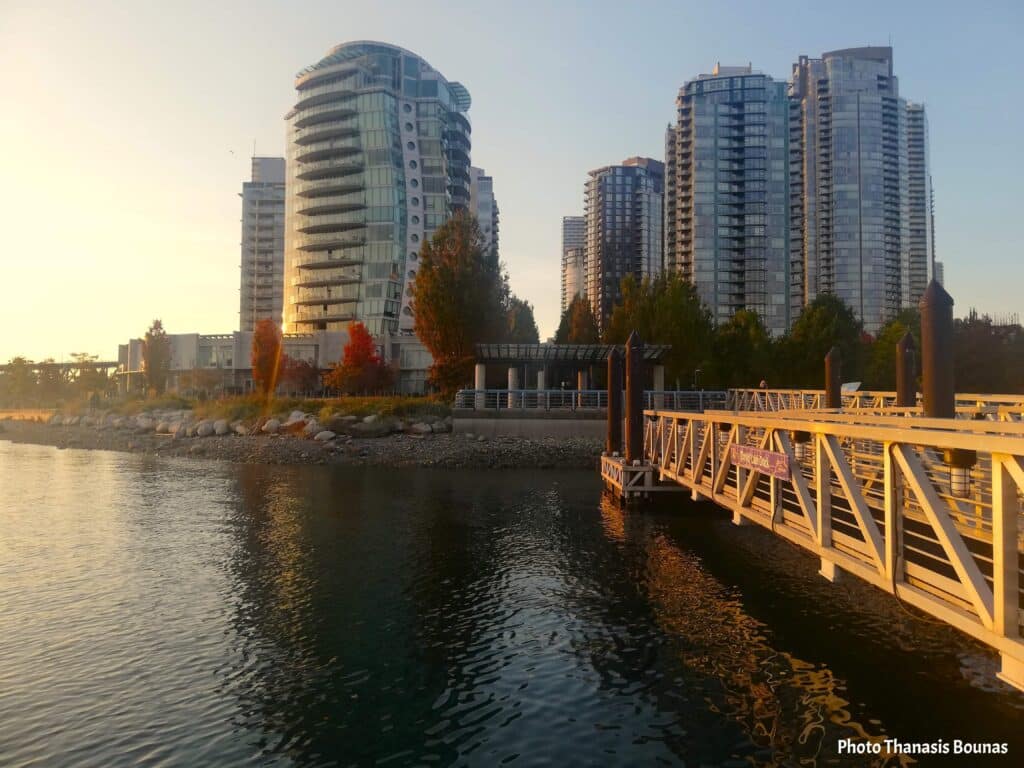
Standing at the Vancouver waterfront, as the light slowly fades across the glass towers, everything feels aligned. The water moves gently, the reflections soften the city, and nothing seems out of place.
Flow begins when resistance disappears.
A city shaped by balance
Vancouver has always been a city defined by its relationship with water.
From its early development as a coastal port in the late 19th century to its transformation into a modern urban center, the waterfront has remained central to its identity. Areas like False Creek and Coal Harbour evolved from industrial zones into spaces where city life meets the sea.
And that balance is still visible today.
Between structure and movement
The towers rise with precision.
The water moves without effort.
And somewhere between the two, flow appears.
This is what makes waterfront spaces different. They create a natural transition between control and surrender. You can feel it without needing to explain it.
Sailing lives inside that same space. You guide, but you don’t force. You move, but you listen first.
The psychology of letting go
Most of the time, we try to control our direction.
We plan. We organize. We decide.
But flow asks for something else.
It asks you to let go.
Looking at the water, you realize that movement does not always need effort. Sometimes, it needs trust in the conditions around you.
Travel becomes easier when you stop resisting it.
A quieter rhythm
There is no urgency here.
Even in a city as developed as Vancouver, the waterfront changes the pace. The reflections slow your thoughts. The open space expands your perception.
This is not accidental.
Cities that grow next to water learn to adapt to its rhythm.
And that rhythm becomes part of how you experience them.
Flow as direction
In the end, flow is not the absence of direction.
It is a different kind of direction.
One that feels natural.
One that doesn’t require force.
Somewhere between the calm surface of the water and the still presence of the Vancouver skyline, you begin to understand that flow is not something you find.
It is something you allow.