A Road Between City and Sea
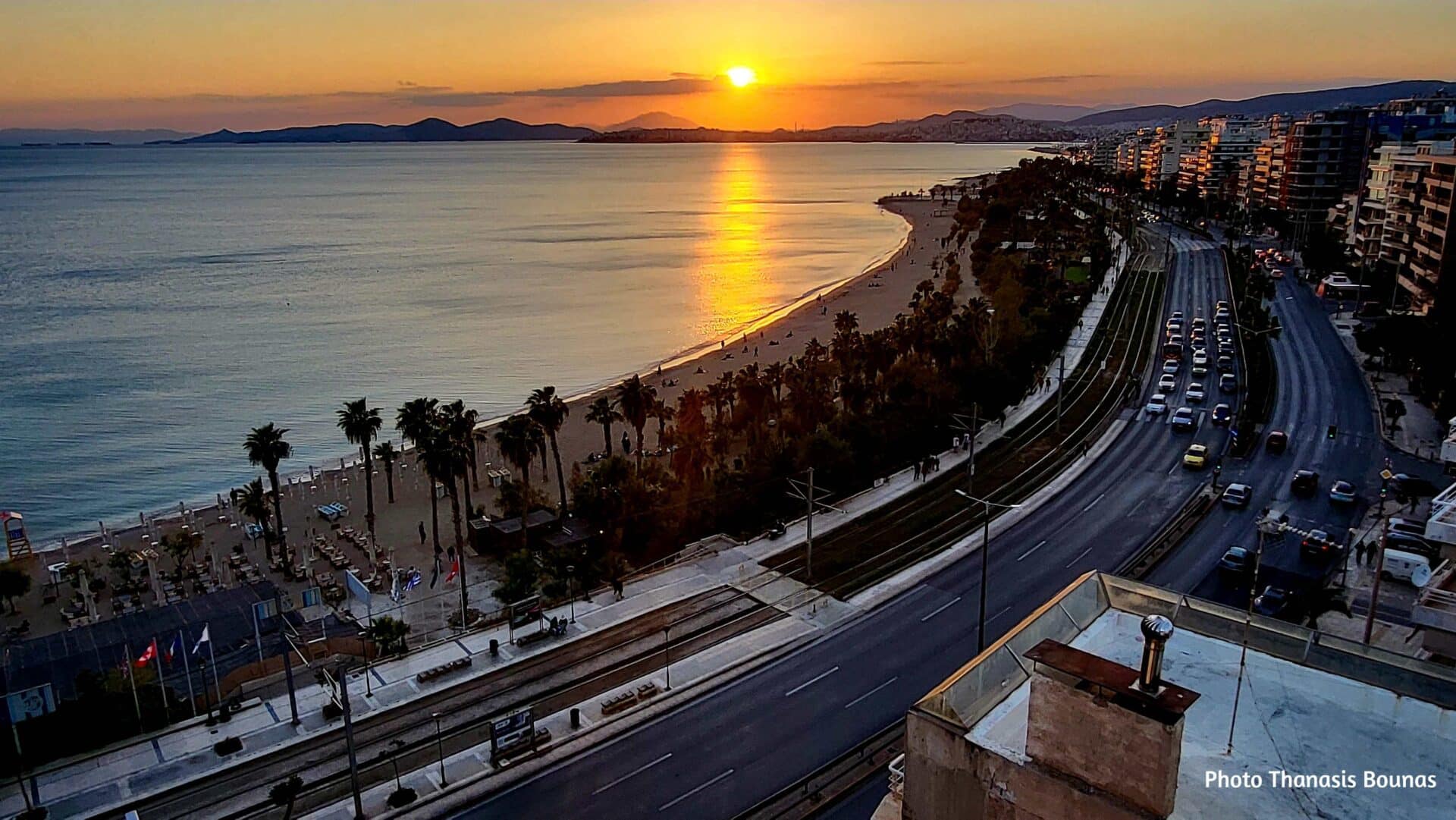
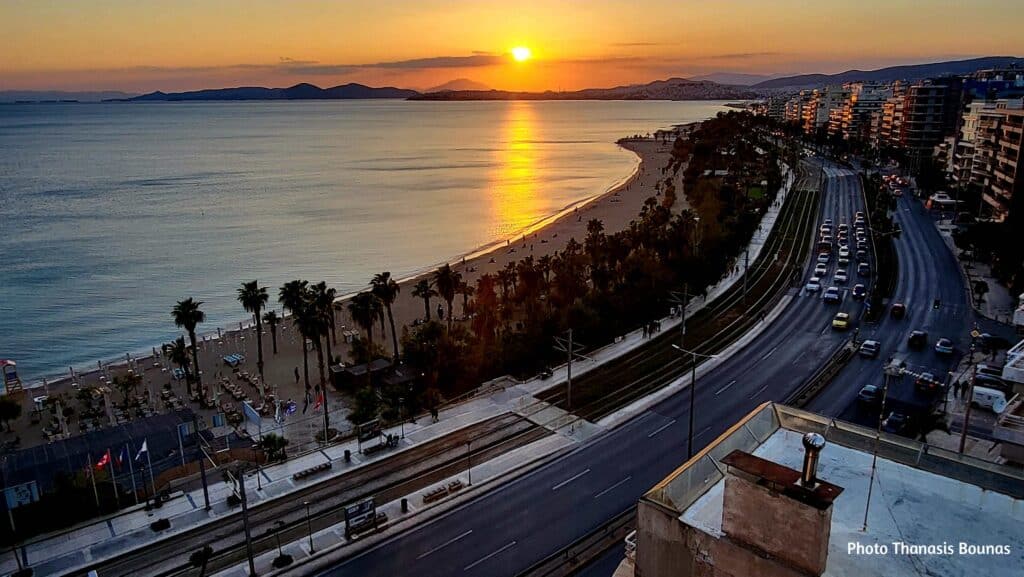
Along Poseidonos Avenue in Attica, Greece, the city loosens its grip.
The road runs parallel to the shoreline.
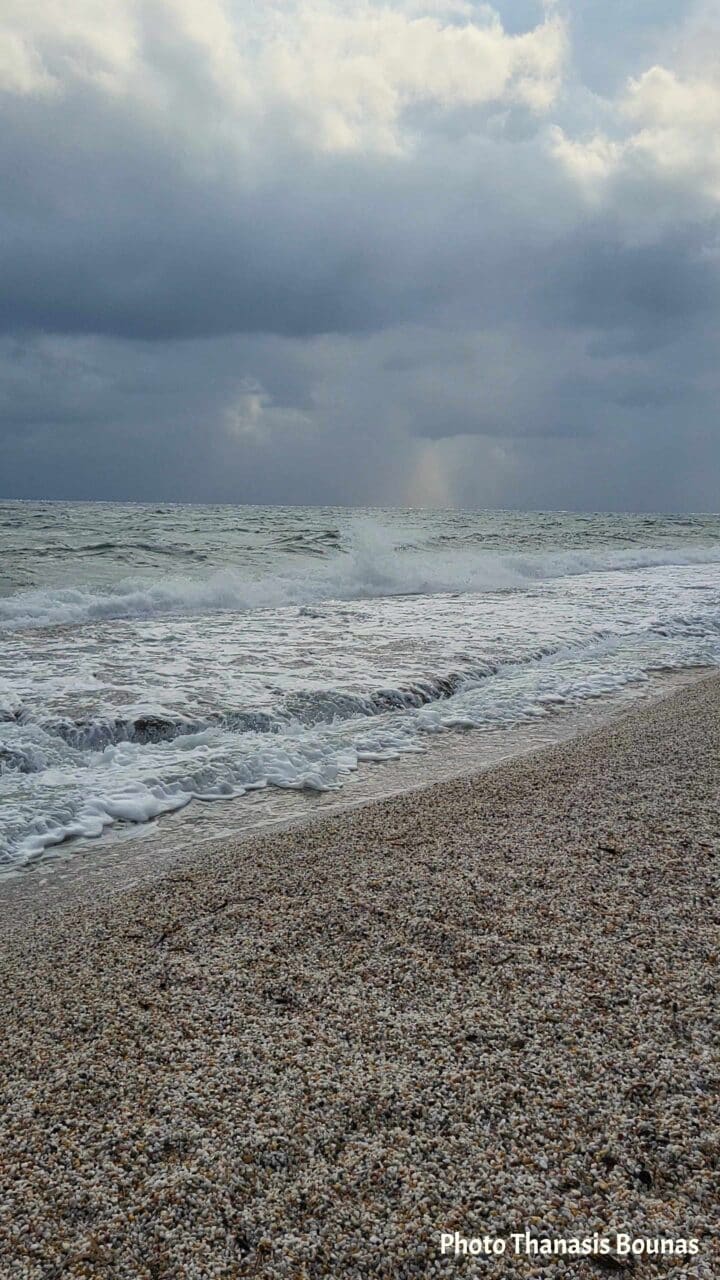
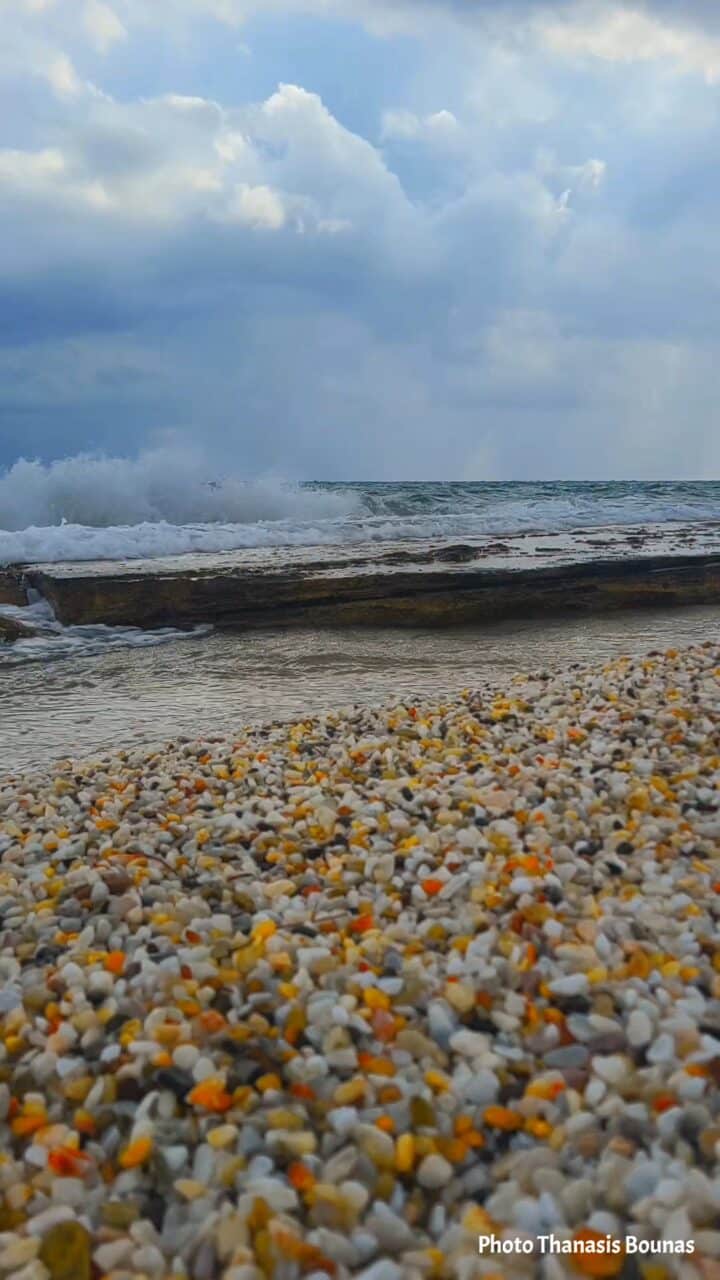
On one side, the sea stretches outward.
On the other, the city continues—but more quietly.
Traffic moves, but the light slows everything down.
The Making of a Coastal Axis
Poseidonos Avenue did not emerge as a simple road.
It developed gradually as Athens expanded toward the coast during the 20th century.
What was once a series of smaller coastal routes became a unified axis connecting different seaside areas.
This transformation followed the growth of the capital,
especially as access to the sea became part of everyday urban life in Greece.
From Separation to Connection
For much of its history, Athens remained turned inward.
The coastline existed, but it was not central to daily movement.
That changed as infrastructure improved.
Poseidonos Avenue became one of the main links between the urban center and the sea.
It reshaped how people approached the coastline—
not as a distant escape, but as an extension of the city itself.
Light, Movement, and Rhythm
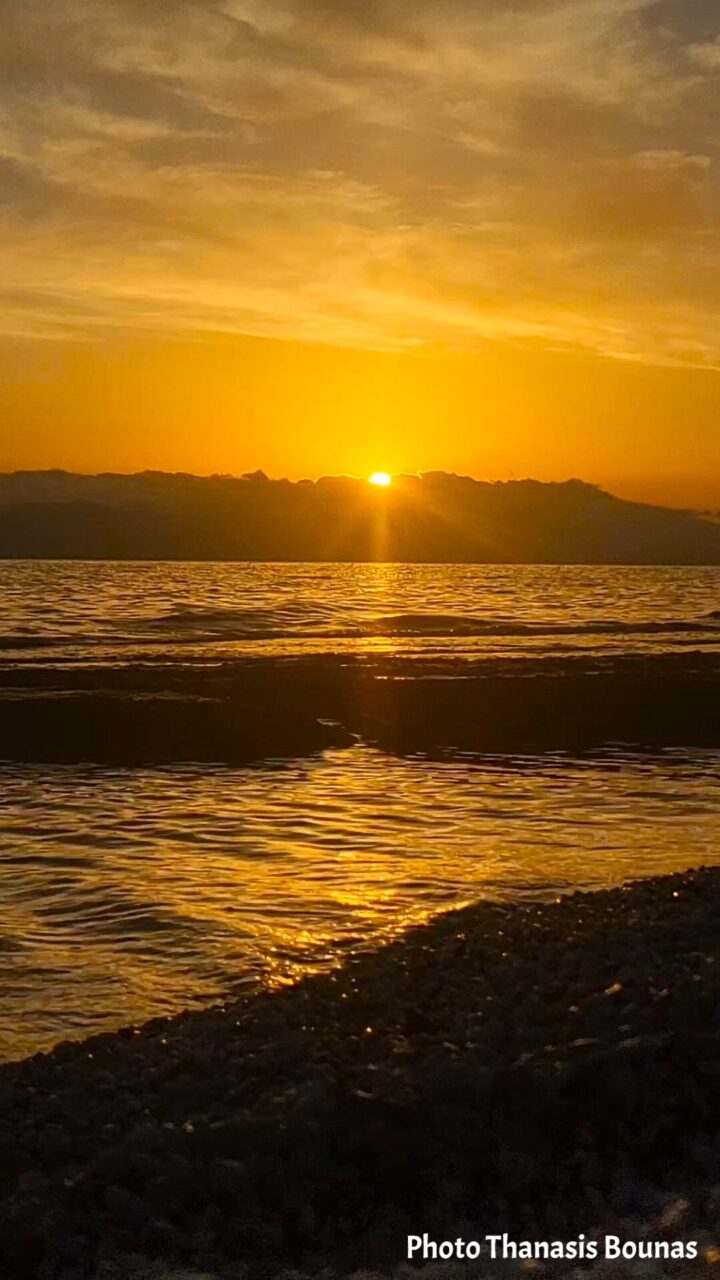
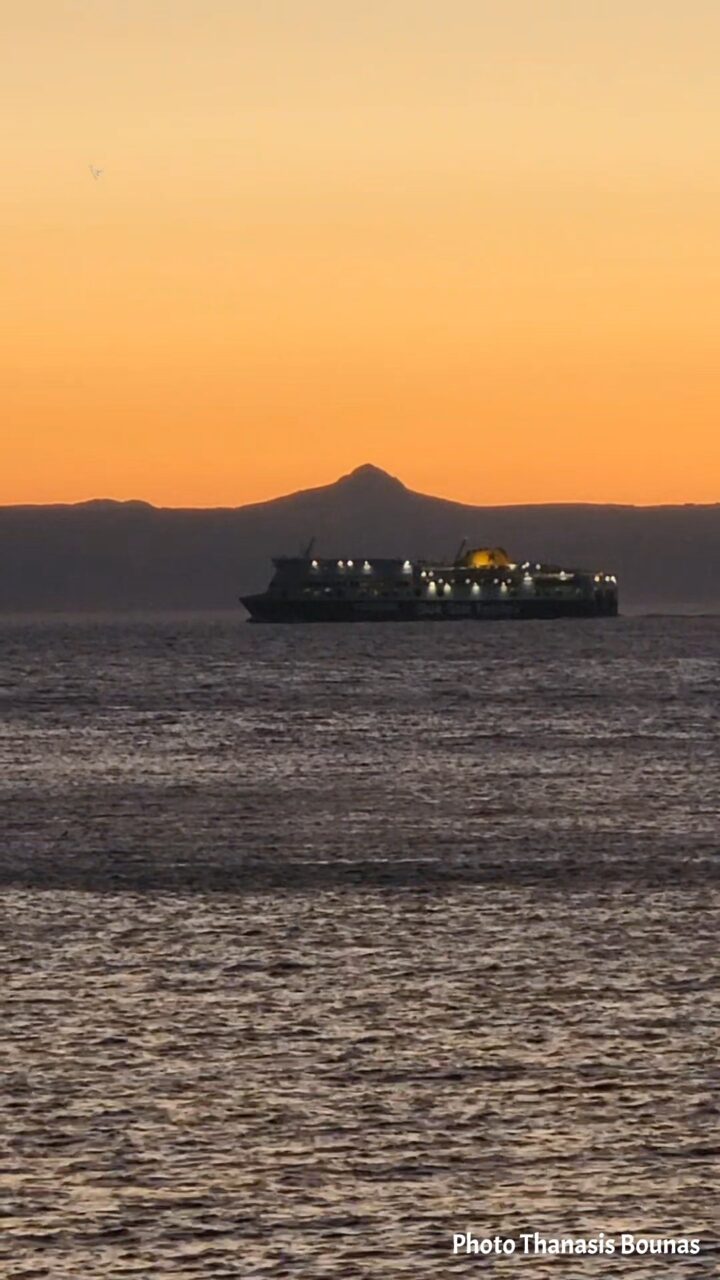
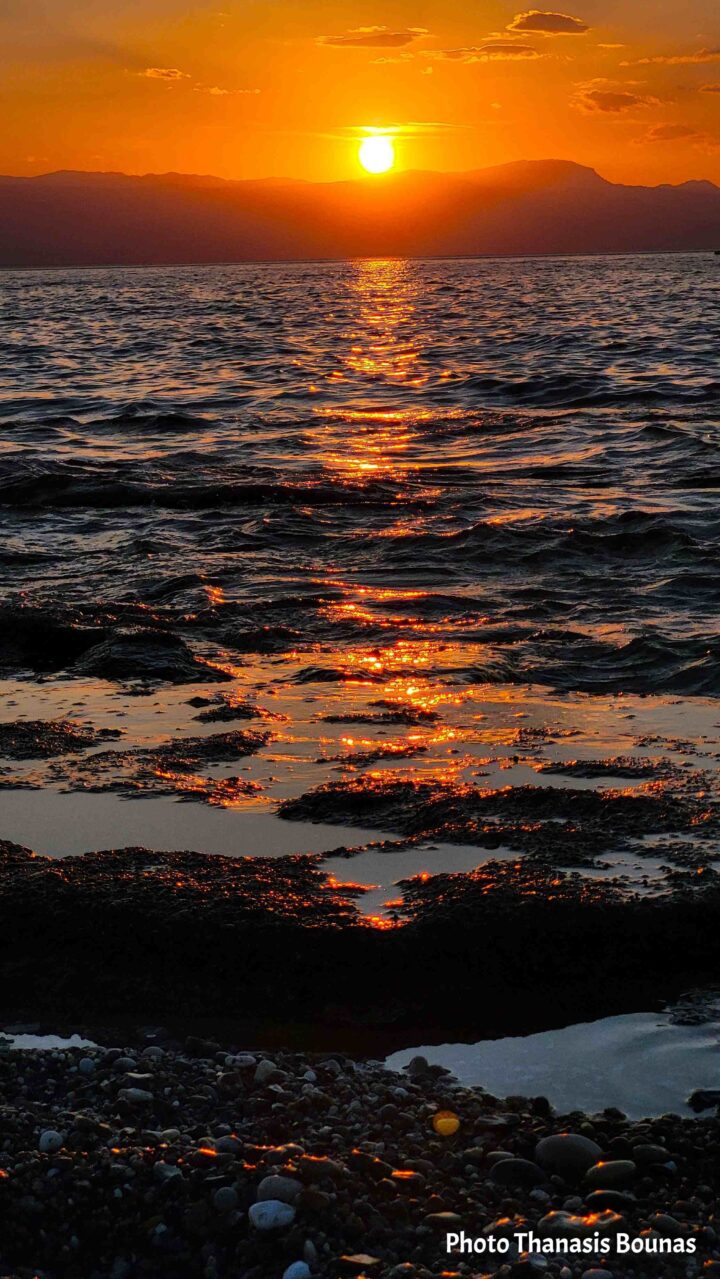
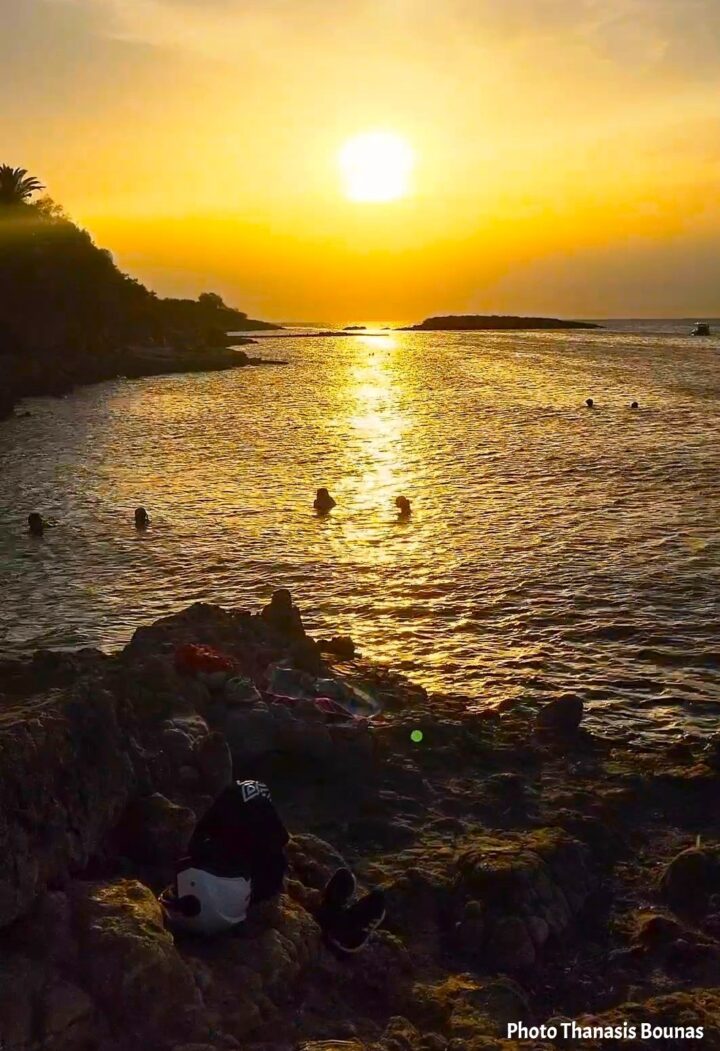
At sunset, the road changes character.
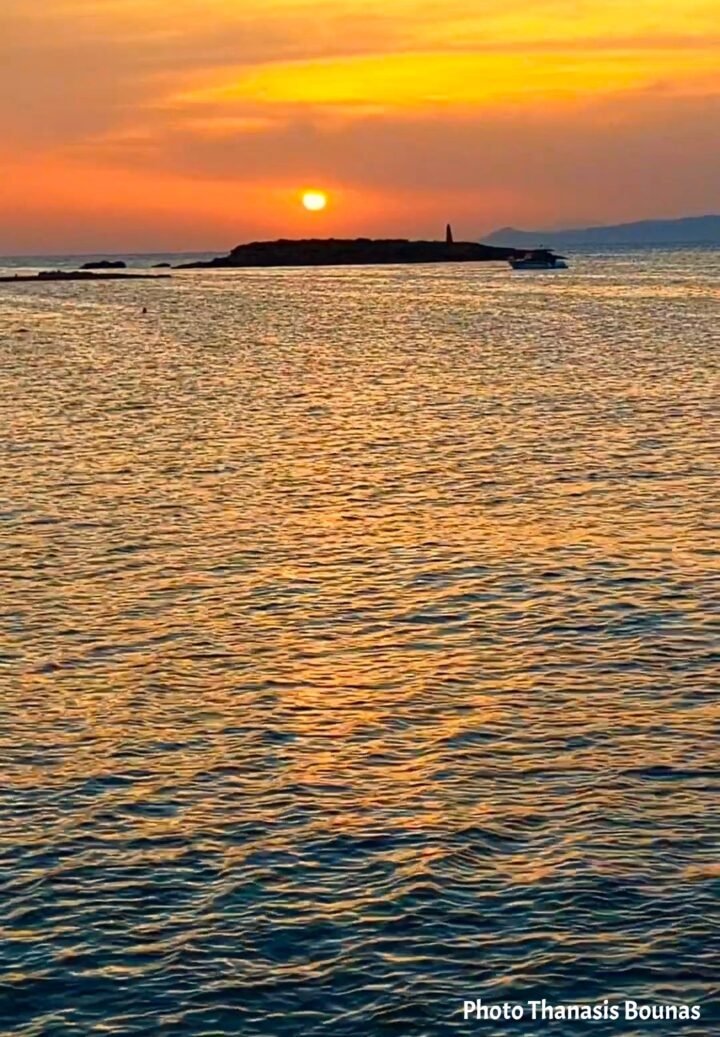
The light reflects across the water.
Shadows stretch across the lanes.
The pace softens without stopping.
Movement continues, but attention shifts.
People notice the horizon.
A Contemporary Landscape
Today, Poseidonos Avenue is more than a route.
It is a threshold.
It marks the point where urban density meets open space.
Cars, pedestrians, and the sea exist in parallel.
No single element dominates.
What the Road Holds
This place does not ask for stillness.
It allows it.
Even in motion, there is space to pause—
to observe the meeting of land, water, and time.
The road continues,
but the moment expands.