The power of attention
Attention in travel begins with noticing what is different.
Not what is obvious.
But what stands out quietly.
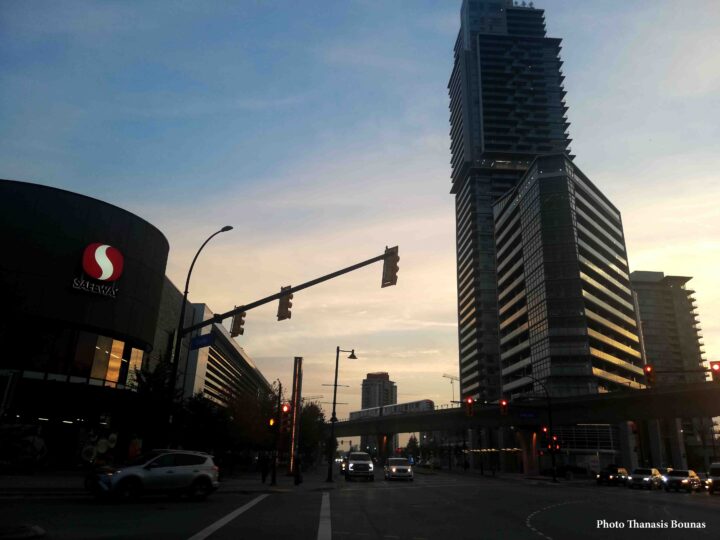
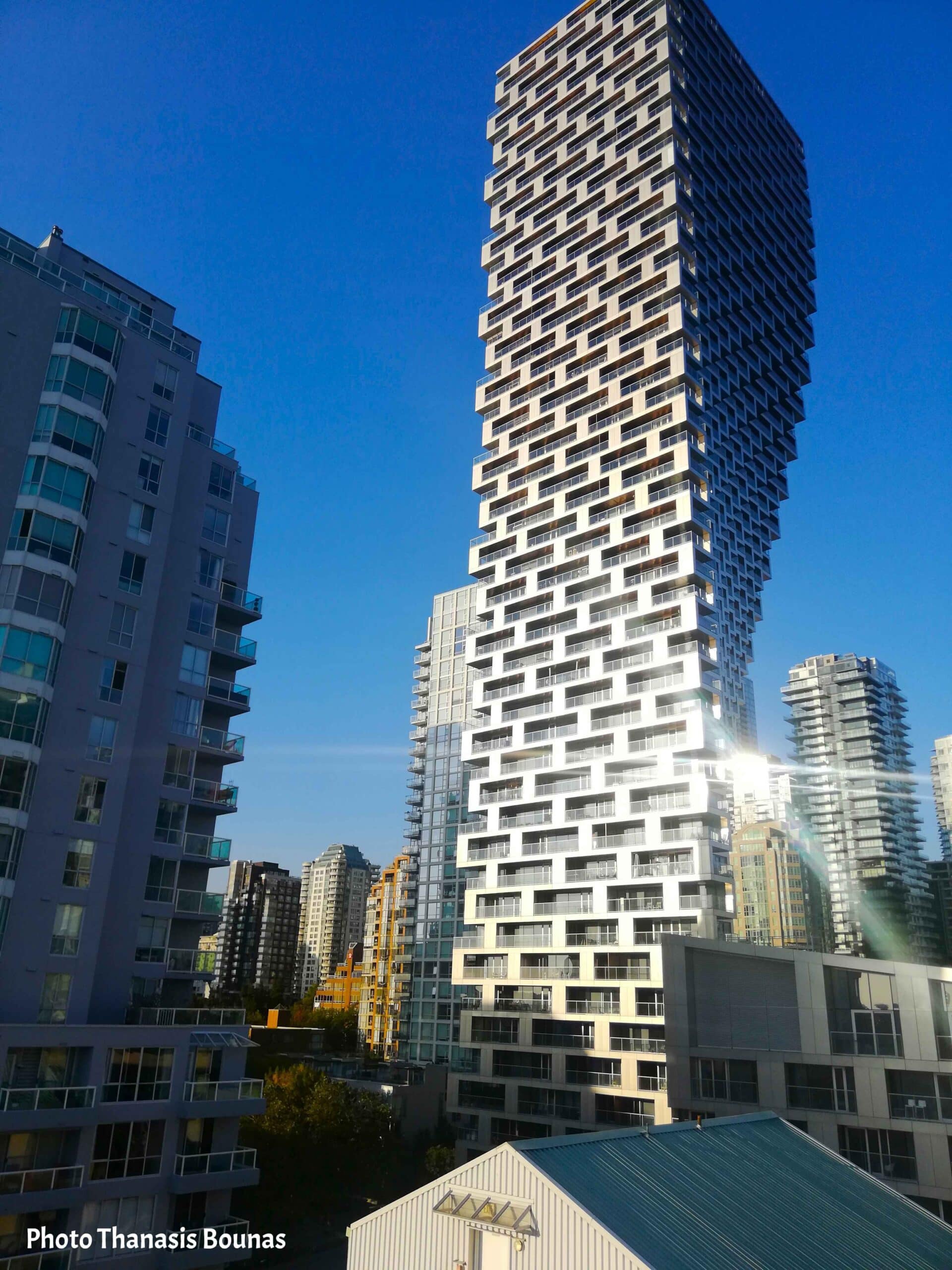
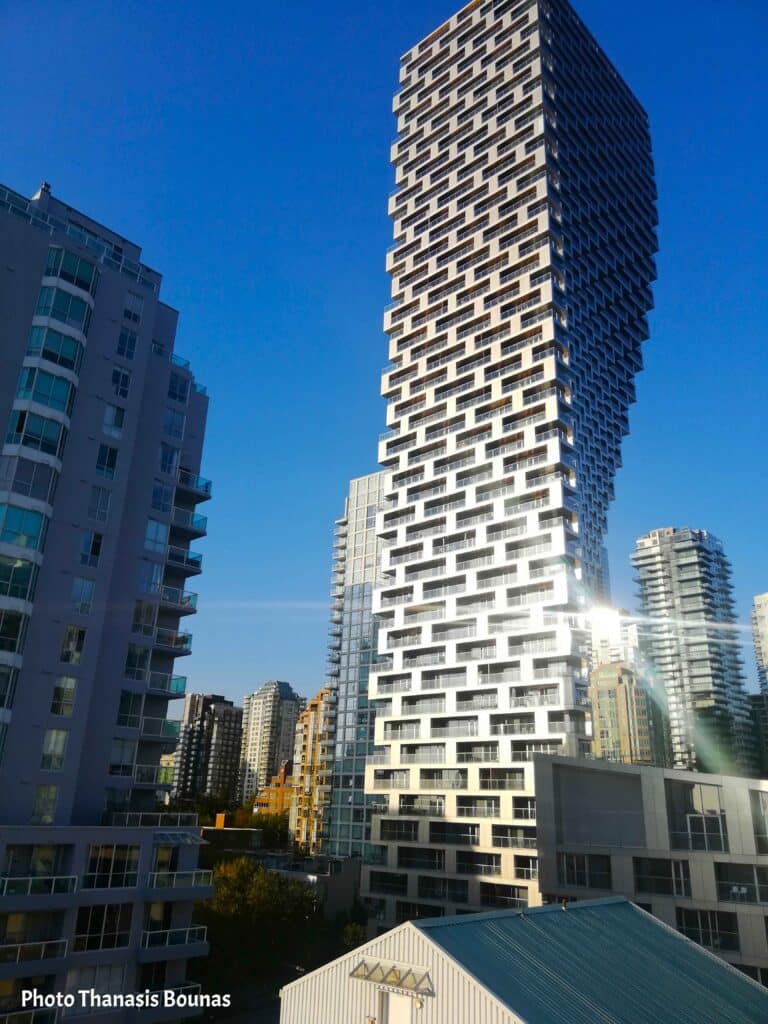
Standing in downtown Vancouver, Vancouver House immediately captures your attention.
A building that changes as you look
Vancouver House is not a typical skyscraper.
Designed by the internationally renowned architect Bjarke Ingels and completed in 2020, the building is known for its unusual shape.
At its base, it is narrow.
As it rises, it expands.
This transformation creates a dynamic visual experience—almost as if the building is moving.
Architecture that challenges perception
The structure reflects a new approach to urban design in Vancouver.
Instead of following traditional vertical lines, Vancouver House introduces asymmetry and fluidity.
It breaks expectation.
And that is exactly why it demands attention.
The evolution of Vancouver
In recent decades, especially since the early 2000s, Vancouver has become a global example of modern architecture.
Glass towers dominate the skyline.
But buildings like Vancouver House push the city even further—toward innovation and bold design.
Seeing with intention
Most people pass by buildings without noticing them.
But attention changes that.
When you observe closely, architecture becomes more than structure.
It becomes expression.
Travel as awareness
Travel is not just movement through space.
It is awareness of space.
The more attention you bring, the more meaning you discover.
Between balance and boldness
Vancouver House stands between balance and risk.
It respects the urban environment, yet it redefines it.
This tension is what makes it powerful.
What attention reveals
In the end, attention in travel is about seeing beyond the surface.
A building becomes a story.
A shape becomes an idea.
A city becomes an experience.
Standing in front of Vancouver House, you realize that the world is full of details.
You just have to look.