Where Trust Begins
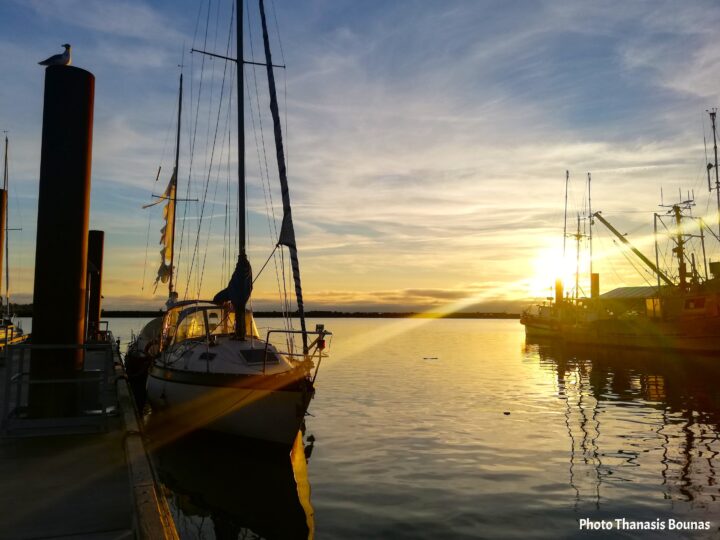
In a marina where boats rest side by side and the water mirrors both steel and sky, trust is not abstract. It is practical. It is built into ropes, knots, and the small rituals of departure. Sailing teaches that trust does not arrive fully formed; it grows through repetition, through care, through attention.
Psychologically, trust begins as an inner agreement. An agreement that movement is possible even when balance feels fragile. What starts as navigation slowly becomes trust as an inner journey, shaped by experience rather than certainty.
The Psychology of Letting Go
Travel reshapes trust by forcing us to release control. The wind decides more than we do. The tide edits the route. This is not weakness. It is cooperation with forces larger than intention. The mind learns to stop resisting and start listening.
Trust in the journey is also trust in adaptation. Plans loosen. Routes change. And yet the self remains intact. Psychology calls this resilience. Sailing makes it visible.
Between City and Water
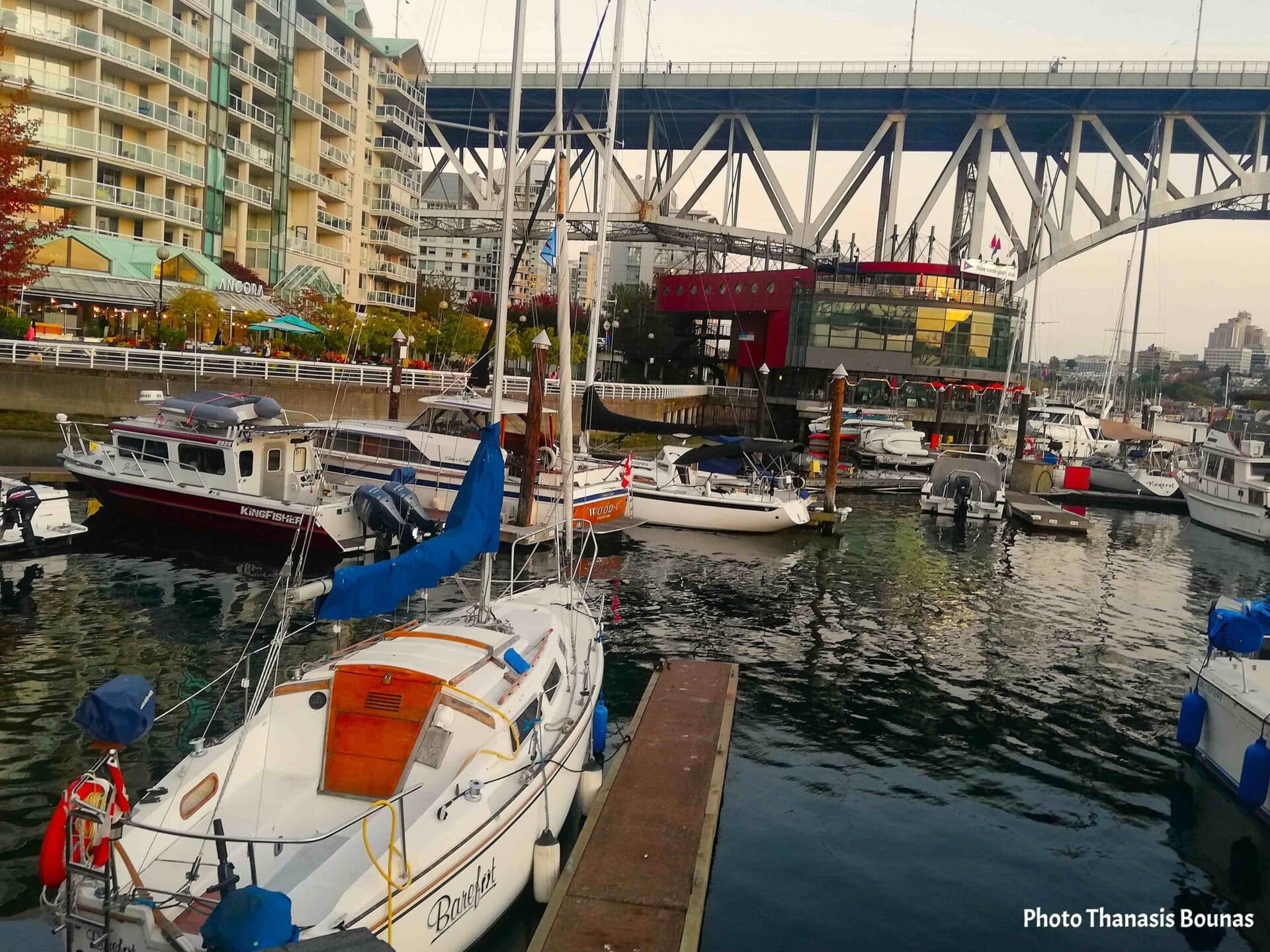
Here, surrounded by bridges, buildings, and anchored boats, trust becomes layered. The city suggests structure. The sea suggests uncertainty. Between them stands the traveler, learning to belong to both without clinging to either.
Psychologically, growth happens in this in-between space. Trust does not mean ignoring danger. It means allowing vulnerability without paralysis. The water does not promise comfort, but it allows transformation.
Sailing as Inner Alignment
Every voyage is a negotiation between fear and faith. The wind tests attention. The current tests patience. The horizon tests meaning. Over time, trust stops being something we seek and becomes something we practice.
In travel, the mind learns perspective. At sea, the body learns rhythm. Together, they shape a quieter strength: action aligned with acceptance.
The Journey That Holds You
To sail is to enter a relationship with uncertainty. Trust is the language of that relationship. It speaks through preparation, through silence, through the decision to leave the dock at all.
And perhaps this is the deepest psychology of travel: not reaching destinations, but staying open while moving. Trust is not found at the end of the route. It is formed along the way, mile after mile.