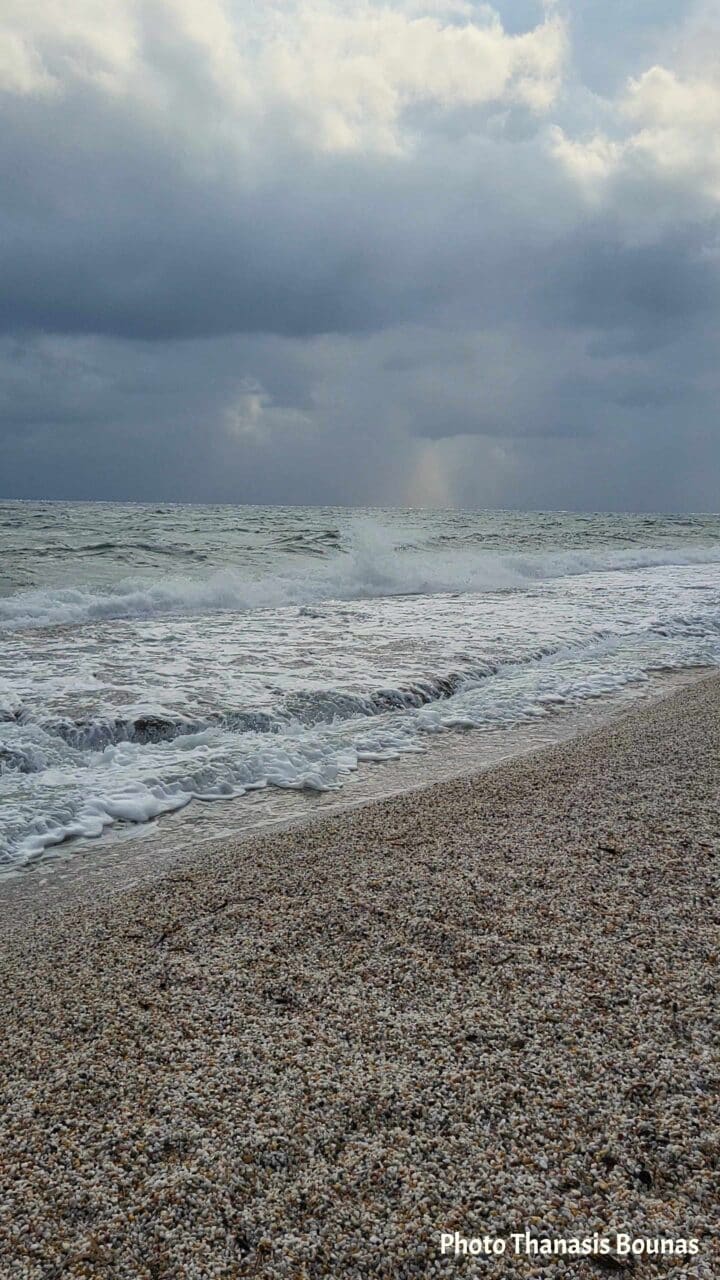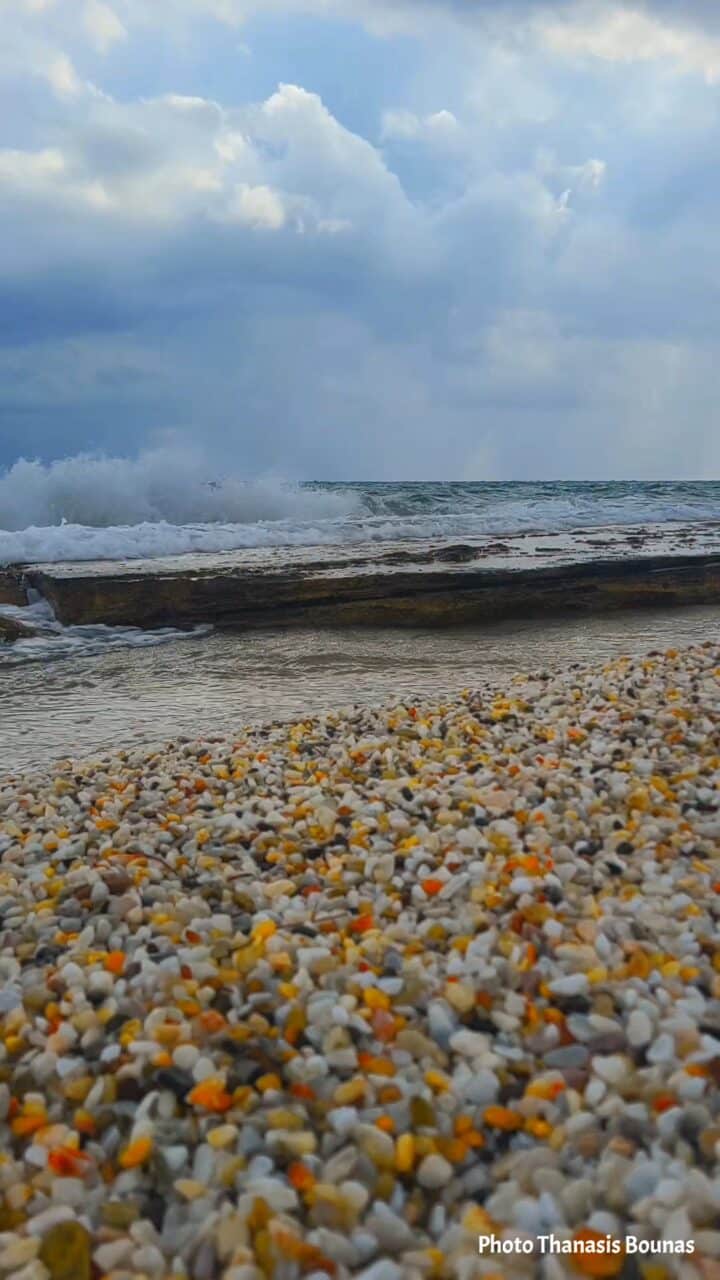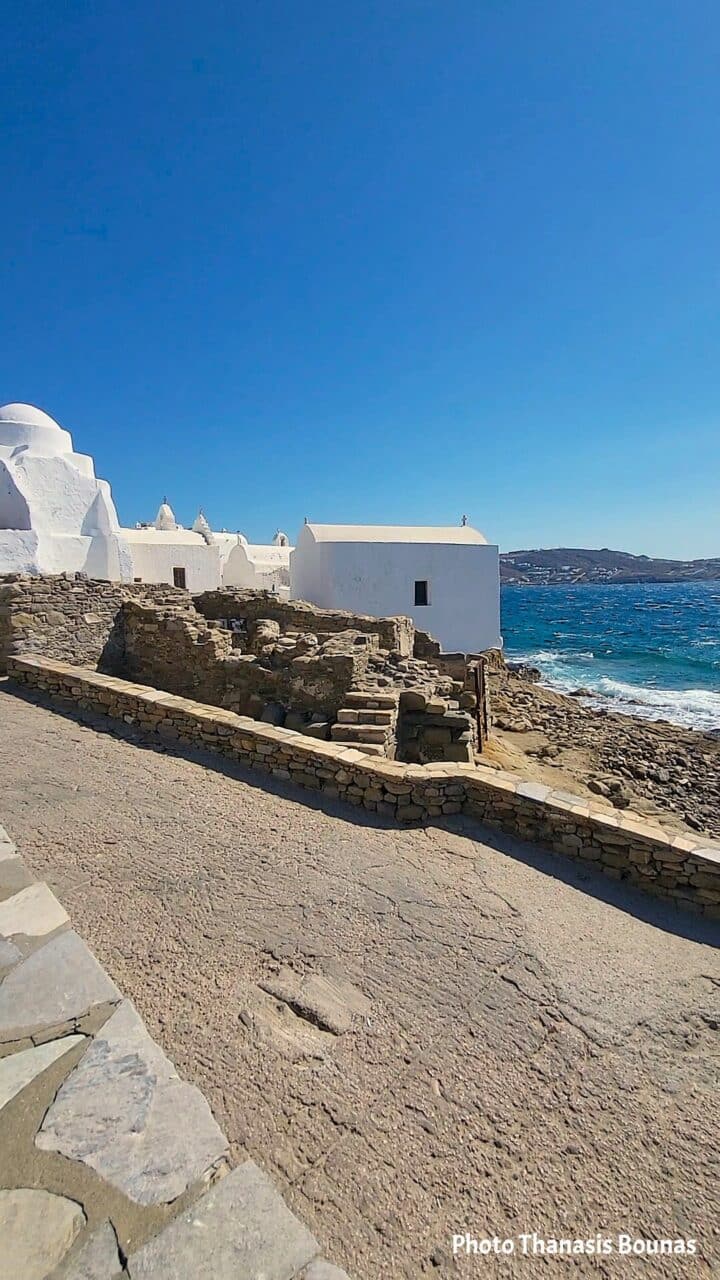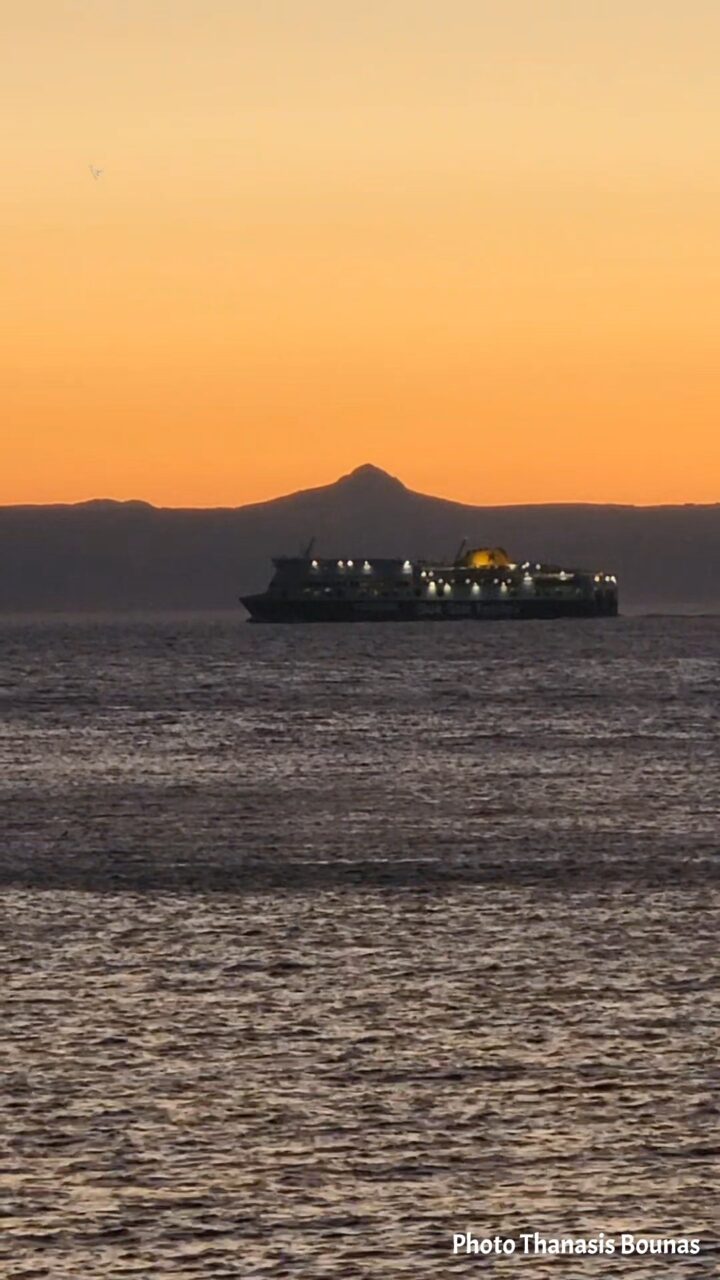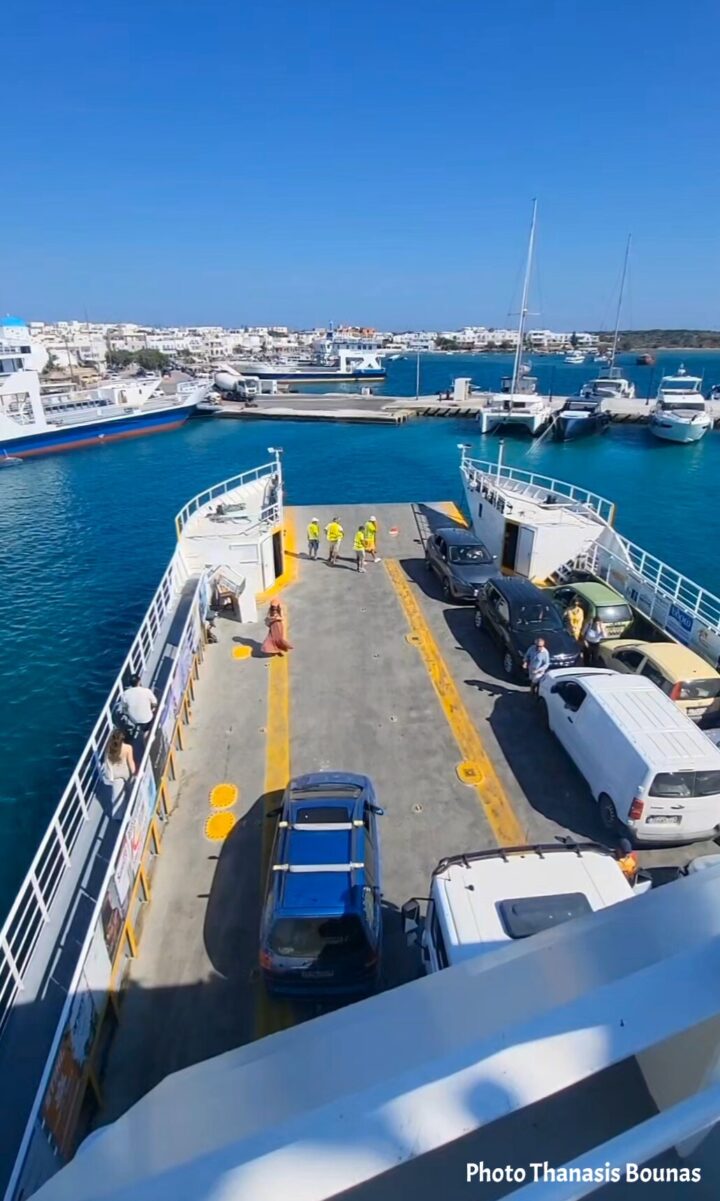
There are many ways to discover Syros, but approaching the island from the Aegean Sea reveals something essential about its character.
The coastline appears beneath the Cycladic light, the mountains form dark shapes against the horizon, and the sea stretches toward the surrounding Greek islands.
Today, Syros is known for its distinctive architecture, beaches and the elegant streets of Ermoupoli. But behind this beauty lies an extraordinary maritime story.
During the nineteenth century, this relatively small island became home to one of the most important ports in Greece.
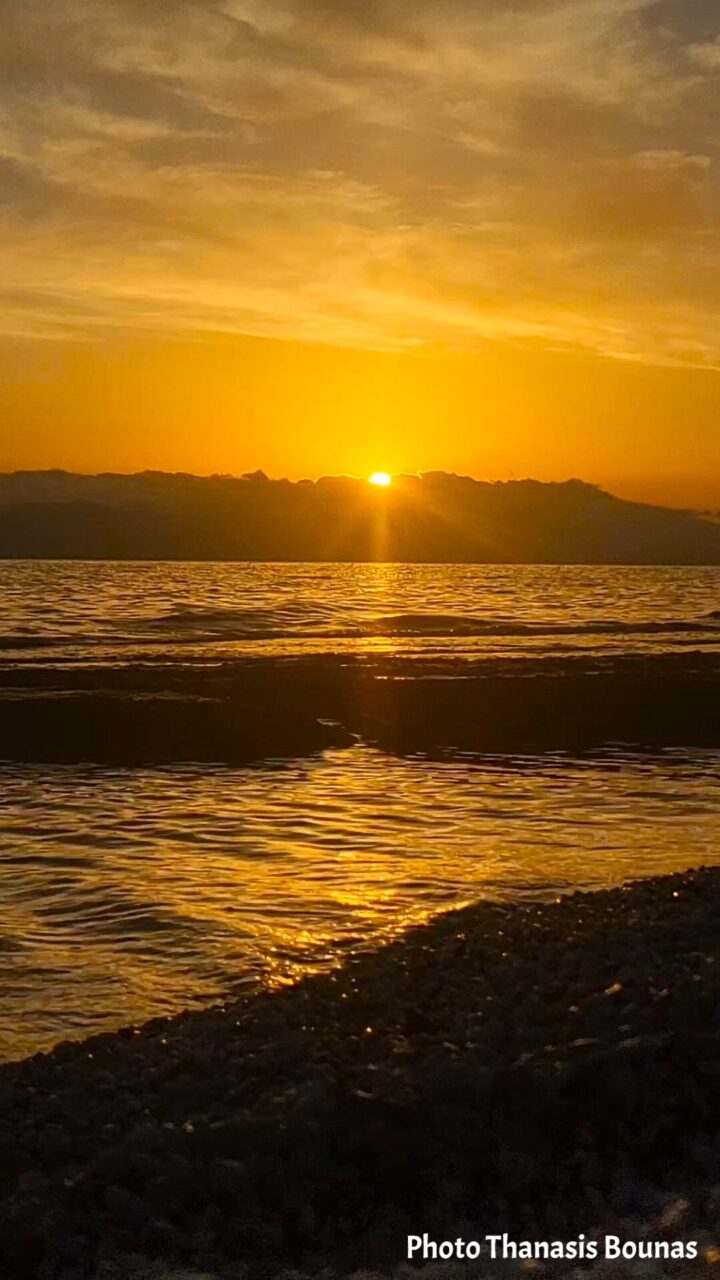
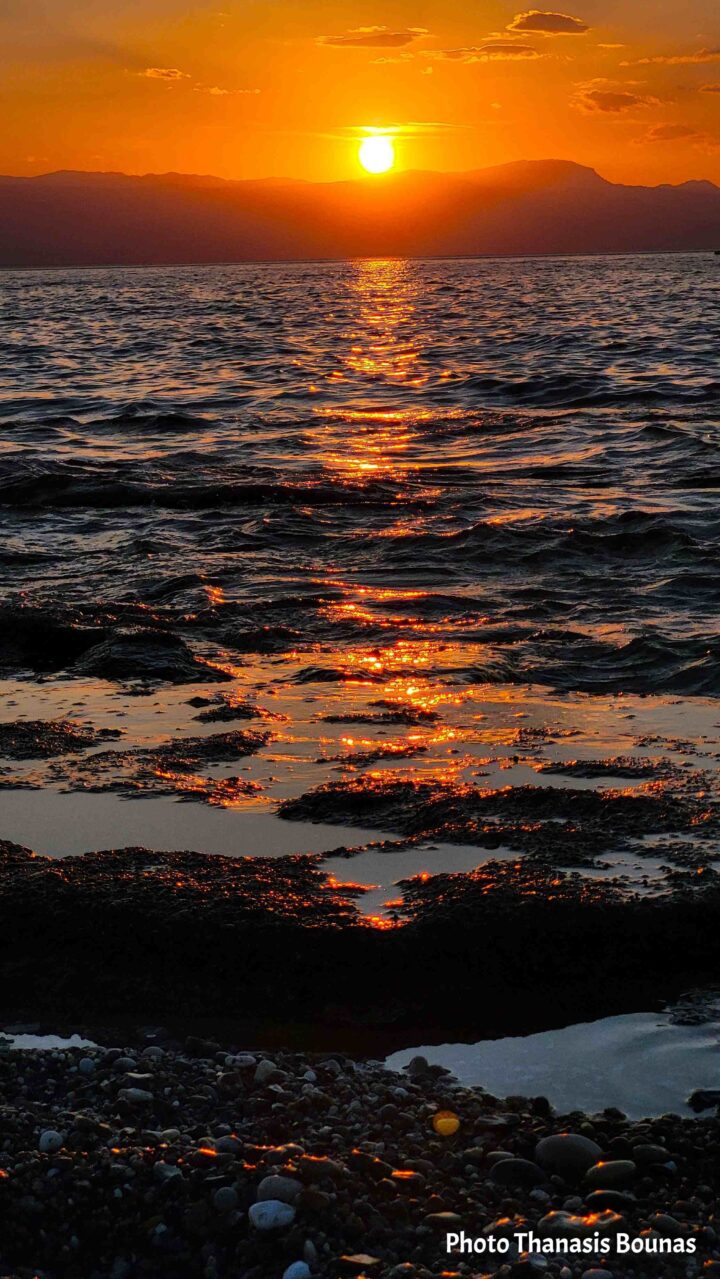
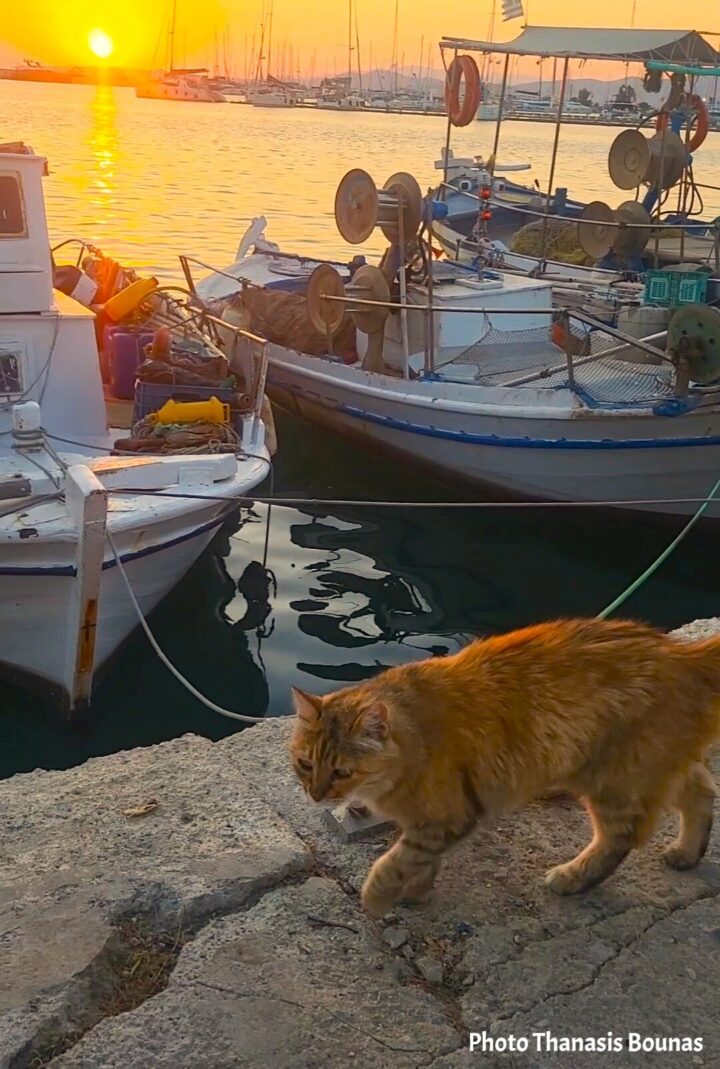
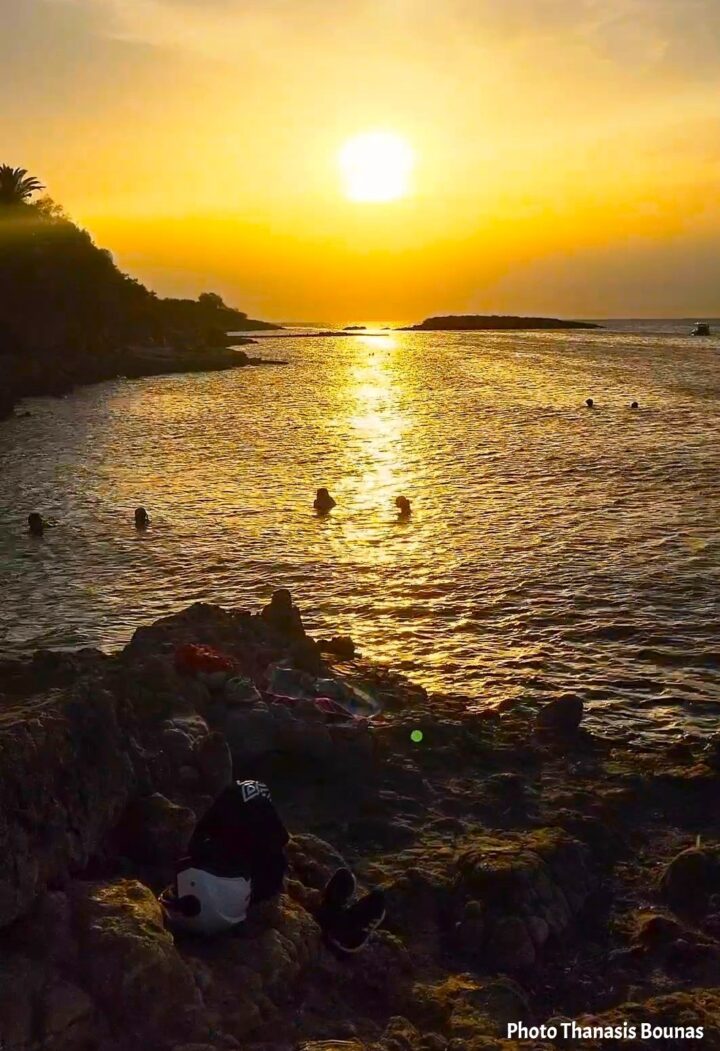
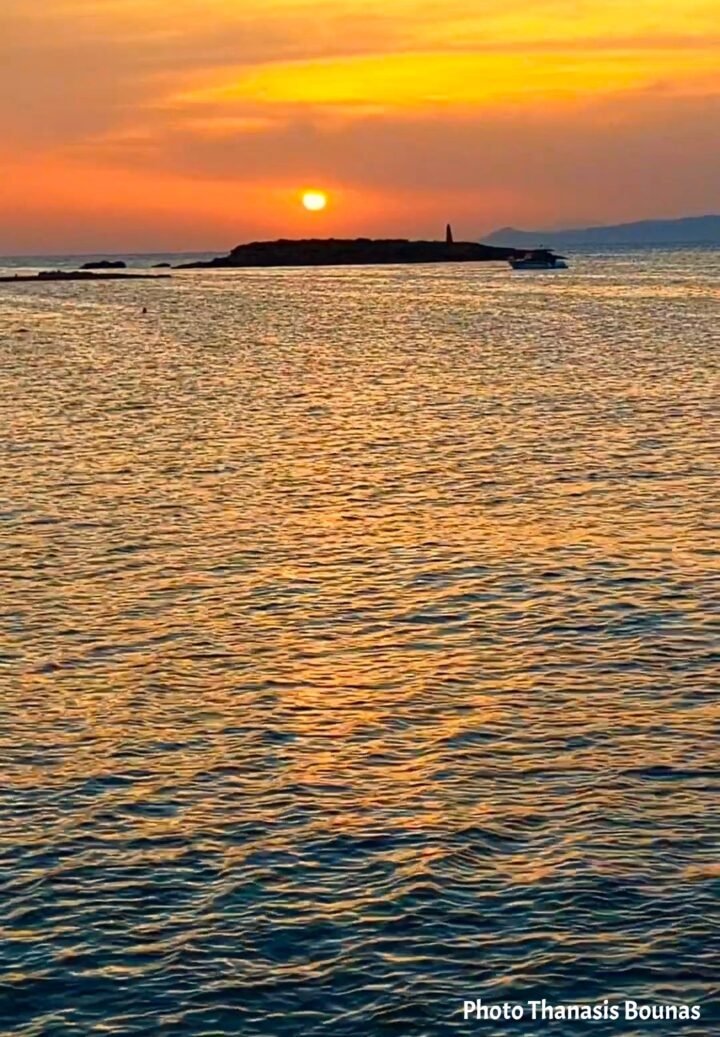
Sunset in Syros, Greece.
An Island at the Center of the Cyclades
Syros lies near the geographical heart of the Cyclades, surrounded by some of the most famous islands in Greece.
Its position gave the island a natural relationship with the sea long before modern tourism transformed the Aegean.
Sailing between the Cycladic islands makes this geography immediately understandable. From the water, the islands do not feel isolated. They appear as parts of a larger maritime landscape, separated by channels that have been crossed for thousands of years.
Syros occupies a particularly interesting position within this world.
The island’s story changed dramatically during the Greek War of Independence in the 1820s, when refugees from other parts of the Aegean settled there.
From this movement of people, commerce and maritime activity, a new city began to emerge.
The Rise of Ermoupoli
Ermoupoli developed rapidly during the nineteenth century.
Its name — the “City of Hermes,” the ancient god associated with commerce — reflected the commercial ambitions of the new settlement.
By the middle decades of the century, Ermoupoli had become one of the leading commercial and maritime centres of the newly established Greek state.
Ships arrived carrying goods from ports across the Mediterranean and Black Sea. Merchants established businesses, warehouses appeared around the waterfront, and the harbour became one of the busiest places in Greece.
For a period, Syros stood at the centre of Greek maritime commerce.
That history explains something immediately visible when approaching Ermoupoli from the sea today.
This is a city that faces the water.
Shipbuilding and the Maritime Life of Syros
Commerce was only part of the story.
Shipbuilding became another defining element of Syros.
The island developed an important shipbuilding industry during the nineteenth century, supported by the expanding merchant fleet and the activity of the harbour.
The waterfront became a place of constant movement: sailors, craftsmen, merchants and vessels connected Syros with destinations far beyond the Cyclades.
The maritime character of the island did not disappear when other Greek ports eventually grew in importance.
It remains embedded in the identity of Syros.
Even today, arriving by sea offers one of the most revealing views of Ermoupoli, with its buildings rising gradually from the waterfront toward the hills.
Syros from the Aegean Sea
The modern traveler encounters a much quieter world.
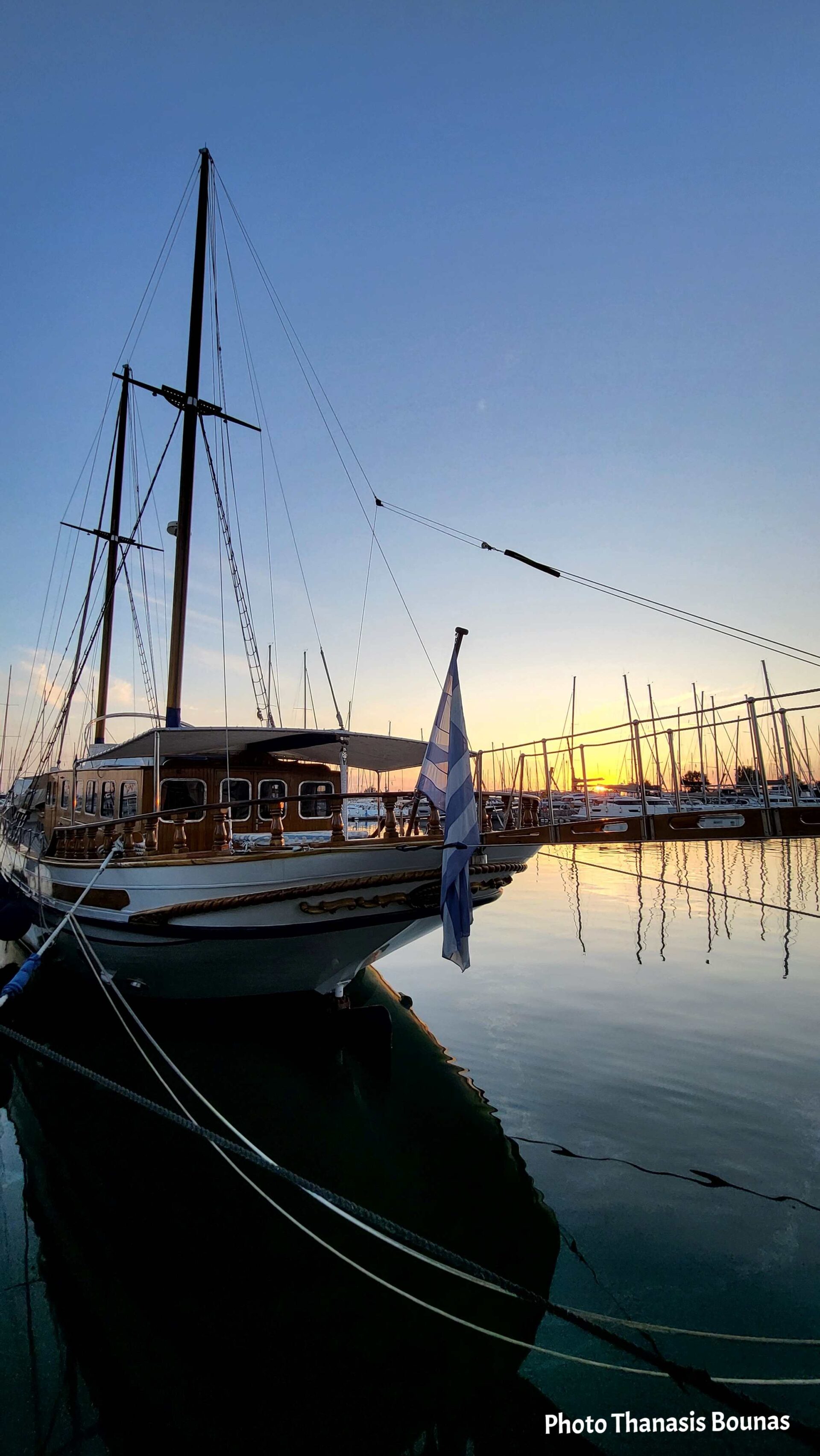
A sailboat crossing the Aegean toward Syros follows waters once travelled by merchant ships carrying people, ideas and goods throughout the Mediterranean.
The technology has changed completely.
The geography has not.
The mountains still appear on the horizon. Ermoupoli still looks toward the sea. And the surrounding Cyclades remain connected by the same stretches of blue water.
At sunset, when the light turns the Aegean gold and the island becomes a silhouette against the horizon, it is easy to see Syros simply as another beautiful Greek island.
But its history tells a deeper story.
Syros was not merely surrounded by the sea.
For generations, the sea was one of the reasons the island prospered.
And approaching it from the water remains one of the best ways to understand why.
Video & Editing by Thanasis Bounas
Discover more sailing and travel stories from Syros, Greece, the Cyclades and the Greek islands at Bounas.com