There is something special about travelling across the Aegean before the day has fully begun.
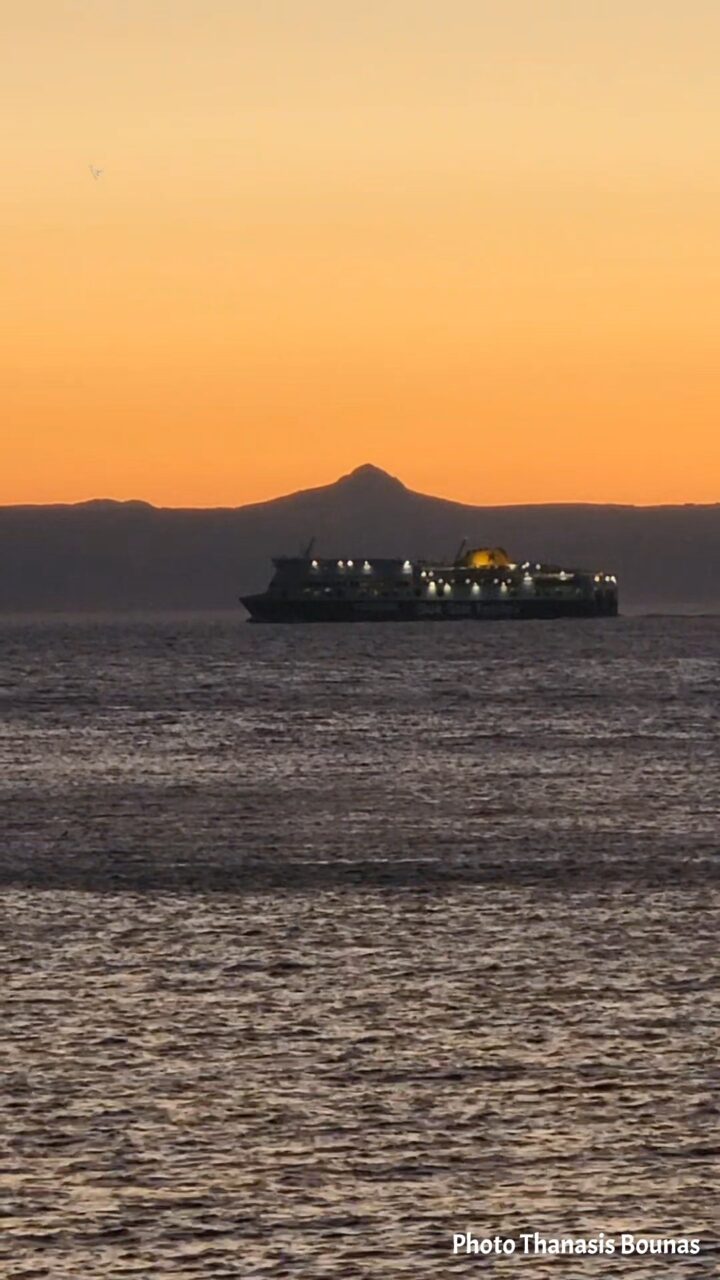
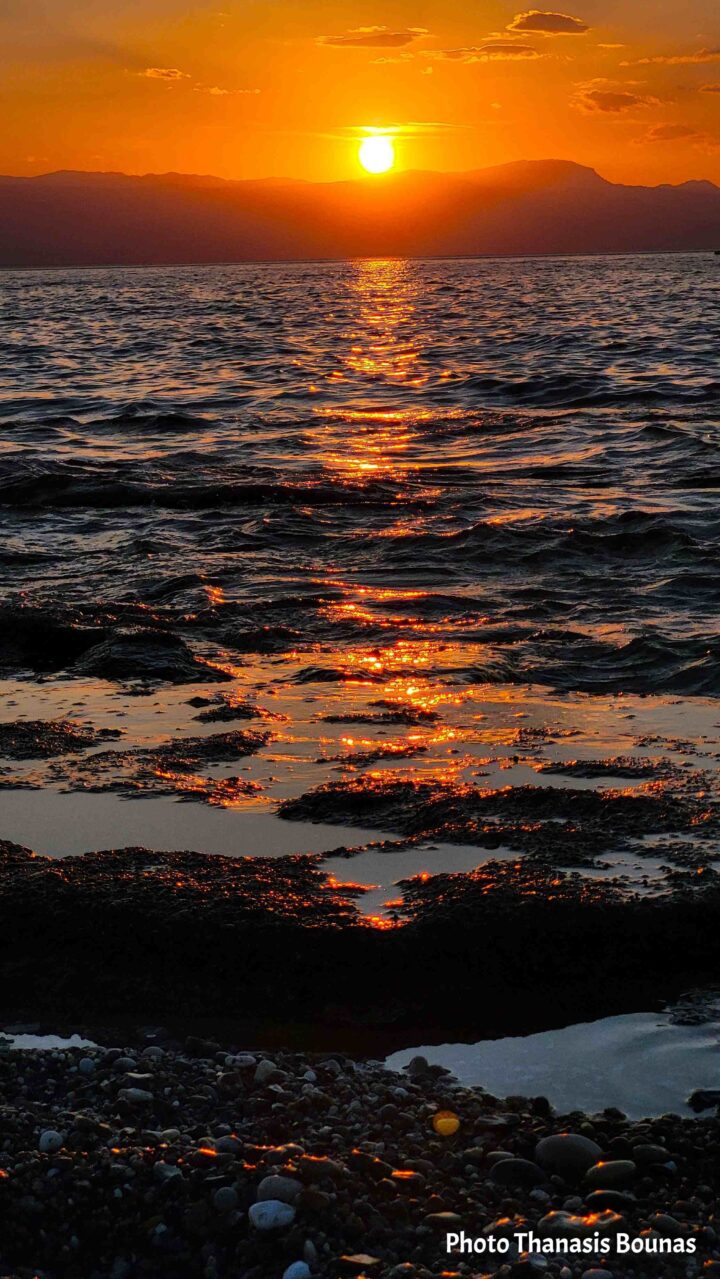
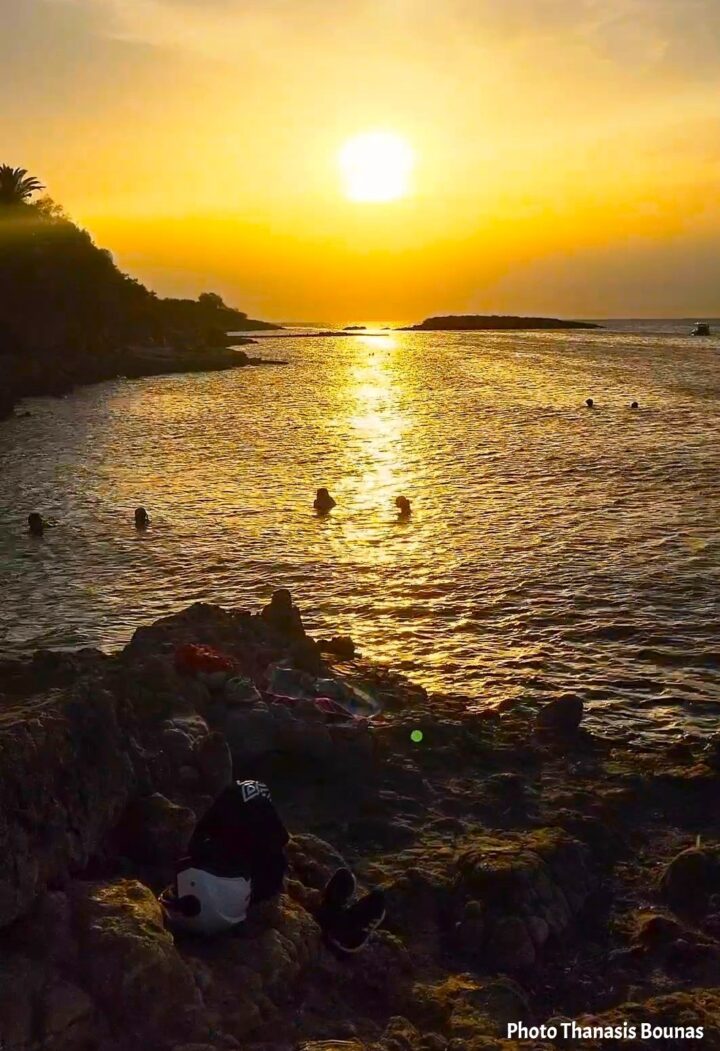
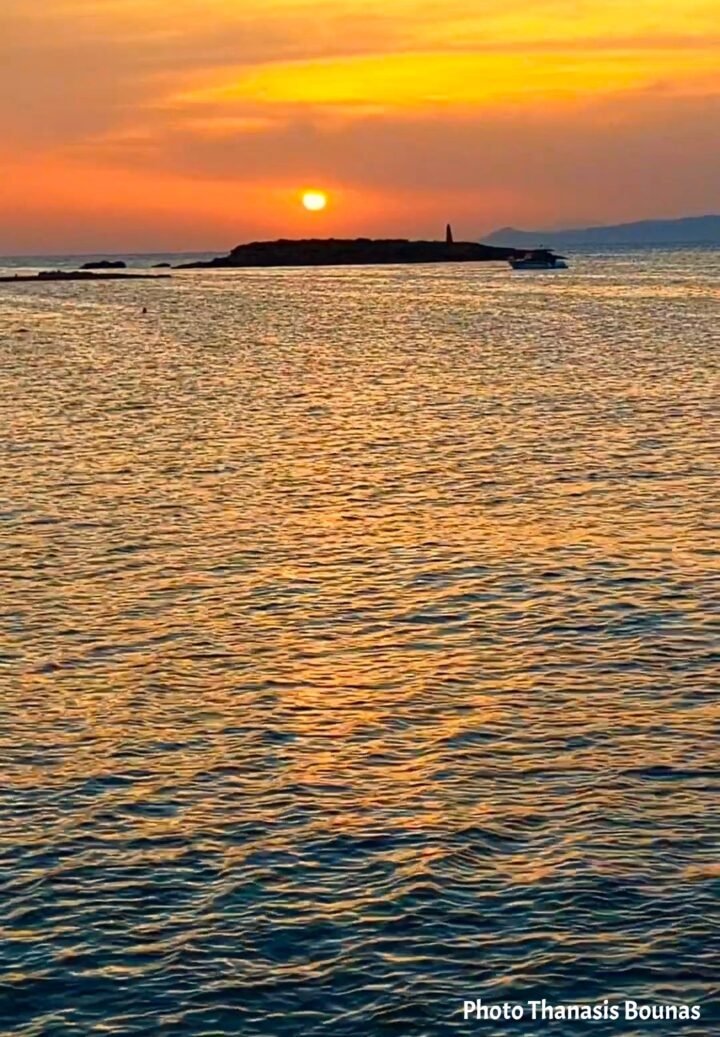
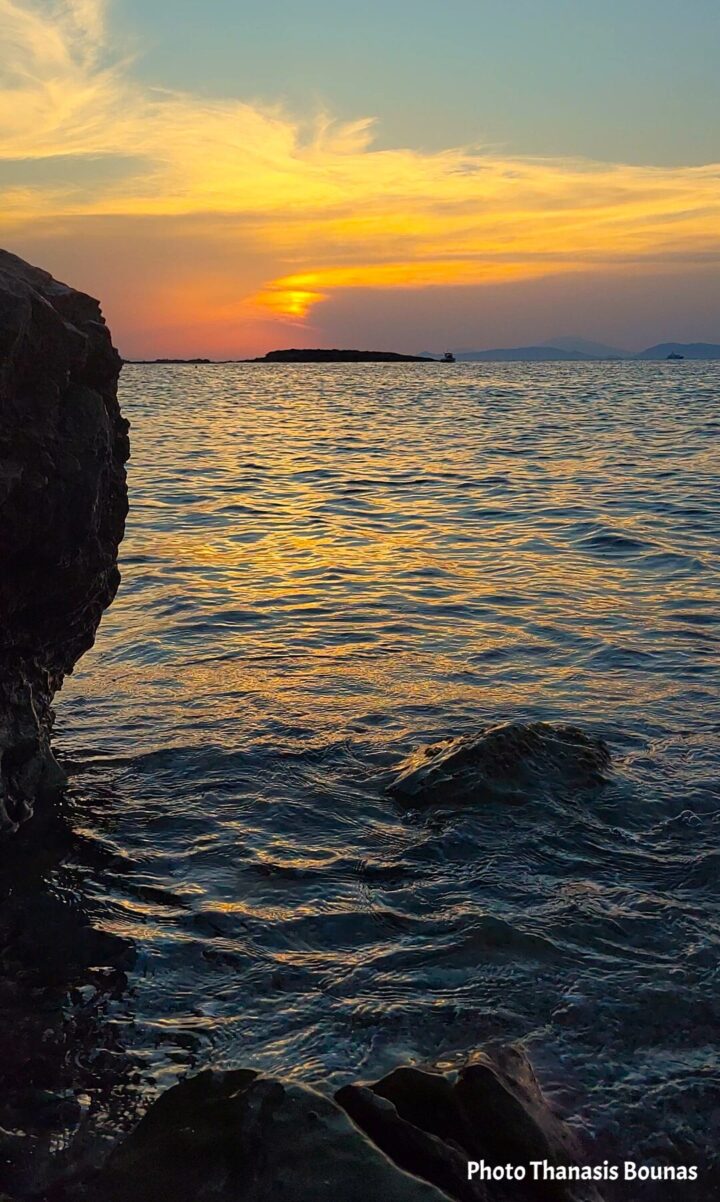
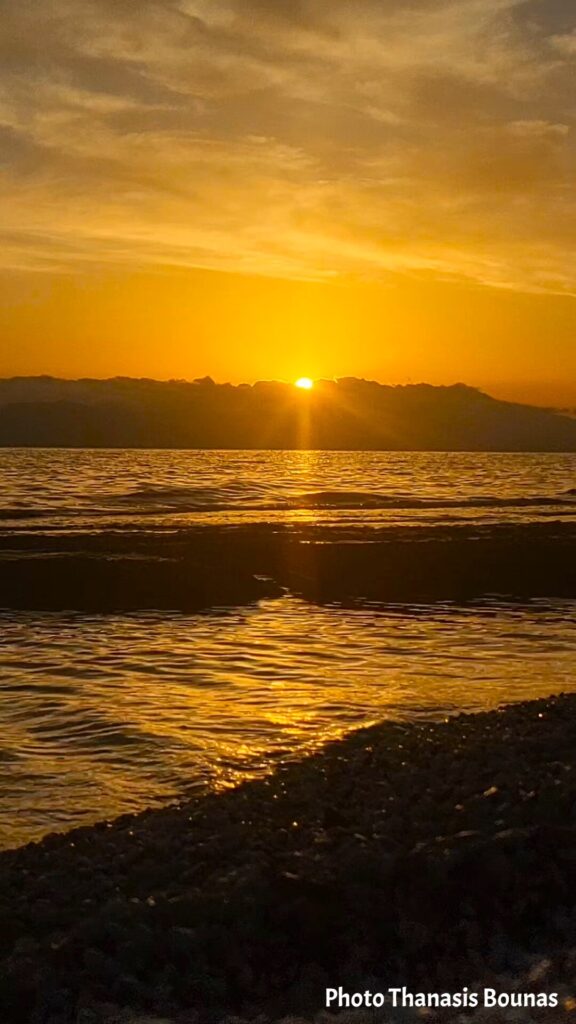
The sea is still dark, distant islands appear only as silhouettes, and the horizon slowly changes from grey to orange and gold.
On the journey toward Leros, Greece, the first light rises behind the mountains and spreads across the water.
For a few minutes, there is very little between the boat and the horizon.
Only the sound of the sea, the distant coastline and a new day beginning somewhere among the islands of the Dodecanese.
This is the journey to Leros.
Journey to Leros | Dodecanese, Greece
Approaching Leros at Sunrise
Morning at sea has a completely different character from the rest of the day.
Before the summer heat arrives, the colors are softer and the coastline can remain almost invisible until the first sunlight begins to reveal it.
Leros lies in the northern part of the Dodecanese, between Patmos and Kalymnos. Its position places the island within a chain of destinations that stretches across the southeastern Aegean.
Approaching an island this way changes the experience of arrival.
There is no sudden transition.
At first, there is only a dark shape on the horizon.
Then hills begin to appear.
The coastline becomes clearer.
A bay opens ahead.
Gradually, Leros emerges from the morning light.
Leros – An Island Shaped by the Sea
The relationship between Leros and the sea is immediately visible in its geography.
Its coastline is deeply indented, forming numerous bays, coves and natural harbors. From a boat, this gives the island a constantly changing appearance as headlands reveal new stretches of coast behind them.
Among its best-known harbors is Lakki, situated within one of the largest natural bays in the eastern Mediterranean.
Lakki also reveals an unusual chapter in the island’s more recent history. During the period of Italian rule in the Dodecanese, the settlement was extensively developed and became known for its distinctive Rationalist architecture.
Elsewhere, Leros changes again.
Small coastal settlements, hills and sheltered waters create an island whose character is closely connected with the sea.
It is a place that deserves more than a quick arrival and departure.
Sailing Through the Dodecanese
Leros is also part of a much larger island story.
Travelling through the Dodecanese connects destinations that can look remarkably different despite sharing the same southeastern corner of Greece.
South of Leros lies Kalymnos, with its rugged mountains, dramatic coastline and famous maritime tradition associated with generations of sponge divers.
Continue through the Aegean and Kos offers another character, combining beaches and fertile landscapes with an ancient history closely associated with Hippocrates.
Farther south, Rhodes stands at one of the great maritime crossroads of the eastern Mediterranean. Its history, harbors and strategic position made the island an important naval and commercial center from antiquity onward.
Beyond Rhodes, Karpathos rises dramatically between the Aegean and the waters leading toward Crete. Its mountainous landscape and strong local traditions give it an identity very different from the islands farther north.
To the west lies Astypalaia, officially part of the Dodecanese but with a landscape and architectural character that often seem to form a bridge toward the Cyclades.
And then there is Leros itself.
Kalymnos, Kos, Rhodes, Karpathos and Astypalaia may be separate destinations, but when travelling by sea they become parts of the same larger geography.
The islands give the journey its landmarks.
The Aegean connects them.
The Quiet Side of Sailing in Greece
Sailing is often associated with wind, navigation and reaching the next destination.
But some of its most memorable moments happen when very little is happening at all.
A sunrise at sea is one of them.
There are no crowded streets or busy beaches.
The day has barely started.
The boat continues forward while the sunlight slowly changes everything around it.
Water that appeared almost black becomes blue.
Mountains that were silhouettes begin to reveal their shape.
The golden reflection of the sun stretches farther across the sea.
These are moments that are difficult to plan.
You simply have to be there when they happen.
When Leros Appears Ahead
Eventually the sunrise is no longer the main event.
The sun climbs higher and Leros becomes clearer ahead.
The journey begins to turn into an arrival.
Soon there will be harbors to enter, coastlines to explore and places on the island to discover.
Those stories can come later.
For now, the memory is simpler.
A boat crossing the Aegean.
A dark island on the horizon.
The first golden light of morning.
And Leros slowly appearing ahead.
Sometimes travelling through Greece is not only about where you arrive.
It is about watching the destination emerge from the sea.
FAQ
Where is Leros in Greece?
Leros is part of the Dodecanese island group in the southeastern Aegean Sea. It is located between Patmos and Kalymnos.
What is Leros known for?
Leros is known for its deeply indented coastline, sheltered bays and harbors, as well as the distinctive 20th-century architecture of Lakki.
Is Leros part of the Dodecanese?
Yes. Leros is one of the islands of the Dodecanese in Greece.
Which Dodecanese islands can be combined with Leros?
A wider journey through the region can include islands such as Kalymnos, Kos, Rhodes, Astypalaia and, on longer routes through the southeastern Aegean, Karpathos.