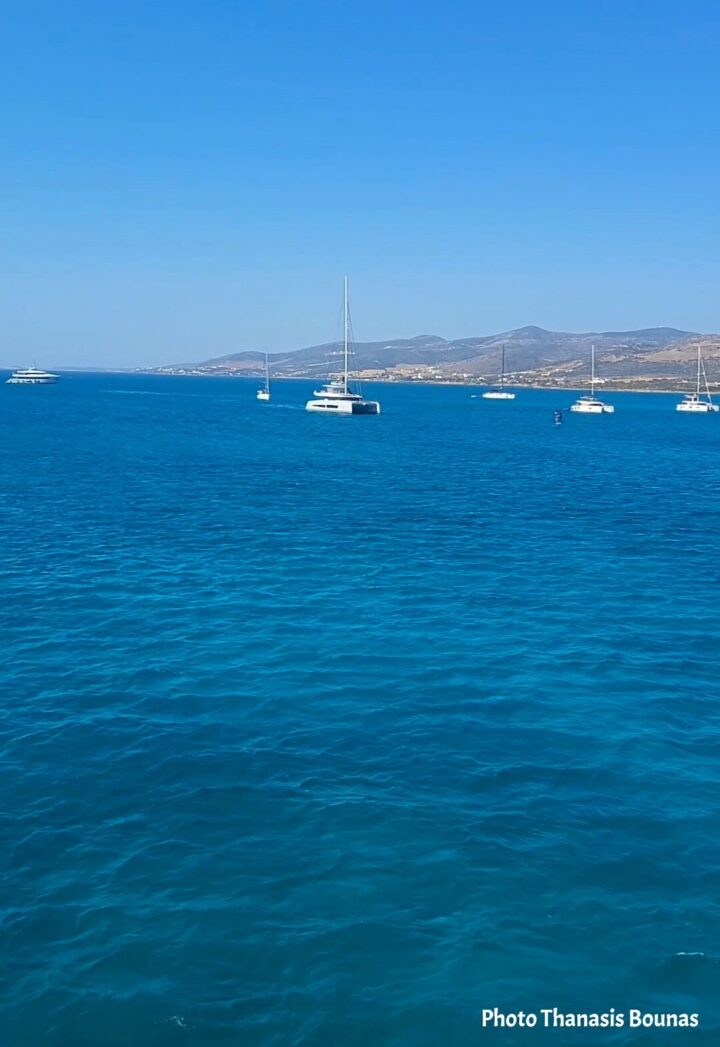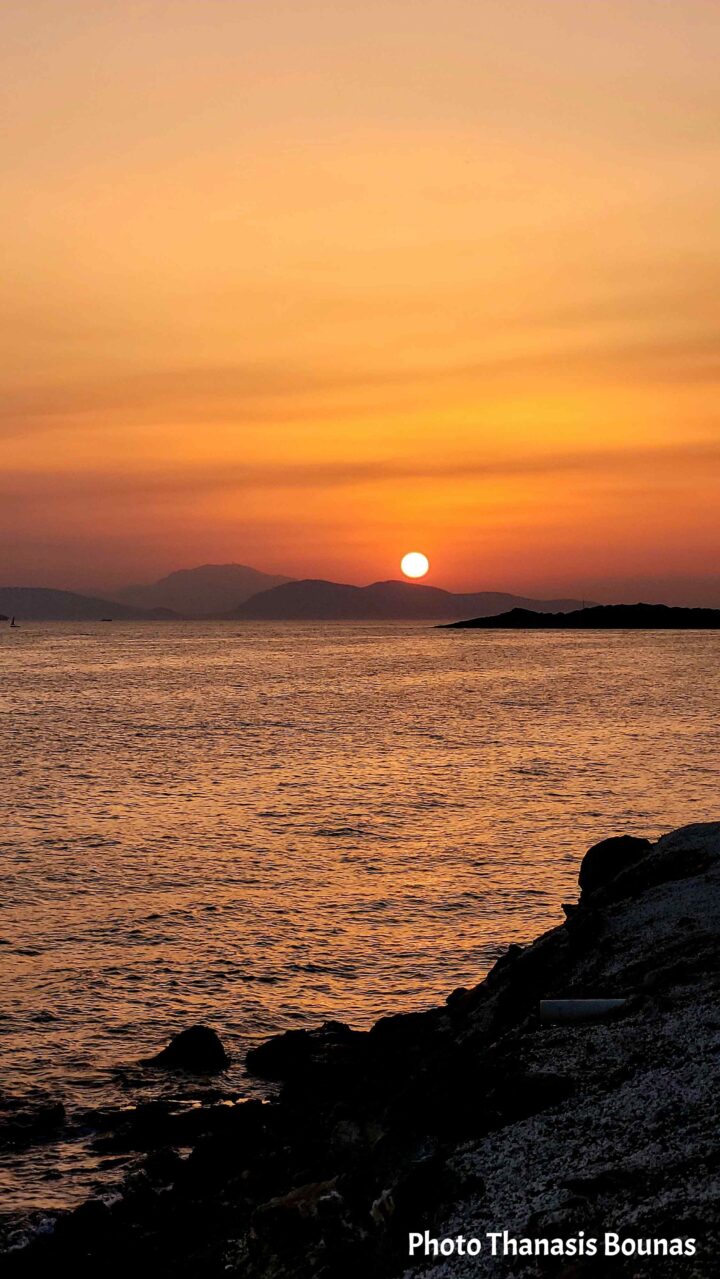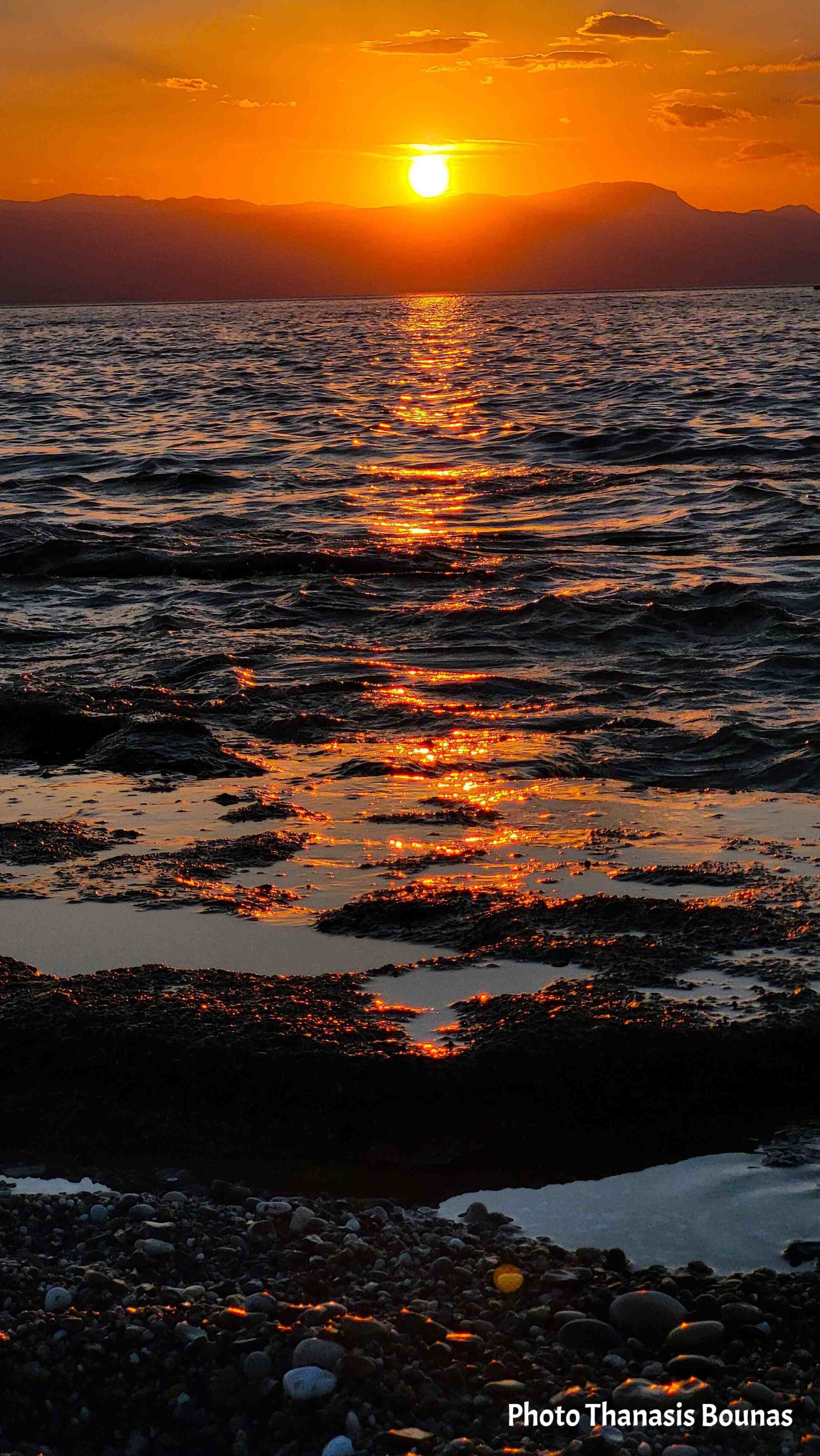
There are evenings when the landscape seems to change simply because of the light.
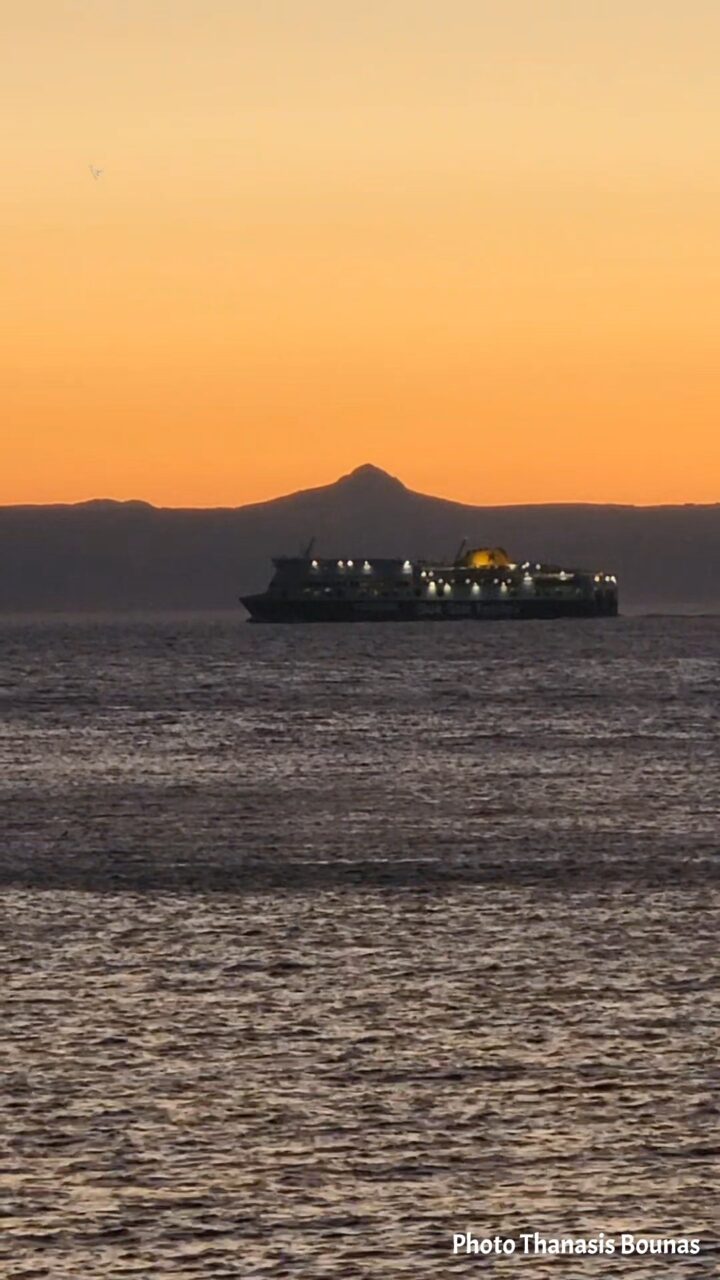
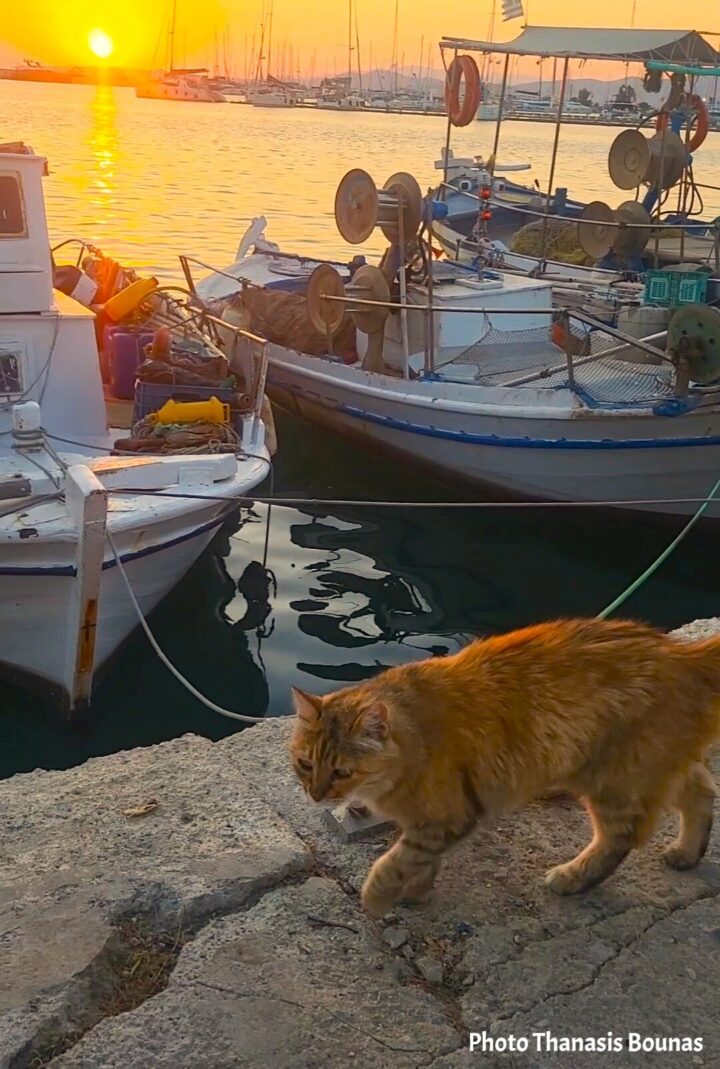
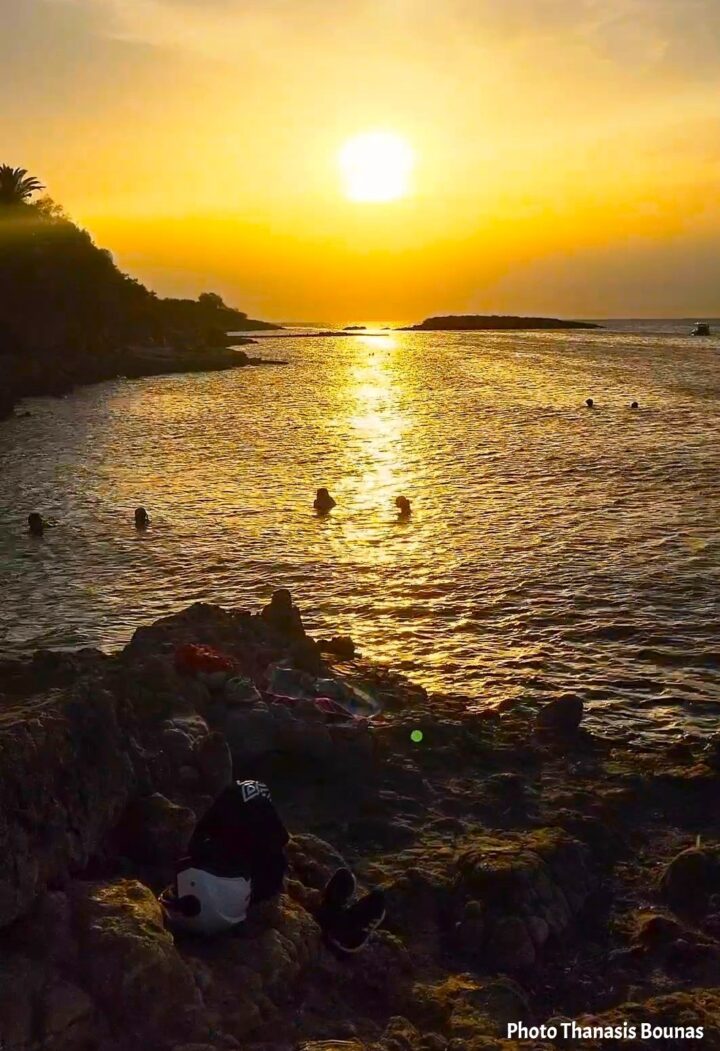
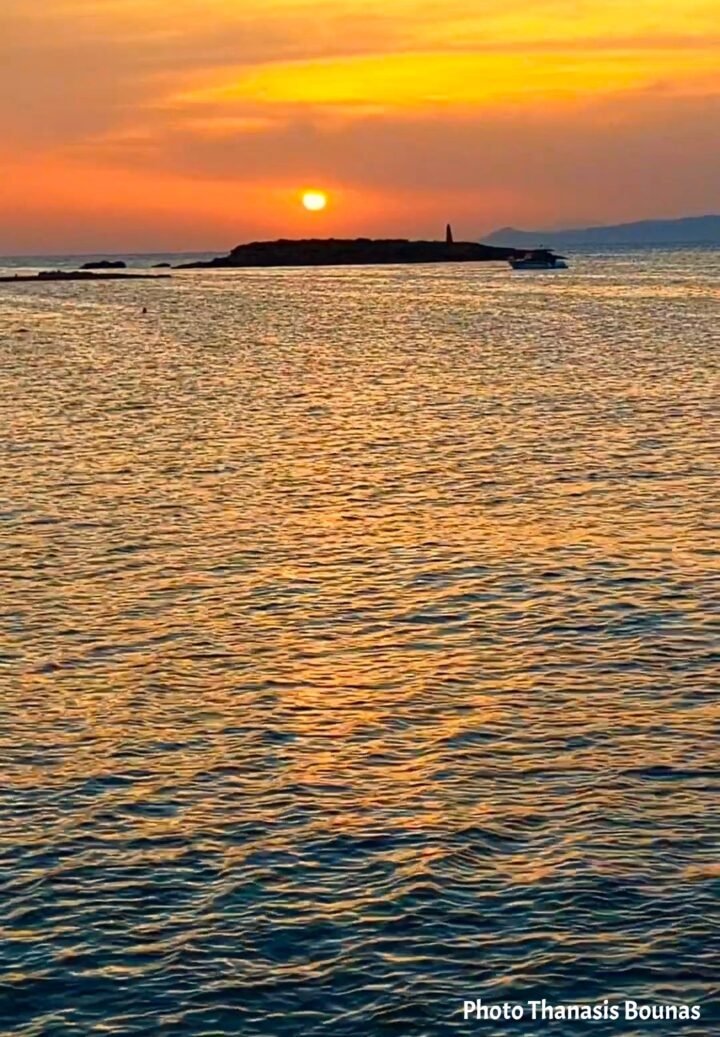
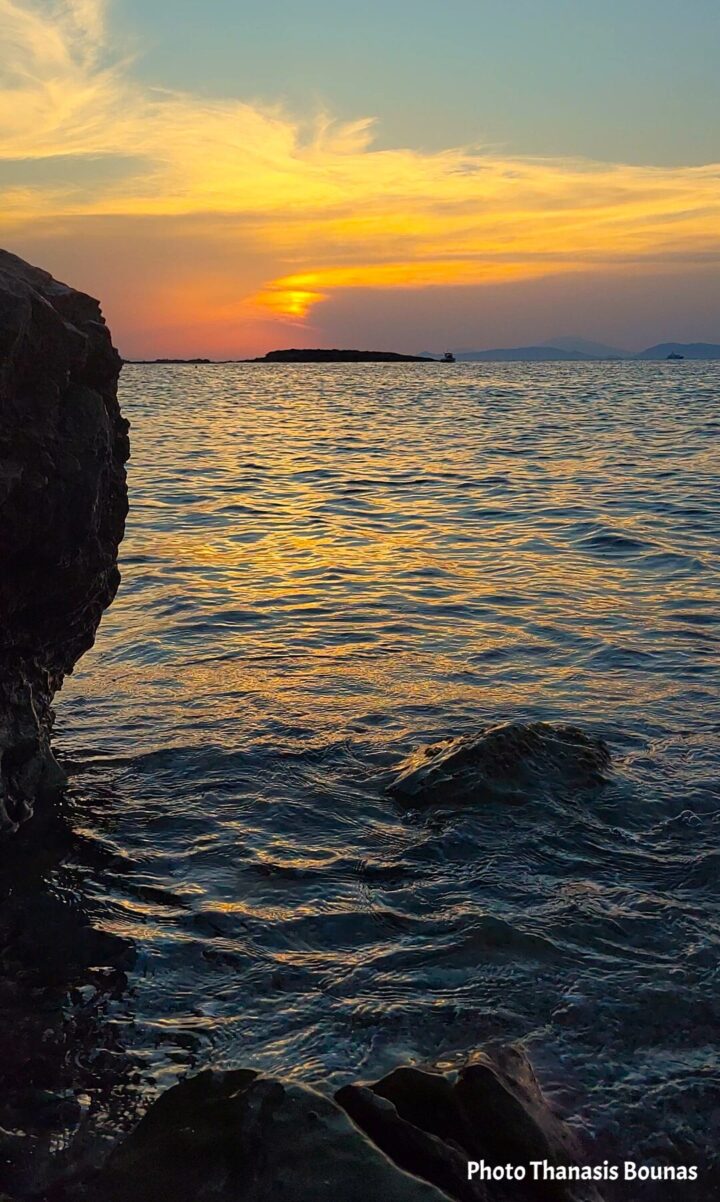
In Loutraki, on the coast of the Corinthian Gulf, sunset can transform the sea into a long path of gold. The mountains become silhouettes, the horizon softens, and the last Mediterranean light stretches across the moving water.
It is a simple scene, but one that captures something essential about traveling through Greece.
You do not always need a famous monument or a crowded destination.
Sometimes the sea and the setting sun are enough.
Golden Sunset in Loutraki, Greece.
Loutraki Between the Mountains and the Sea
Loutraki lies on the eastern coast of the Corinthian Gulf, close to the narrow Isthmus of Corinth that separates mainland Greece from the Peloponnese.
Its relationship with the sea has always shaped its character.
Looking west from the coastline, the Gulf opens between mountainous landscapes, creating a completely different atmosphere from the nearby Saronic Gulf and Athens Riviera.
The water can change character throughout the day, but evening brings one of its most beautiful transformations.
As the sun begins to descend, the intense daylight fades and warmer colors slowly spread across the horizon.
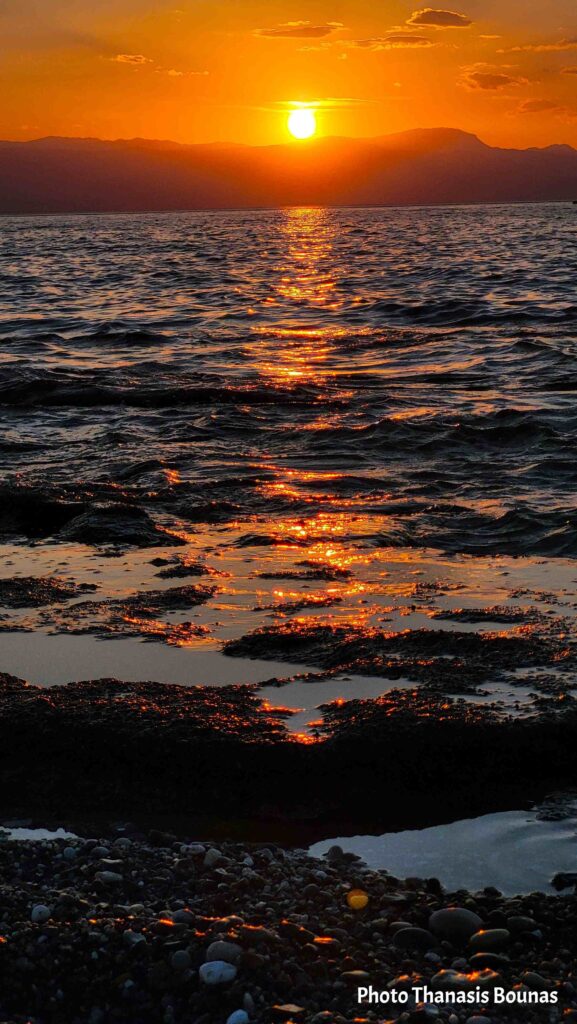
Sunset Over the Corinthian Gulf
From the shore, the sunset is beautiful.
From the water, it becomes something else.
The coastline begins to recede, the mountains darken and the reflections of the sun move continuously with the waves.
Sailing through the Corinthian Gulf during these final hours of daylight gives the landscape a sense of scale that is difficult to experience from land.
There are moments when almost everything disappears into silhouette.
Only the golden trail of sunlight remains on the water.
It is one of those scenes where there is very little to describe because the light does most of the work.
A Coast Shaped by History
Loutraki also sits beside one of the most historically significant corridors in Greece.
Only a short distance away is ancient Corinth, a city that became one of the major commercial powers of the ancient Greek world because of its strategic position between two seas.
The Corinth Canal, completed in 1893, eventually cut through the Isthmus and created a direct maritime passage between the Corinthian and Saronic gulfs.
Farther along the coast, the Heraion of Perachora preserves the remains of an ancient sanctuary dedicated to Hera, while the nearby Melagavi Lighthouse, first lit in 1897, still stands above the entrance to the Corinthian Gulf.
These places give the coastline around Loutraki a depth that is easy to overlook when watching a peaceful sunset.
The landscape is quiet today, but people have been crossing, navigating and observing these waters for thousands of years.
When the Light Disappears
Eventually the golden reflection becomes narrower.
The sun approaches the mountains and the colors begin to fade.
Another evening on the Greek coast is ending.
Yet this is exactly why places such as Loutraki stay in the memory.
Not because every moment needs to be spectacular, but because occasionally the sea, the mountains and the Mediterranean light come together perfectly.
For a few minutes, the Corinthian Gulf turns gold.
And then the light is gone.