A Vessel That Still Speaks
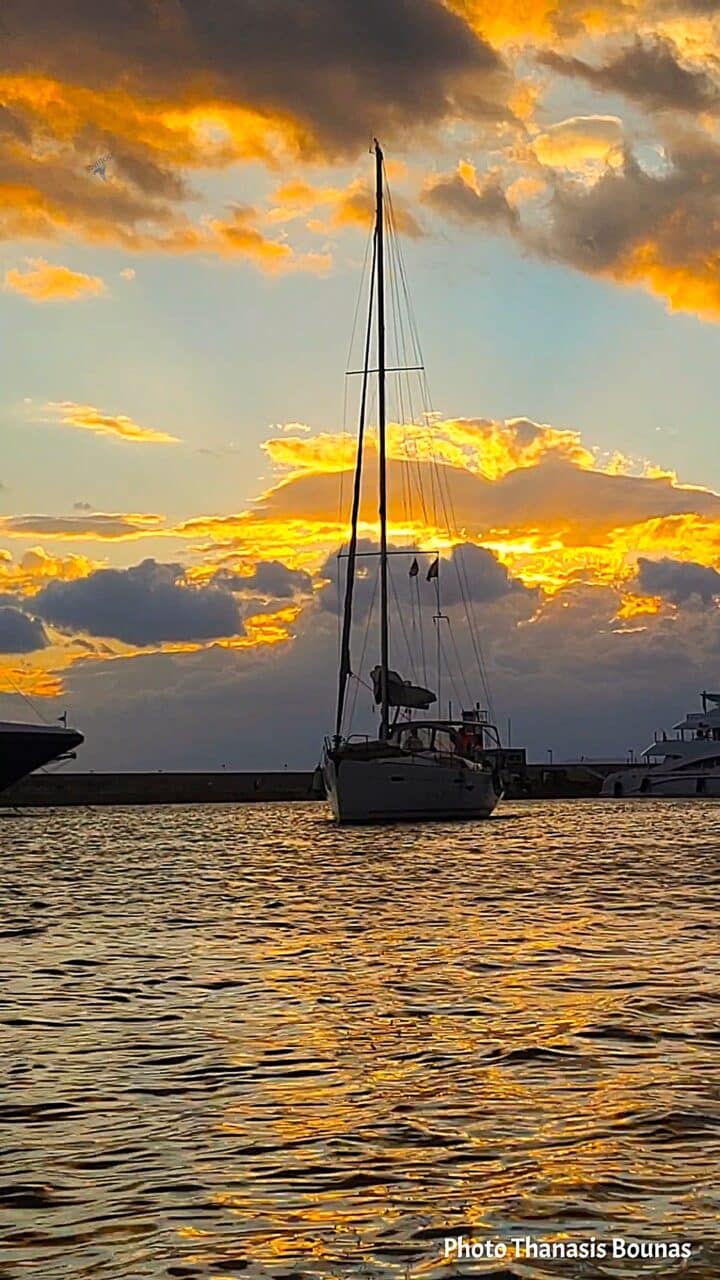
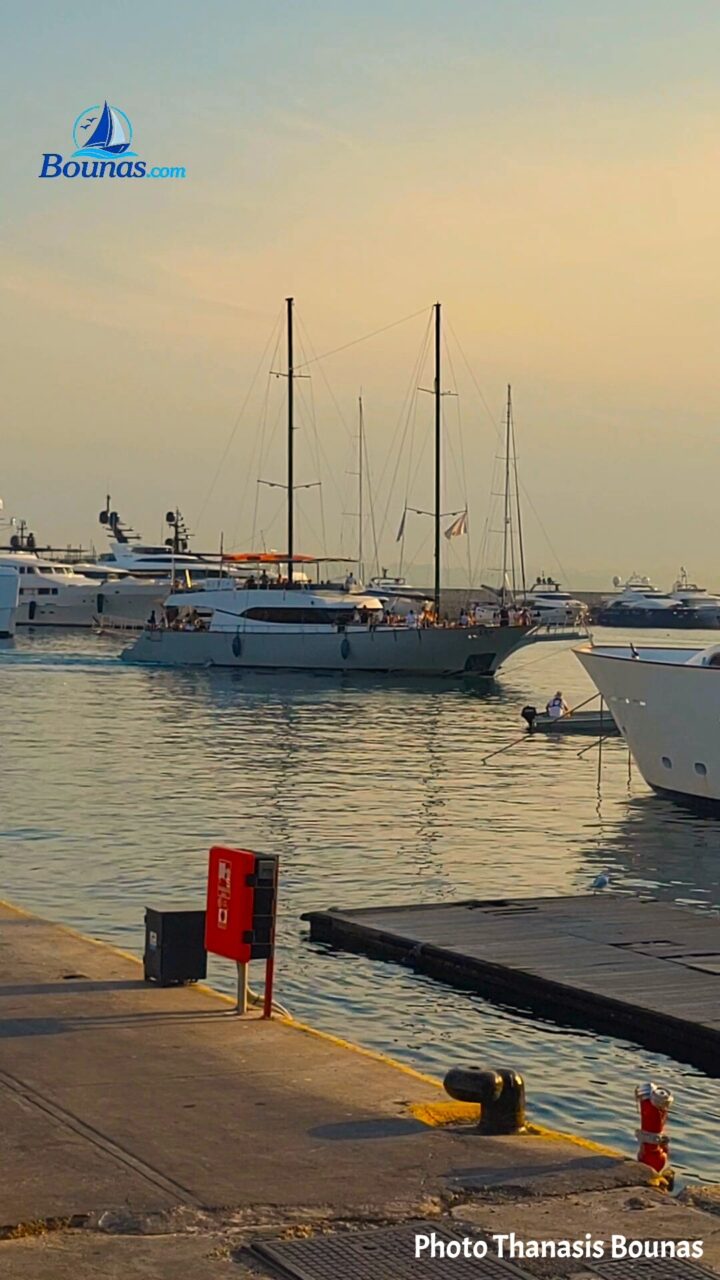
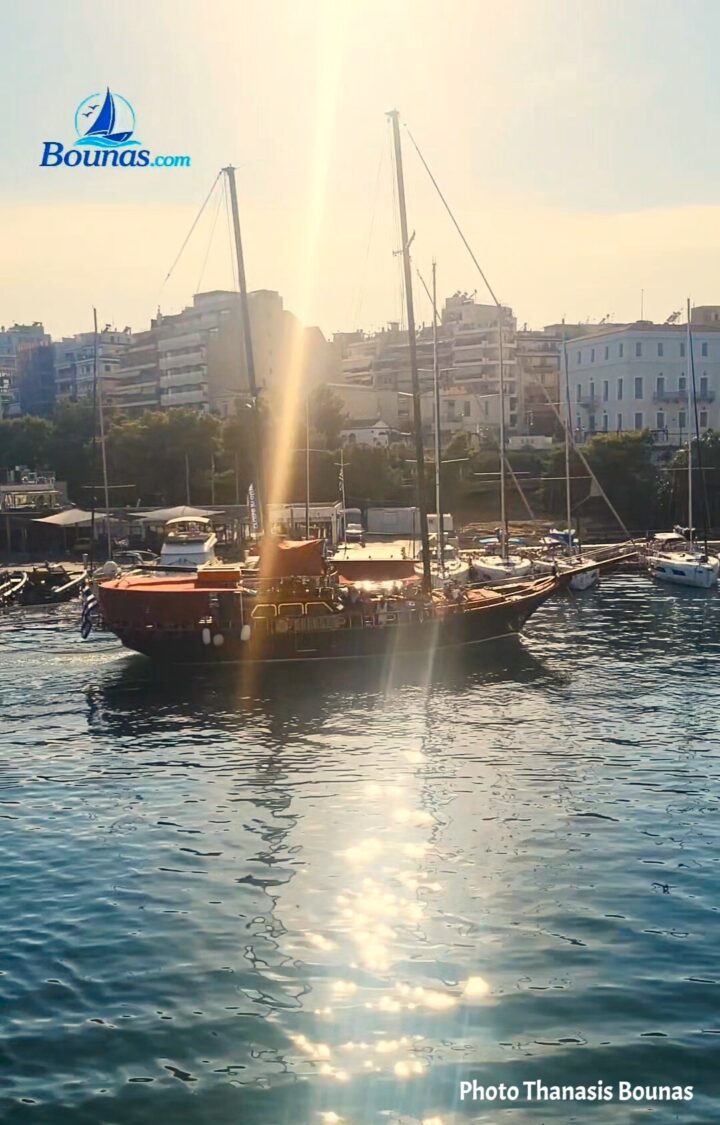
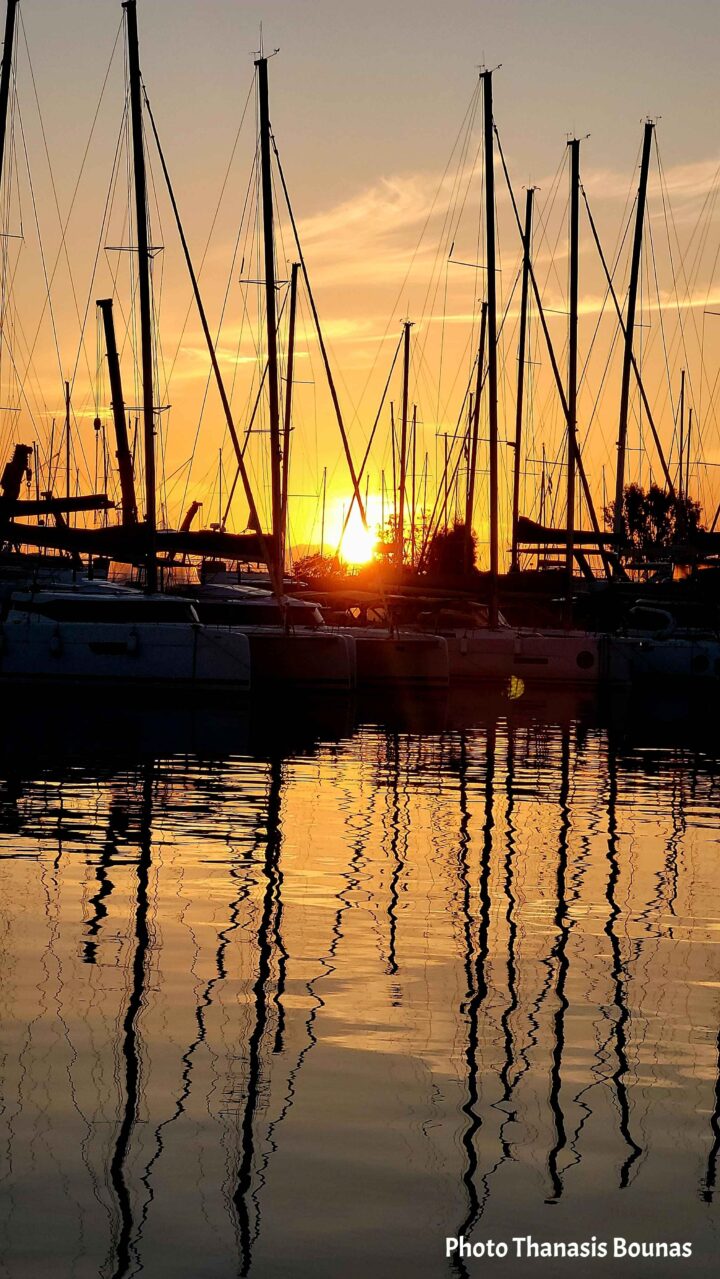
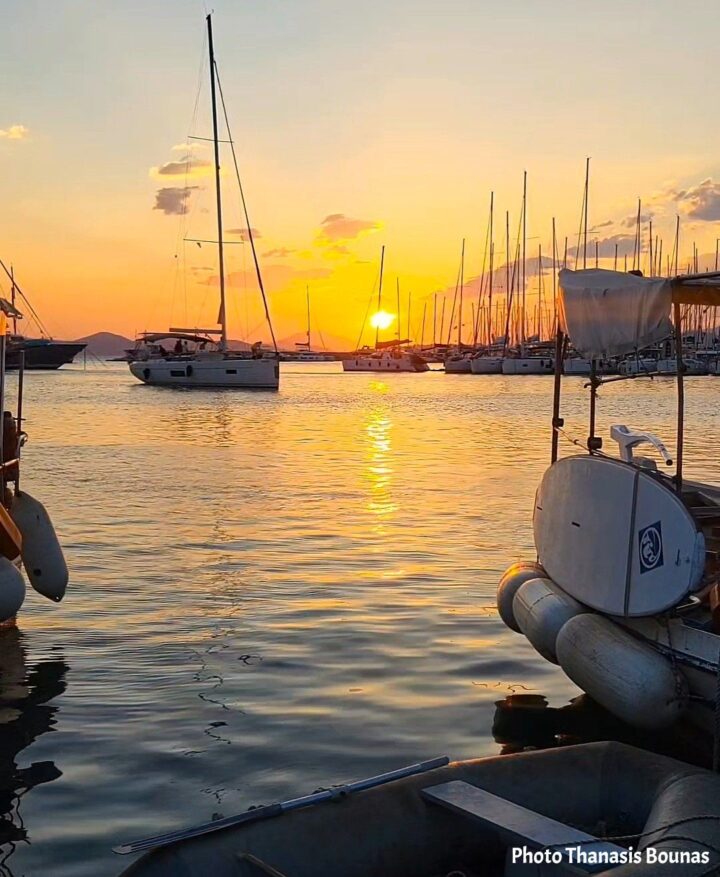
Moored in a Mediterranean harbor, a reconstructed ancient Greek trireme rests with quiet presence.
Its long wooden body, aligned oars, and curved stern are not just elements of design — they are traces of movement that once depended on human coordination and shared purpose.
Even without motion, the vessel carries direction.
Beyond Observation
Standing beside it, the experience shifts from looking to sensing.
This is not simply an object from the past. It feels active in a different way — as if it still holds the rhythm of those who once moved it across open water.
Connection appears here without effort.
It does not need explanation.
The Sea as Continuity
Across centuries, the Mediterranean has remained a space of passage.
Ships have changed.
Cities have expanded.
Technology has transformed movement.
Yet the relationship between people and the sea remains consistent — a continuous line linking different eras through the same horizon.
Shared Movement, Different Time
The trireme represents collective motion.
Every oar required coordination. Every direction required trust. It was never about one individual, but about alignment.
Today, the context is different, but the idea persists in subtle ways — in how people travel, gather, and move through shared spaces.
Recognizing Something Without Knowing Why
There is a moment when familiarity appears without a clear reason.
You may not have lived this history.
You may not fully understand it.
And still, something resonates.
This is where connection becomes real — not through knowledge, but through recognition.
Travel as a Link Across Time
Encounters like this reveal something essential:
Travel is not only about new places.
It is also about rediscovering what already exists within human experience.
The past is not distant.
Sometimes, it is simply waiting — anchored, visible, and quietly present.