A Craft That Carries History
In Greece, wooden boats are not just vessels—they are part of a living tradition.
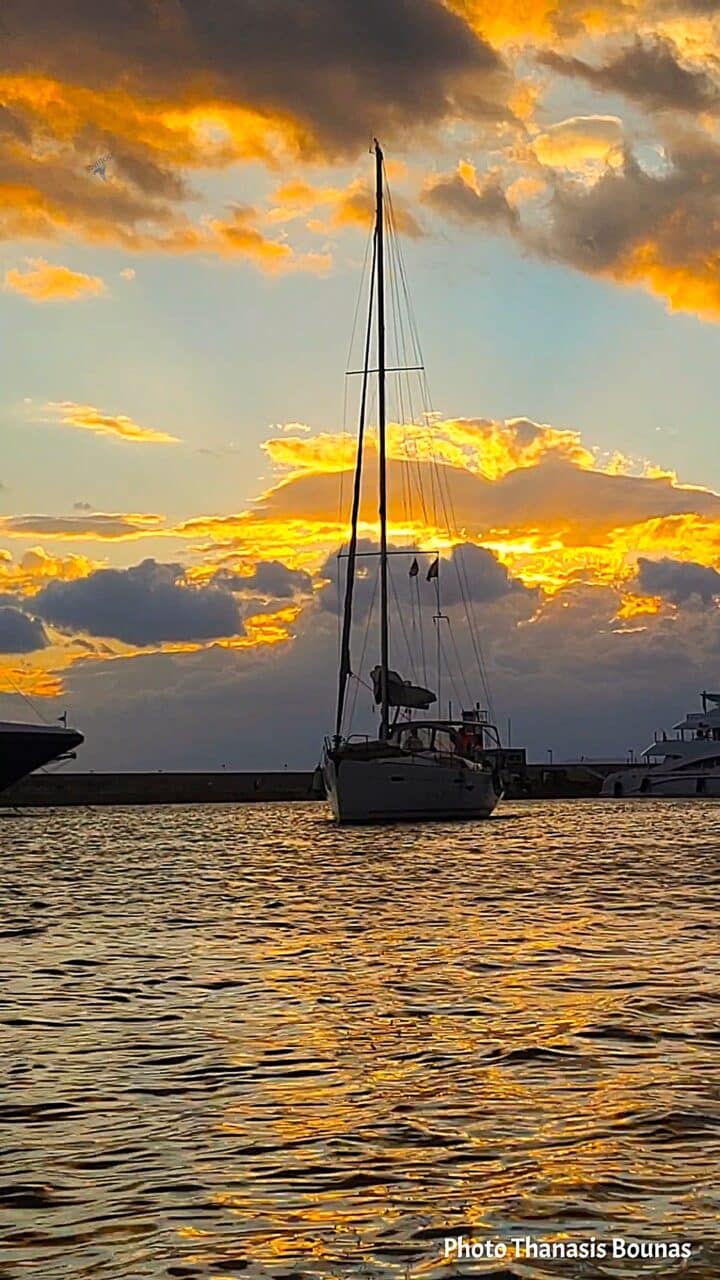
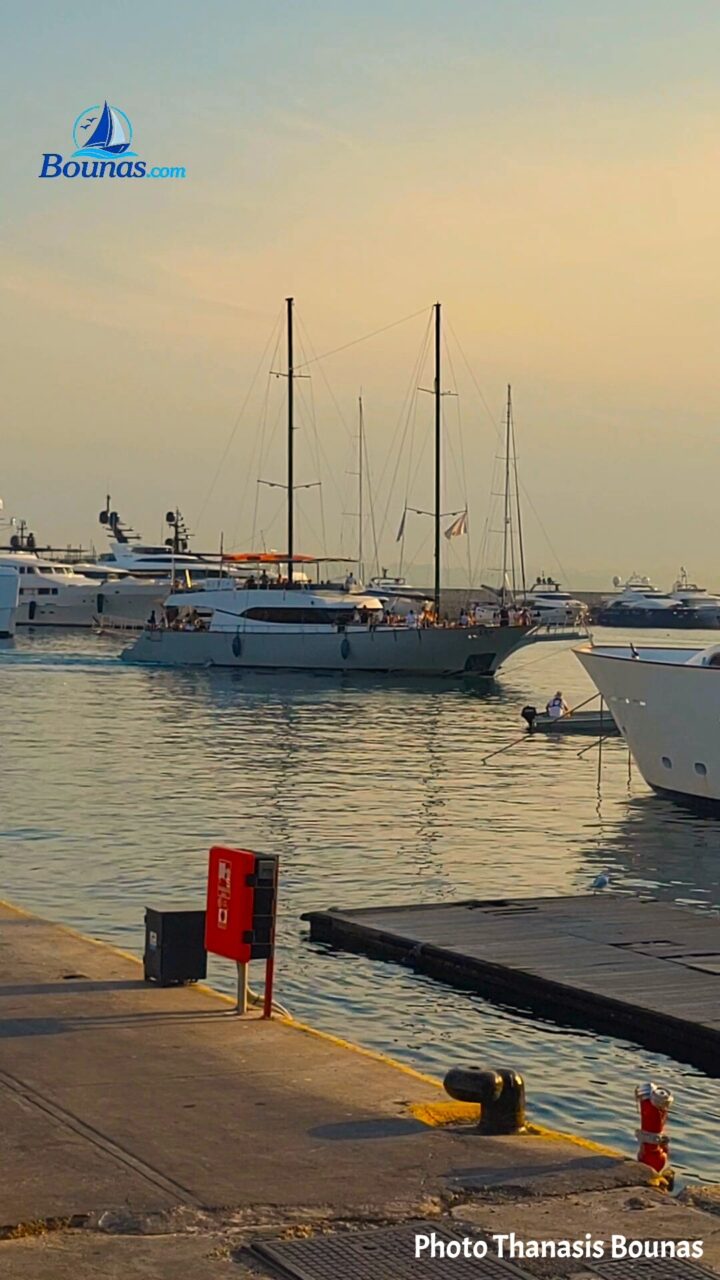
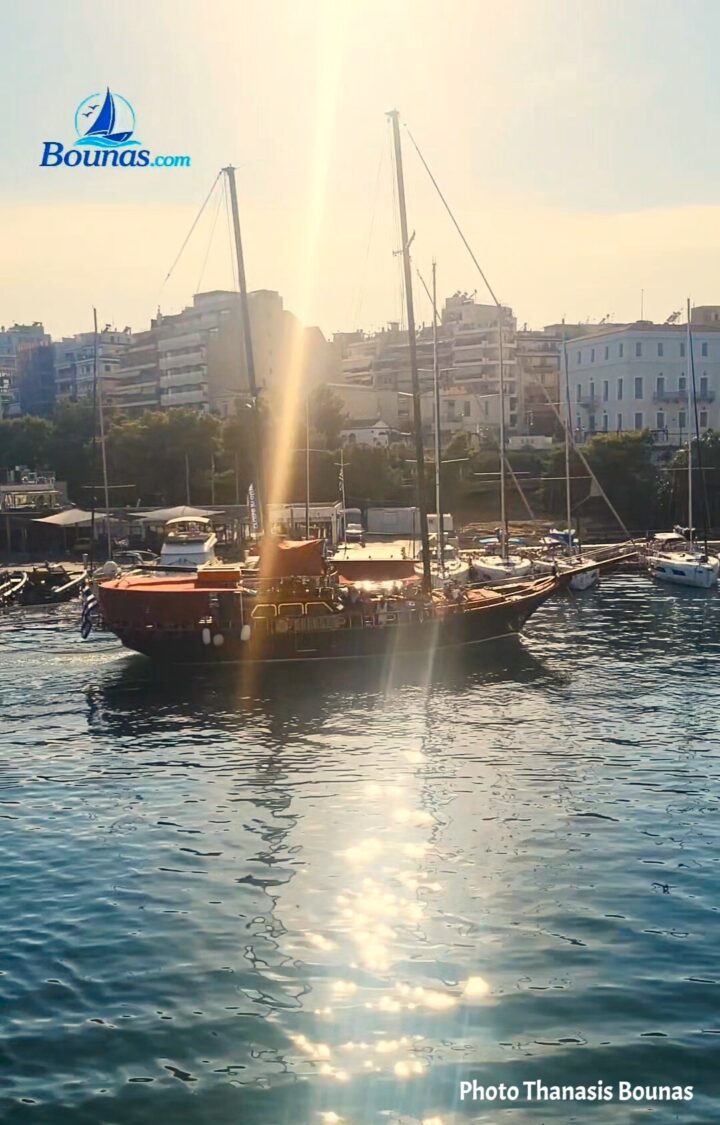
Walking along a marina and seeing a handcrafted wooden sailboat gently moving with the water, you immediately feel that this is something different. The texture of the wood, the details of the construction, the balance of the design—everything tells a story connected deeply with sailing.
It’s not just about sailing.
It’s about continuity.
A Tradition That Begins in Ancient Greece
The tradition of wooden boat building in Greece goes back thousands of years.
As early as ancient times, Greek civilizations depended on wooden ships for trade, exploration, and early forms of sailing across the Aegean Sea. From the early Aegean cultures to the Classical period (5th century BC), shipbuilding was a highly developed craft.
The famous triremes—warships that played a crucial role in naval battles like Salamis in 480 BC—were entirely constructed from wood, combining engineering knowledge with deep understanding of the sea.
This tradition did not disappear.
It evolved.
Through the Byzantine era, the Ottoman period, and into modern Greece, wooden boats remained essential for fishing, transport, and sailing across the Greek islands and coastal regions.
The Experience: Seeing Tradition Up Close
Standing next to a wooden boat like this, you don’t just see a vessel—you see craftsmanship.
Every curve, every joint, every line of the boat reflects years of experience passed from one generation to the next.
These boats are not mass-produced. They are built with patience, skill, and respect for the sea.
Even today, in small shipyards across Greece, artisans continue to build and restore wooden boats using traditional techniques that have been preserved for centuries—keeping the spirit of sailing alive.
It’s a quiet kind of knowledge—but a deep one.
Why Wooden Boats Still Matter in Greece
In a world of modern materials and technology, wooden boats in Greece still hold a special place.
They represent a connection—to history, to the sea, and to identity.
The knowledge behind them is not written only in books. It lives in hands, in experience, and in tradition.
From small fishing boats to larger sailing vessels, the legacy of wooden shipbuilding in Greece remains alive.
And when you see one resting in a harbor, you’re not just looking at a boat.
You’re looking at thousands of years of history—still floating.