When a Vessel Stops Moving
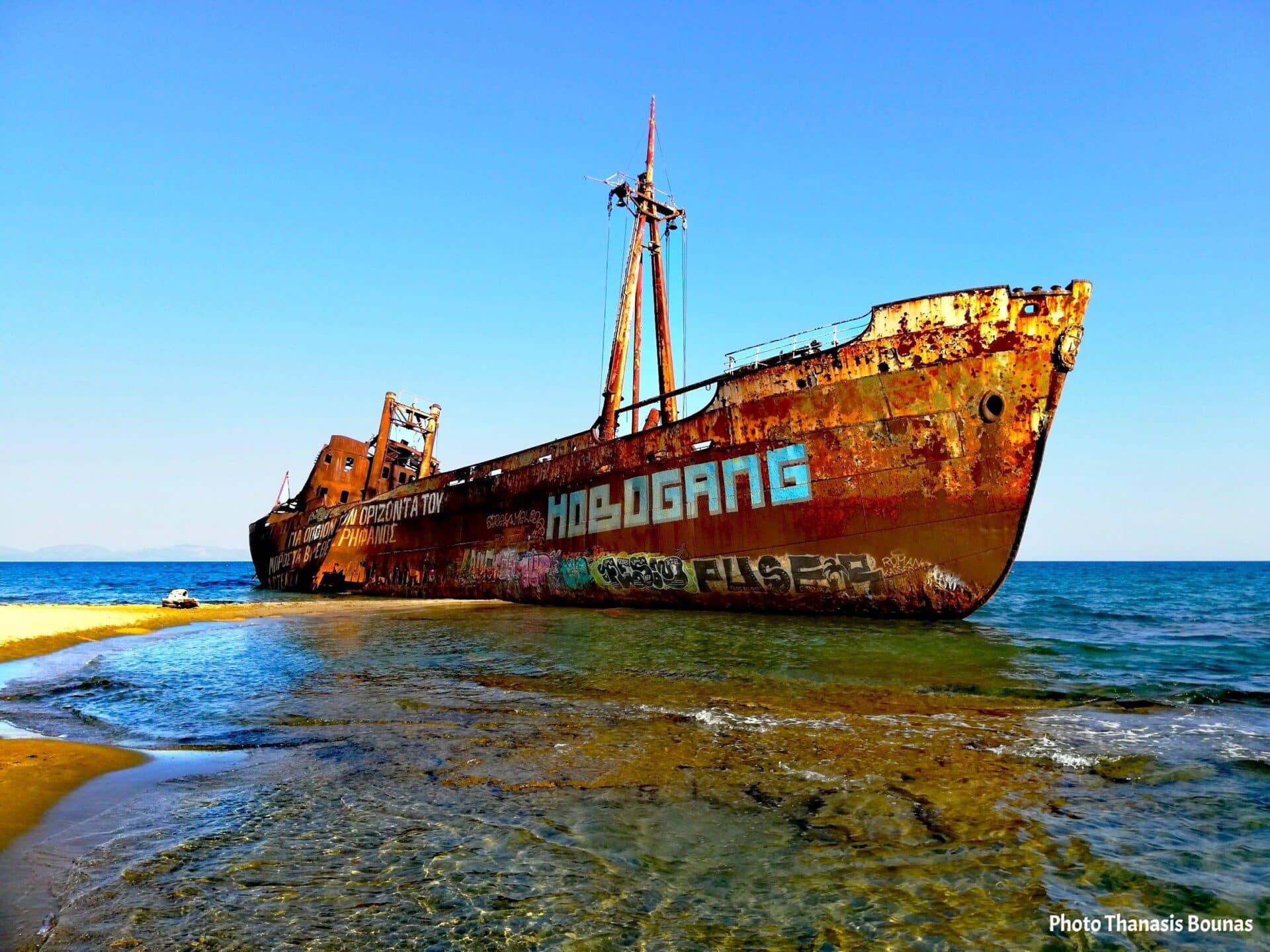
The hull no longer travels.
Yet the sea does not let it go.
Connection in sailing is not always motion.
Sometimes it is what remains when movement ends.
A ship rests, but the relationship continues.
Water still touches steel.
Time still speaks to form.
Psychologically, this is attachment beyond action.
The mind stays connected even when direction dissolves.
Rust as Memory
Salt has written its history here.
Layer by layer.
Rust is not decay alone.
It is memory exposed.
A record of waves, storms, waiting.
In sailing psychology, connection survives through traces.
The body remembers the helm.
The eyes remember the horizon.
Even when the vessel no longer answers the wind.
This echoes what was explored in
Presence in Sailing Where the Bow Learns to Wait
The Shore Between Sea and Self
This ship stands between water and land.
Neither fully held.
Neither fully released.
Connection lives in this in-between.
In psychology, it is the space where identity softens.
Where the traveler is no longer moving,
yet not finished becoming.
Sailing teaches this gently.
You do not always sail forward.
Sometimes you remain, and remain connected.
When Sailing Becomes Inner Navigation
Connection is not speed.
It is continuity.
The sea does not ask this vessel to leave.
It only keeps touching it.
In the psychology of travel and sailing,
connection is the awareness that journey does not end with arrival,
and movement does not disappear with stillness.
Some vessels sail.
Others remember.
Both belong to the sea.