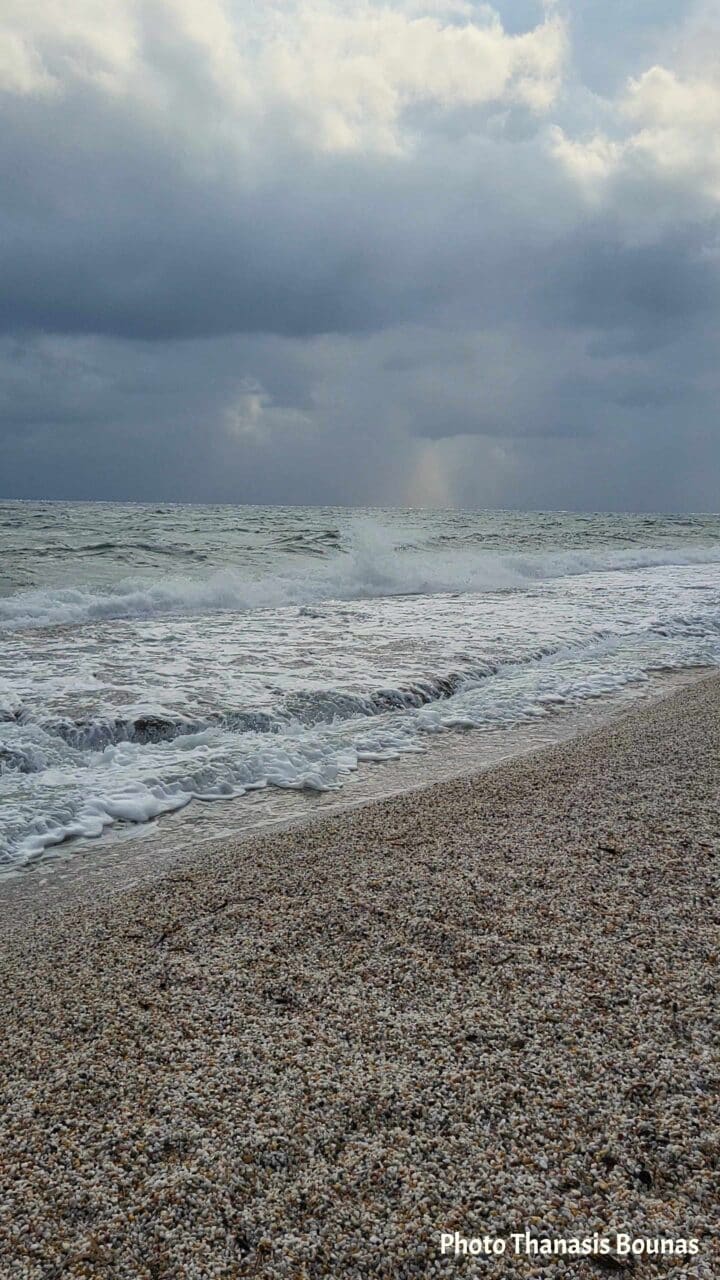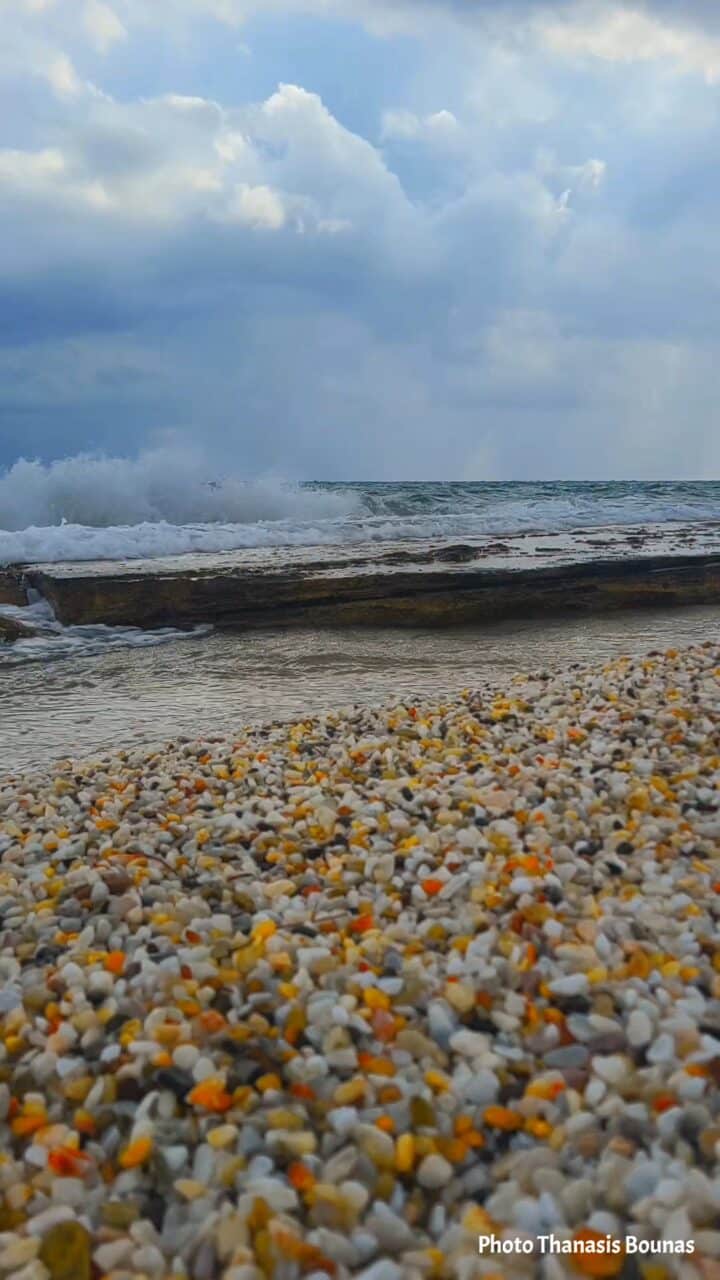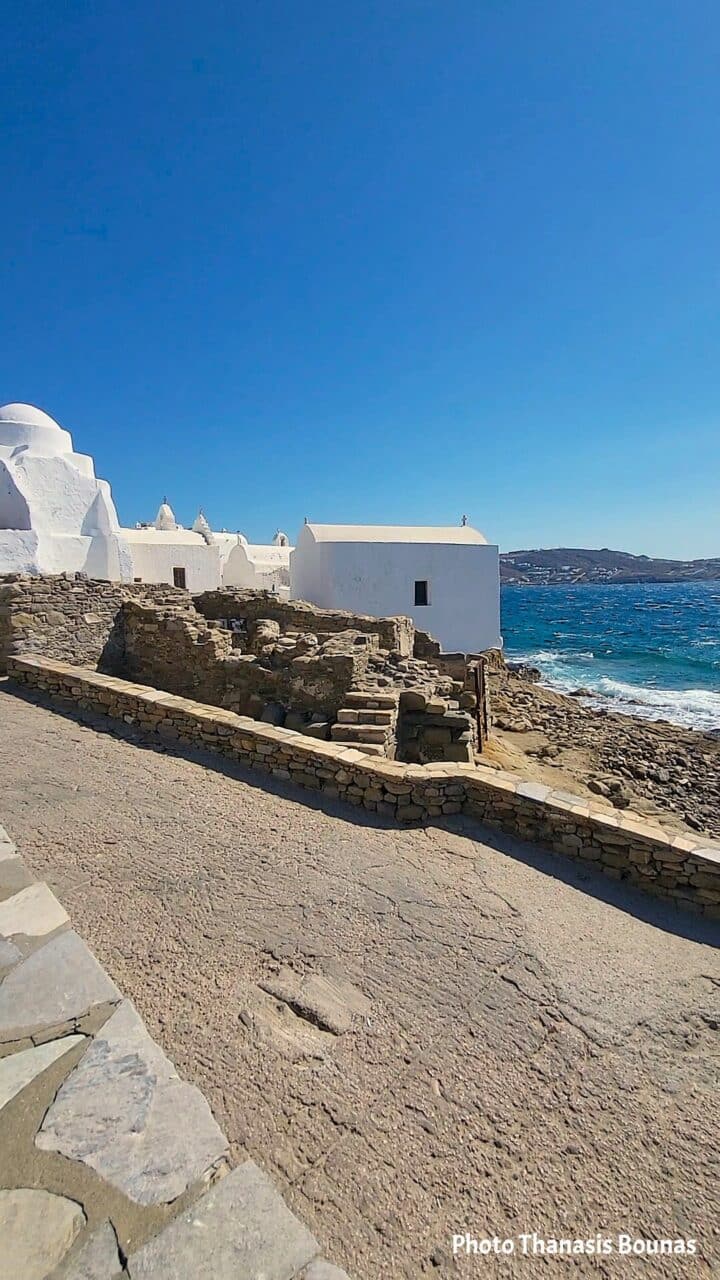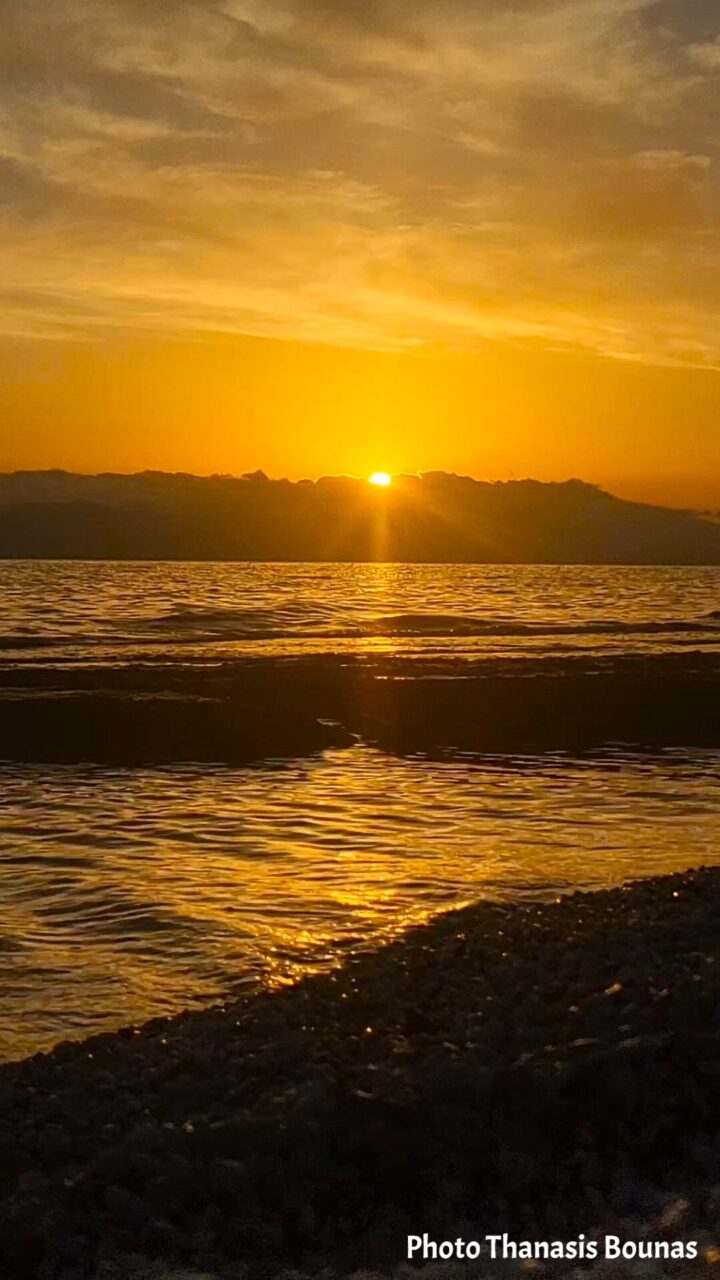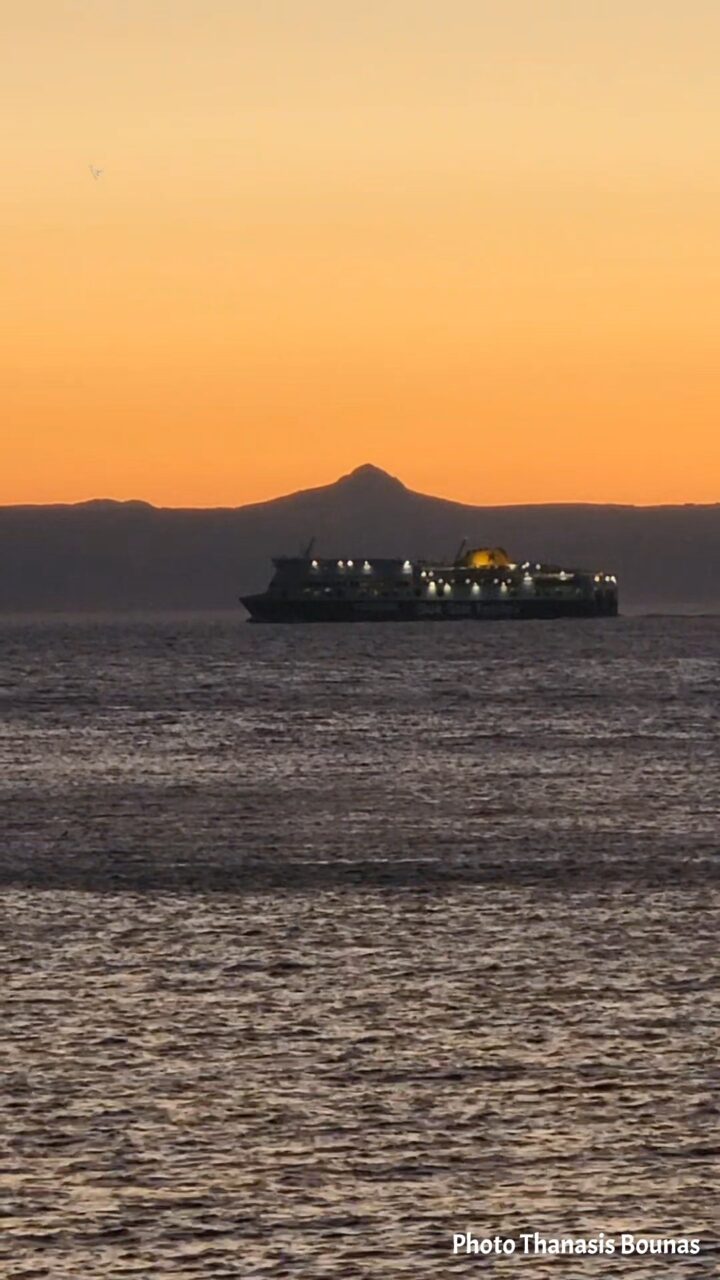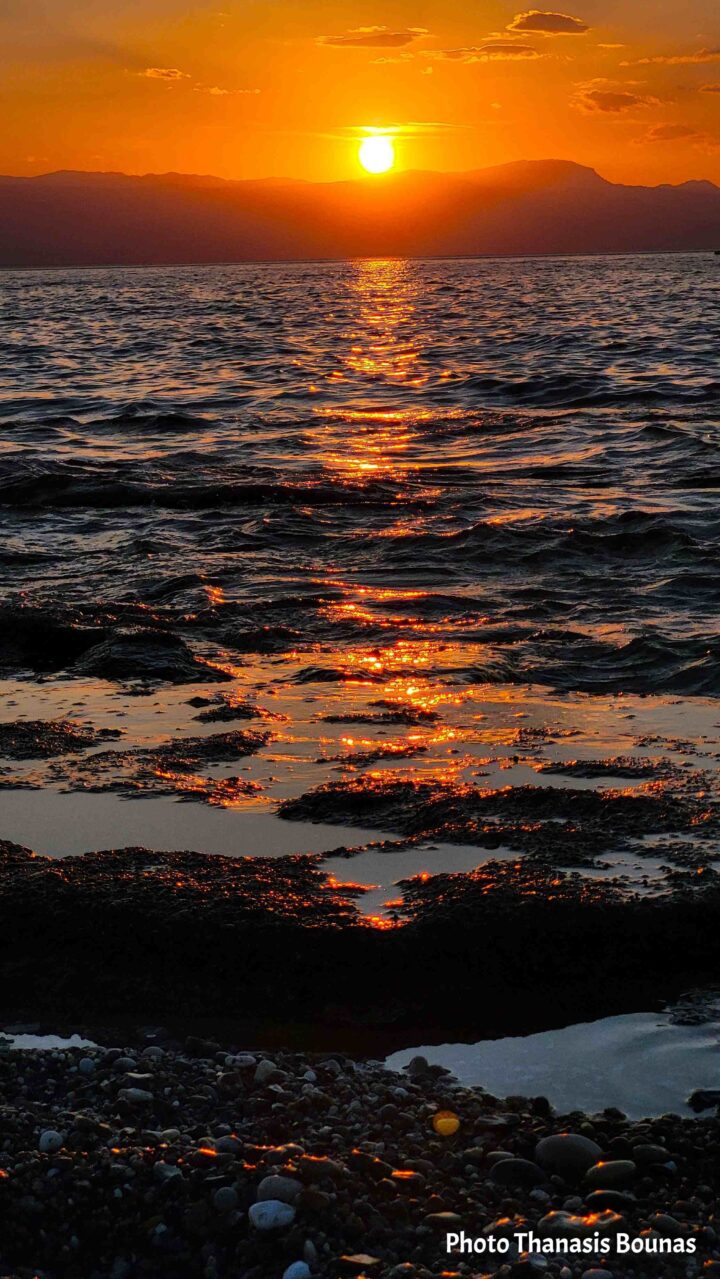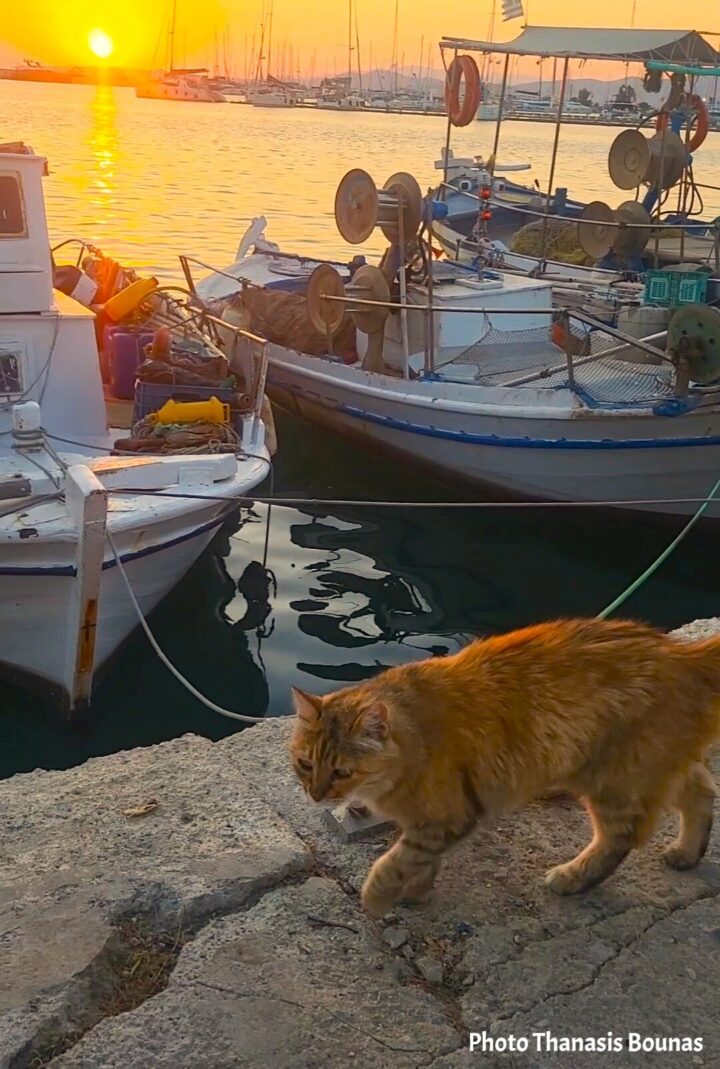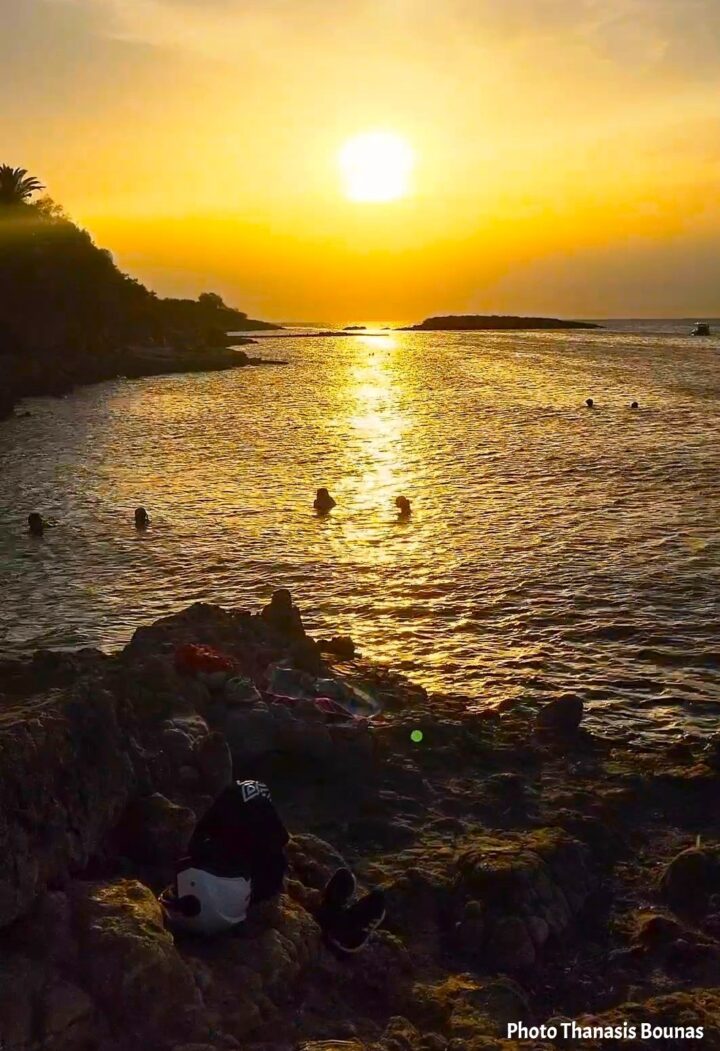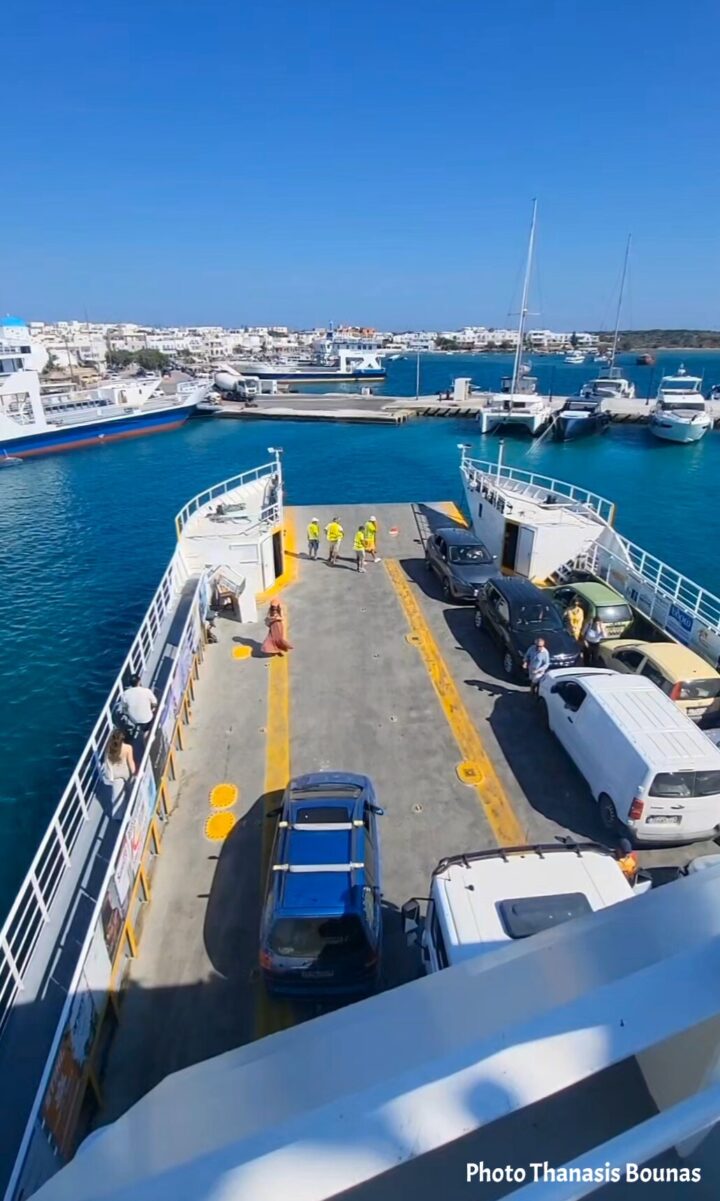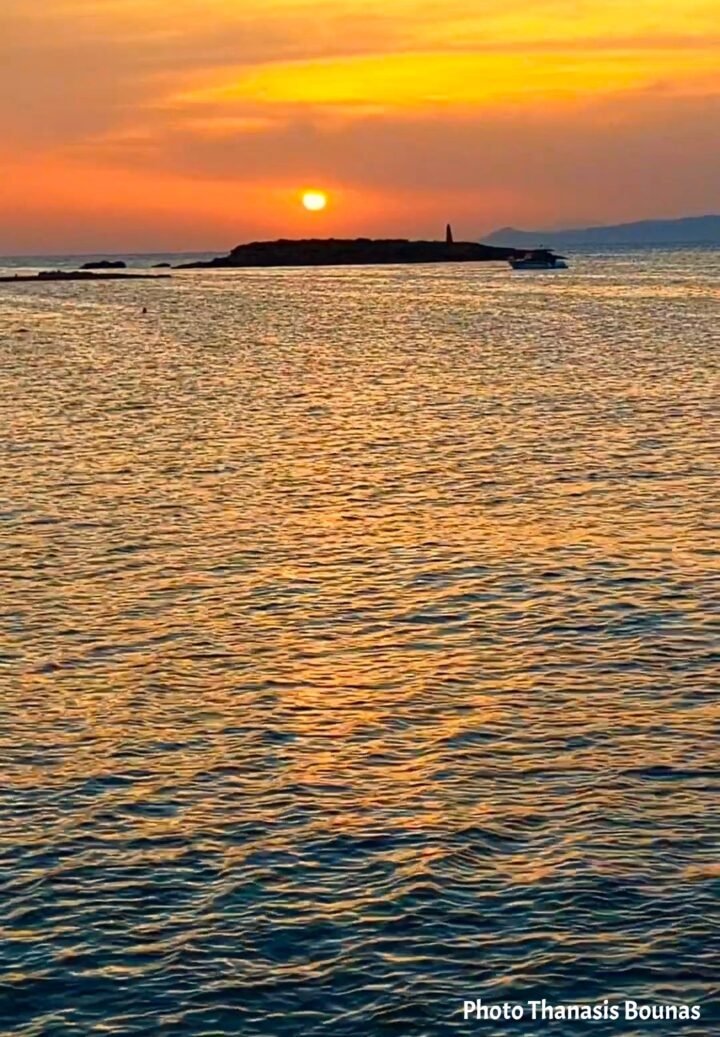
As daylight begins to fade over Paros, the island enters one of its most atmospheric moments.
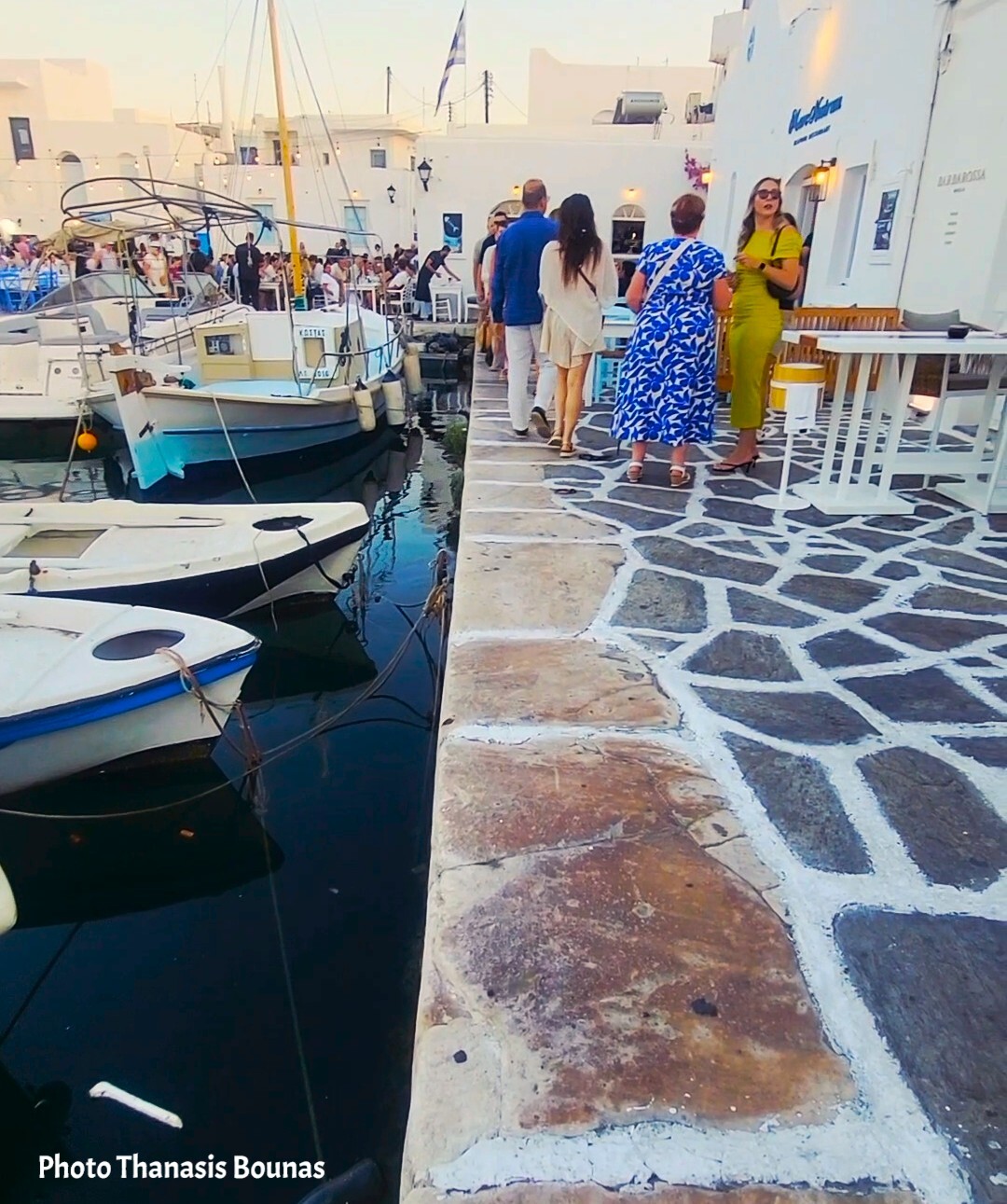
The brightness of the Cycladic afternoon softens, small boats rest beside the waterfront, and people begin their evening walks along the harbor. Whitewashed buildings reflect the last light of the day while the sea becomes calmer and darker beside them.
This is another side of Paros, Greece — not a beach destination seen beneath the midday sun, but an island settling gently into the evening.
Along the waterfront, everyday island life continues only a few steps from the Aegean Sea.
🇬🇷 Evening in Paros, Greece.
An Evening by the Harbor
Small harbors are an essential part of the character of the Cyclades.
Fishing boats, sailing boats and local vessels share the waterfront, while cafés, narrow streets and traditional buildings form the background.
During the day these places can be busy with arrivals and departures. By evening, the atmosphere changes.
The light becomes warmer, people slow down, and a walk beside the water becomes part of the experience itself.
In Paros, this transition between day and night reveals something that can easily be missed when travelling quickly through the Greek islands.
Sometimes there is nowhere in particular to go.
The harbor itself is the destination.
Paros and Its Connection with the Sea
The history of Paros has always been closely connected with the Aegean.
Its position in the central Cyclades placed the island within maritime routes that connected communities throughout the archipelago and beyond. Paros was already an important center in antiquity and became particularly famous for its fine white marble.
Parian marble was highly valued in the ancient Greek world for its remarkable translucency and was used in important works of sculpture and architecture.
But the island’s relationship with the sea was just as important.
For centuries, vessels arriving at Paros brought people, goods and ideas. The same waters that visitors admire today once formed the principal routes connecting the island with the rest of the Aegean.
That maritime connection remains visible in the small harbors scattered around the island.
The Quiet Rhythm of the Cyclades
The Cyclades are often presented through images of brilliant sunlight, turquoise beaches and white villages beneath perfectly blue skies.
Evening reveals a different landscape.
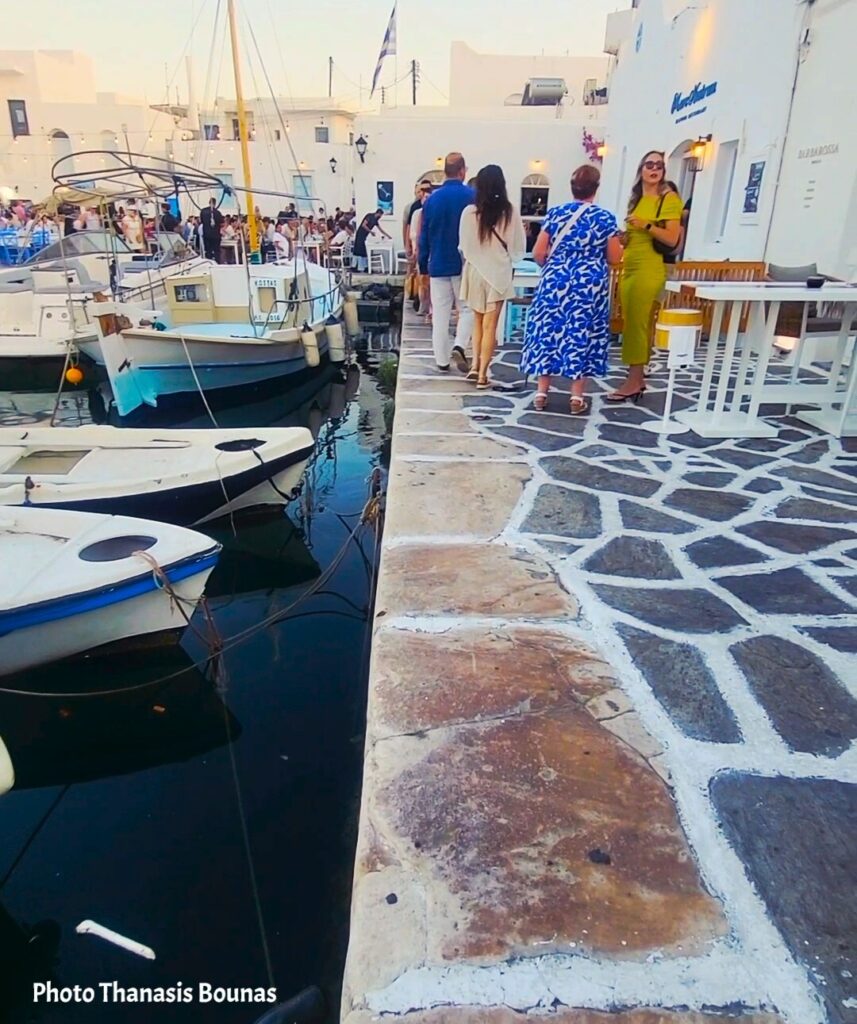
Colors become softer. Reflections appear around the boats. Lights gradually begin to illuminate the waterfront, while the white buildings take on the warmer tones of sunset.
It is also when the human side of an island becomes more noticeable.
People walk beside the harbor, conversations drift from nearby tables and boats move gently against their mooring lines.
These ordinary moments can say as much about life in Paros as any famous landmark.
Discovering Paros Beyond the Beaches
The beaches of Paros are an important reason people travel to the island, but experiencing the Cyclades is not only about finding the next stretch of sand.
It is also about walking without a schedule.
Watching boats return.
Seeing the evening light disappear behind the buildings.
And spending time beside a harbor where island life and the sea exist almost side by side.
For sailors travelling through the Cyclades, places like this also become familiar points between passages across the Aegean. A harbor can represent arrival, shelter and a few quiet hours ashore before another journey begins.
But you do not need to be sailing to appreciate that relationship.
An evening beside the harbor in Paros, Greece, is enough to understand how deeply the sea remains part of everyday island life.
FAQ
What is Paros like in the evening?
Evenings in Paros offer a more relaxed atmosphere as the strong afternoon light fades. Waterfront walks, small harbors, whitewashed buildings and boats create a characteristic Cycladic setting.
Is Paros worth exploring beyond its beaches?
Yes. In addition to its beaches, Paros offers traditional settlements, historic sites, harbors and waterfront areas that reveal another side of everyday life in the Cyclades.
Why has the sea been important to Paros?
Paros lies in the central Cyclades, where maritime routes historically connected the island with other Aegean communities. The sea continues to play an important role in travel, sailing, fishing and island life today.