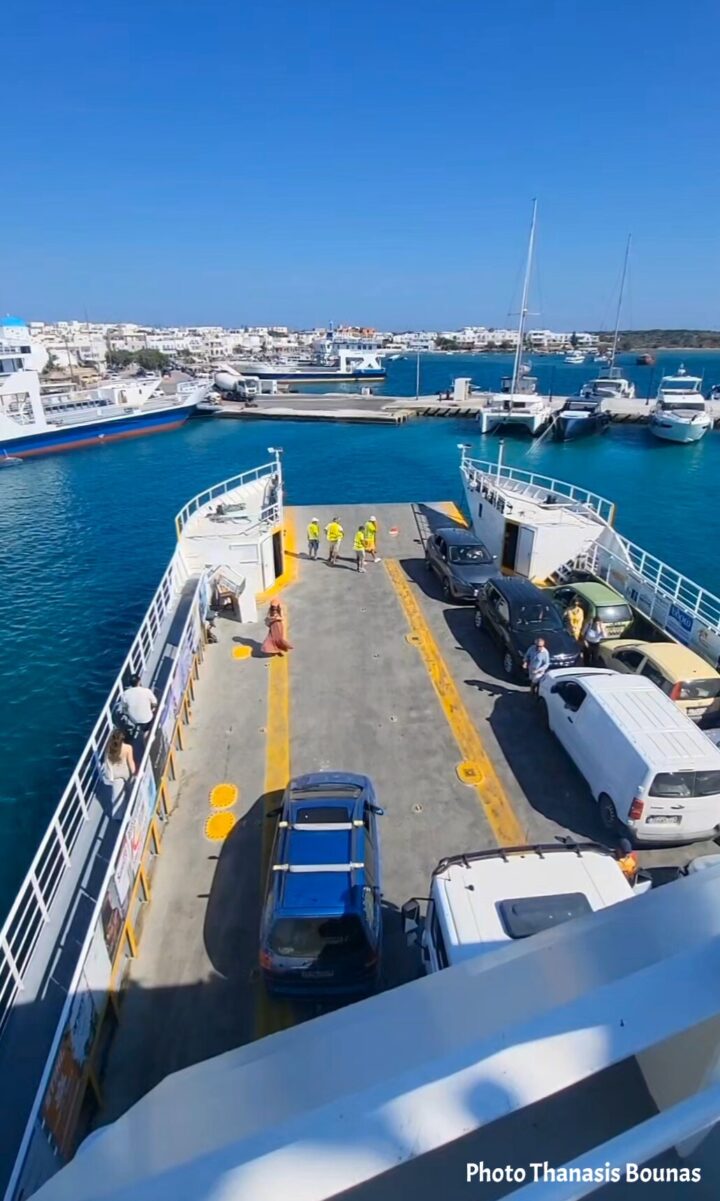
Long before the Melagavi Lighthouse stood above the Gulf of Corinth, this rocky headland already held a special place in the maritime world of ancient Greece.
At the edge of the Perachora peninsula, beside a small sheltered harbor, the ancient Corinthians worshipped Hera.
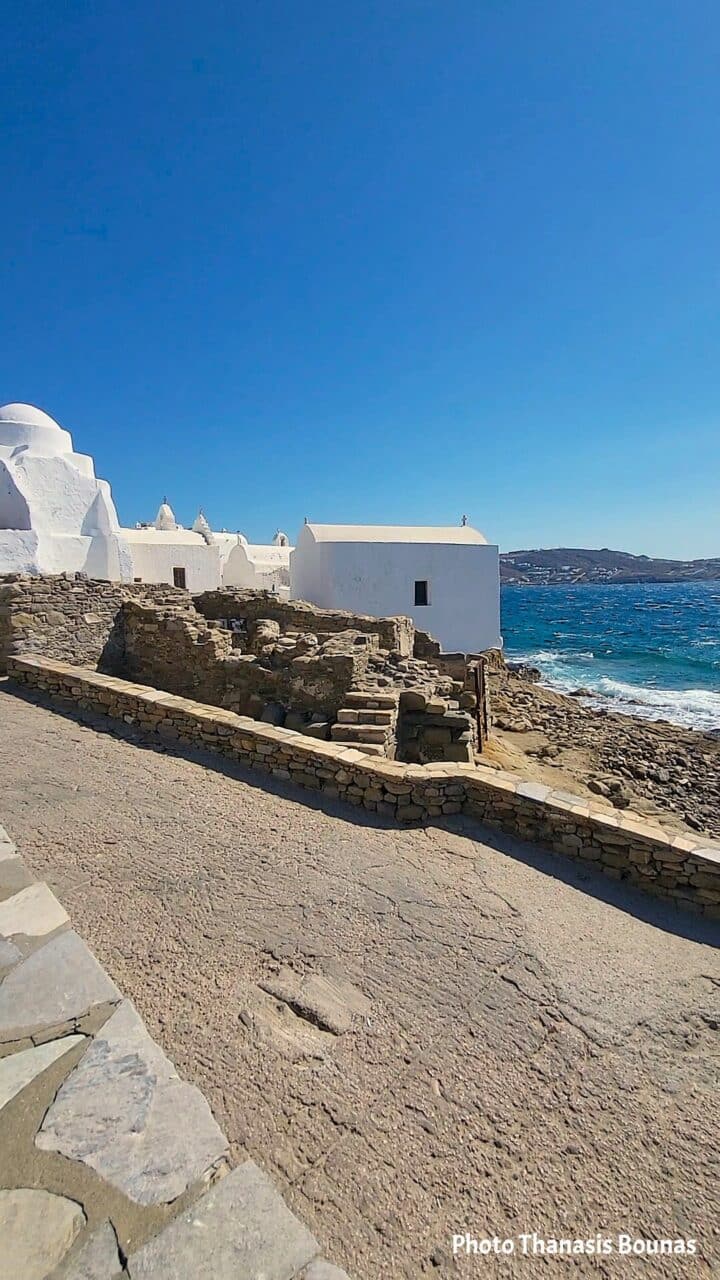
Today, the ruins of the Heraion of Perachora remain beside the blue waters of the Corinthian Gulf. Above them, the modern lighthouse watches over the same coastline.
Almost three thousand years separate these two worlds.
But the sea between them has never changed.
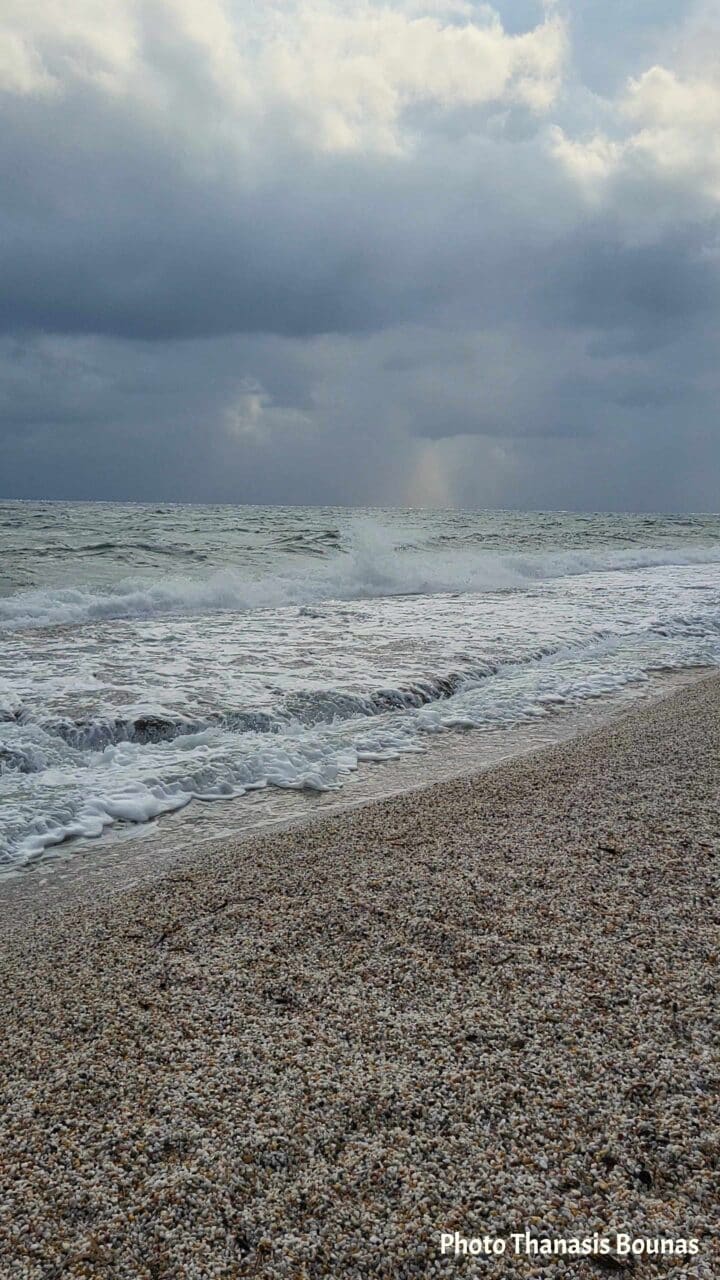
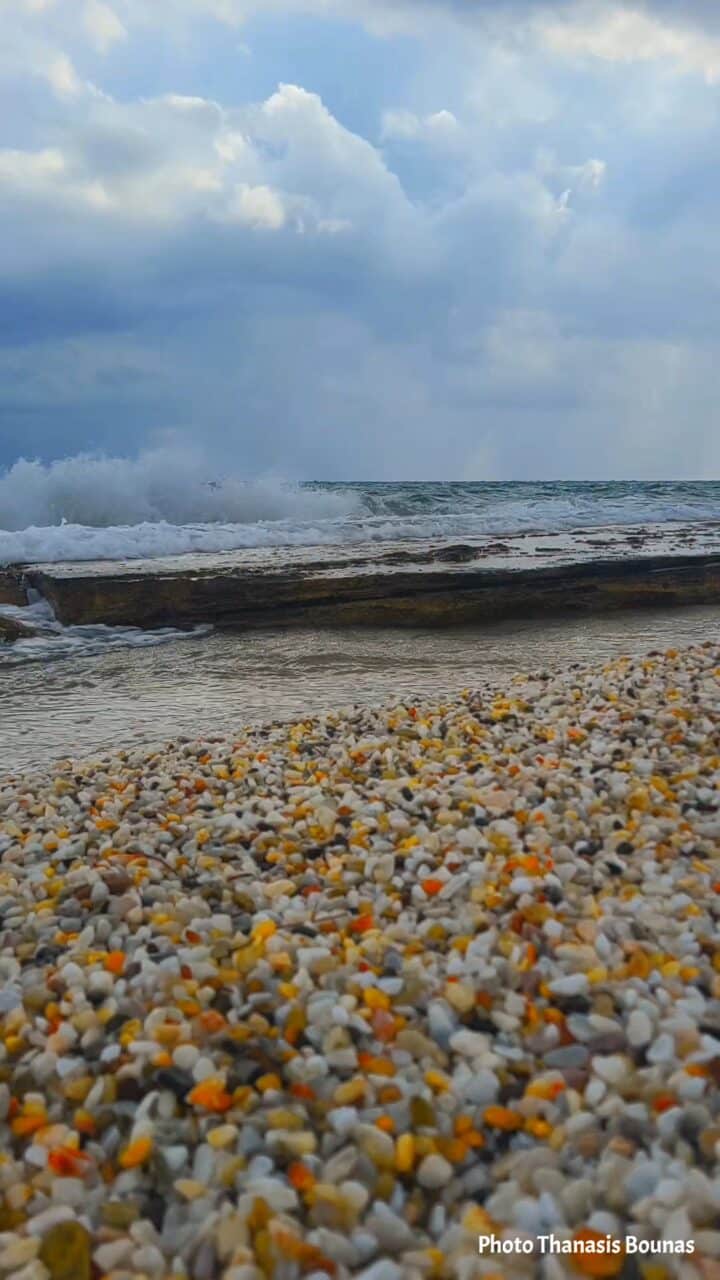
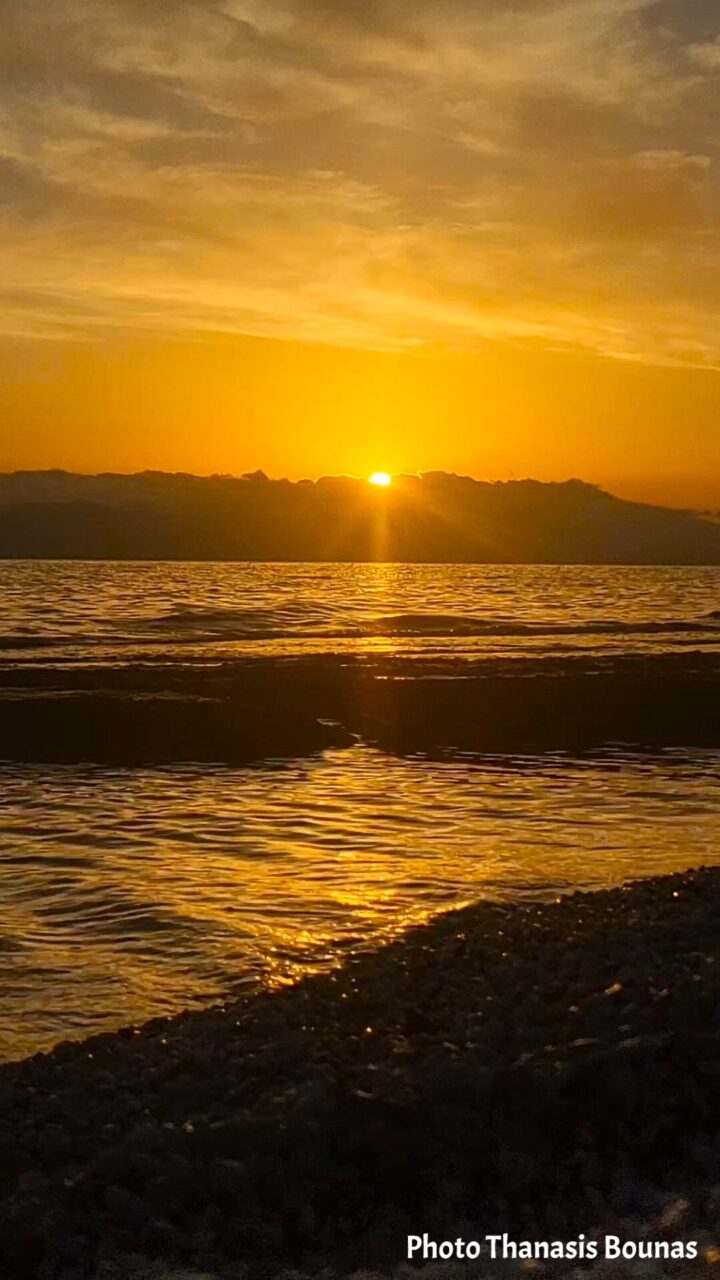
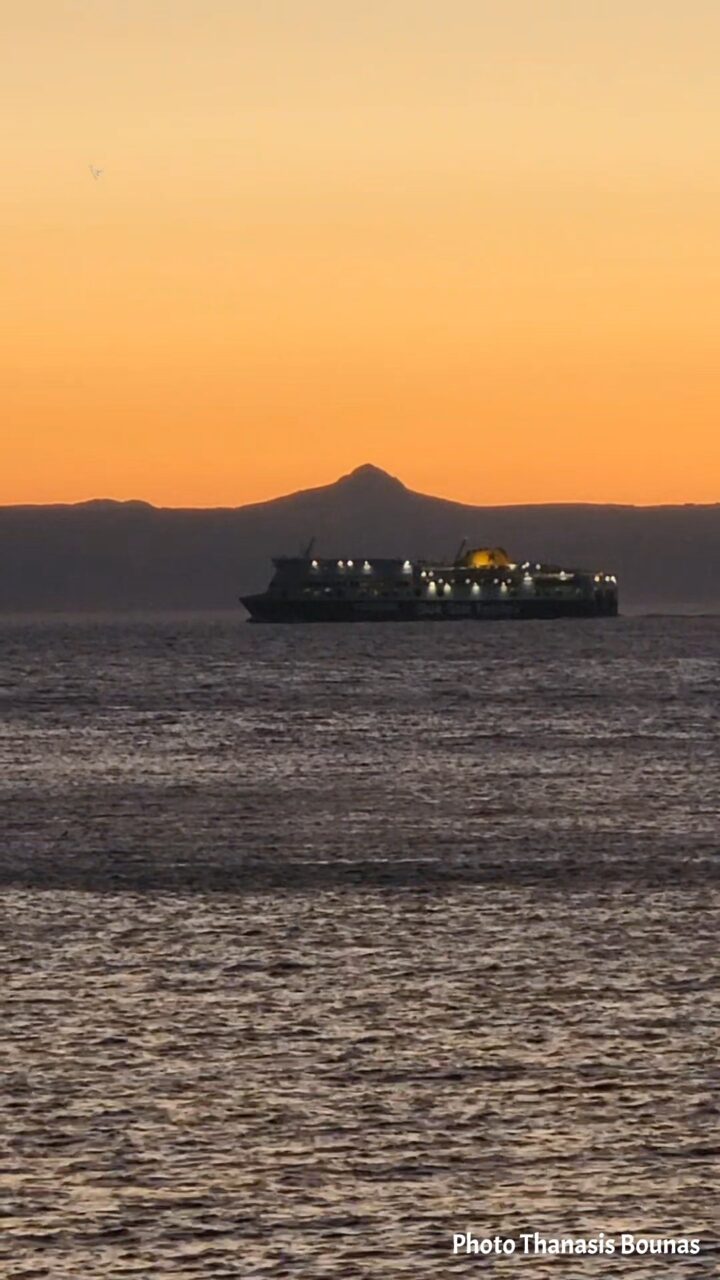
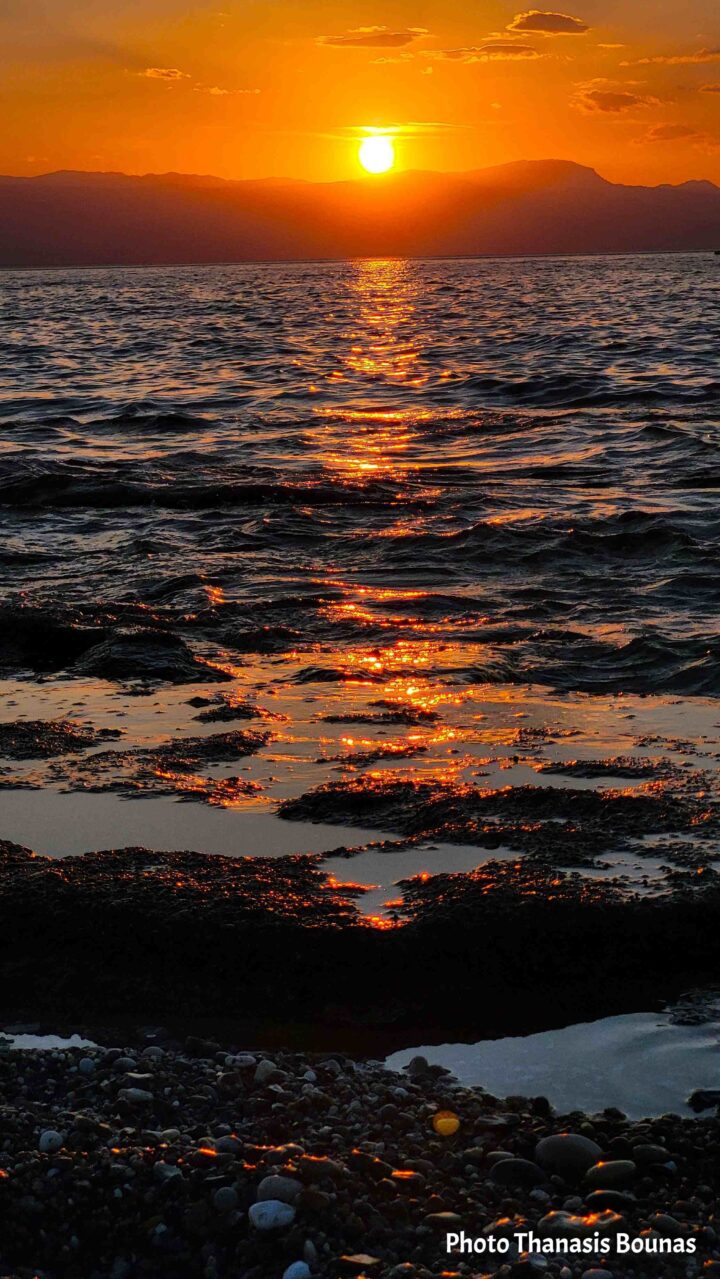
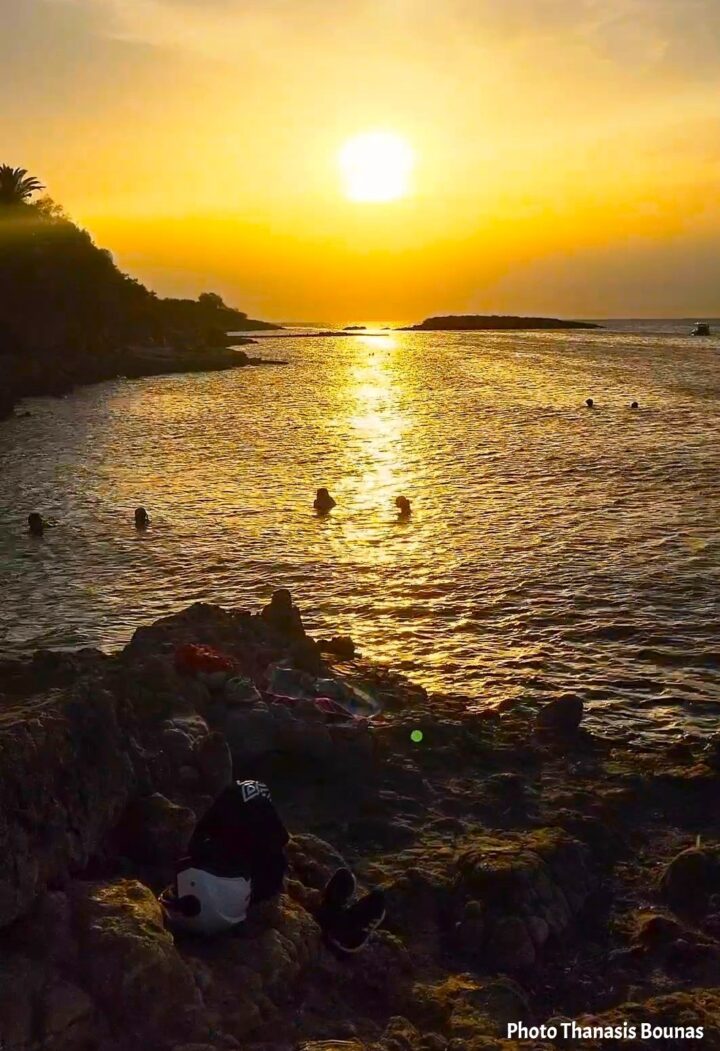
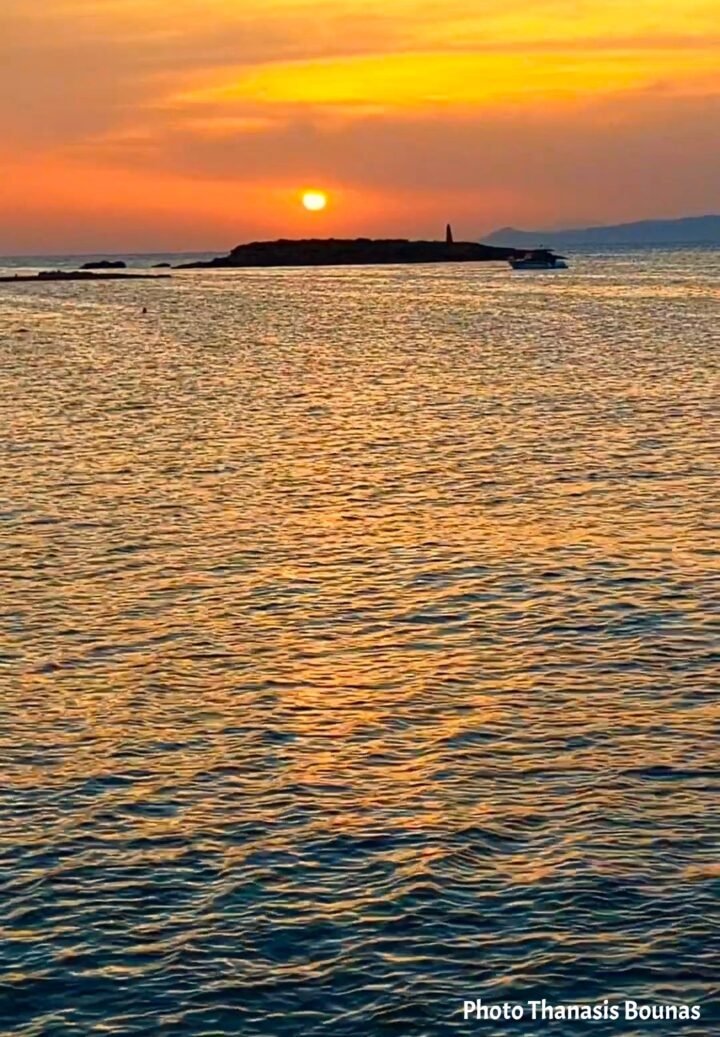
This short video captures the landscape at sunset — the lighthouse, the rocky cape and the waters that once carried ancient sailors toward Corinth and the wider Mediterranean.
Sunset at Melagavi Lighthouse, Greece. 🇬🇷
The Heraion of Perachora and Ancient Corinth
The Heraion of Perachora stands at Cape Melagavi, at the western end of the Perachora peninsula near modern Loutraki.
The location is extraordinary.
Instead of standing inland or high on a mountain, the sanctuary developed around a small sheltered harbor directly beside the Gulf of Corinth.
The great Archaic sanctuary of Hera was established during the 8th century BC and reached its greatest prosperity during the 6th century BC, at approximately the same time that ancient Corinth itself was flourishing.
The sanctuary eventually developed across several levels and included temples, an altar, a two-storey stoa, dining facilities, water-management structures and a sacred pool. Archaeological finds indicate that its influence extended well beyond the immediate Corinthian region.
People came here to worship.
But the location beside the sea tells another part of the story.
A Sacred Place for People Travelling by Sea
Ancient Corinth was deeply connected with maritime trade and colonization.
Its geographical position near the Isthmus gave the city access to maritime networks extending both east and west, and Corinthian sailors travelled far beyond their home waters.
The Heraion belonged to this maritime landscape.
According to information presented by Visit Peloponnese, Corinthians setting out to establish colonies beyond the Adriatic would stop at the sanctuary and make offerings to Hera.
Imagine that moment.
A vessel preparing for a long journey toward unfamiliar lands.
The Corinthian Gulf behind it.
The open routes toward western Greece and the Adriatic ahead.
And before continuing the voyage, sailors stopping beside this rocky coast to honor the goddess.
For them, the sea represented opportunity, trade and exploration.
But it also represented uncertainty.
Wind and weather could determine the fate of a voyage. Navigation depended on experience, knowledge of the coastline and the ability to recognize landmarks.
In that world, a sanctuary standing beside a recognizable headland could carry meaning far beyond its architecture.
Hera Akraia – The Goddess at the Cape
One of the forms of Hera worshipped here was Hera Akraia.
The word Akraia is associated with the akra — the height or headland — an appropriate title for a goddess worshipped at this dramatic coastal location.
The port area contained the Temple of Hera Akraia, an altar and a two-storey stoa. The earliest temple at the site dates to approximately 825–800 BC, during the Geometric period, and was later replaced by a Doric temple toward the end of the 6th century BC.
The sanctuary became one of the important places of worship in ancient Corinthia.
Finds discovered there came from places including Argolis, Laconia, Rhodes, Chios and Attica, evidence of connections extending beyond the immediate region.
Standing there today, it is easy to focus on the ruins.
But look toward the water and the geography begins to explain why this place mattered.
The sanctuary did not simply stand beside the sea.
It belonged to a civilization that travelled through it.
Before Melagavi Lighthouse
This is where the modern landscape becomes especially fascinating.
Today, Melagavi Lighthouse dominates the headland.
For a modern sailor crossing these waters, a lighthouse is immediately understandable as a navigational aid and coastal landmark.
But the lighthouse belongs to a much later period.
When ancient sailors travelled through the Gulf of Corinth, there was no white tower standing above Cape Melagavi.
Instead, there was the coastline itself.
The shape of the headland.
The protected harbor.
And the sanctuary of Hera beside the water.
We should not describe the ancient Heraion as a “lighthouse of antiquity” — there is no evidence to justify that.
But the comparison reveals something much more interesting.
The function of the landscape changed, while its relationship with sailors remained.
Ancient mariners encountered a sacred sanctuary beside these waters.
Modern sailors encounter the lighthouse.
And both belong to the long maritime history of the same remarkable Greek headland.
The Same Sea, Almost Three Thousand Years Later
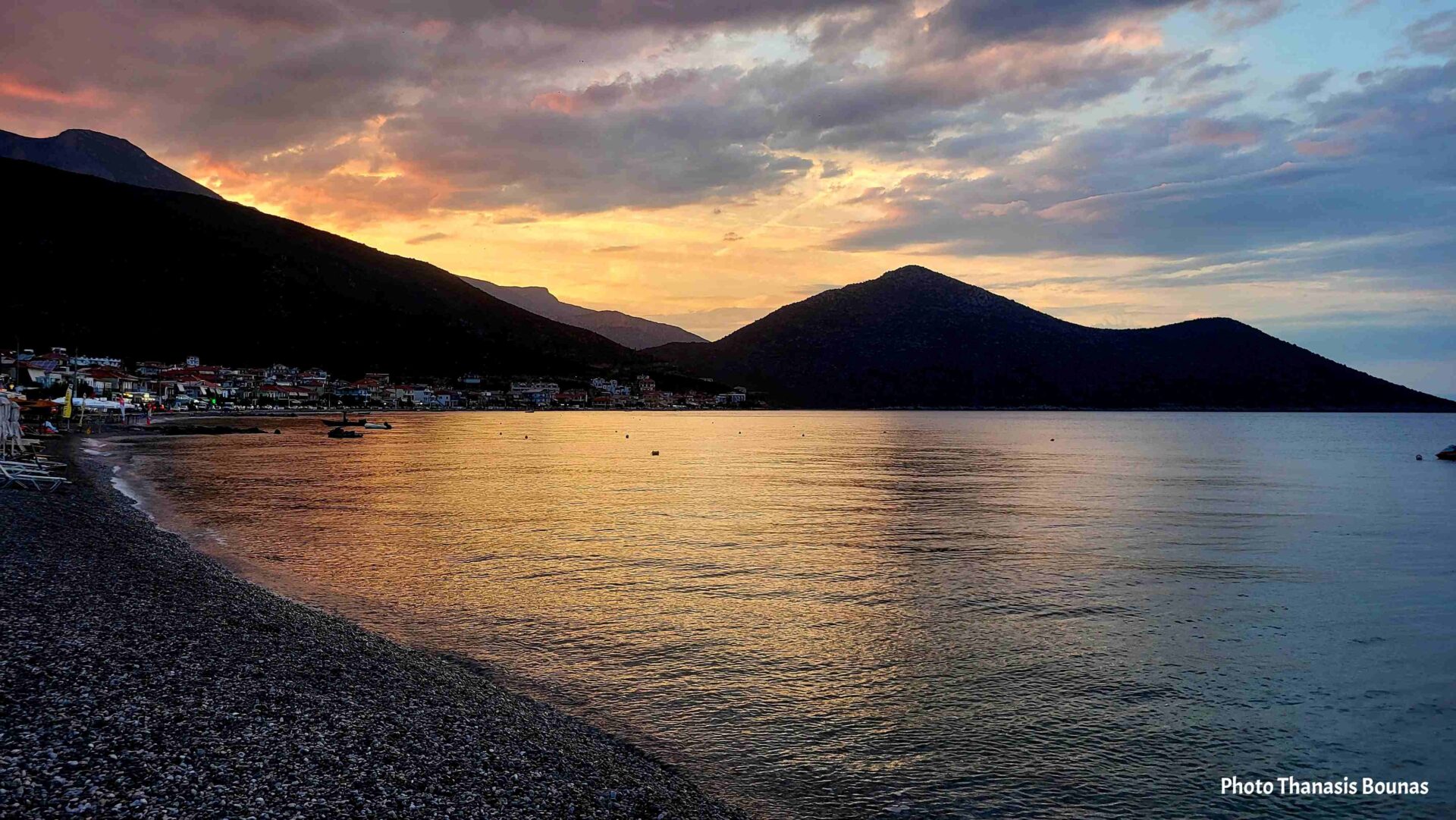
At sunset, the historical layers of this place almost disappear.
The lighthouse becomes a silhouette.
The rocks darken.
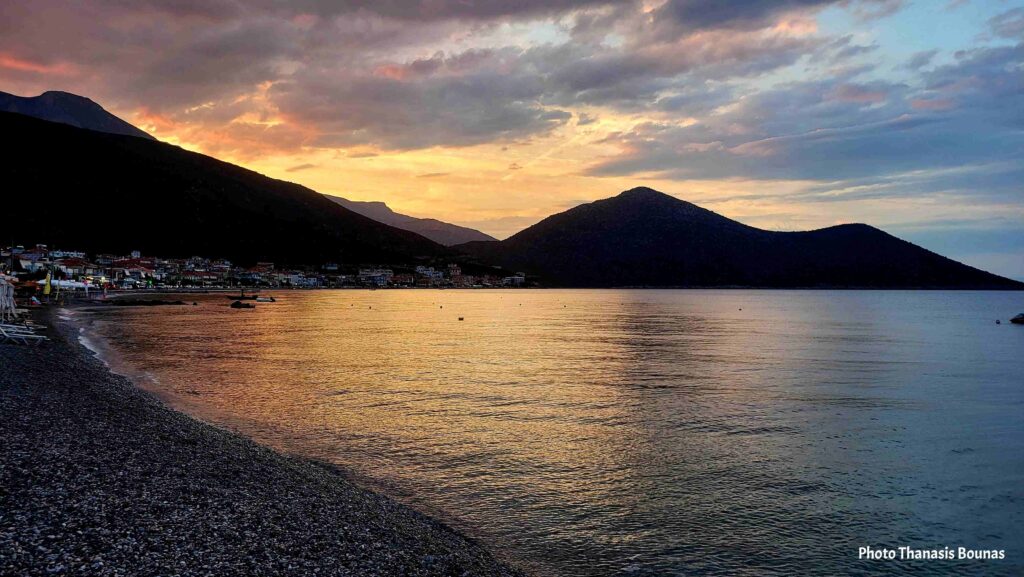
The Gulf of Corinth reflects the final light of the day.
And the sea looks much as it must have looked to someone standing here thousands of years ago.
This is what makes the Heraion of Perachora so fascinating.
You are not simply visiting an archaeological site.
You are standing in a landscape where religion, navigation, trade and the maritime power of ancient Corinth once met.
Today, sailing boats and other vessels continue to cross the waters below Cape Melagavi.
Their technology would have been unimaginable to an ancient Corinthian sailor.
But the coastline is recognizable.
The headland is still there.
The wind still crosses the Gulf of Corinth.
And almost three thousand years after the first sanctuary was established here, people are still looking out across the same Greek sea.
Video & Editing by Thanasis Bounas
Discover more stories of Greece, ancient history, sailing and the sea at Bounas.com