A Boat That Does Not Rush
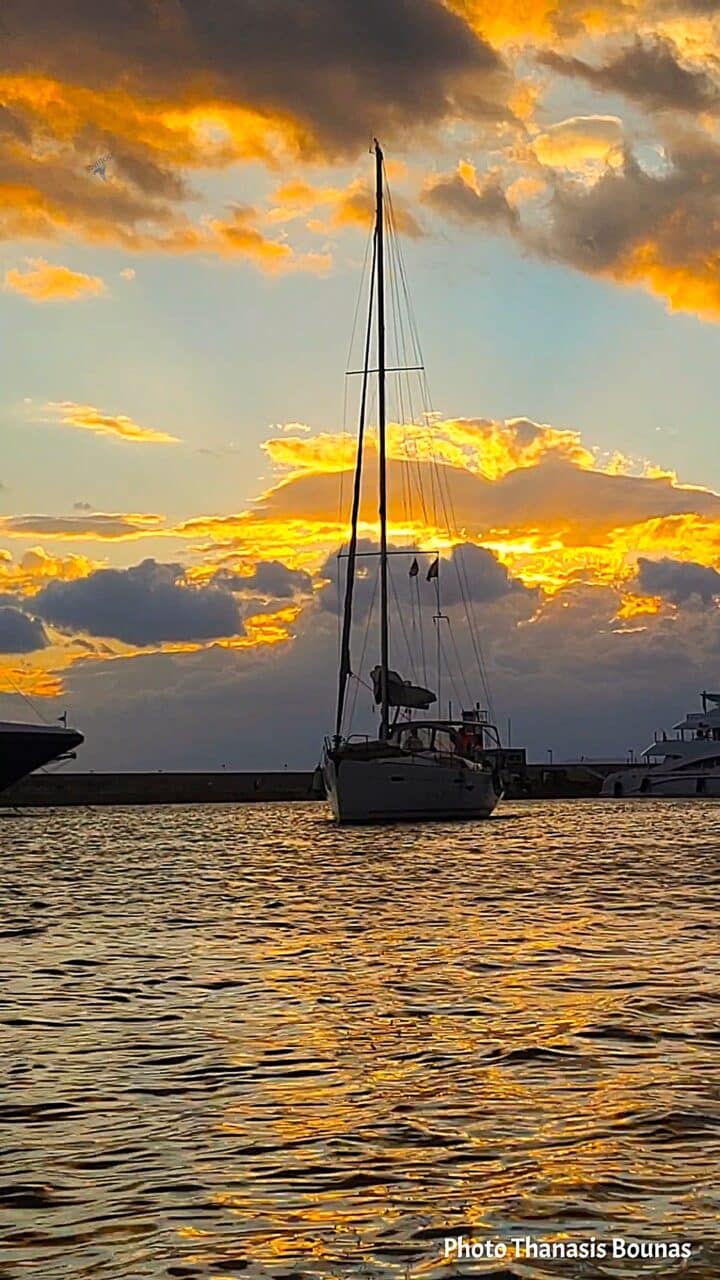
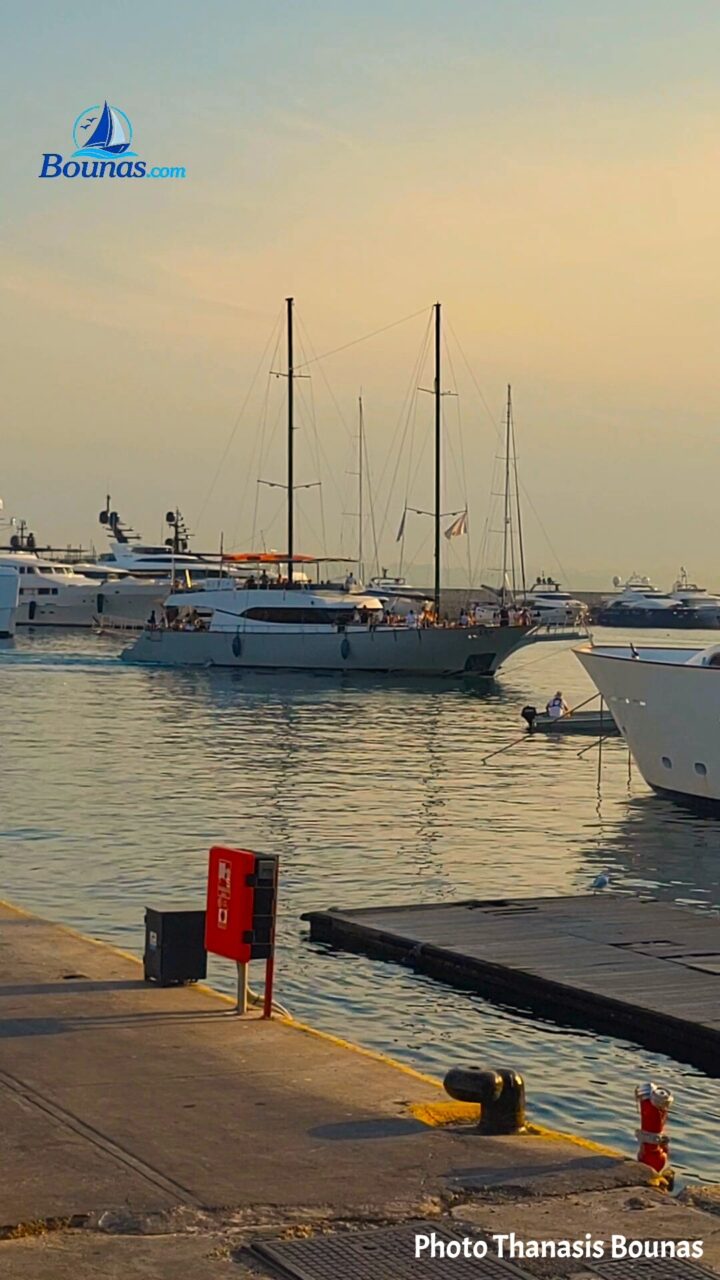
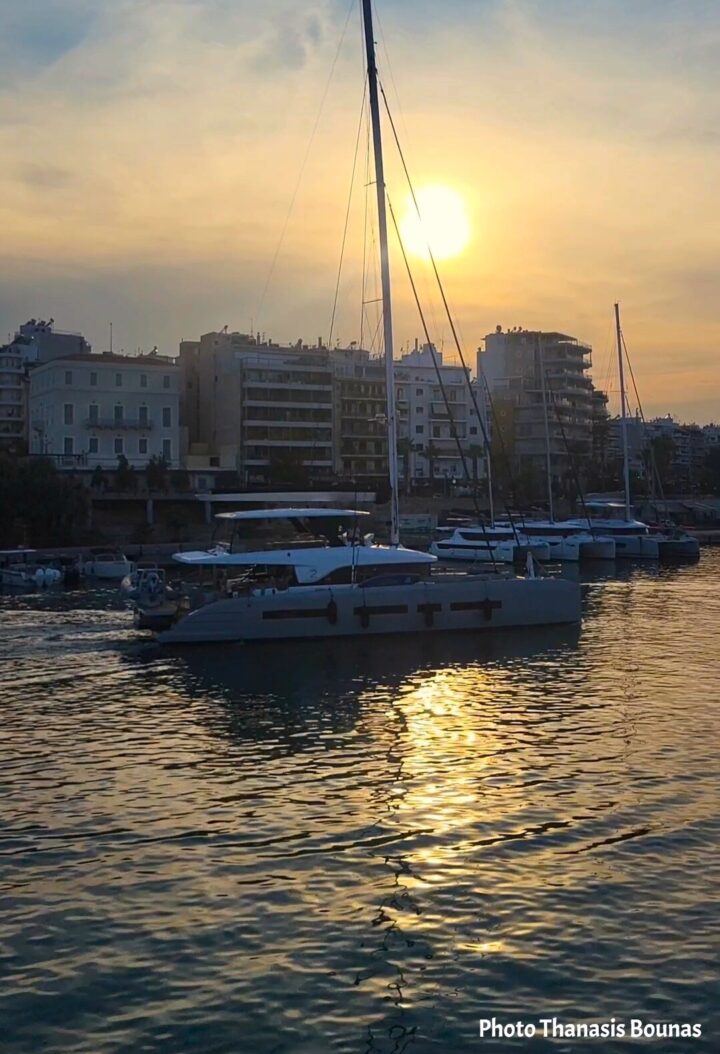
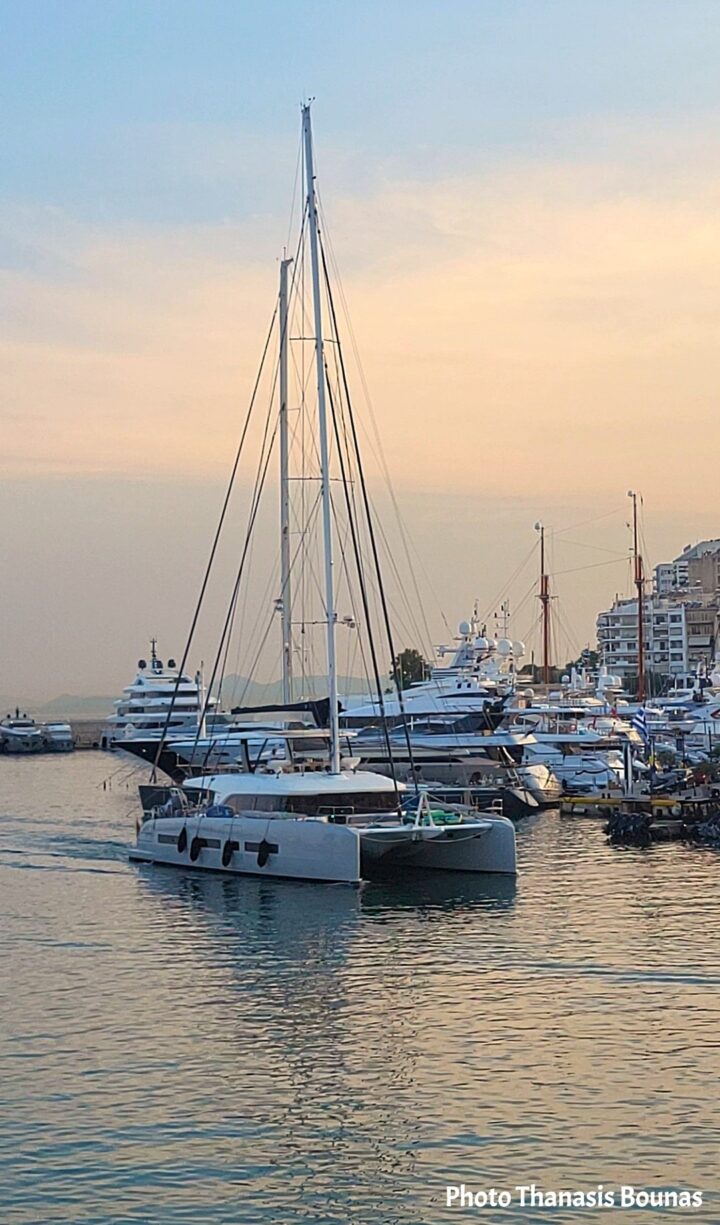
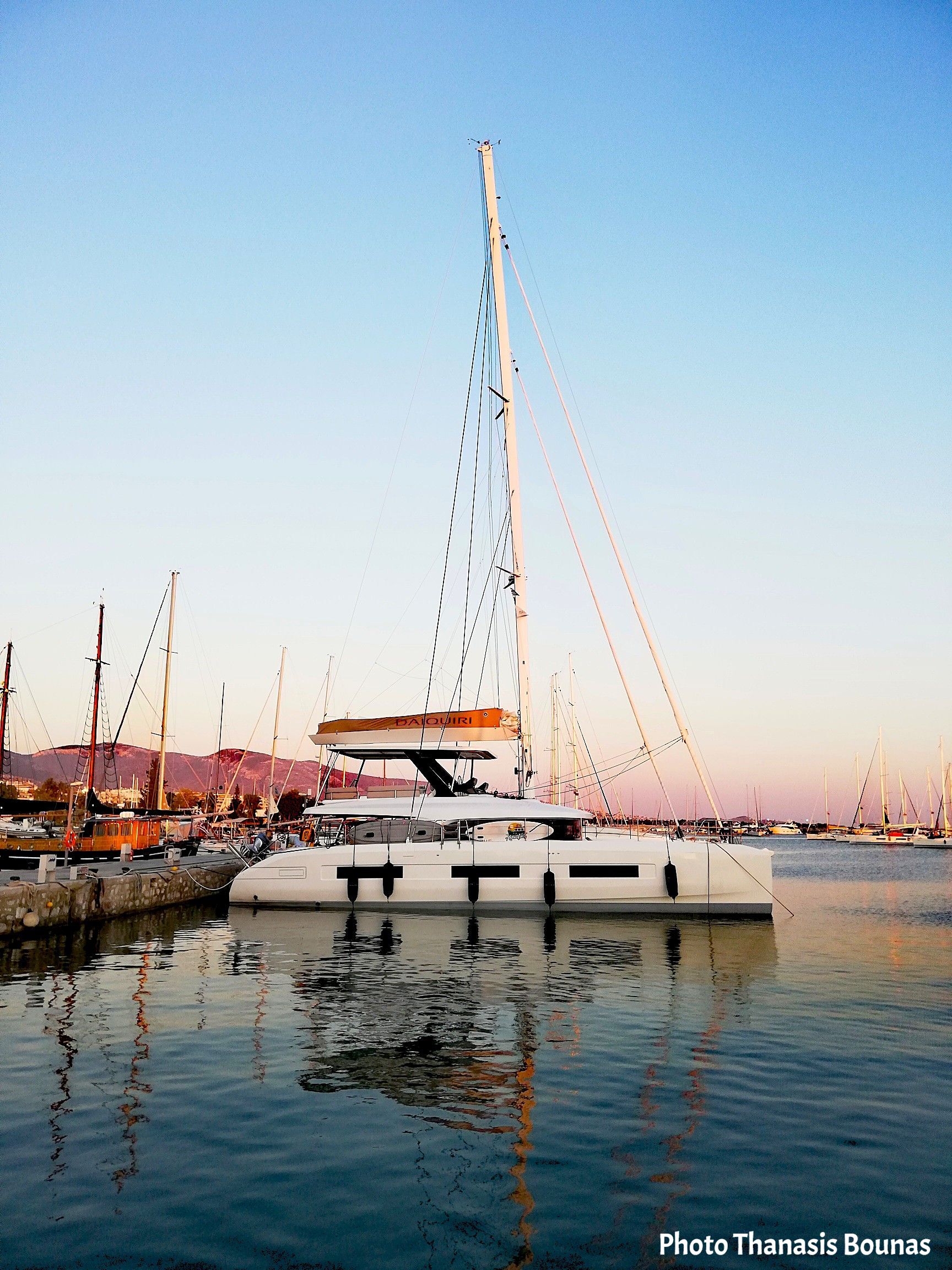
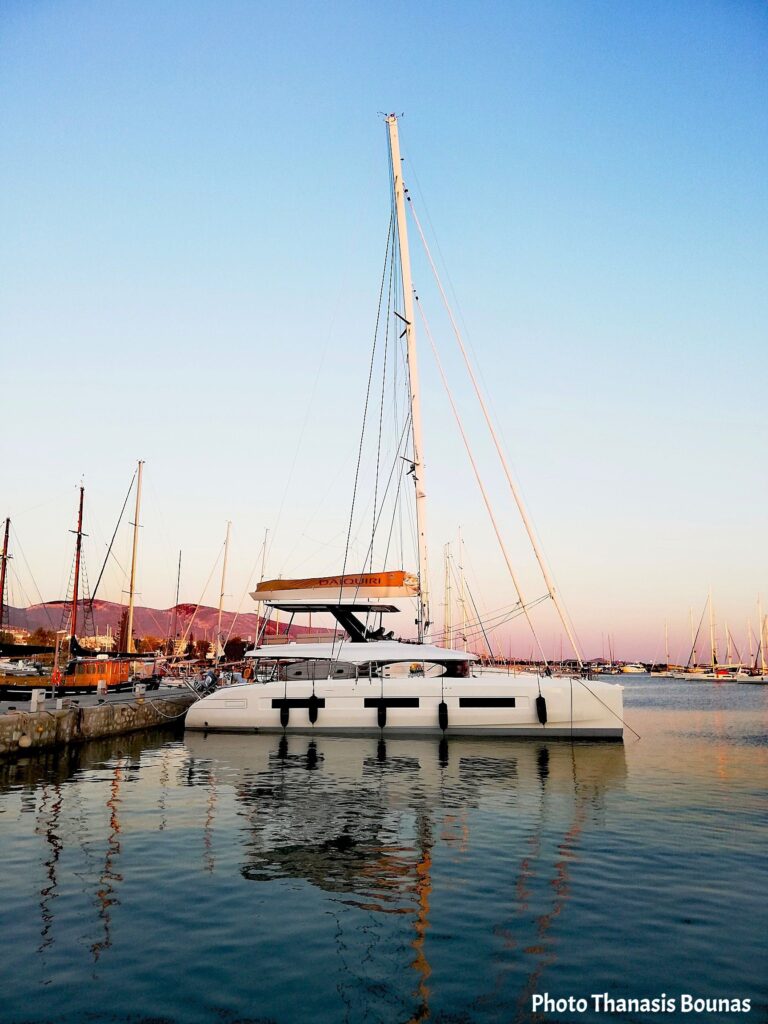
The catamaran rests against the dock.
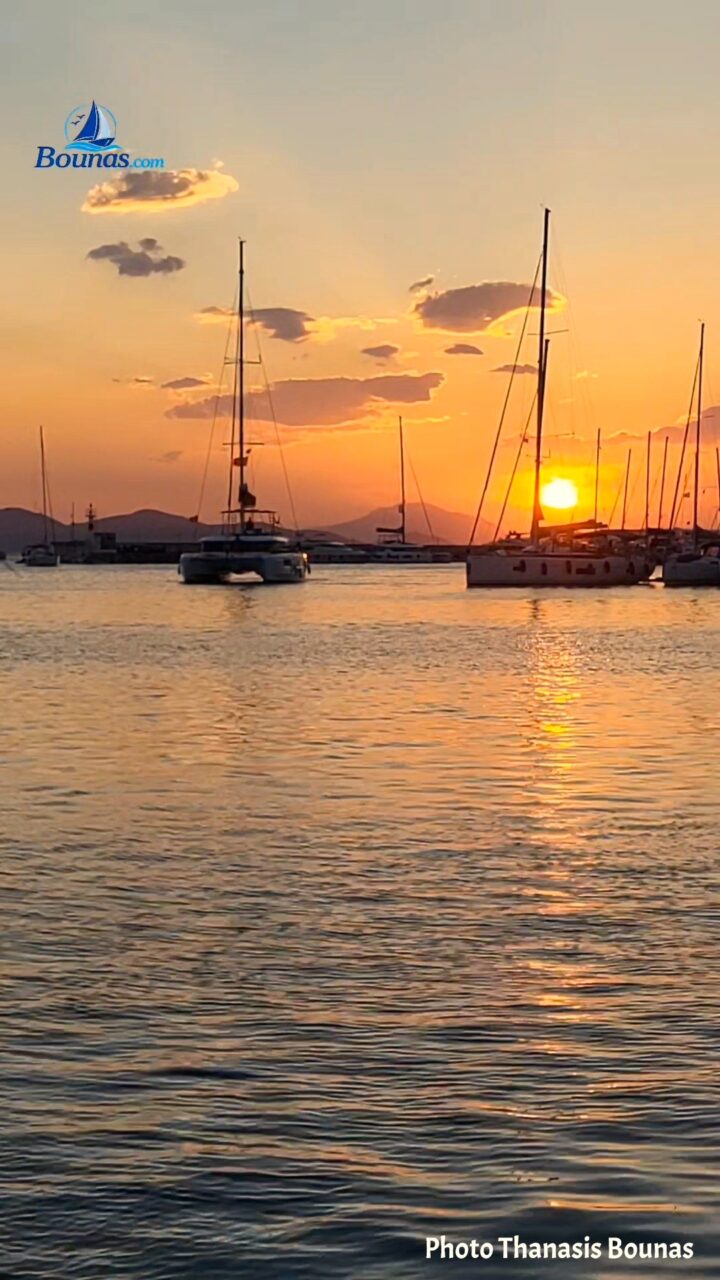
Its mast draws a quiet line into the sky.
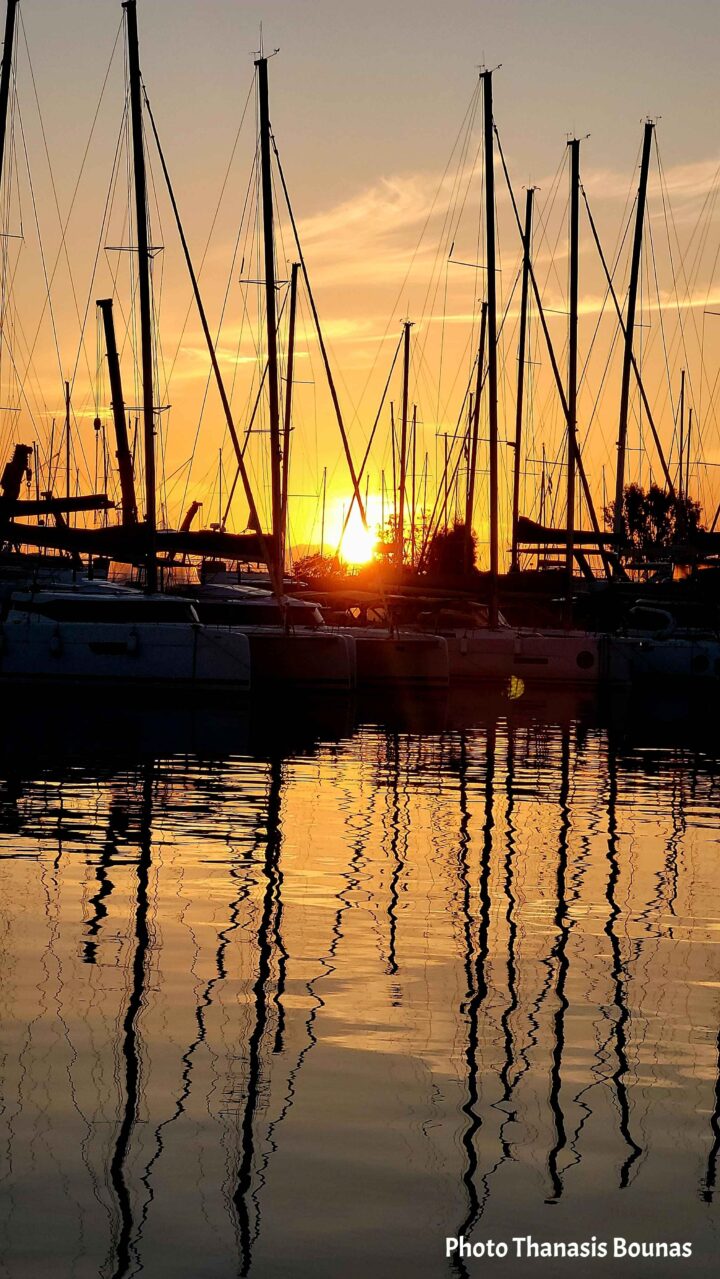
Reflections repeat it in the water.
Nothing in this scene insists on departure.
Movement is postponed without anxiety.
In the psychology of travel, patience begins
when motion is no longer urgent.
When the mind accepts that direction
can exist without speed.
Sailing teaches this first lesson
before any wind is raised.
Waiting as a Navigational Skill
A vessel learns the harbor
before it learns the open sea.
Lines are adjusted.
Distances are respected.
Patience enters navigation
not as delay,
but as preparation.
Psychologically, this is impulse regulation.
The capacity to hold action
until the environment is readable.
On a sailboat,
you wait for wind.
Inside the traveler,
you wait for clarity.
Both depend on timing
rather than force.
The Inner Weather
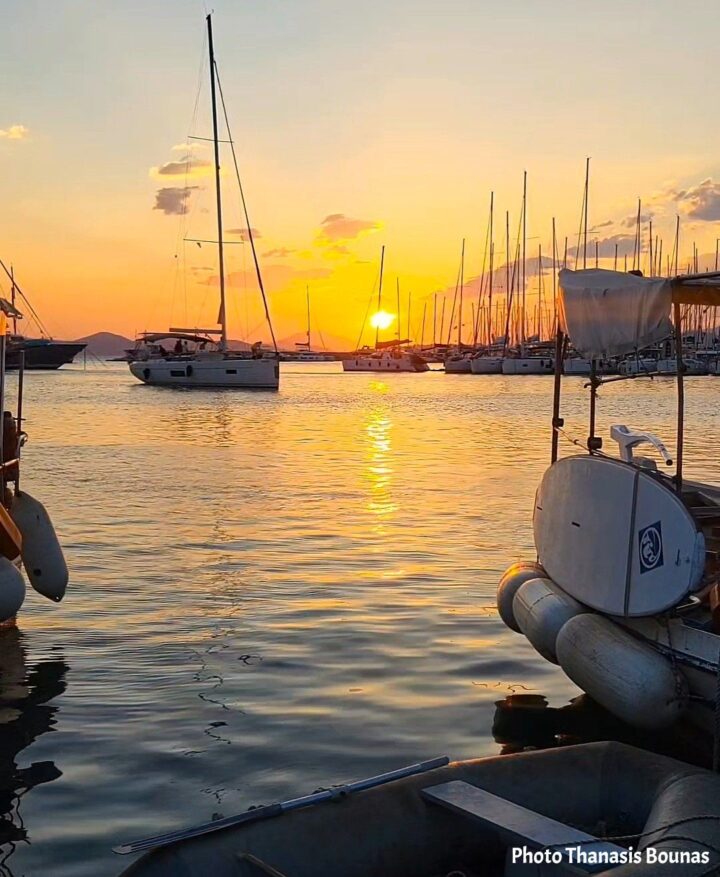
The water is calm,
but the sky holds color.
Change is already present
without becoming movement.
In the psychology of the journey,
patience is the ability
to stay with internal weather
without turning it into behavior too quickly.
Emotion becomes like wind.
Not something to command,
but something to recognize.
Sailing does not correct the atmosphere.
It aligns with it.
So does the patient mind.
Patience as Seamanship
This boat does not prove anything.
It remains.
Patience in sailing
is not passivity.
It is relational awareness
between vessel, sea, and time.
Travel without patience
becomes escape.
Sailing without patience
becomes control.
I return to this understanding
when thinking again about
Patience in Travel Where Movement Slows,
where the journey first learned
how to let direction emerge
instead of demanding it.