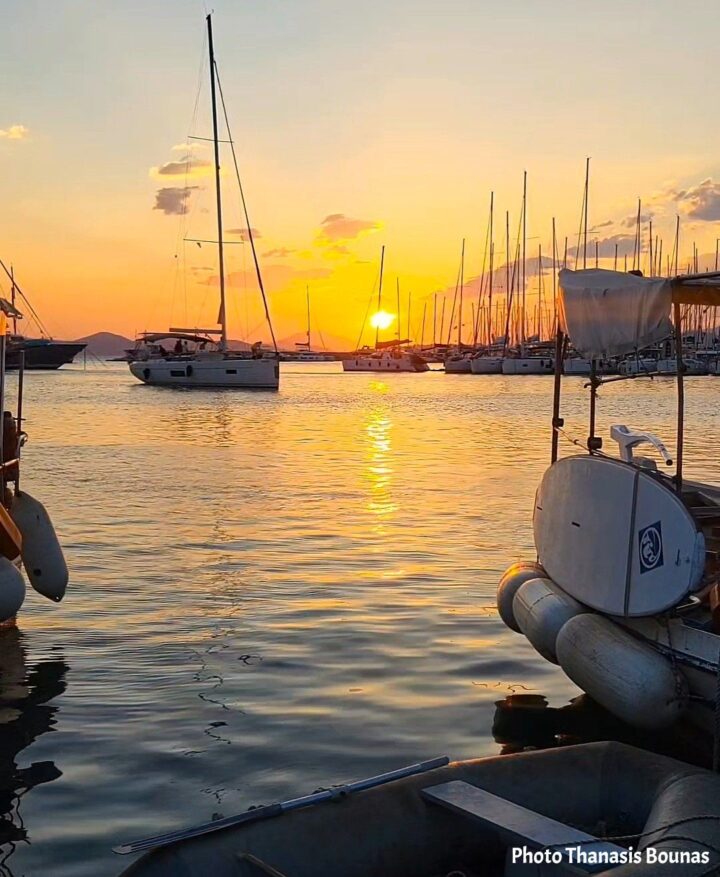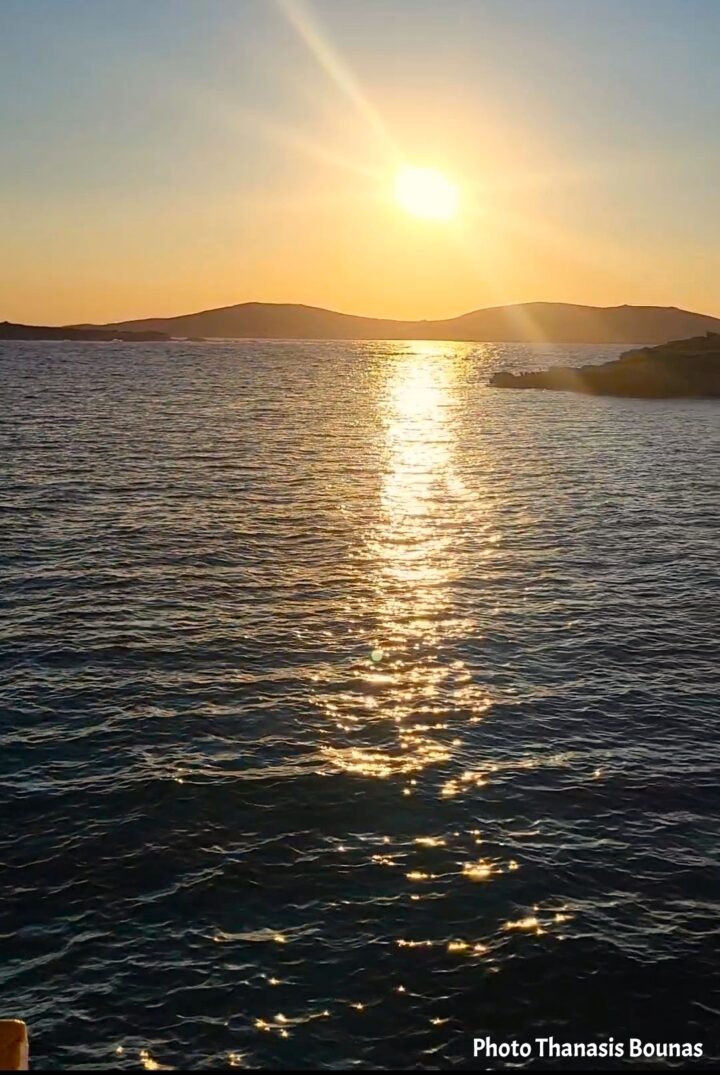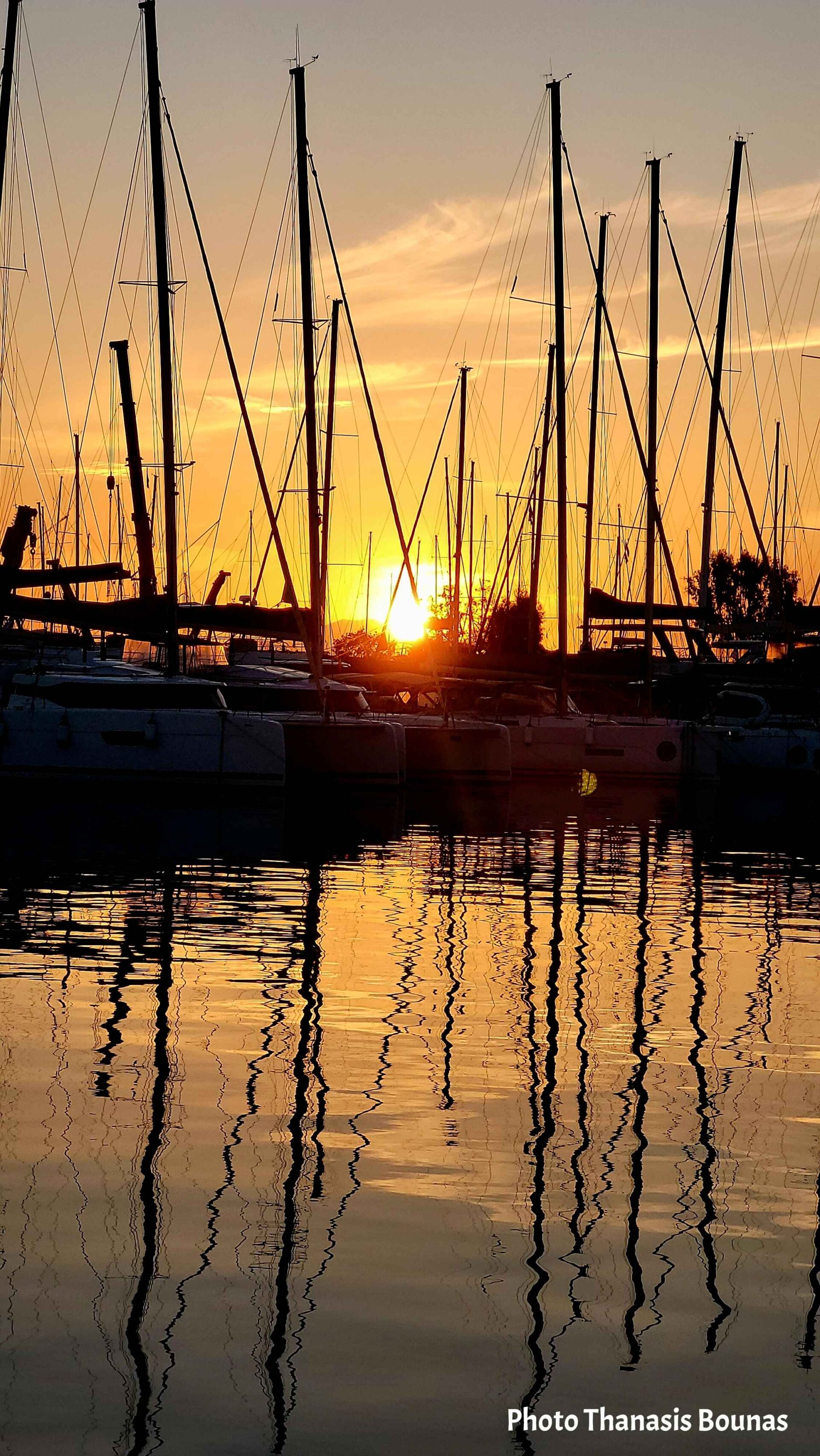
There is a particular moment in every journey through the Greek islands when one landscape begins to disappear and another is still somewhere beyond the horizon.
Leaving the Cyclades behind and heading toward Astypalaia is one of those moments.
The familiar shapes of the Cycladic islands slowly recede as the boat continues eastward across the Aegean Sea. Ahead lies Astypalaia, an island geographically positioned between the Cyclades and the Dodecanese, with a character shaped by both its isolation and its long relationship with the sea.
This is not simply a passage between two islands. It is a transition between two different parts of the Aegean.
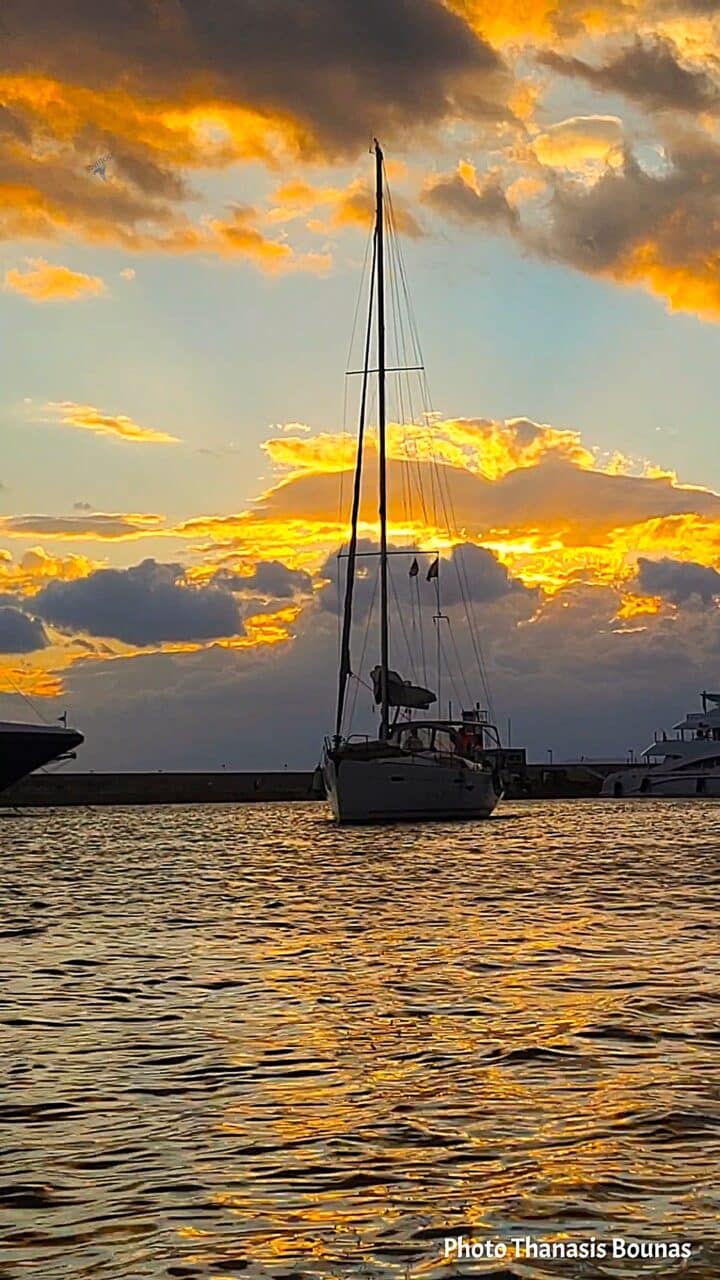
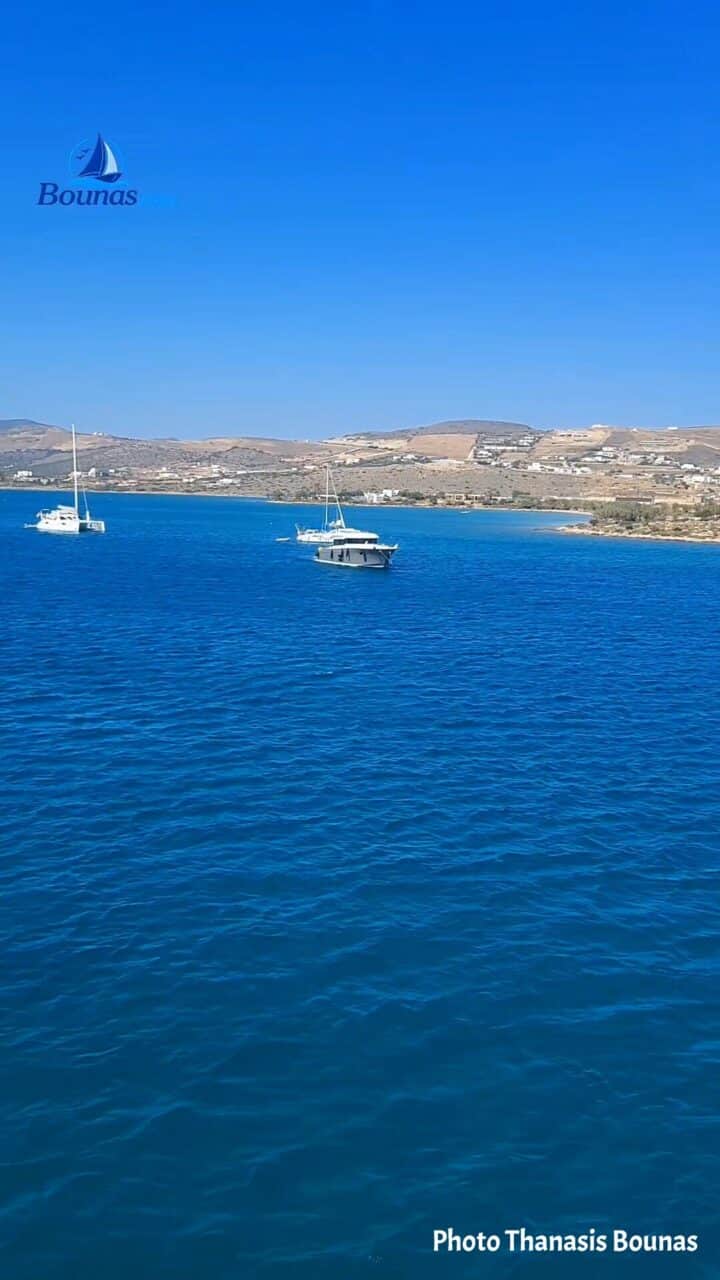
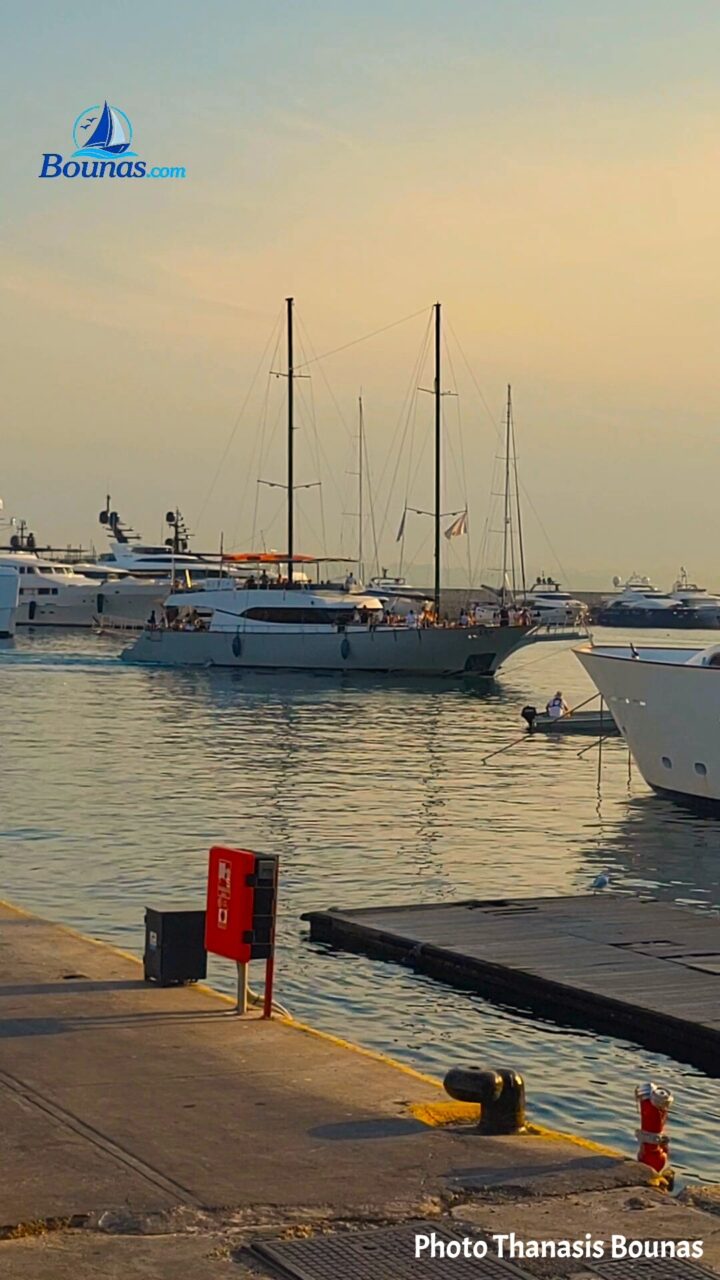
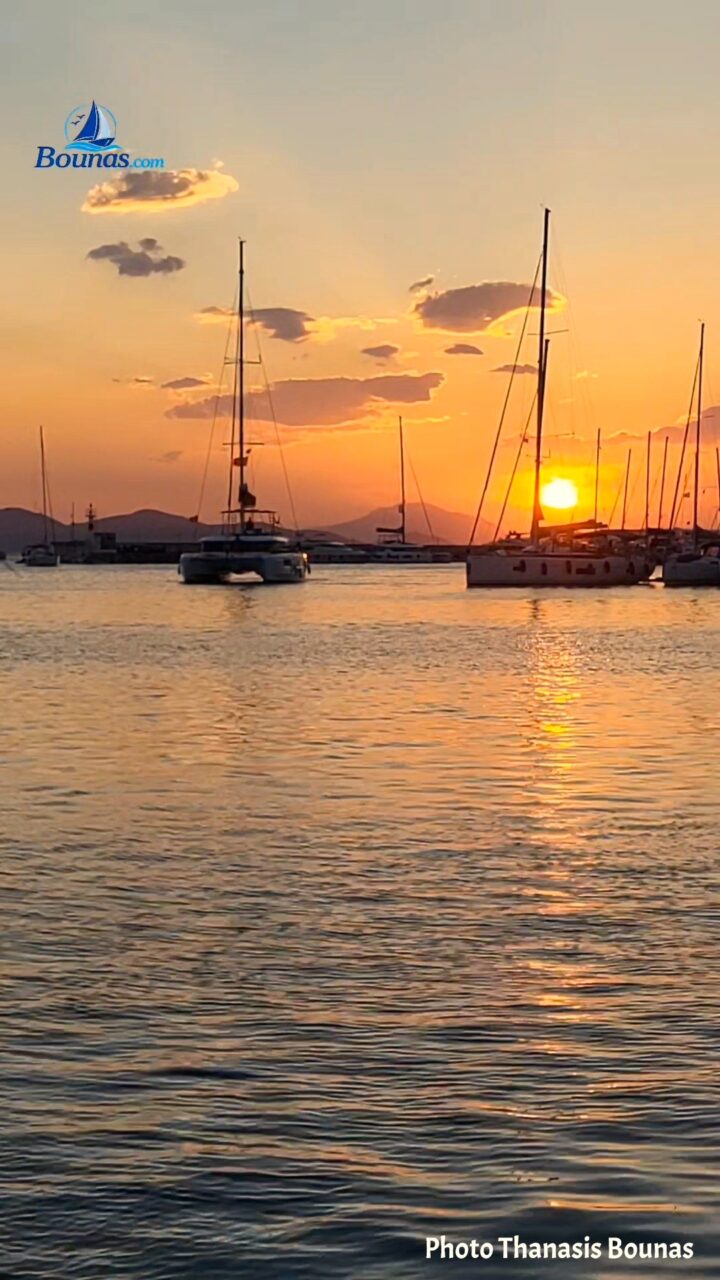
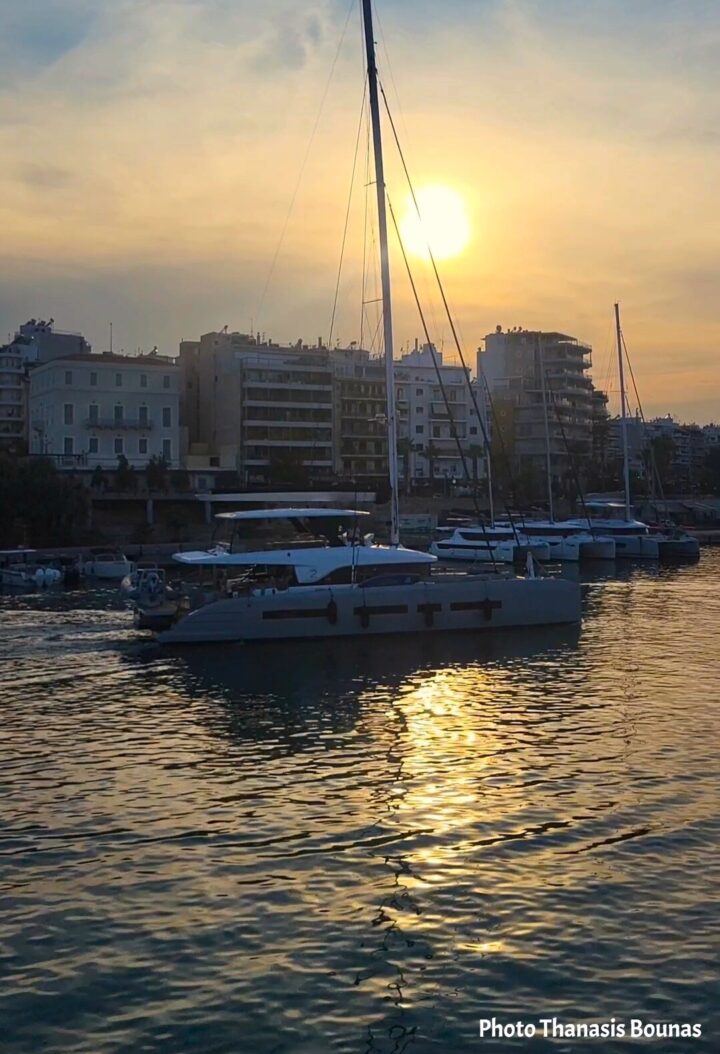
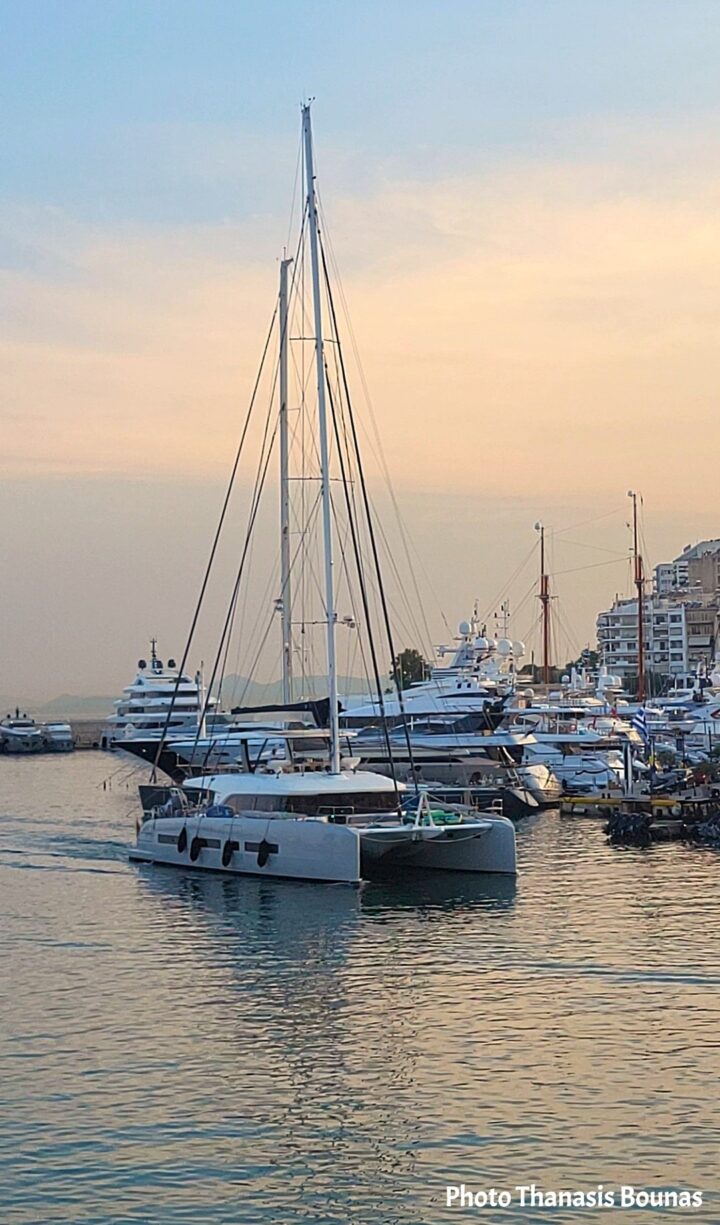
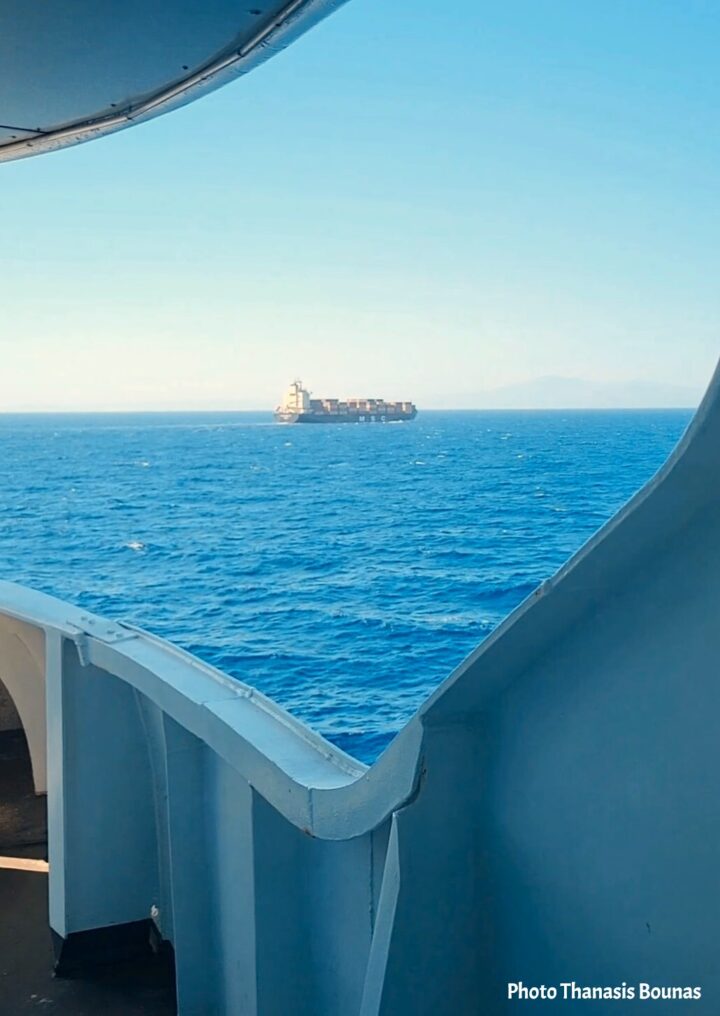
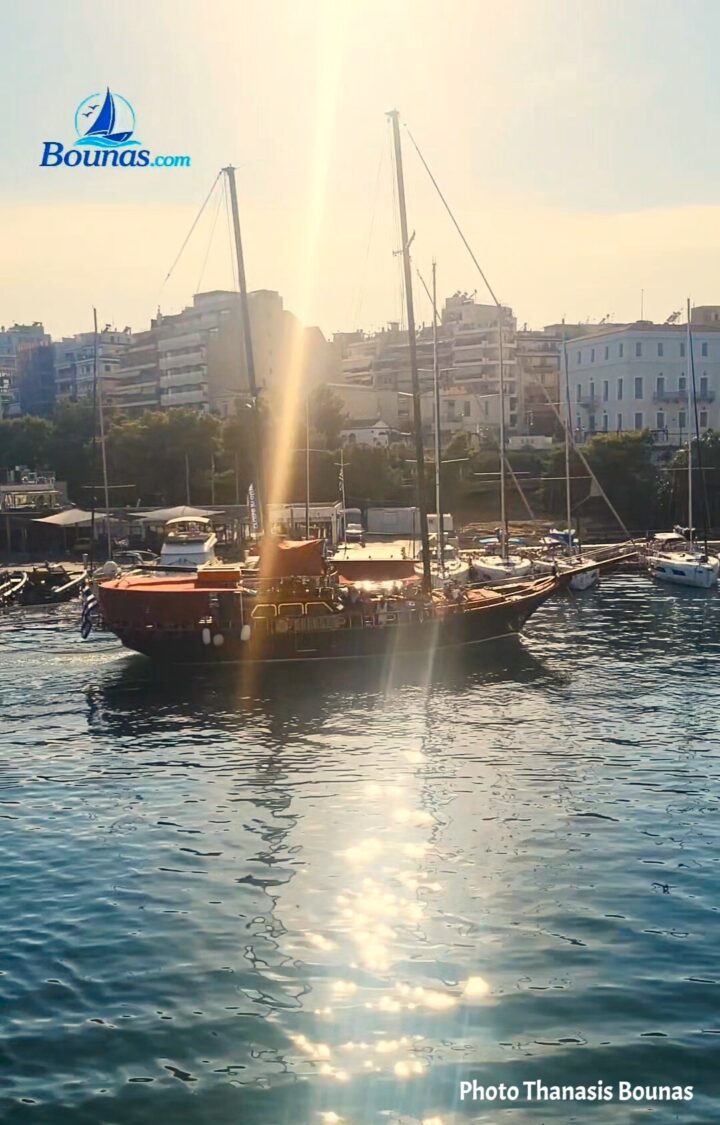
⛵ Leaving the Cyclades for Astypalaia, Greece.
Leaving the Cyclades Behind
The Cyclades form one of the most recognizable island groups in Greece.
Scattered across the central Aegean, their dry landscapes, exposed coastlines and white settlements have been shaped for centuries by the sea and the winds that cross it.
From the deck of a boat, however, leaving the Cyclades feels different from looking at them on a map.
The islands gradually become smaller behind you. Details disappear first, then coastlines, until eventually there is little more than open water.
The journey itself takes over.
Across the Open Aegean
Between the Cyclades and Astypalaia stretches the open Aegean Sea.
Here, the voyage becomes less about individual beaches or villages and more about distance, weather and horizon.
For sailors, passages like this reveal another side of Greece. The country is not only a collection of destinations. It is also a vast maritime landscape in which islands have been connected by sea routes for thousands of years.
Long before modern navigation, sailors crossed these waters using their knowledge of winds, coastlines, stars and recognizable landmarks.
Today the technology has changed dramatically, but the geography remains.
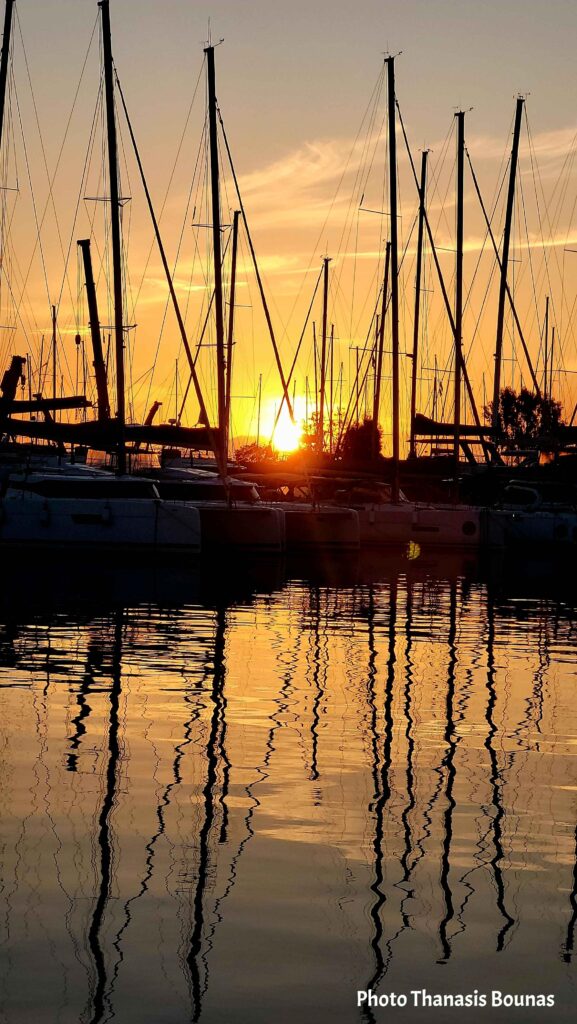
Astypalaia Between Two Island Worlds
Astypalaia officially belongs to the Dodecanese, yet its position and architecture give it an unusual place within the Aegean.
Its butterfly-shaped landmass rises from the sea between the Cyclades and the main chain of the Dodecanese.
Approaching it from the west therefore feels almost like crossing an invisible boundary.
The Cyclades remain behind, while another part of island Greece begins ahead.
That geographical transition is one of the reasons the journey toward Astypalaia can be as interesting as the destination itself.
When the Journey Becomes the Story
Travel is often described through arrivals.
But at sea, departures matter just as much.
Watching the last Cycladic coastline disappear while sailing toward Astypalaia creates a moment that belongs to neither destination completely. It exists somewhere between them, surrounded by the blue of the Aegean.
And perhaps this is one of the greatest pleasures of sailing through Greece: sometimes the most memorable place is not an island at all.
It is the sea between them.