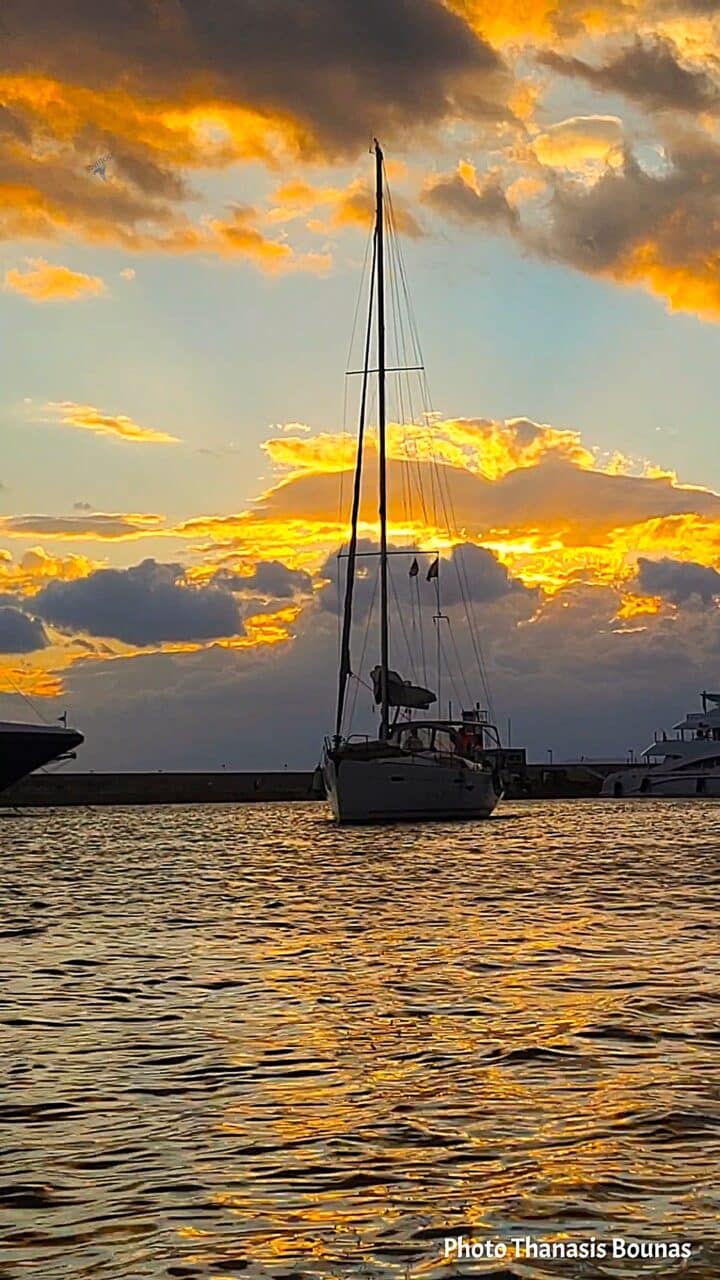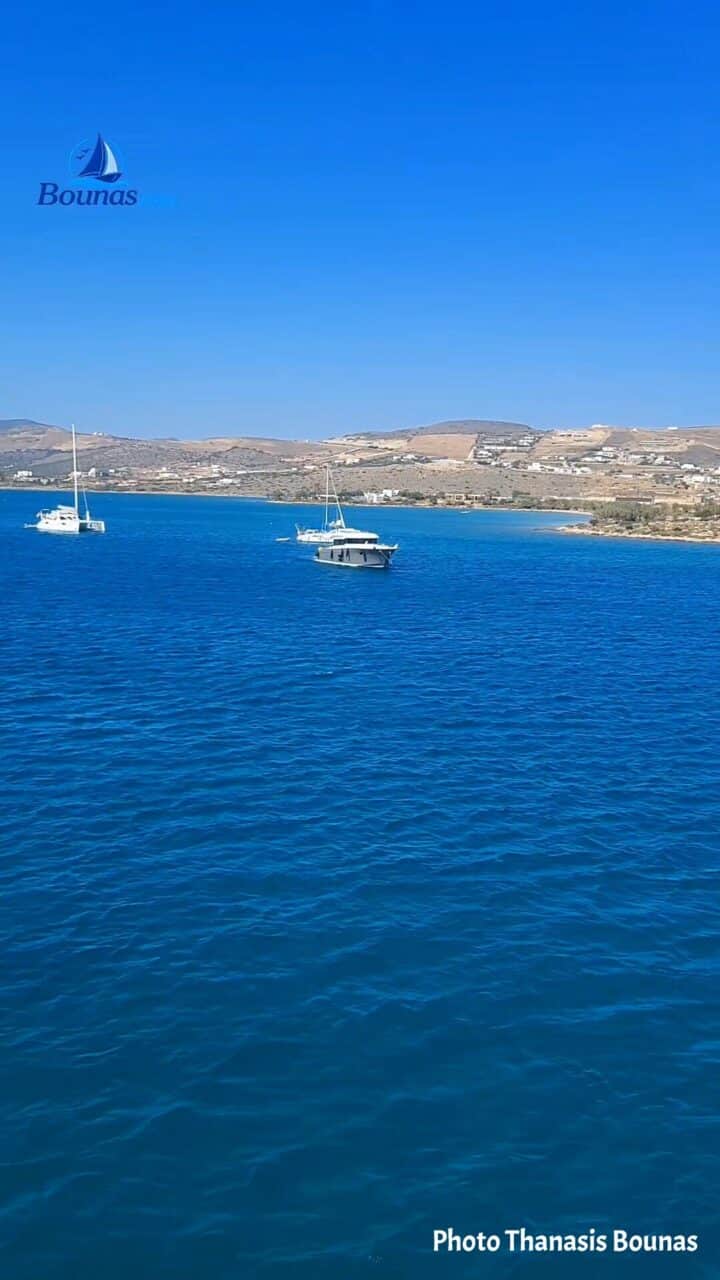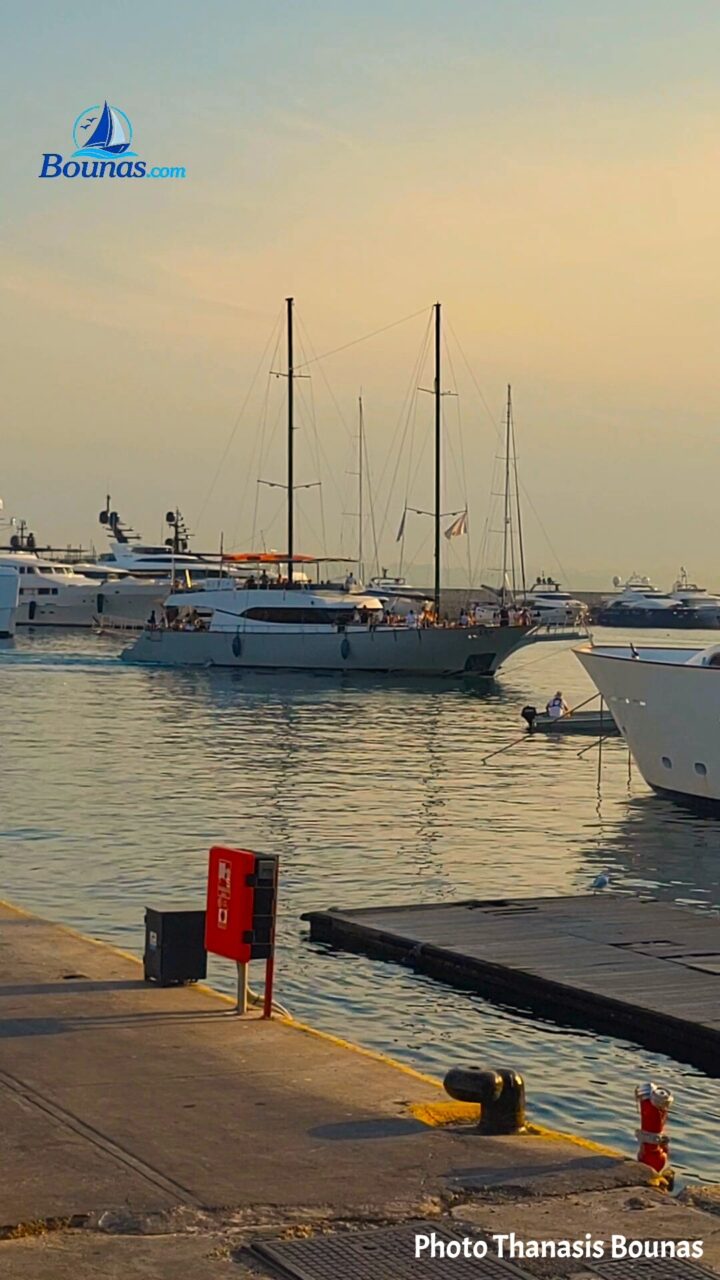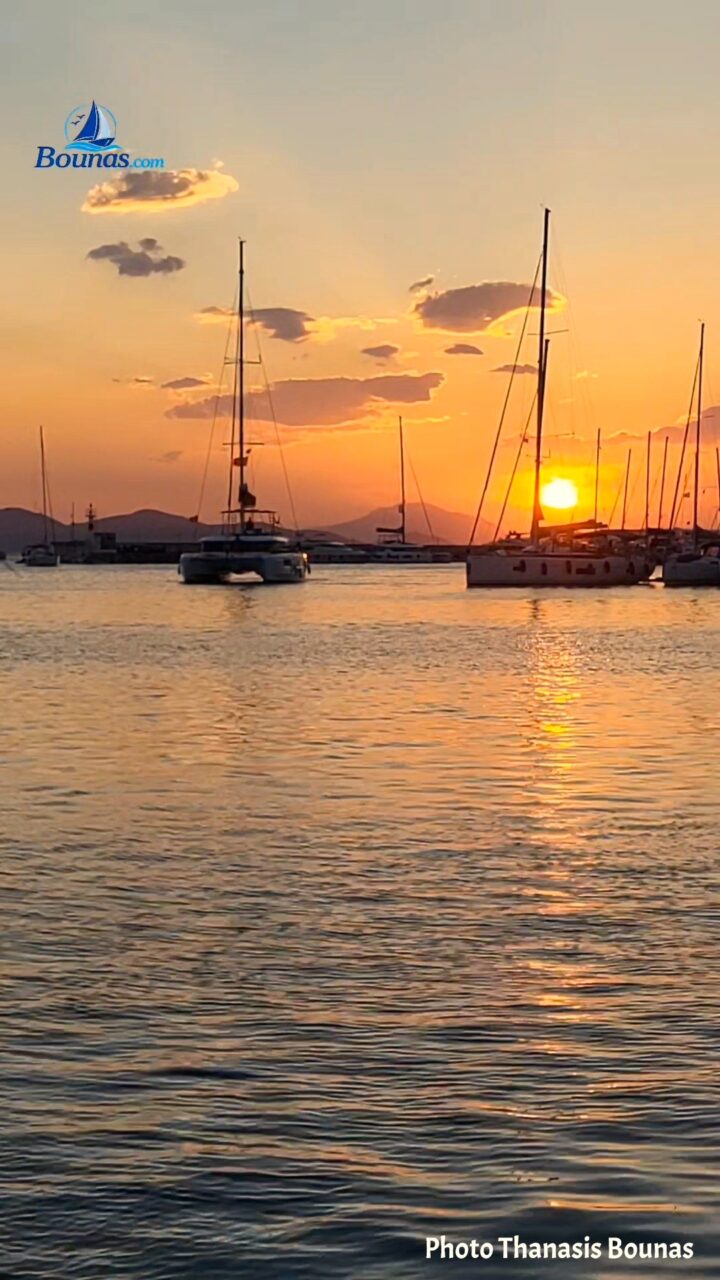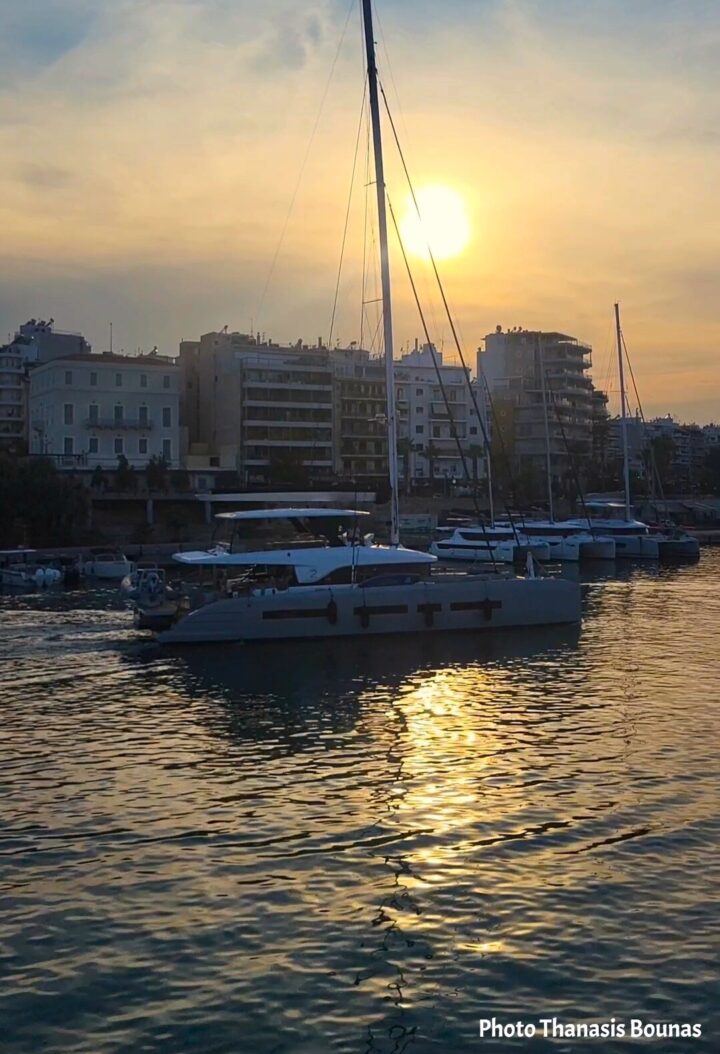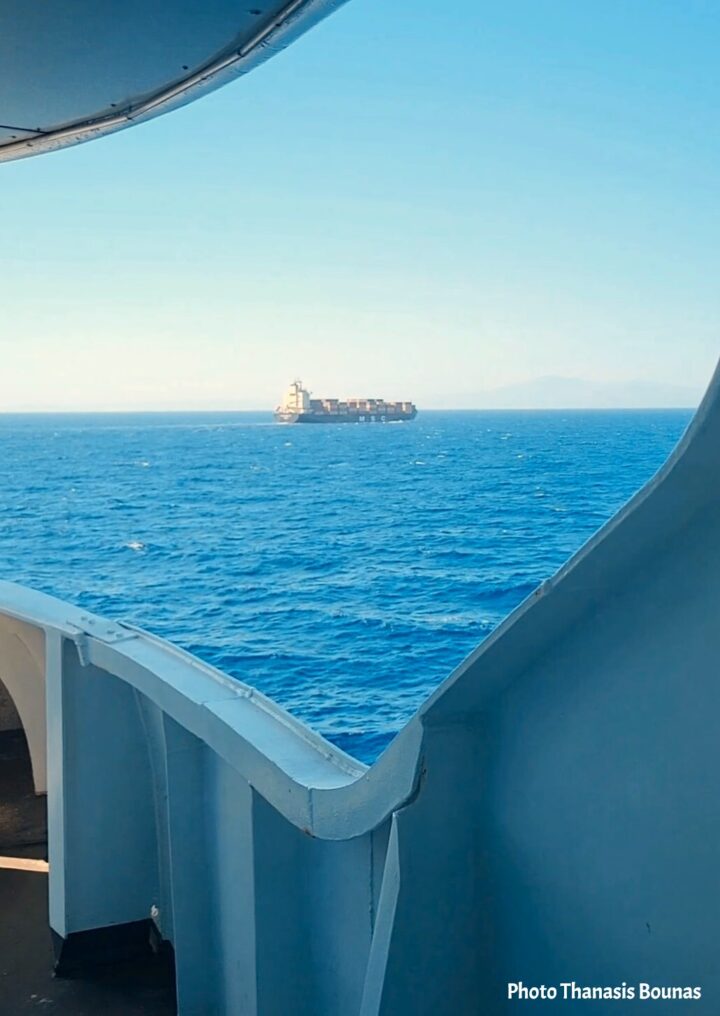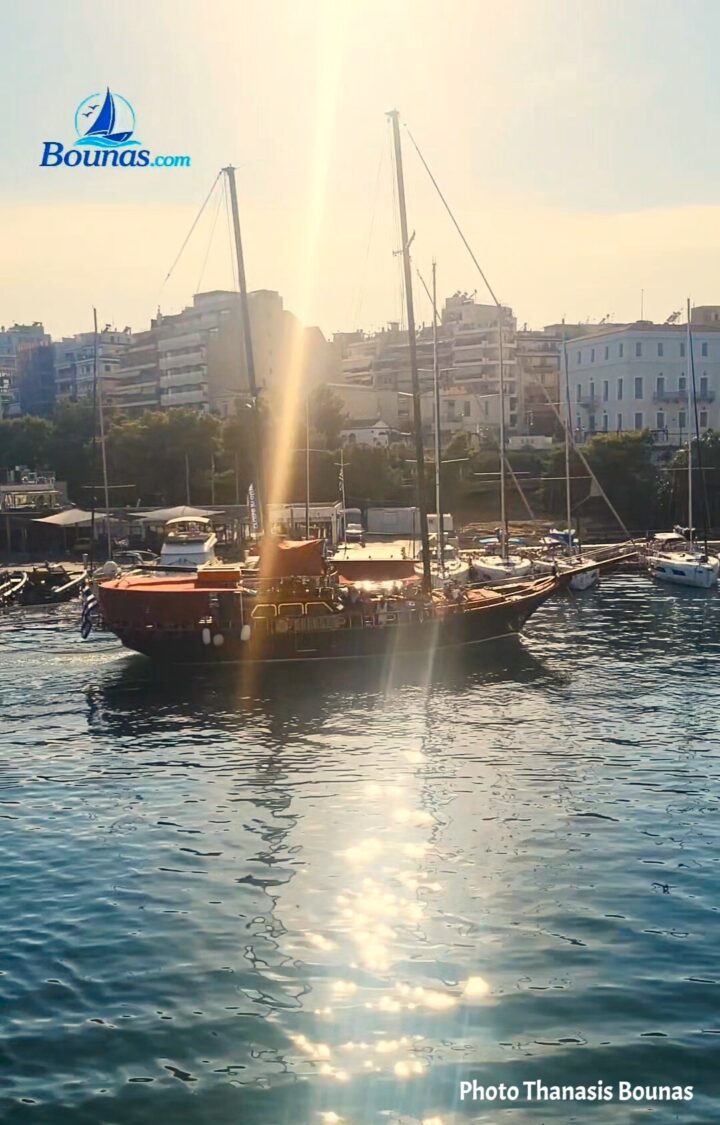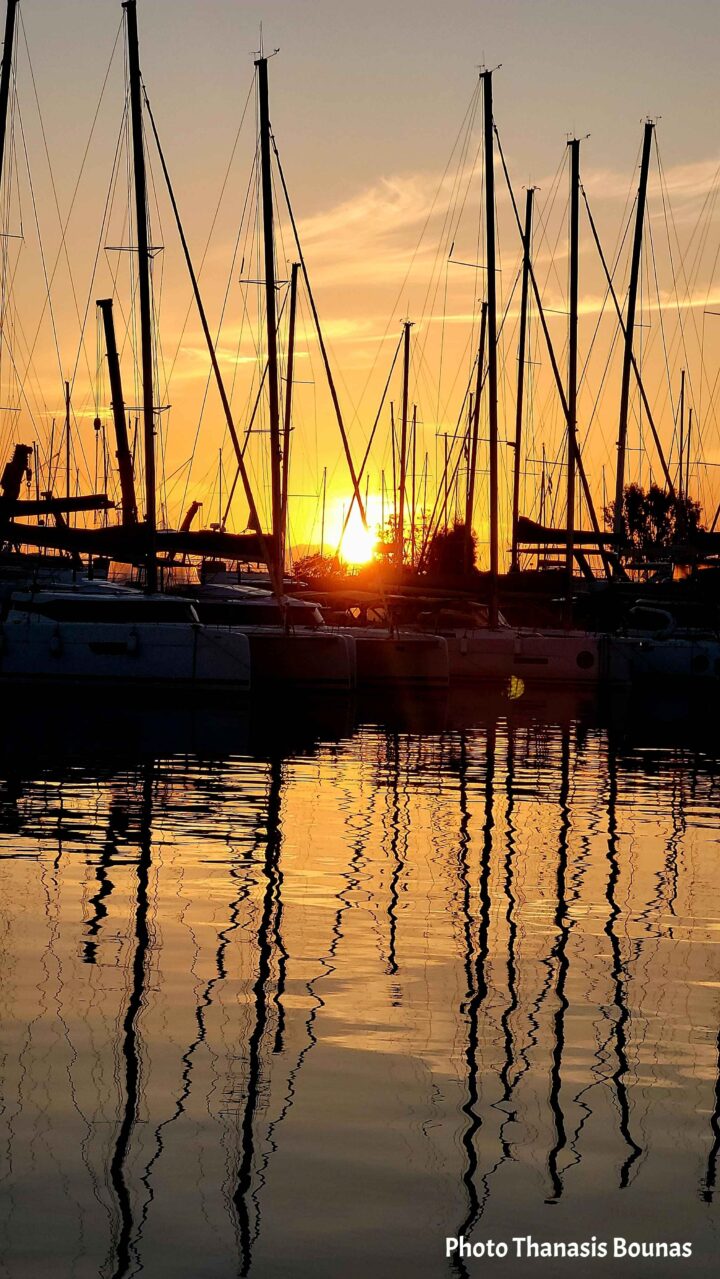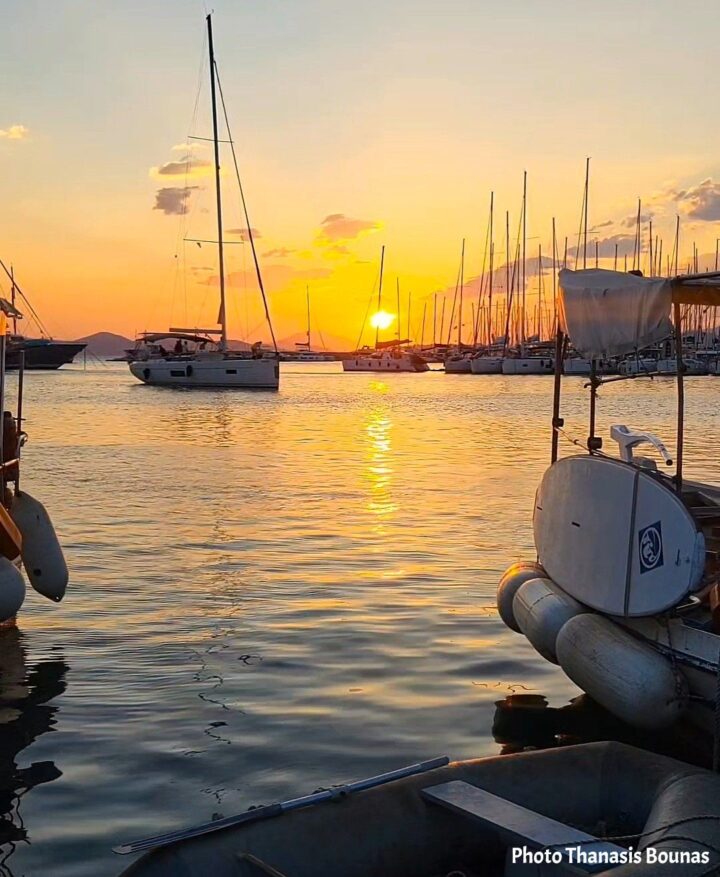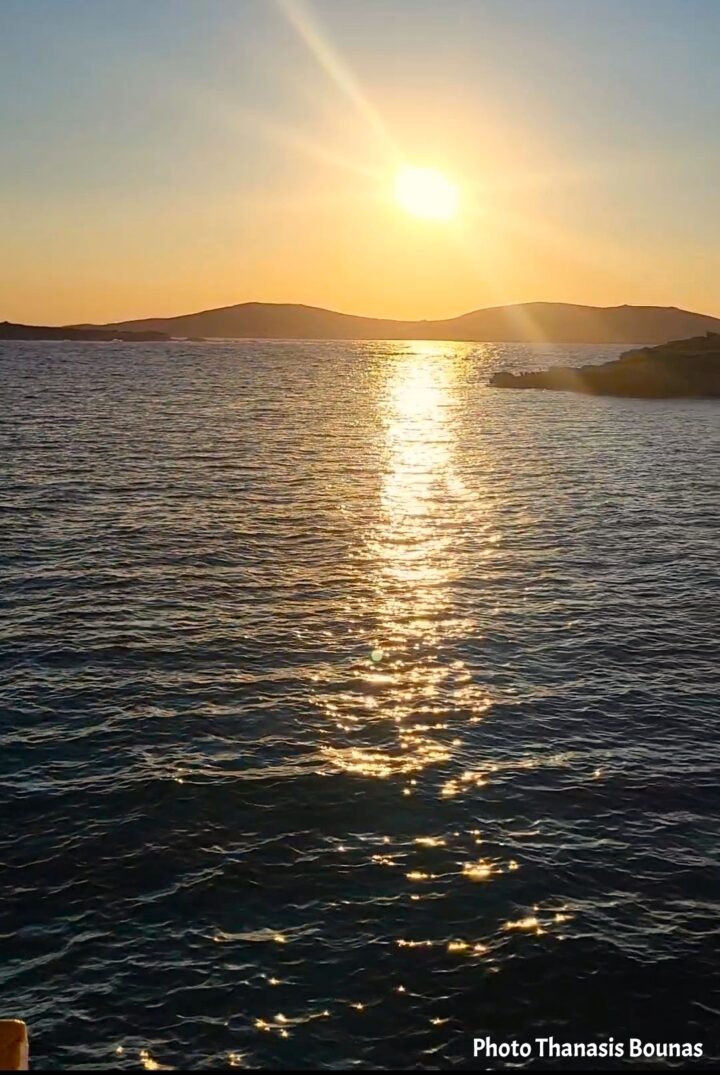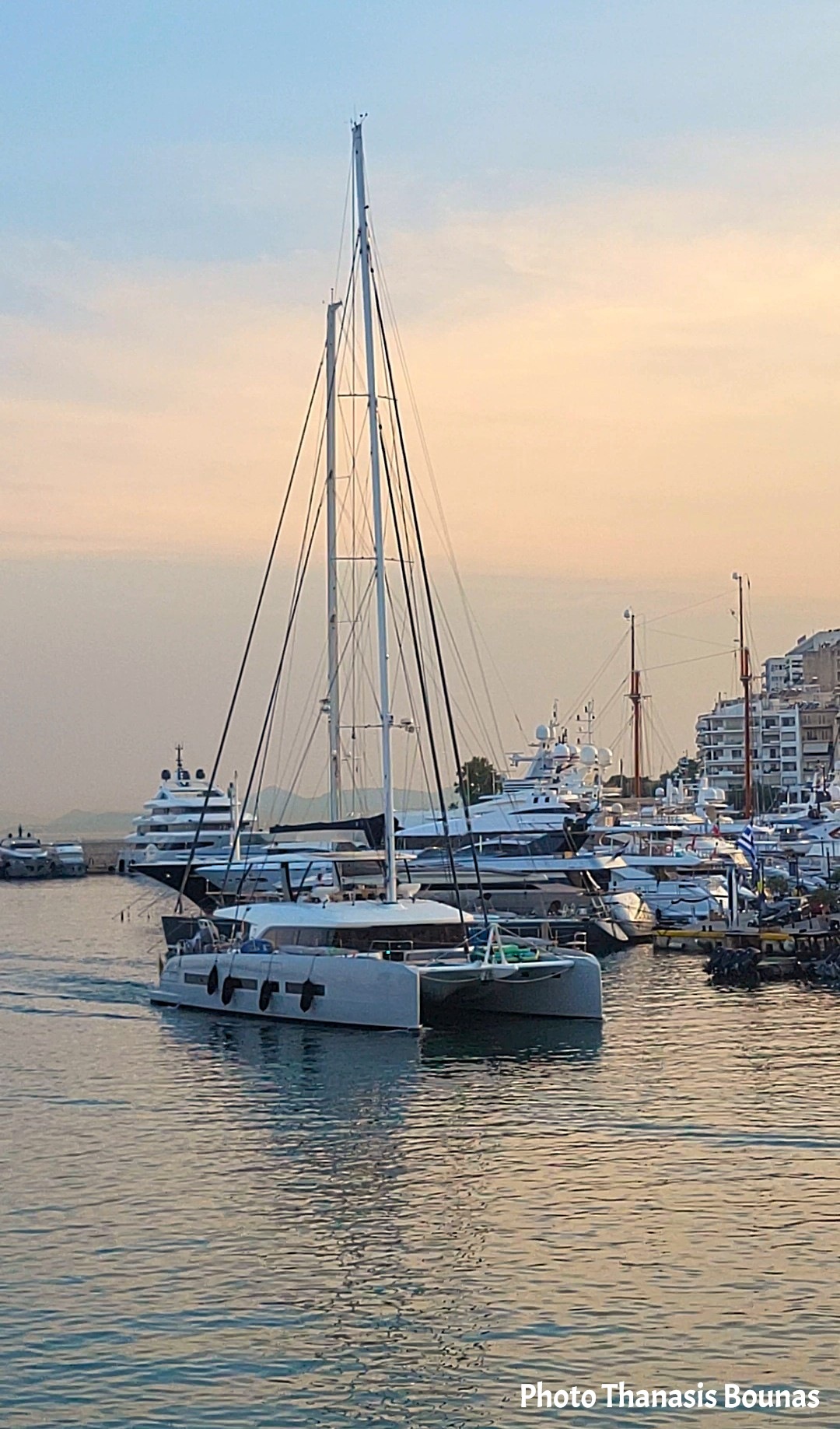
There is something different about the journey back from the Greek islands.
The destination may now be behind you, but the sea remains ahead. Harbors slowly disappear from view, islands become distant shapes on the horizon, and the Aegean begins to feel larger with every mile.
After days spent moving between islands, beaches and small ports, the return journey offers a quiet moment to remember where you have been.
And across the Aegean, every island leaves a different memory.
Returning from the Aegean Islands.
From the Cyclades Across the Aegean
The Cyclades form one of the most recognizable landscapes of Greece, yet no two islands feel exactly the same.
There is the unmistakable energy of Mykonos, while nearby Delos carries the extraordinary legacy of the ancient Greek world.
Farther south, Paros opens onto wide Aegean horizons, while neighboring Antiparos offers a quieter landscape of small harbors, beaches and clear water.
Then there is Naxos, the largest of the Cyclades, where mountains rise behind long stretches of coastline.
Syros brings another character entirely, combining its maritime past with the distinctive architecture of Ermoupoli.
To the west, Milos reveals a coastline shaped by volcanic geology, while nearby Kimolos retains a quieter Cycladic character.
And toward the northern edge of the island group, Andros combines the Aegean with a greener and more mountainous landscape.
Travelling between them makes one thing clear: the Cyclades are not a single experience.
They are many different islands connected by the same sea.
Sailing Toward the Dodecanese
Continue across the Aegean and the character of the journey gradually changes.
Astypalaia, with its distinctive butterfly-like shape, seems to form a natural bridge between different parts of the Aegean.
Farther east, Kalymnos rises dramatically from the sea, its rocky landscape reflecting the island’s long relationship with sponge diving and maritime life.
Nearby Kos combines beaches, ancient history and a coastline facing the waters close to Asia Minor.
And farther south lies Rhodes, one of the great historic islands of Greece, where centuries of Greek, Byzantine and medieval history meet the sea.
Together, these islands introduce the world of the Dodecanese, another distinctive part of the eastern Aegean.
The Sea Between the Islands
When travelling through Greece, it is easy to think of every island as a separate destination.
From the sea, the perspective changes.
Mykonos leads toward Delos.
Paros seems inseparable from Antiparos.
Milos and Kimolos appear as neighboring worlds.
And farther across the Aegean, Kalymnos, Kos and Rhodes become stages of a much larger maritime journey.
Sailing between these islands reveals something that cannot be experienced in quite the same way from land.
The sea is not simply the space separating the destinations.
It is what connects them.
Returning with the Aegean Behind You
Eventually every island journey reaches its final passage.
The boats are quieter.
The coastline becomes distant.
The islands that filled the previous days slowly disappear into the horizon.
But Mykonos, Delos, Paros, Antiparos, Naxos, Syros, Milos, Kimolos, Andros, Astypalaia, Kalymnos, Kos and Rhodes remain part of the journey long after they are no longer visible.
Perhaps that is one of the reasons travelling through the Greek islands stays with you.
You leave the islands behind.
But you never entirely leave the Aegean.
FAQ
Which Greek islands are in the Aegean Sea?
The Aegean contains numerous Greek island groups, including the Cyclades and Dodecanese. Among its best-known islands are Mykonos, Paros, Naxos, Syros, Milos, Andros, Kos and Rhodes.
What are the main island groups of the Aegean?
Major groups include the Cyclades, Dodecanese, Northern Aegean islands and Sporades, along with several other islands located throughout the Aegean.
Is sailing a good way to explore the Aegean islands?
Yes. Sailing provides a different perspective on the Greek islands, connecting harbors, coastlines and smaller destinations while making the sea itself part of the experience.