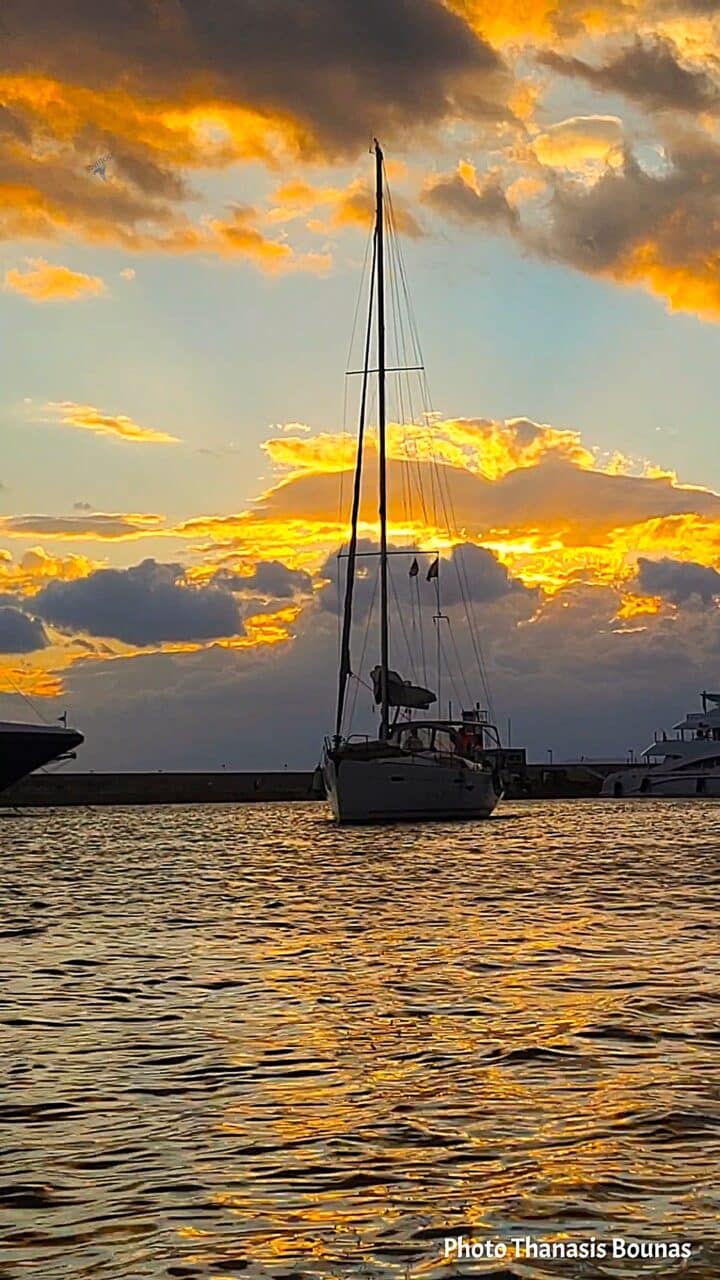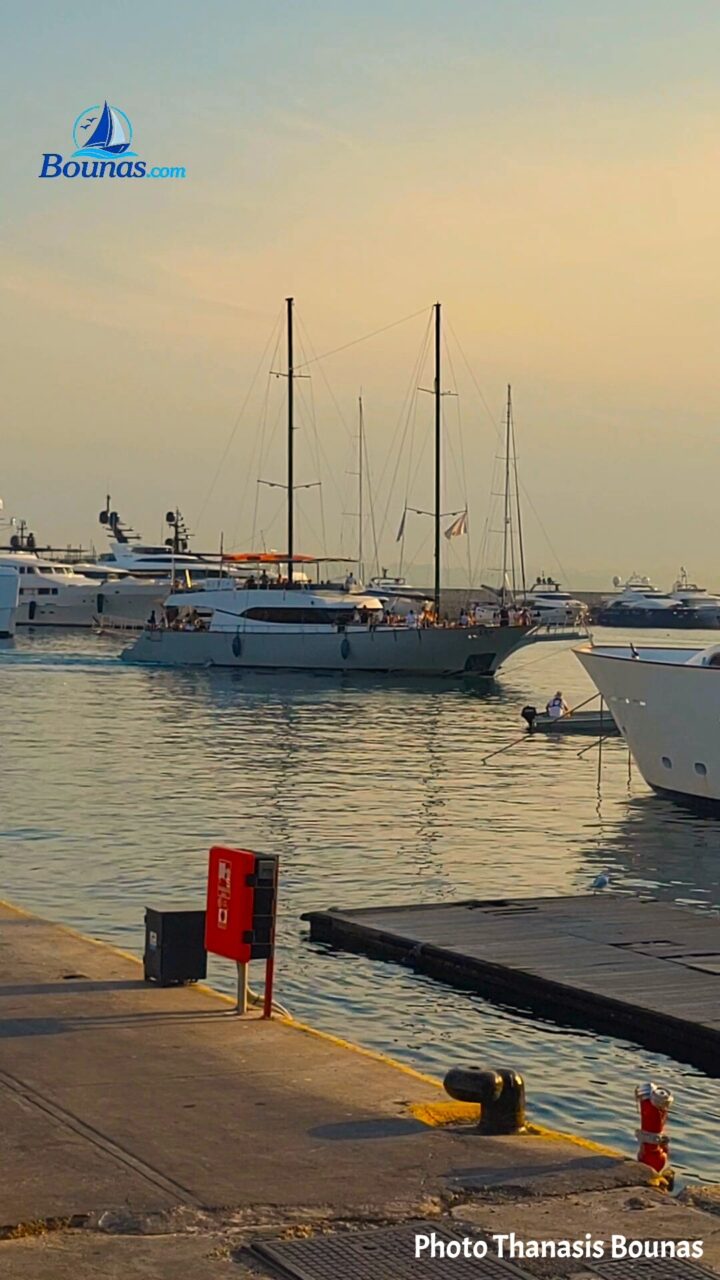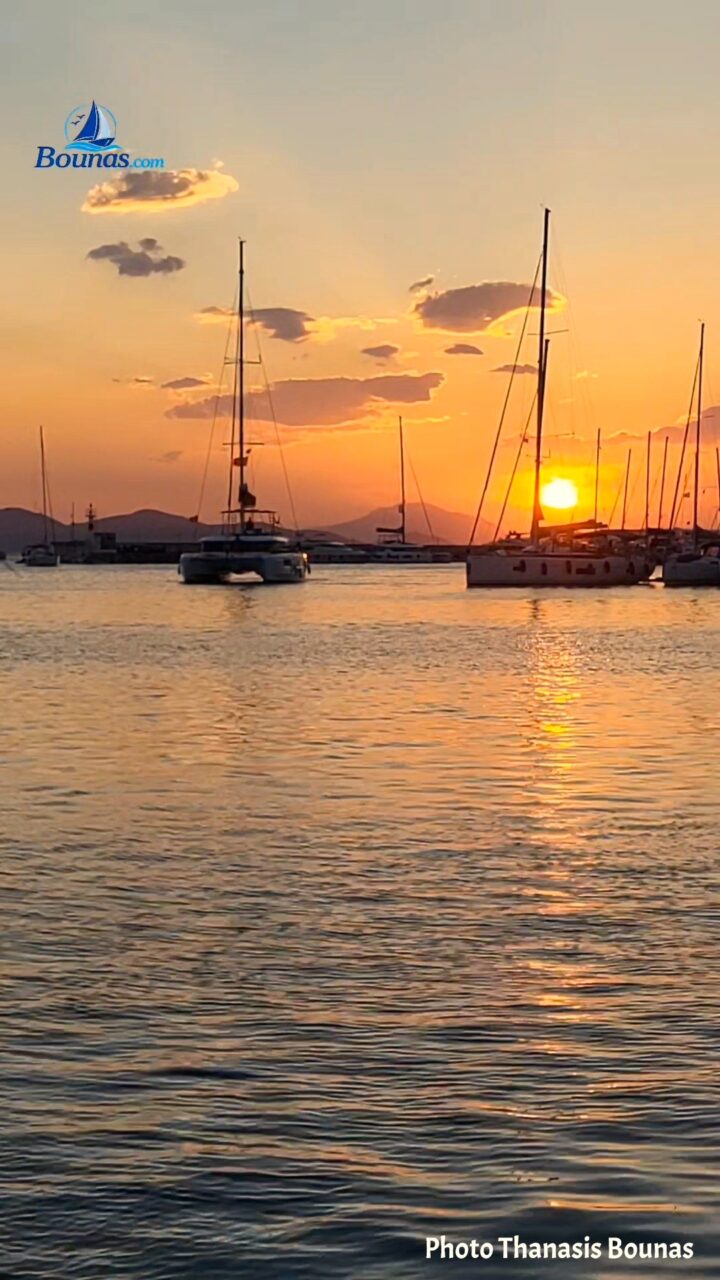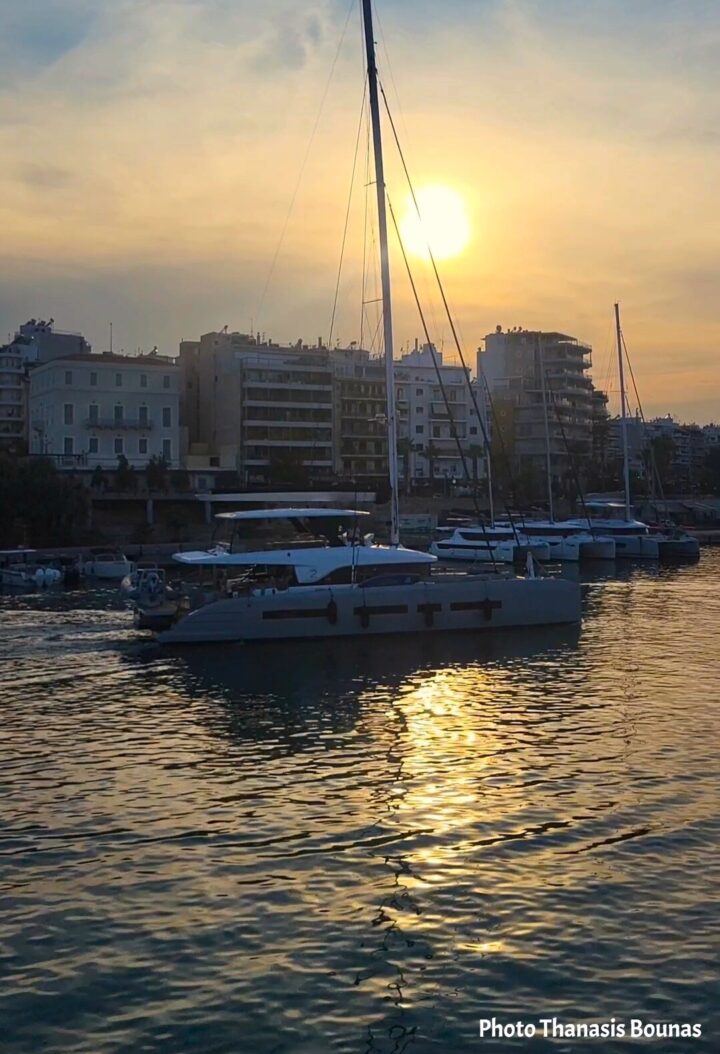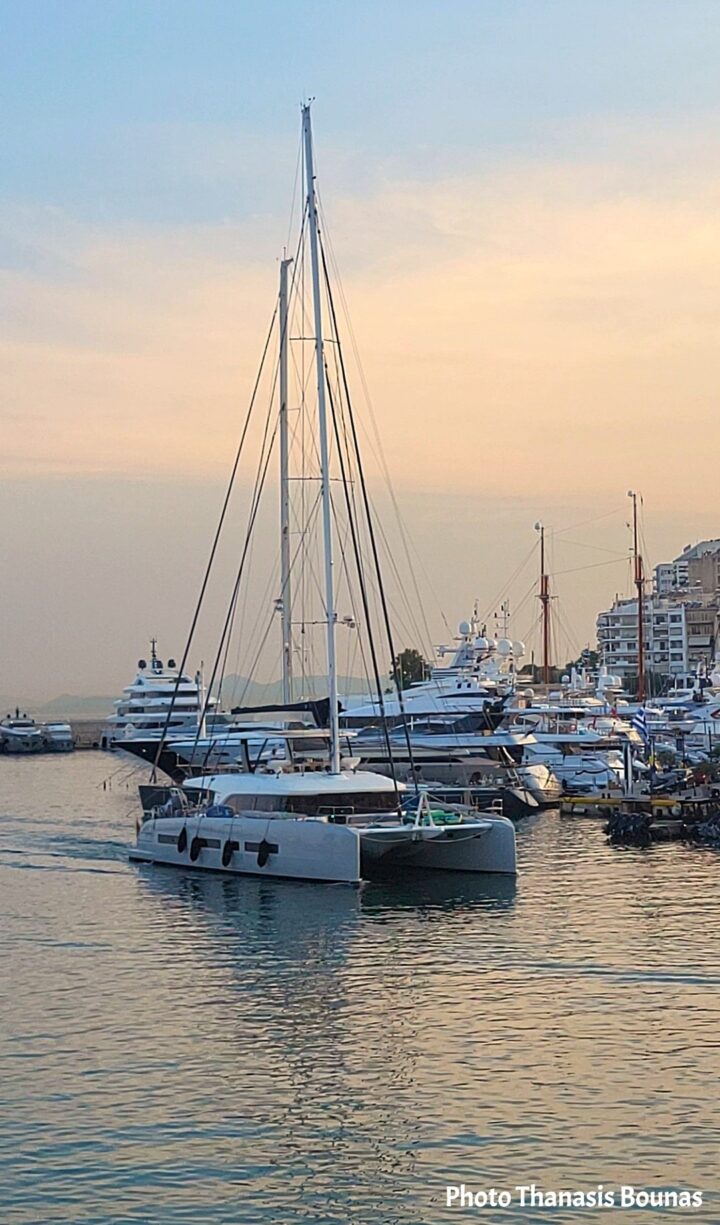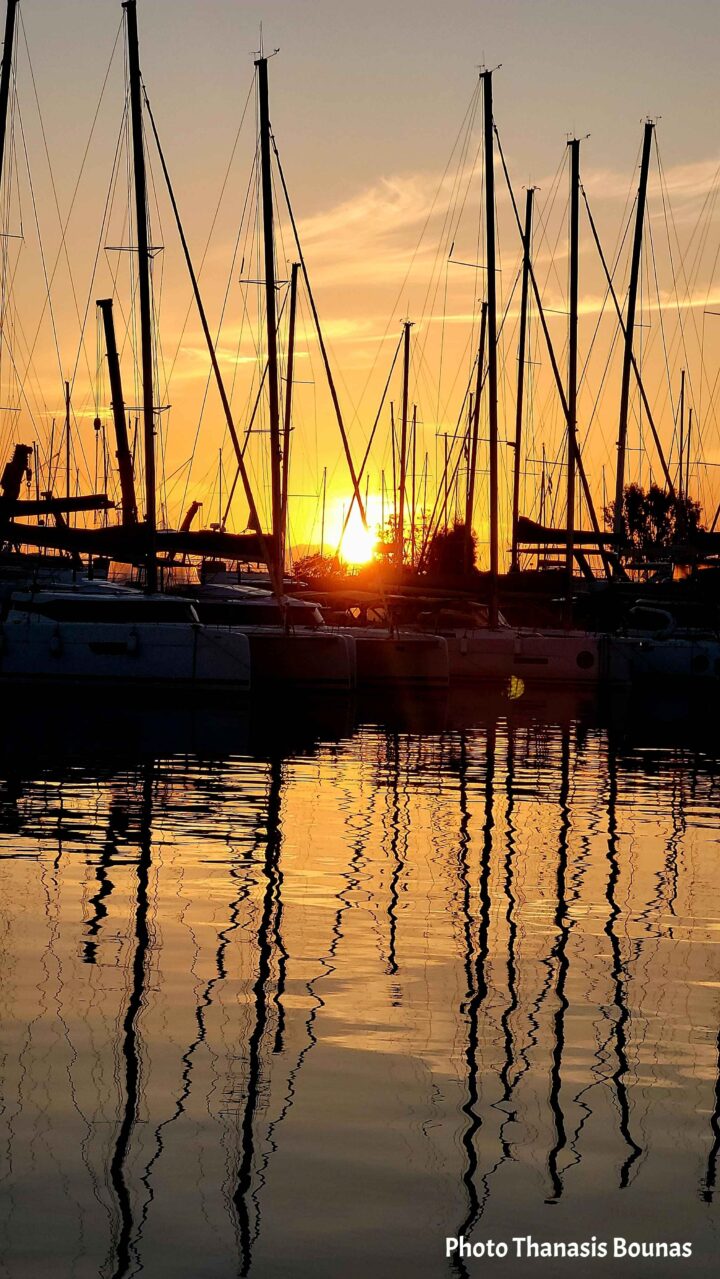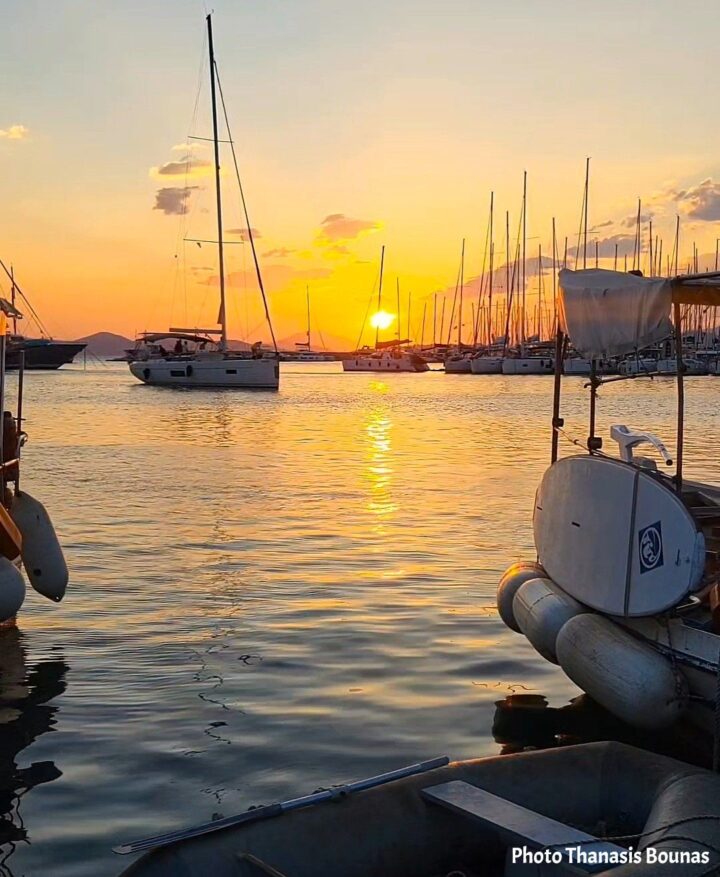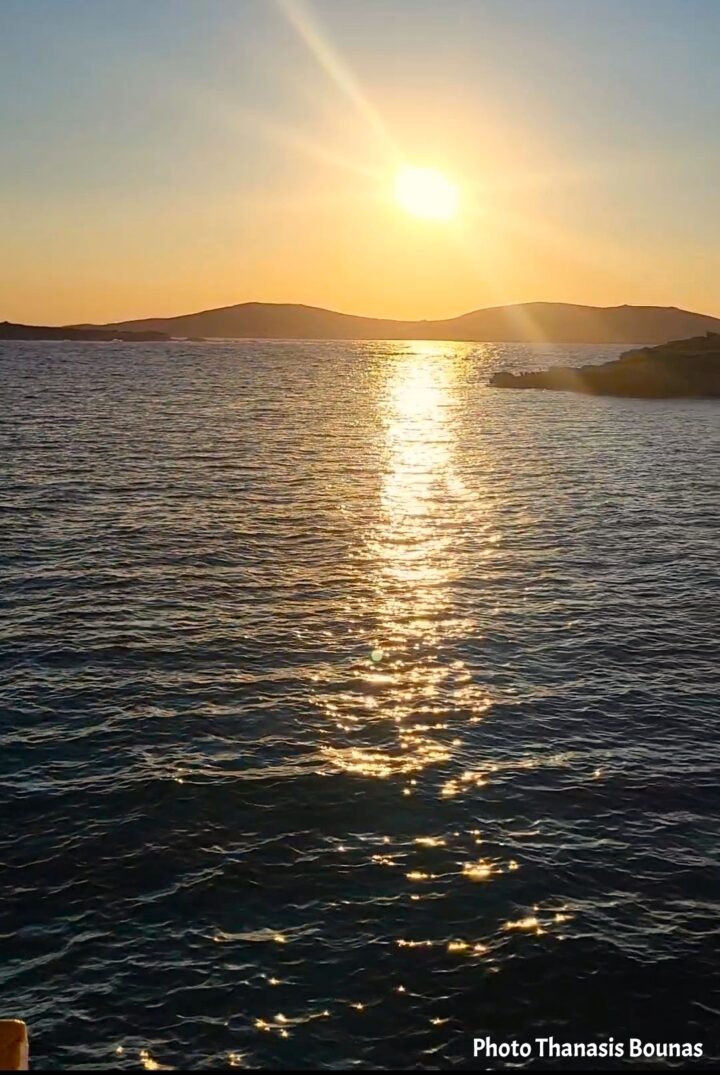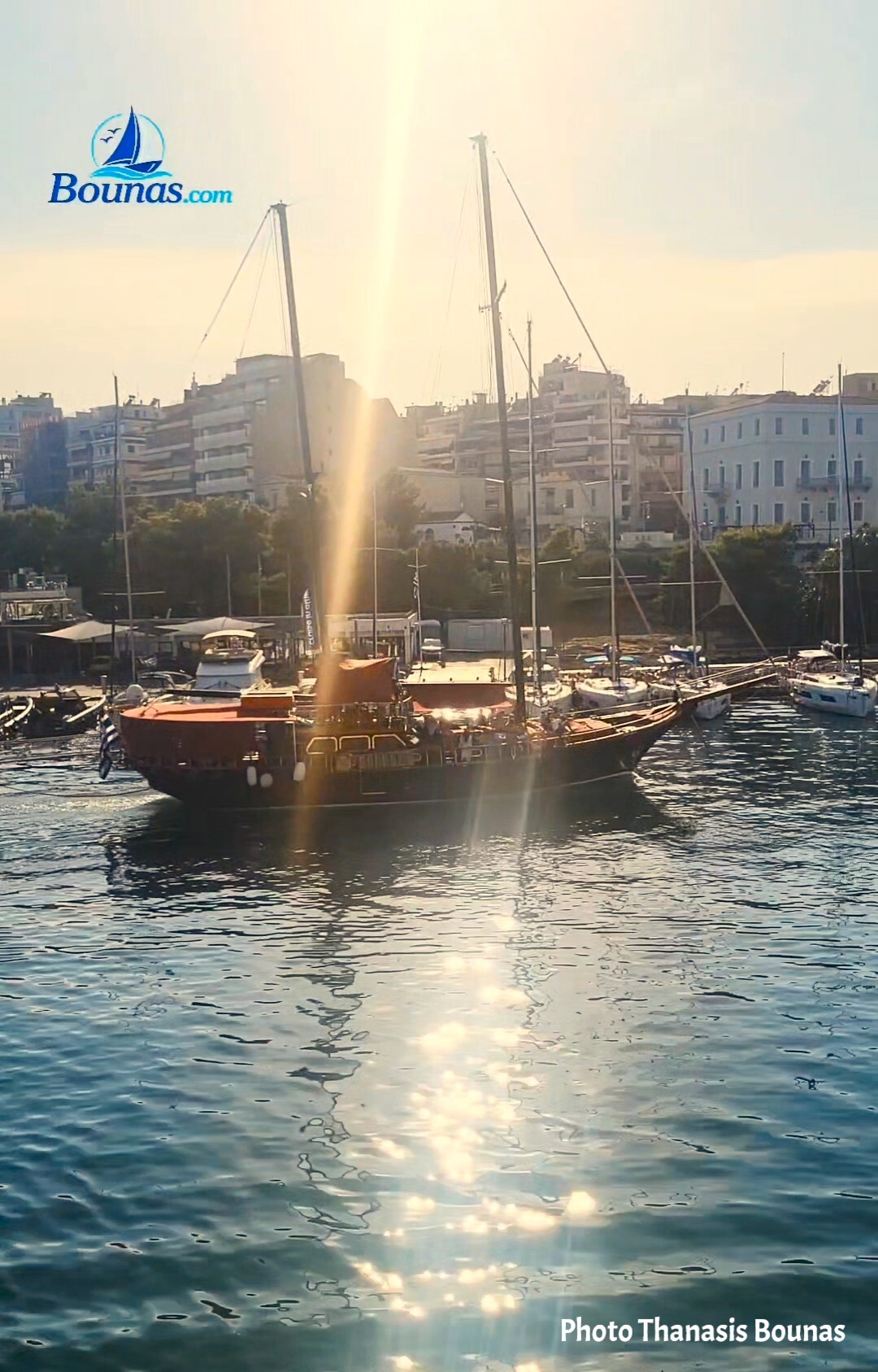
Along the waterfront of Piraeus, where sailing boats and yachts now rest quietly on the waters of Marina Zeas, the sea carries a history far older than the modern city surrounding it.
Today, Marina Zeas is part of the maritime landscape of the Athens Riviera, a place where boats arrive after journeys through Greece and prepare for new passages toward the islands.
But more than two thousand years ago, these waters had an entirely different purpose.
Zea was one of the great naval harbors of ancient Athens — a place connected not with leisure, but with the extraordinary maritime power that helped shape the history of classical Greece.
⚓ Marina Zeas – Athens Riviera, Greece.
Marina Zeas Today – Sailing Beside Piraeus
Walking beside Marina Zeas today, it is easy to see the harbor simply as part of modern Piraeus.
Masts rise above the waterfront, sailing boats move slowly through the entrance, and the buildings of the city form a dense backdrop behind the water.
For anyone approaching from the sea, however, the relationship between Piraeus and Athens becomes much clearer.
The city has always faced outward toward the water.
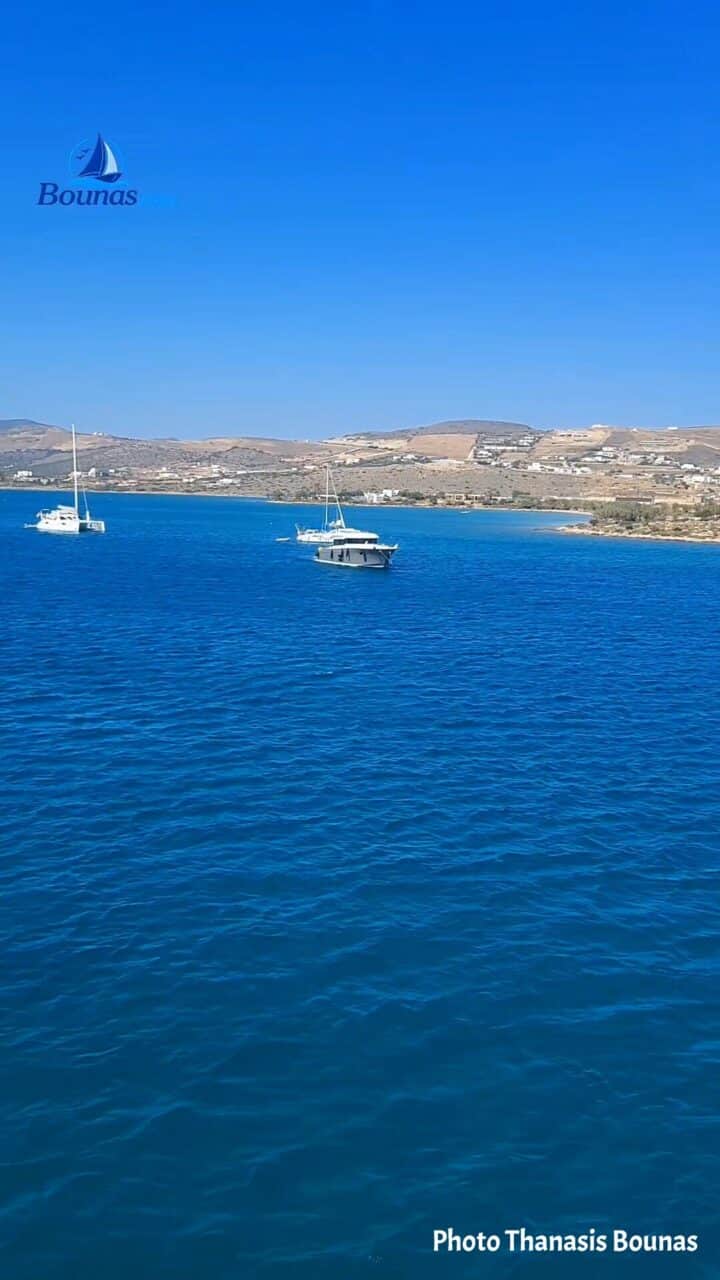
From Marina Zeas, sailing routes open toward the Saronic Gulf and farther into the Aegean, connecting the Athens Riviera with islands and coastal landscapes across Greece.
Yet beneath this modern sailing world lies another harbor — the Zea of ancient Athens.
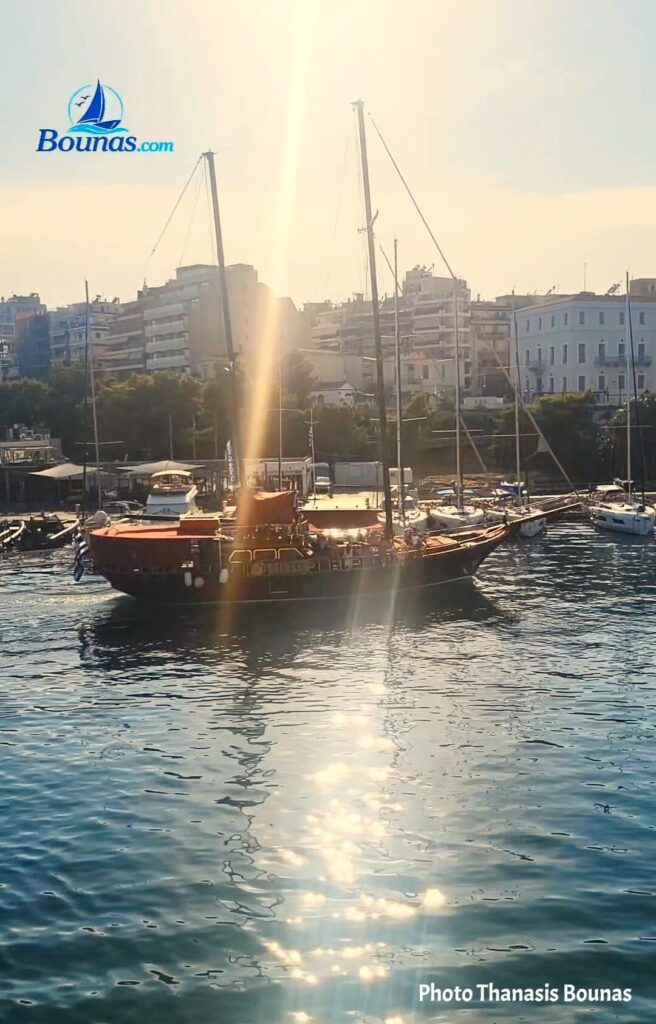
Zea in Ancient Athens
During the rise of Athens as a maritime power in the 5th century BC, Piraeus developed into the city’s great naval and commercial center.
Its natural harbors served different purposes, and Zea became the principal harbor associated with the Athenian war fleet. Archaeological and historical research shows that by the late 4th century BC, Zea contained 196 shipsheds, known in Greek as neosoikoi.
These were not simple places where vessels were tied to a quay.
They were substantial structures built around sloping ramps where warships could be hauled out of the sea. The shipsheds allowed vessels to be protected from the weather while maintenance and repairs were carried out.
The scale was remarkable.
Research into the naval installations of Zea and nearby Mounichia indicates that their shipsheds occupied an enormous area. Archaeological work continues to reveal how sophisticated the naval infrastructure of ancient Piraeus actually was.
This makes Zea far more than an interesting historical footnote.
It was part of the physical infrastructure behind Athenian sea power.
From Ancient Triremes to Modern Sailing
The contrast is difficult to ignore.
Where modern sailing boats now move through Marina Zeas, ancient warships once entered the harbor.
Where crews today prepare boats for journeys toward the Greek islands, ancient sailors, craftsmen and naval personnel worked around fleets of triremes.
The ancient shipsheds were designed so vessels could be hauled onto inclined slipways, stored and maintained away from the water. Remains of these structures survive around Zea, including archaeological remains preserved beneath a modern building near Akti Moutsopoulou.
The city above the harbor has changed almost beyond recognition.
The relationship with the sea has not.
A vessel leaving Marina Zeas today may sail toward the Saronic Islands, continue through the Aegean or simply spend a few hours outside the coast of Athens.
The purpose is different.
The water is the same.
A Harbor Where the Sea Still Defines the City
Perhaps this is what makes Marina Zeas particularly interesting.
Its importance does not belong exclusively to the past.
The ancient naval harbor disappeared beneath centuries of urban development, changing shorelines and the modern city of Piraeus, but boats still occupy these waters.
Standing beside the marina and watching a sailing boat move slowly across the harbor creates an unexpected connection between two very different worlds.
Ancient Athens depended upon ships for military power, communication and its wider presence across the Aegean.
Modern Greece remains deeply connected to the sea through travel, sailing and island life.
Marina Zeas is therefore more than another marina on the Athens Riviera.
It is a place where the maritime landscape of modern Greece occupies waters that were already important to sailors more than two millennia ago.
And perhaps that is the most remarkable part of Zea.
The vessels have changed.
The city has changed.
But the harbor still faces the sea.
FAQ
Was Marina Zeas an ancient Greek harbor?
Yes. Zea was one of the major harbors of ancient Piraeus and served as the principal naval harbor for the Athenian fleet. Archaeological evidence and ancient naval records document extensive installations for warships.
Why was Zea important to ancient Athens?
Zea formed an essential part of Athens’ naval infrastructure. By the late 4th century BC, records indicate that the harbor contained 196 shipsheds used for warships, demonstrating the enormous scale of the naval facilities concentrated there.
Can remains of ancient Zea still be seen today?
Yes. Parts of the ancient shipshed structures survive, including remains on the eastern side of the harbor preserved beneath a modern building near Akti Moutsopoulou and Syrangiou Street.