Light on the Facade
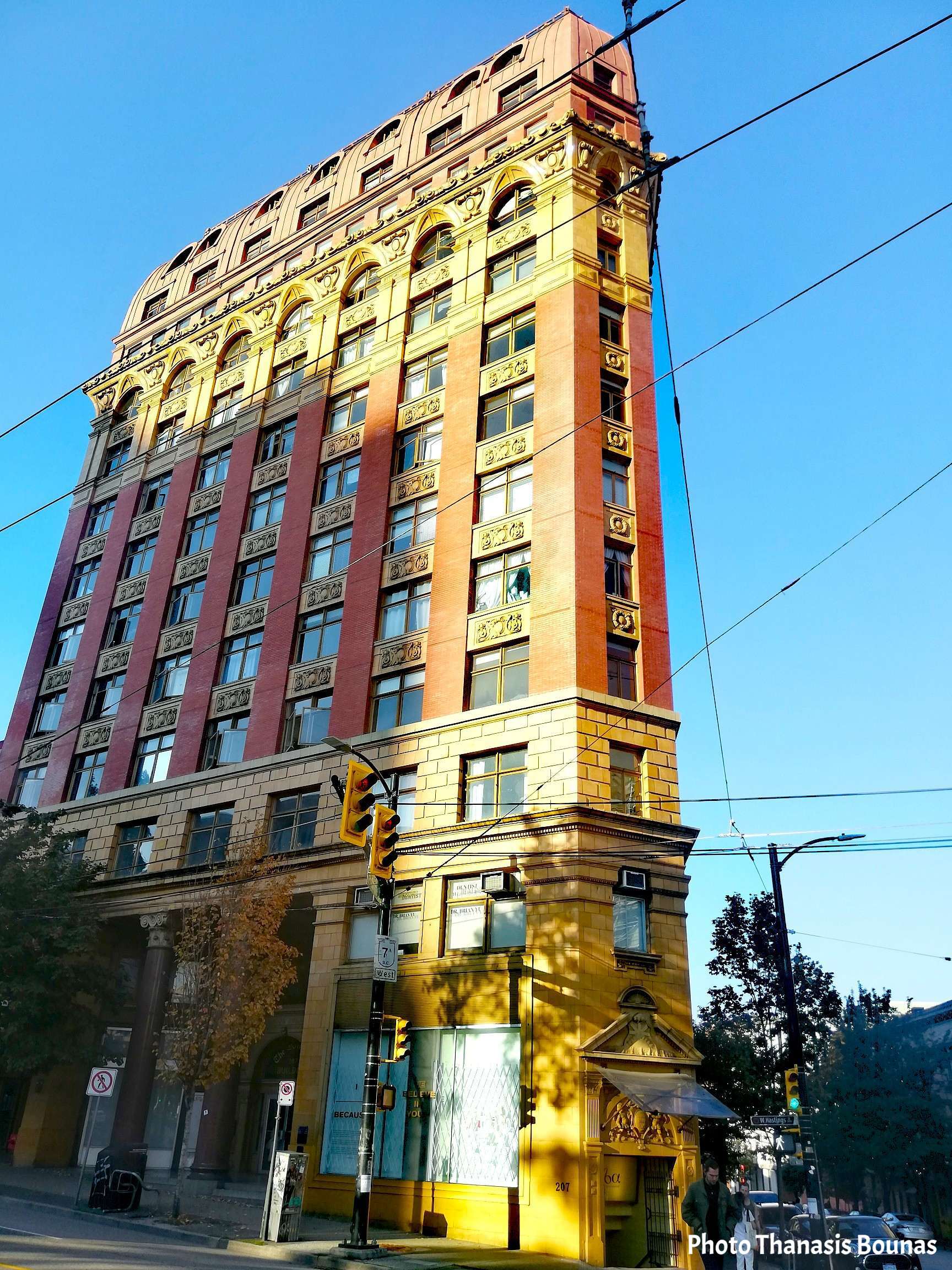
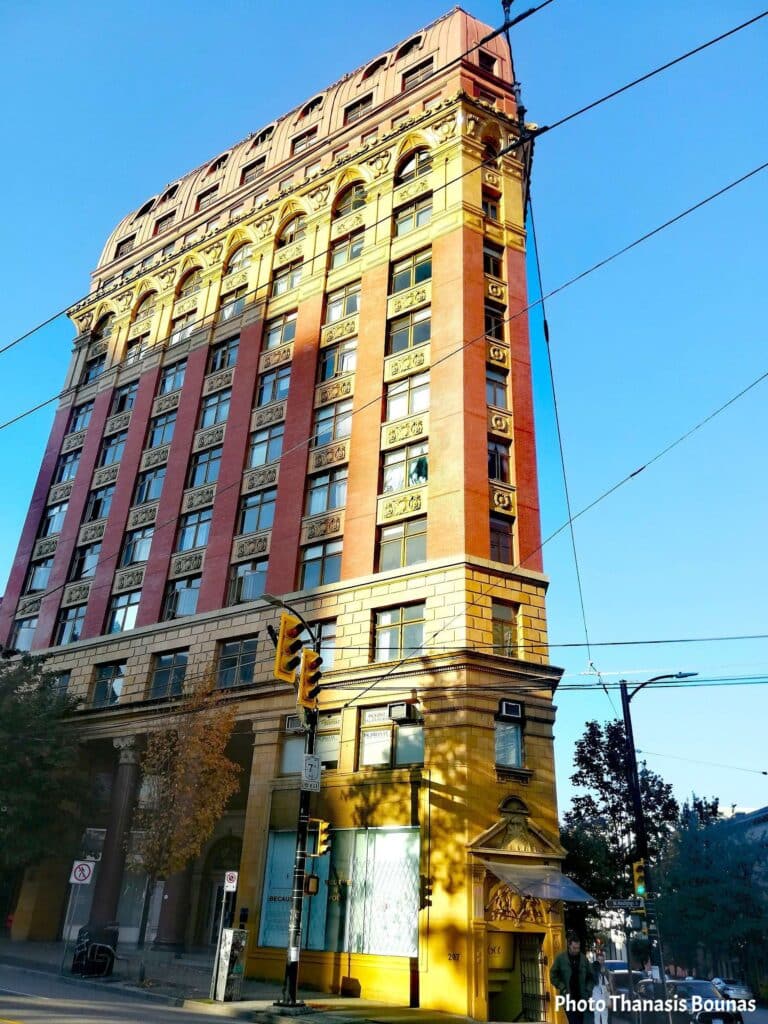
Warm evening light climbs slowly across the facade of a historic building in downtown Vancouver.
The details begin to appear:
Arched windows.
Decorative stonework.
Vertical lines that draw the eye upward.
For a moment, the city feels older than it looks.
A City Built Quickly
Vancouver did not grow slowly.
After its incorporation in 1886, the city rapidly became one of the most important economic centers on Canada’s Pacific coast.
By the early 20th century, buildings like this one were rising fast — symbols of ambition, trade, and expansion.
Architecture was not just functional.
It was expressive.
The Era of Vertical Confidence
Structures from this period often followed Edwardian Commercial and early high-rise styles, combining ornament with new construction techniques.
Some of Vancouver’s earliest towers — like the Dominion Building (1907) — were among the first steel-frame high-rises in the city.
Buildings were becoming taller.
But they still carried classical details.
This balance defines what you see here.
Ornament Before Minimalism
Look closely and you notice something missing from modern architecture:
Decoration.
Columns, arches, and carved elements were not extra — they were essential. They communicated stability, prestige, and permanence.
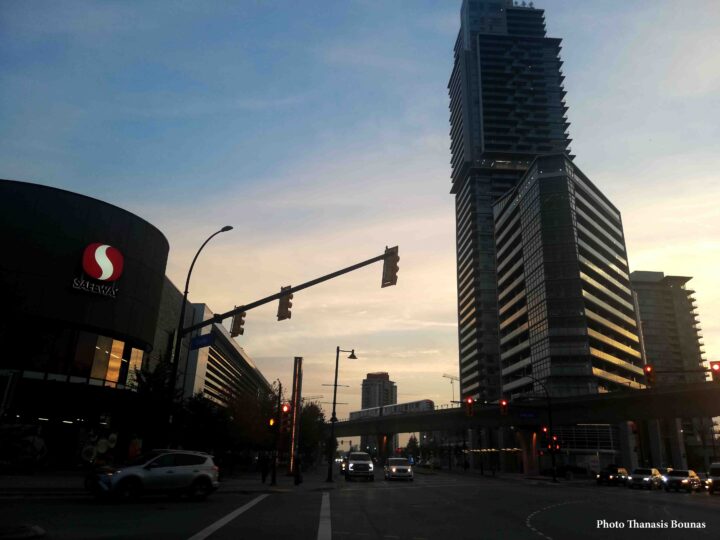
Today, glass towers reflect the sky.
These buildings were designed to hold attention.
Standing Between Eras
Around this structure, the city continues to change.
Glass towers rise nearby. Streets evolve. Spaces shift.
Yet buildings like this remain — not as relics, but as anchors.
They remind you that Vancouver was not always vertical and transparent.
It was once textured, detailed, and grounded.
What Remains
Time does not erase everything.
Some buildings stay — not because they resist change, but because they adapt quietly within it.
And when the light hits them just right,
they reveal something simple:
The city has a memory.
You just have to notice it.