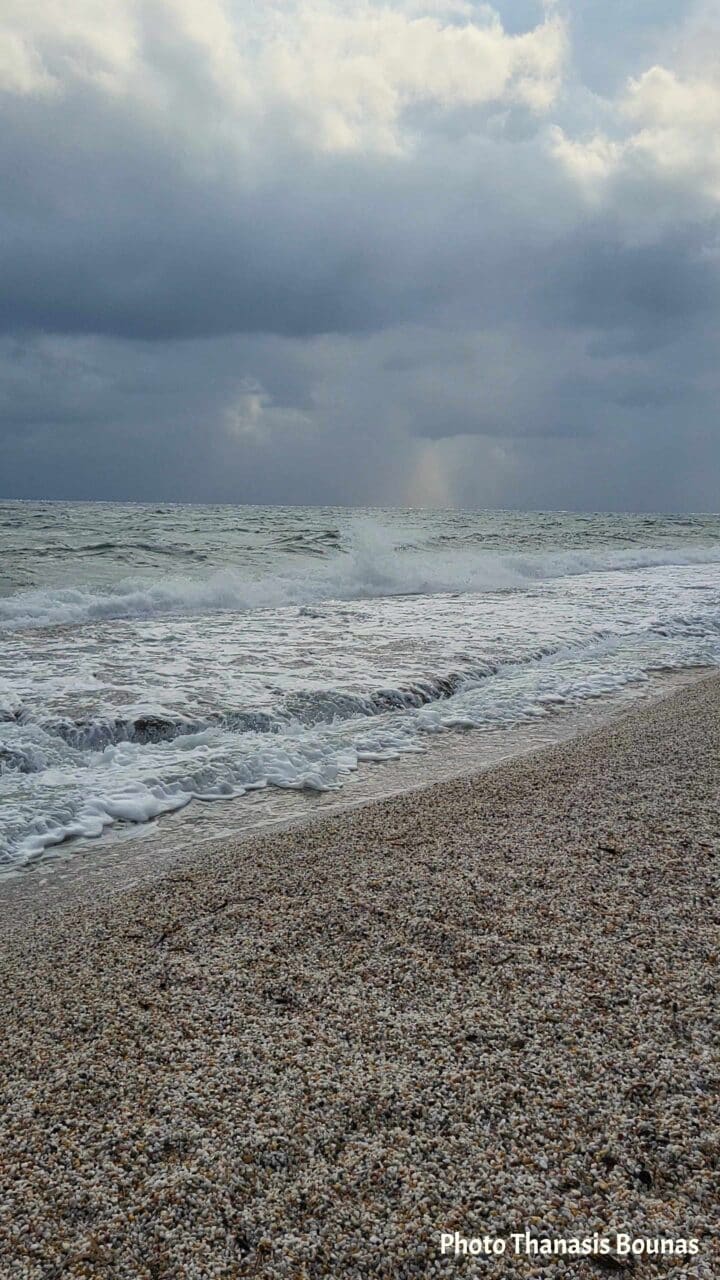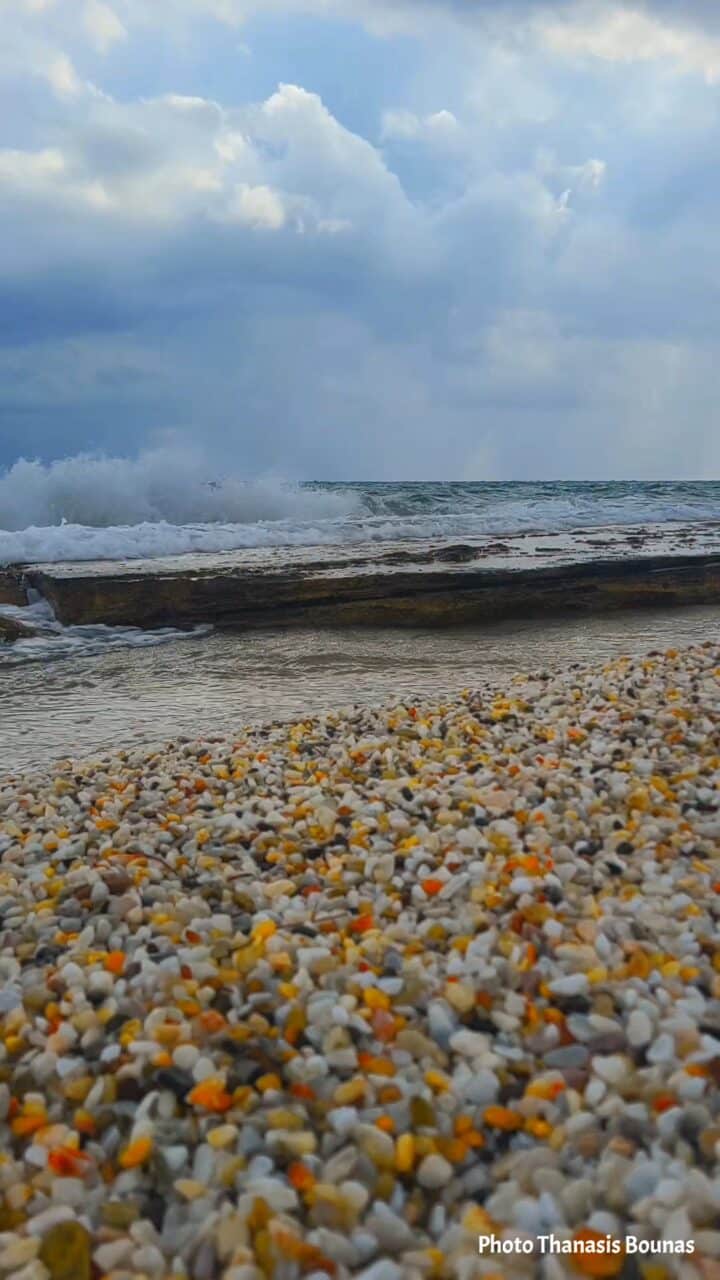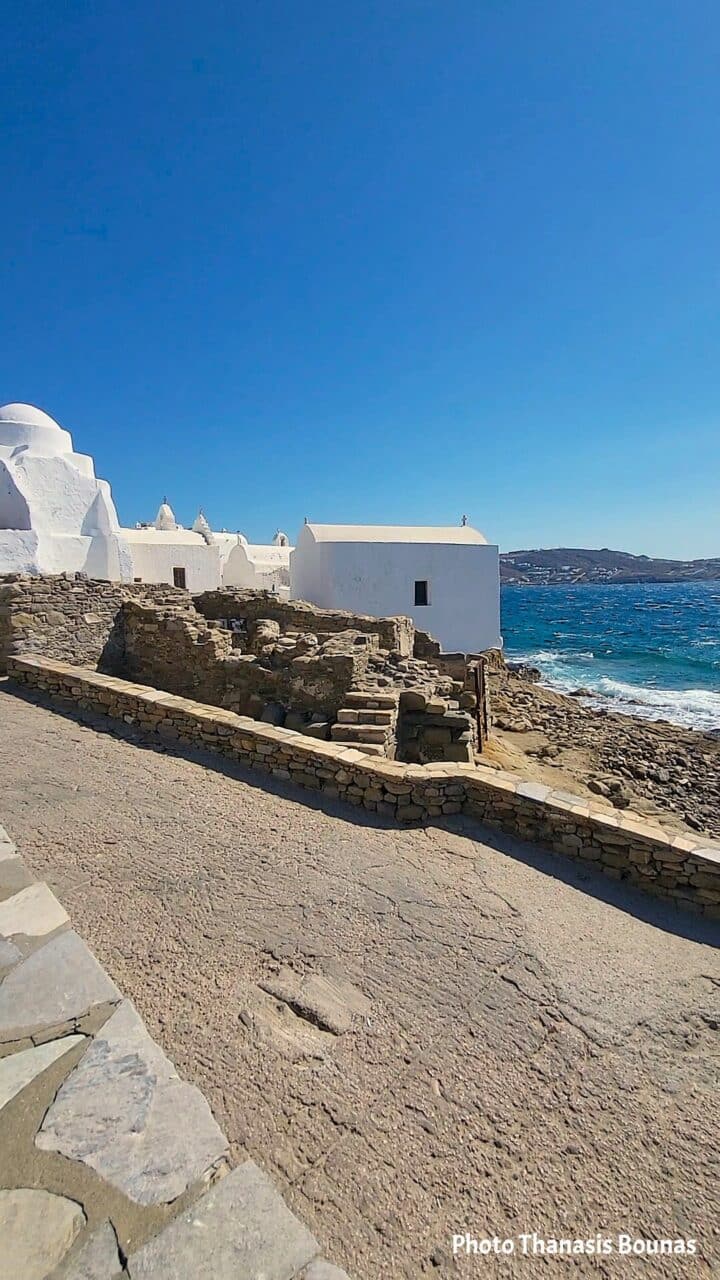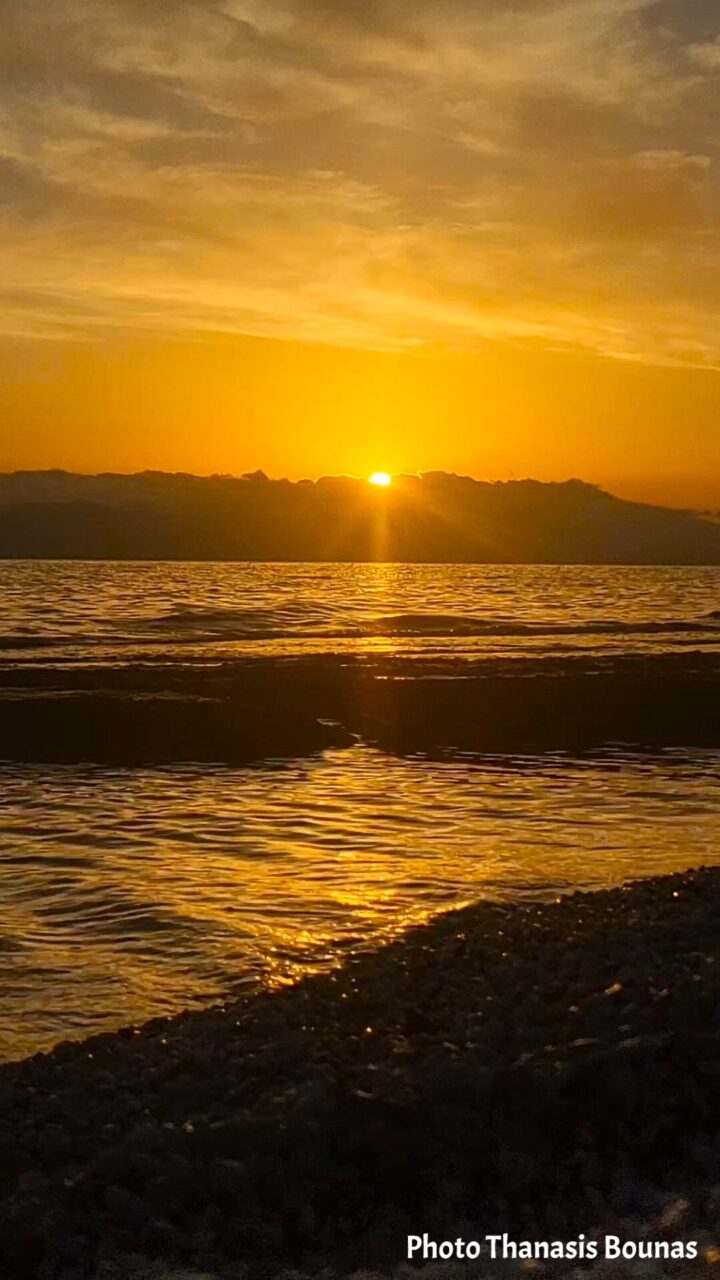
Leaving a Greek island can be just as memorable as arriving.
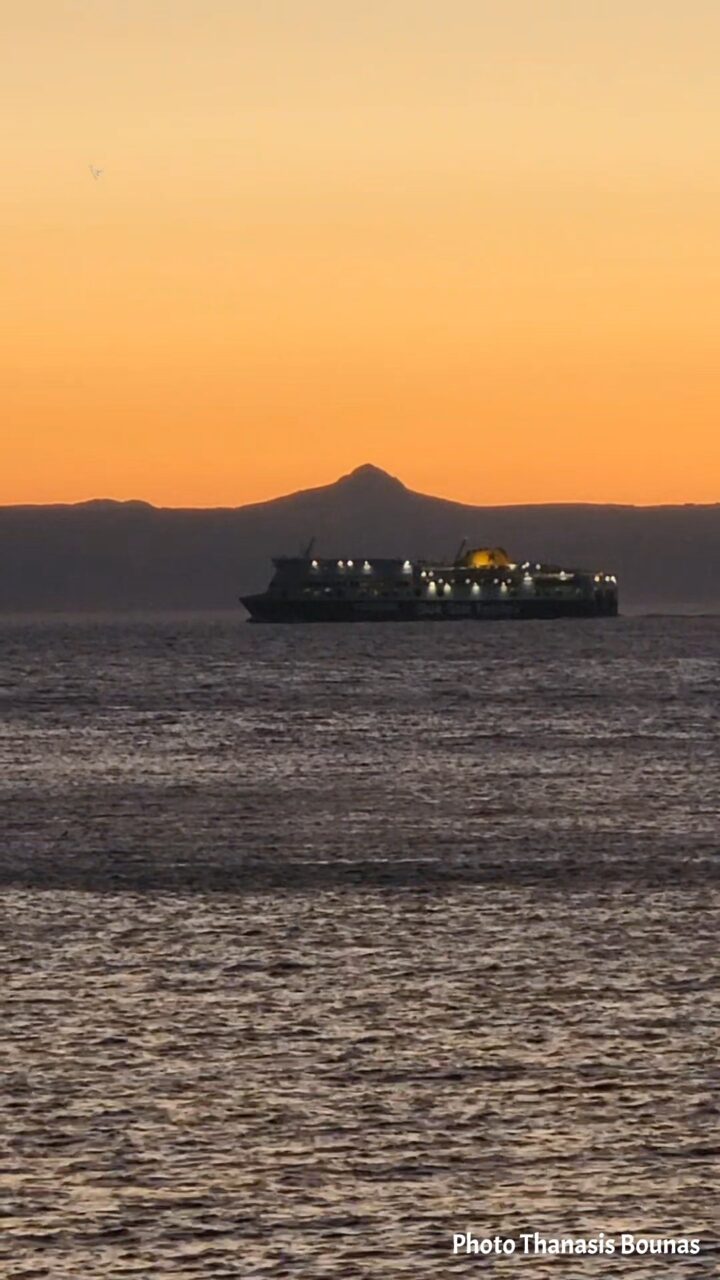
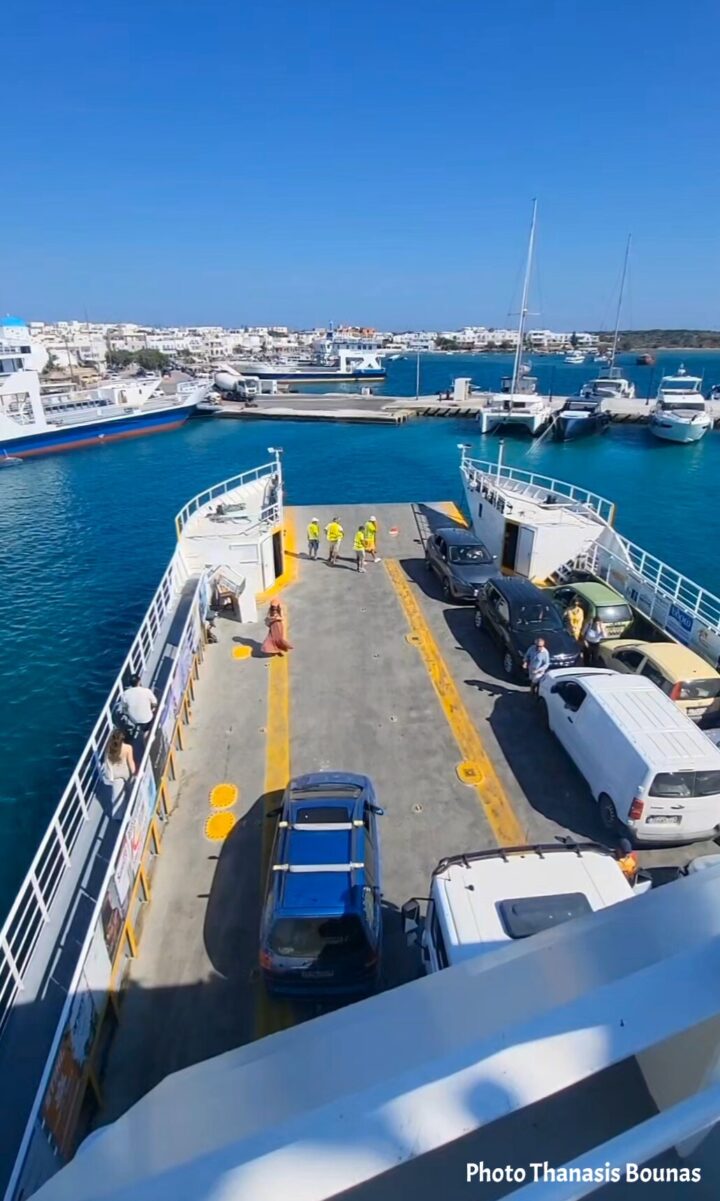
As the ferry slowly pulls away from Paros, Greece, the harbor begins to shrink behind us. The waterfront becomes smaller, the hills rise beyond the white houses, and the familiar coastline gradually becomes part of the horizon.
For a few minutes, you can still recognize the places you have just left.
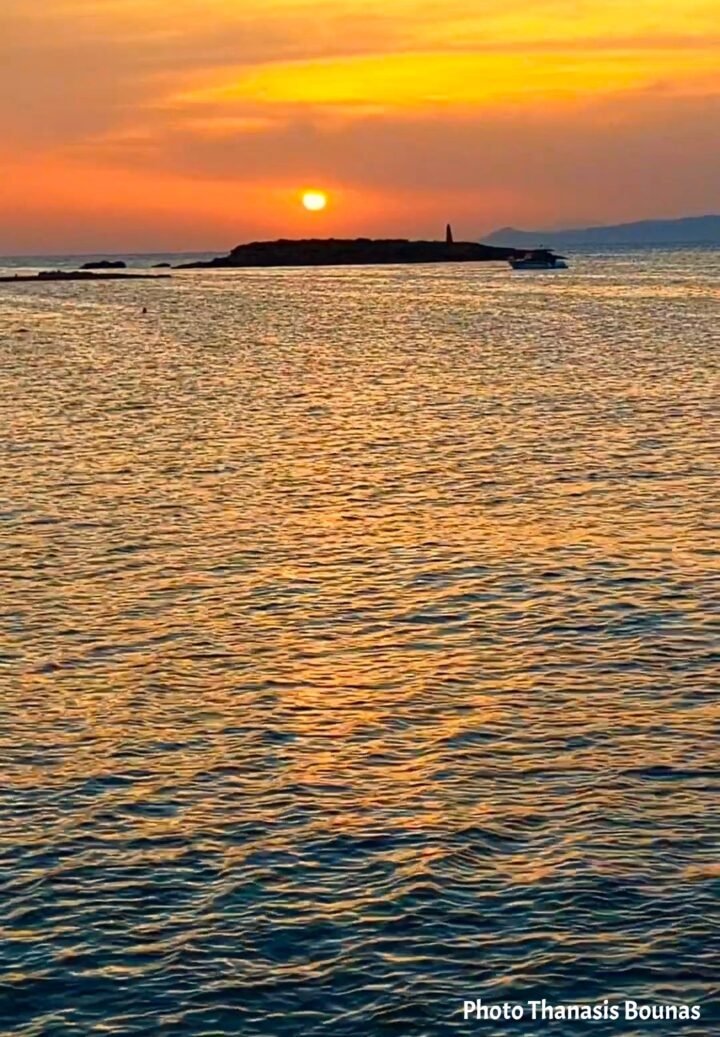
Then the Aegean begins to take over.
This is one of the quiet rituals of travelling through the Cyclades — watching one island disappear while knowing that another lies somewhere ahead.
⛴️ Leaving Paros behind. 🇬🇷
One Last View of Paros
From the deck of a departing ferry, Paros looks different.
The streets and buildings that felt close only minutes earlier become part of a much larger landscape.
The harbor recedes.
The wake spreads behind the ship.
And slowly the island begins to reveal its shape from the sea.
It is a perspective that travelers on the Greek islands have experienced for generations: that final look back before the coastline becomes distant.
There is something beautifully simple about it.
You leave one place, but for a while it continues travelling with you on the horizon.
Paros at the Heart of the Cyclades
Paros occupies an important position near the center of the Cyclades, surrounded by some of the best-known islands of the Aegean.
Naxos lies just to the east. Mykonos is farther north, while Santorini lies to the south.
That geography makes Paros a natural part of journeys across the Greek islands.
Ferries arrive and depart throughout the season, carrying travelers between islands and connecting these relatively small pieces of land with the wider world.
But the same geography also makes Paros particularly beautiful to experience by sailing boat.
From the water, the journey is not simply transportation between two points.
The channels between Paros, Antiparos and neighboring islands become part of the experience themselves.
An Island Shaped by the Sea
Paros has been connected with maritime life since antiquity.
Its position in the central Aegean helped connect it with other islands and trading routes, while its famous Parian marble became highly valued throughout the ancient Greek world.
During the Archaic and Classical periods, Paros developed into an important Cycladic center.
Centuries have passed, ships have changed completely, yet the relationship between Paros and the sea remains unmistakable.
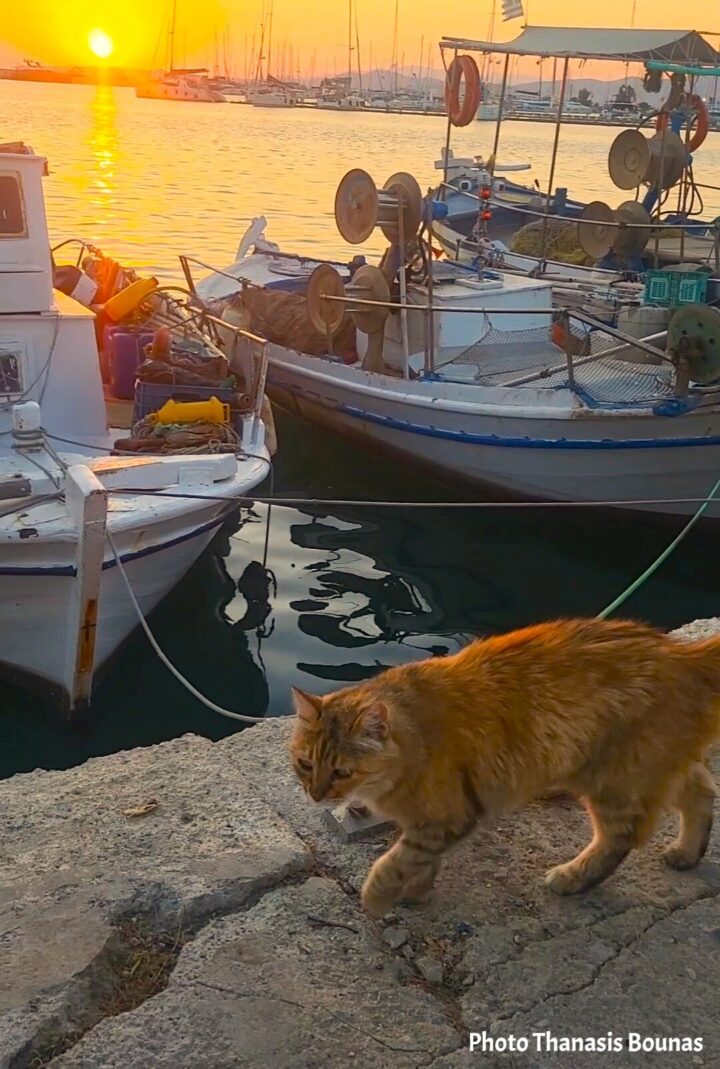
Stand at the harbor today and vessels are still constantly arriving and departing.
The Aegean continues to connect the island to everything around it.
The Journey Continues Across the Aegean
Perhaps this is one of the reasons travelling through the Cyclades by sea feels different.
There is rarely a sharp ending.
Leaving Paros does not necessarily feel like the journey is over.
The island slowly disappears behind the wake while open water appears ahead. Somewhere beyond that horizon may be Naxos, Mykonos, Syros, Santorini or another small harbor waiting for the next arrival.
For sailors, that feeling becomes even stronger.
There is no fixed road between the islands — only water, wind, weather and the next coastline appearing in the distance.
And sometimes the most memorable view of an island is the last one.
The moment you turn around and see Paros fading into the blue of the Aegean.
🎥 Video & Editing by Thanasis Bounas
🌍 Discover more travel & sailing stories at Bounas.com