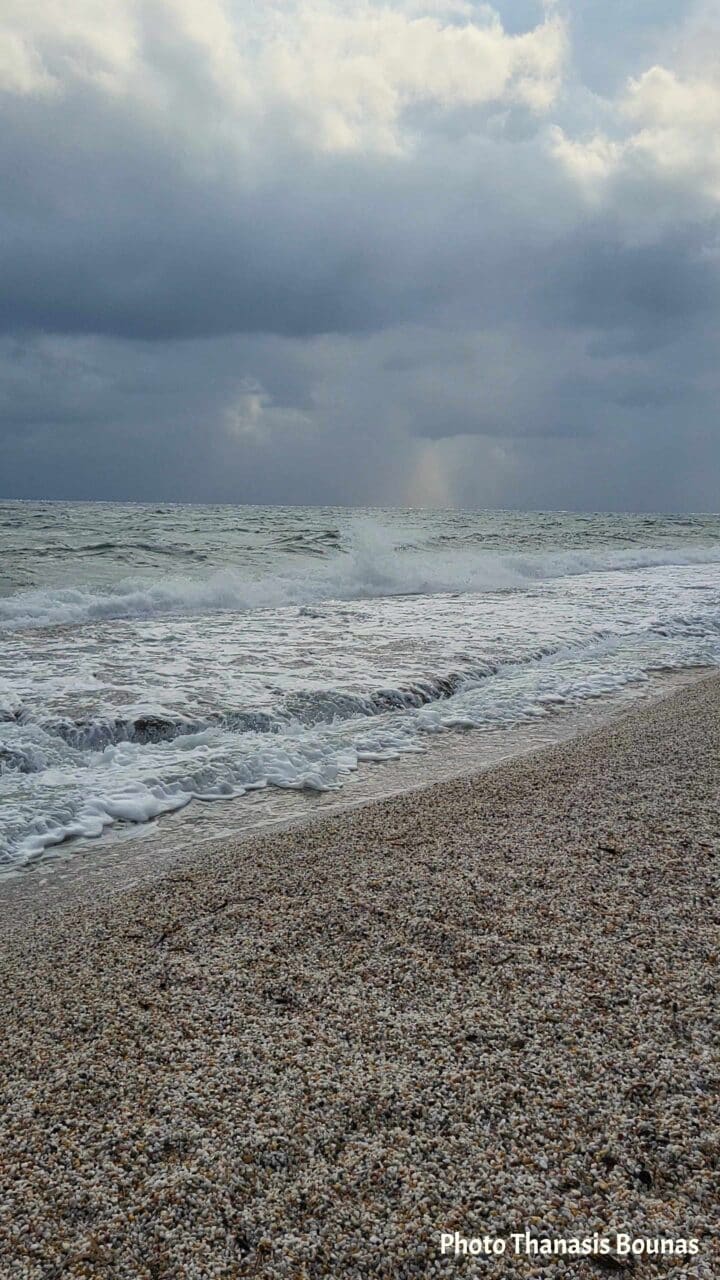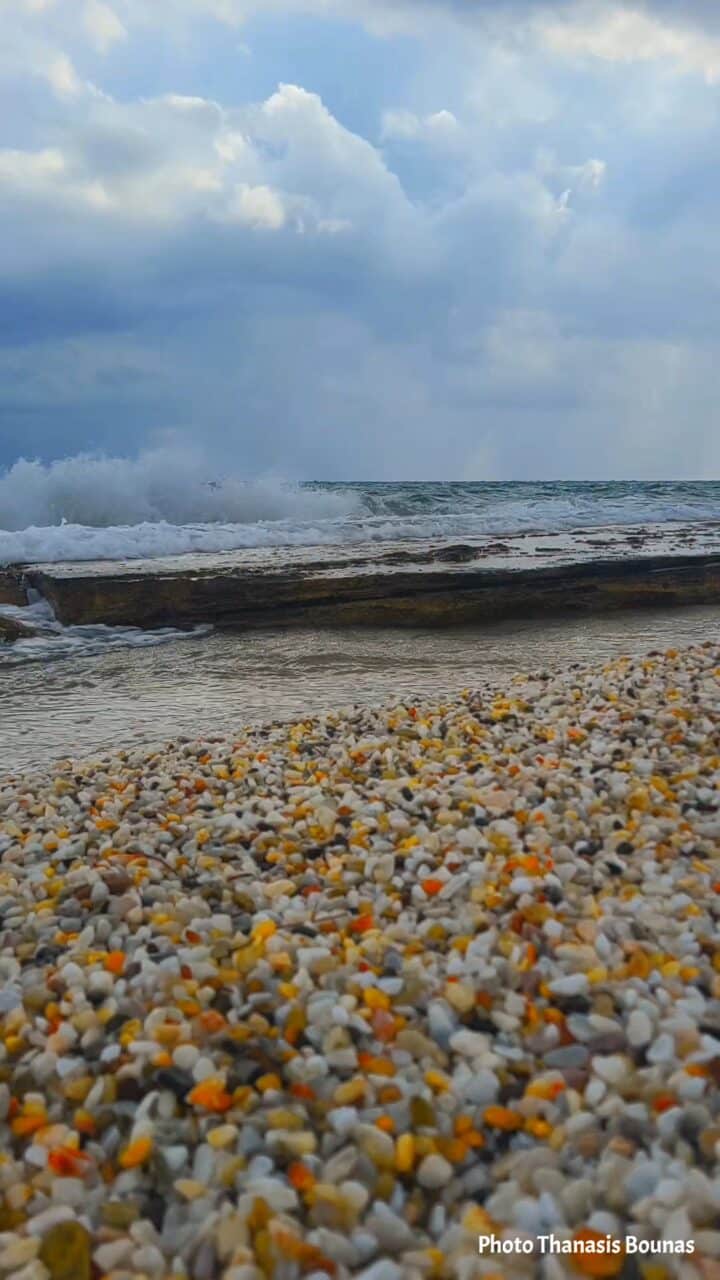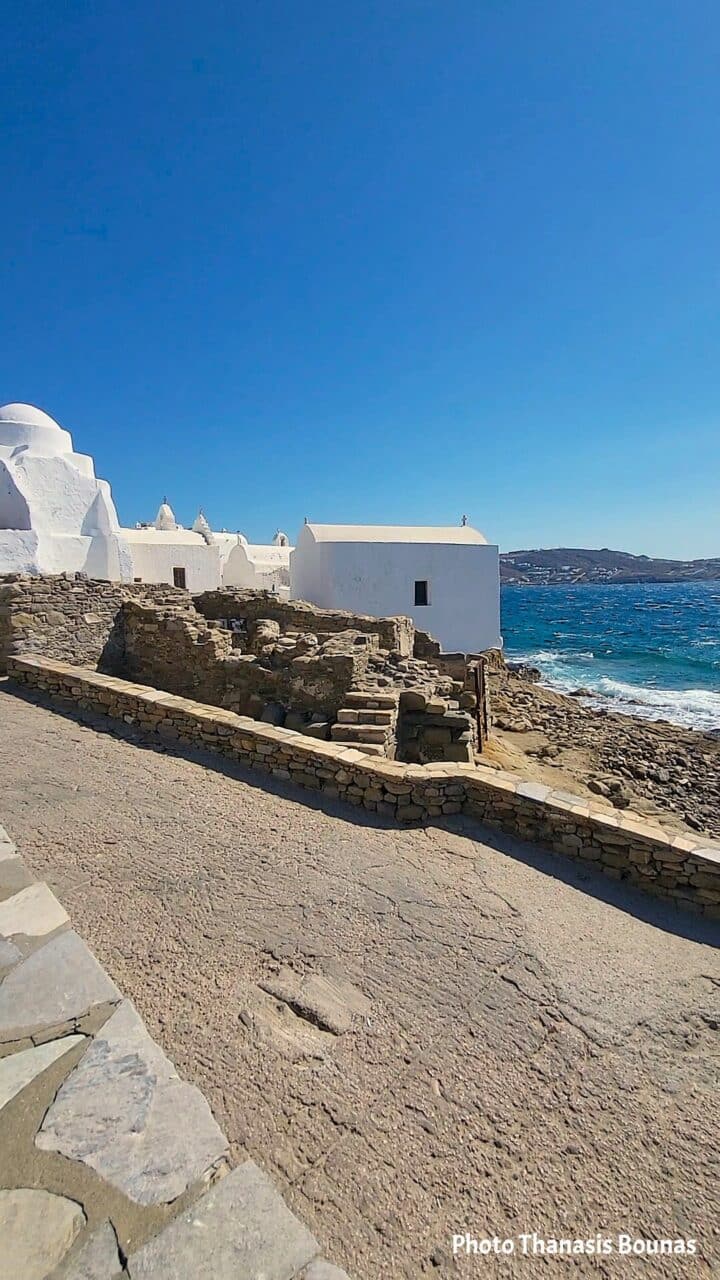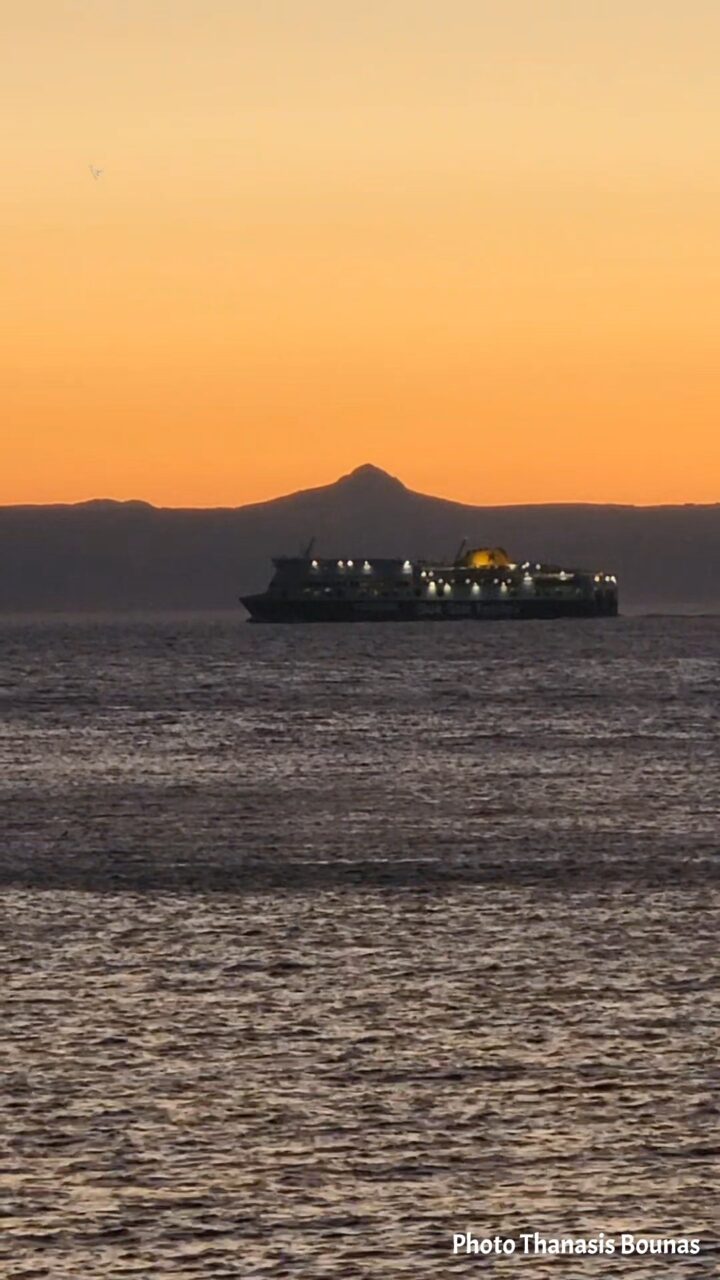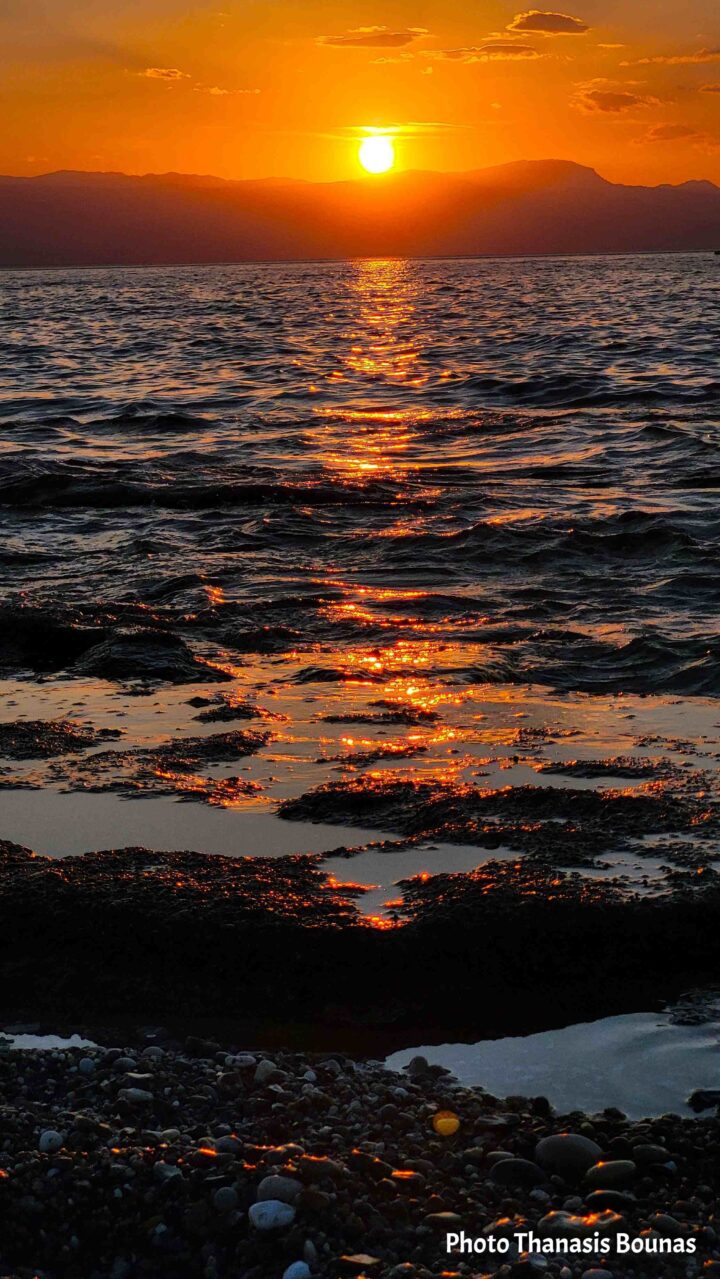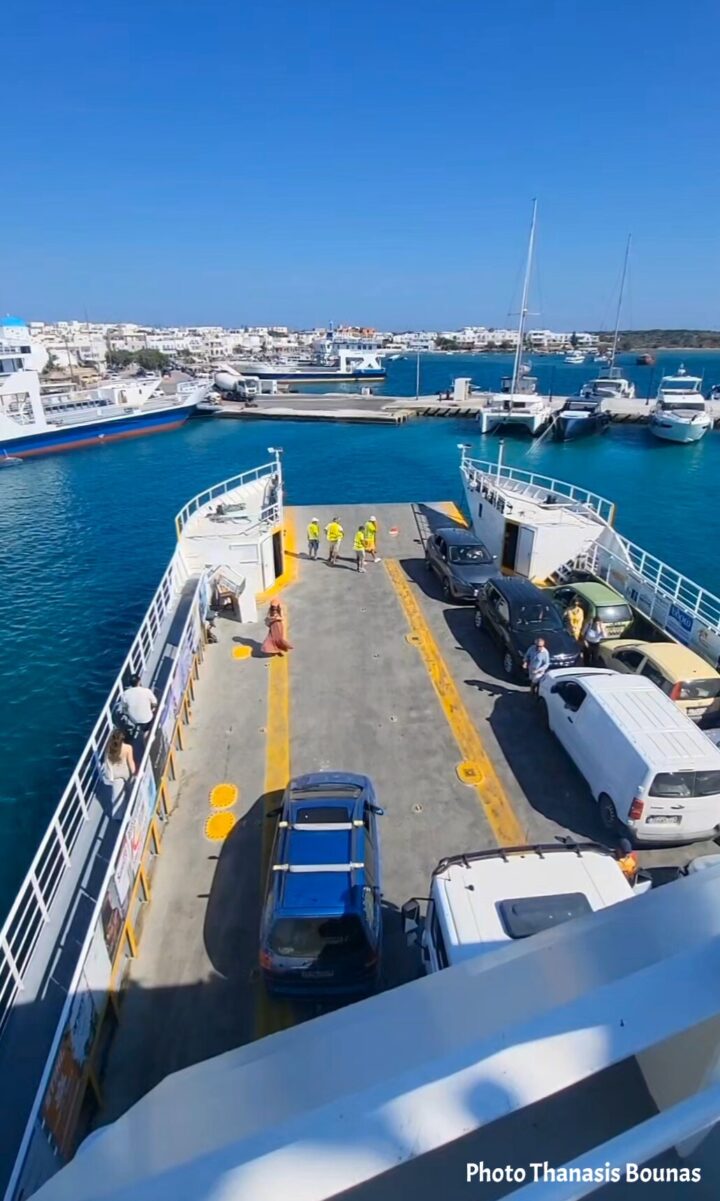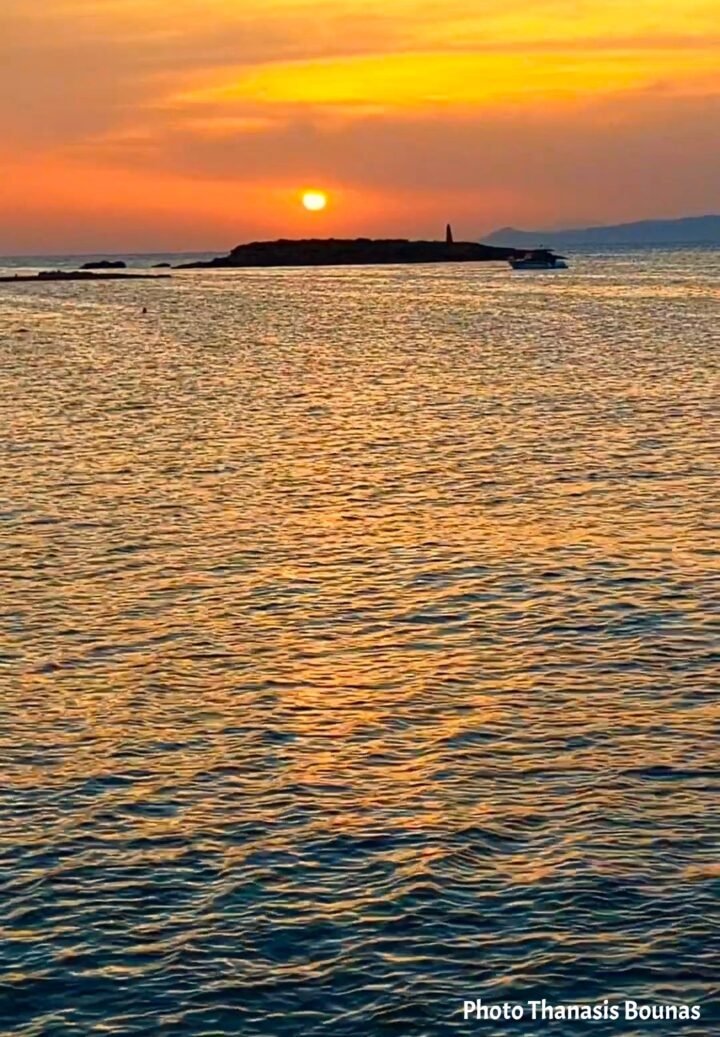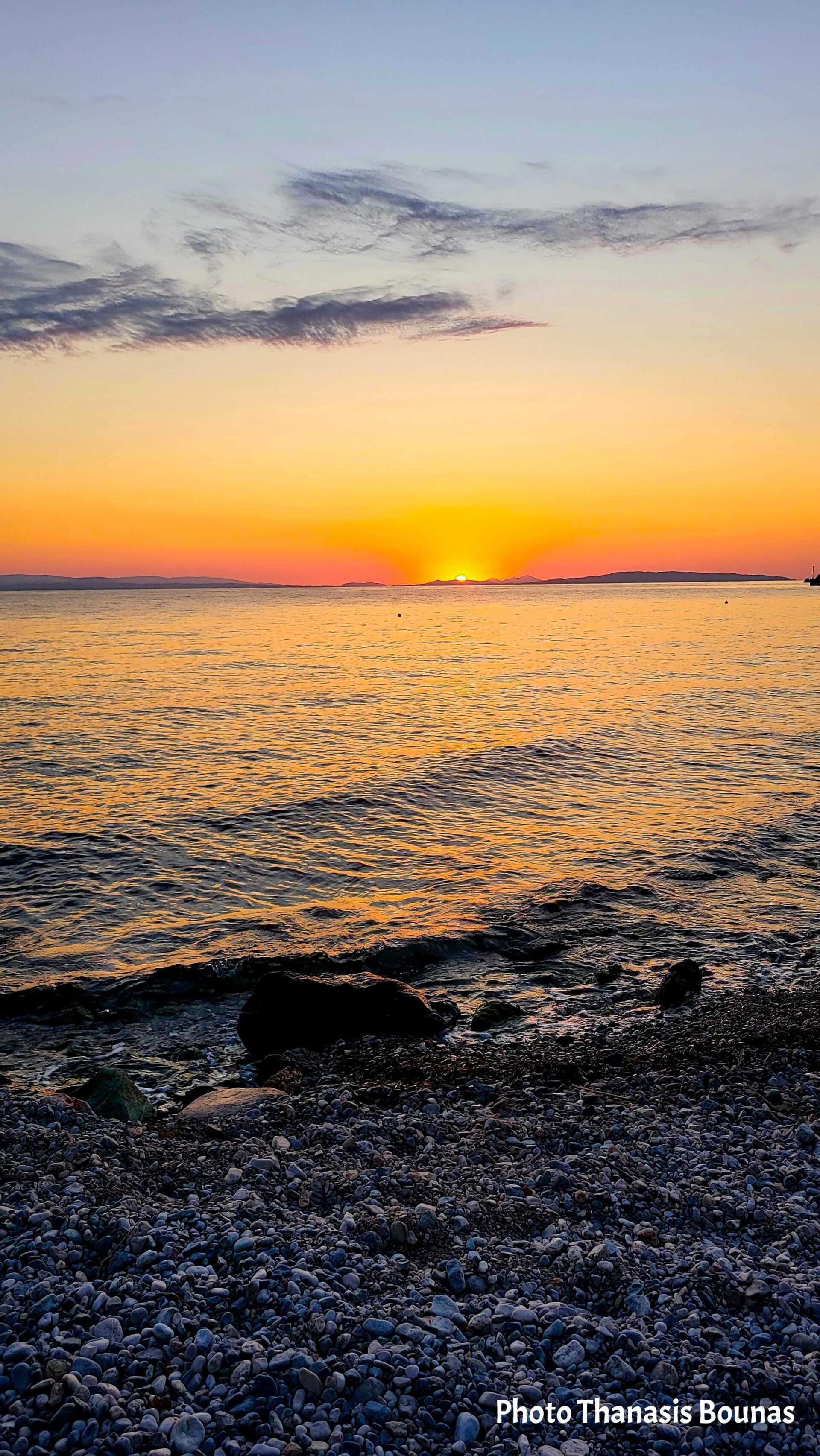
The journey to Kos begins long before the island appears on the horizon.
Across the open waters of the Aegean Sea, the wake of the vessel slowly disappears into the blue. Somewhere ahead lies one of the most historically fascinating islands of Greece — a place connected with ancient medicine, maritime routes and the world of Hippocrates.
Kos belongs to the Dodecanese, close to the coast of Asia Minor. Its geographical position placed it for centuries within the movements of people, ships, ideas and cultures across the eastern Aegean.
Today, traveling toward Kos is a journey to a Greek island of beaches and Mediterranean landscapes.
But behind that beauty lies a history stretching back thousands of years.
Traveling Across the Aegean to Kos.
An Island Between Greece and Asia Minor
Geography has always mattered to Kos.
The island lies in the southeastern Aegean, only a short distance from the coast of present-day Turkey. In antiquity, these waters connected the Greek islands with the cities of Asia Minor and the wider eastern Mediterranean.
Ships carrying merchants, travelers and goods moved through this maritime world long before modern navigation existed.
Kos became part of these networks, developing connections with other important centres of the ancient Greek world.
Approaching the island from the sea today helps reveal why its position mattered.
The Aegean was not an obstacle separating communities.
It was the route that connected them.
Kos and Hippocrates
The name most closely associated with ancient Kos is Hippocrates.
Born on Kos around 460 BC, Hippocrates became one of the most influential figures in the history of medicine. The medical tradition associated with his name emphasized careful observation of patients and the attempt to understand illness through natural causes rather than relying exclusively on supernatural explanations.
His influence extended far beyond his own lifetime.
A collection of ancient Greek medical writings known today as the Hippocratic Corpus became associated with his medical tradition, although scholars generally agree that the works were written by several different authors over a considerable period.
This distinction is important.
The historical Hippocrates was enormously influential, but not every text carrying his name was necessarily written personally by him.
More than two thousand years later, his name remains inseparable from Kos.
The Asklepieion Above the Sea
One of the most important archaeological sites on Kos is the Asklepieion, situated on elevated ground outside the modern town.
Dedicated to Asclepius, the ancient Greek god of healing, the sanctuary developed into an important centre associated with healing and medicine.
Its location is remarkable.
Built on terraces overlooking the surrounding landscape, the sanctuary connected architecture, religion, healing and the natural environment.
From its higher levels, the view stretches toward the sea and the coast of Asia Minor beyond.
For a modern visitor, that view creates a powerful connection between geography and history.
The same Aegean that brought travelers to Kos also connected the island with the wider ancient Mediterranean.
Arriving in Kos Across the Aegean
The journey is very different today.
Modern vessels cross the Aegean with satellite navigation, engines, detailed charts and accurate weather information. Ancient sailors depended on experience, coastlines, winds, stars and their knowledge of the islands.
Yet the fundamental geography remains unchanged.
The sea still separates Kos from the other Greek islands.
Asia Minor still lies beyond the water.
And the island still occupies the same strategic corner of the Aegean that shaped much of its history.
Watching the wake disappear behind the vessel while traveling toward Kos creates a simple but meaningful connection with that past.
For thousands of years, people have reached this island from the sea.
Some came to trade.
Some came to settle.
Others came seeking healing.
Today we may arrive simply to explore Greece.
But the final miles across the Aegean lead toward an island whose influence travelled much farther than its shores.
Frequently Asked Questions About Kos
Where is Kos located in Greece?
Kos is a Greek island in the Dodecanese, located in the southeastern Aegean Sea. Its position among the Dodecanese islands makes it an excellent starting point for exploring this beautiful part of Greece.
Is Kos a good destination for sailing?
Yes. Kos is an important sailing destination in the Dodecanese, with a modern marina, numerous anchorages and easy access to nearby islands. From Kos, sailors can explore islands such as Kalymnos, Pserimos, Leros, Nisyros, Patmos and Rhodes, making it an excellent base for discovering the southeastern Aegean by sea.
What is Kos famous for?
Kos is famous for its long beaches, ancient history and its connection with Hippocrates, who was born on the island around 460 BC. Among its most important historical landmarks is the Asklepieion of Kos, one of the best-known archaeological sites on the island.
Why is Kos worth visiting?
Kos combines the blue waters of the Aegean with beaches, archaeological sites, traditional villages and a long maritime connection with the surrounding islands. Travelling around Kos by land reveals its history and landscapes, while approaching the island by sailboat offers an entirely different perspective of its coastline and the wider Dodecanese.