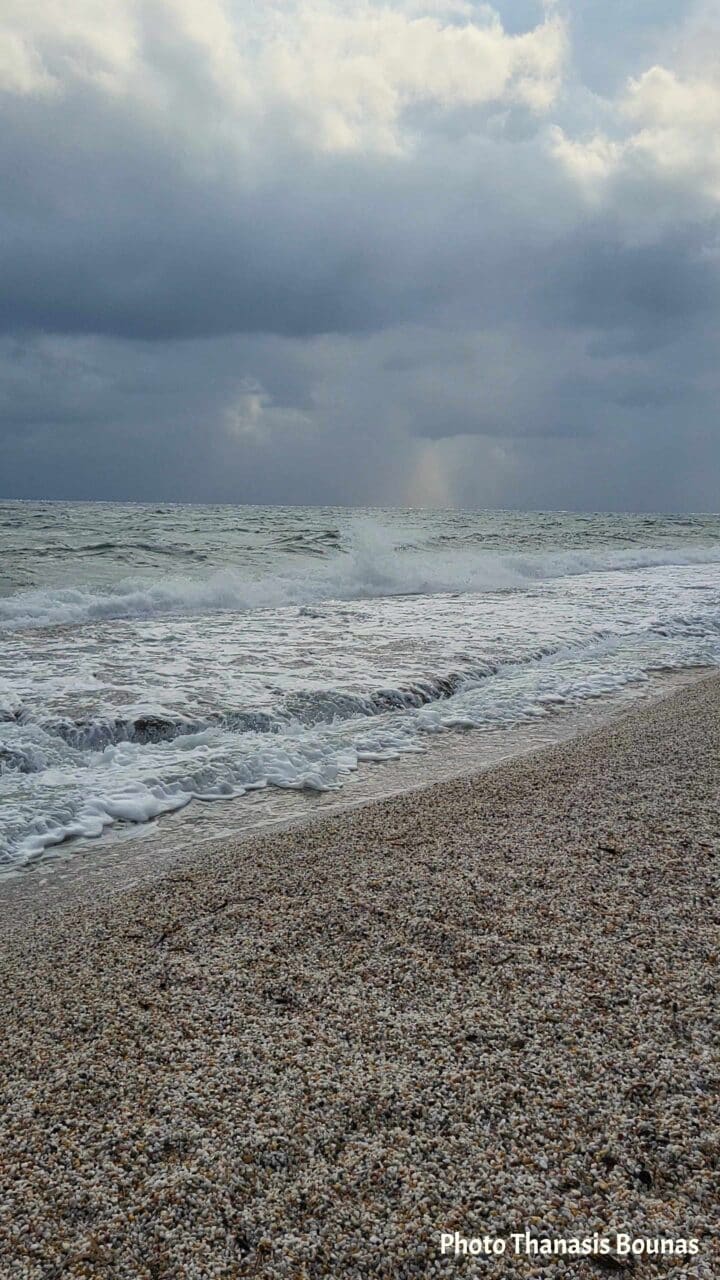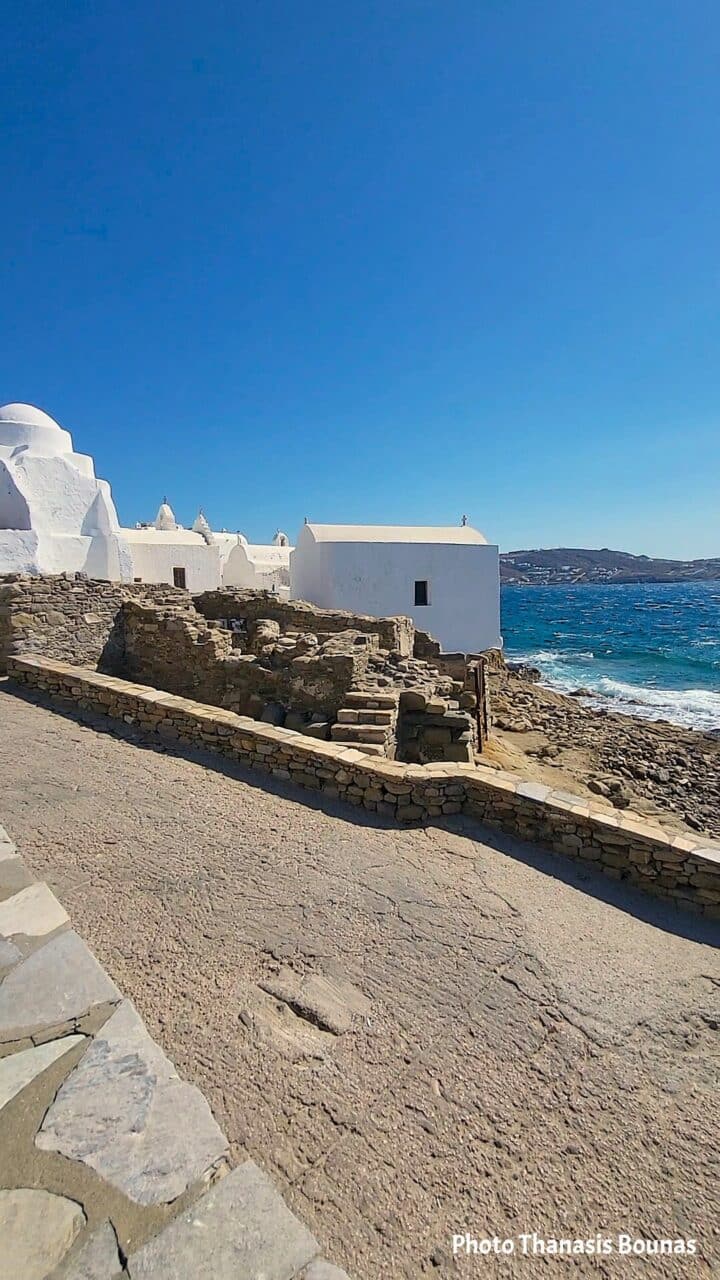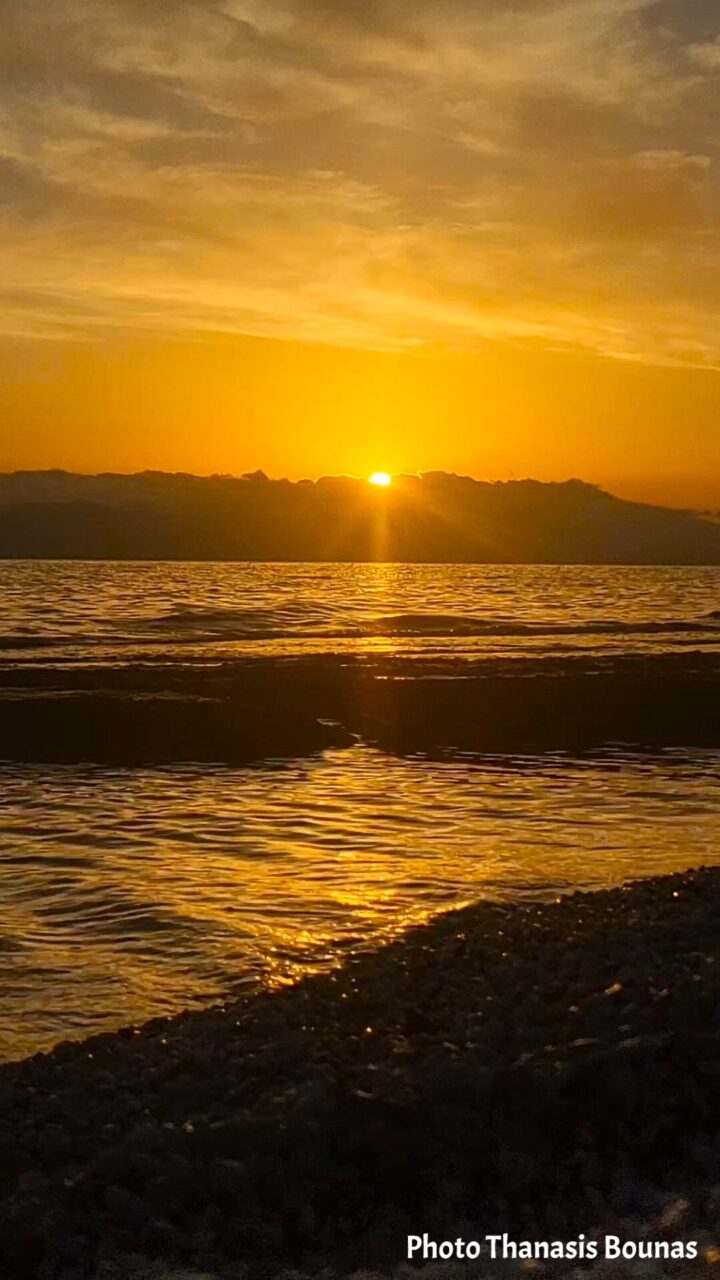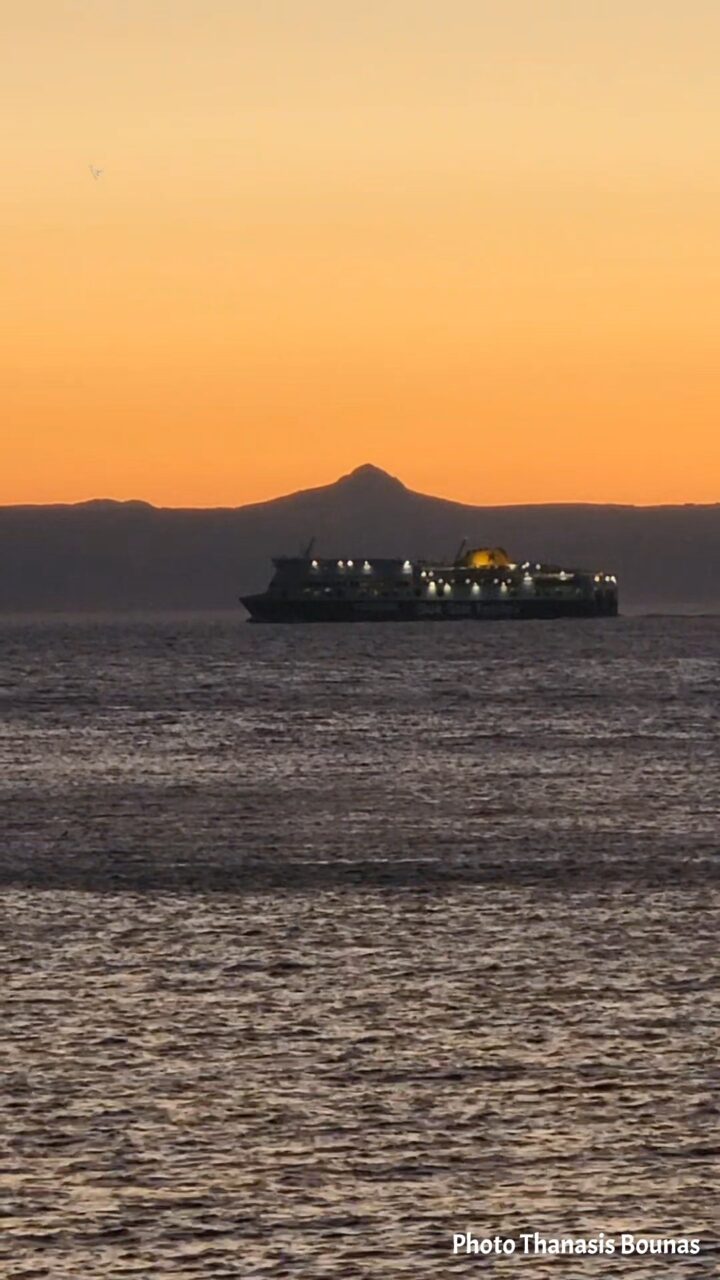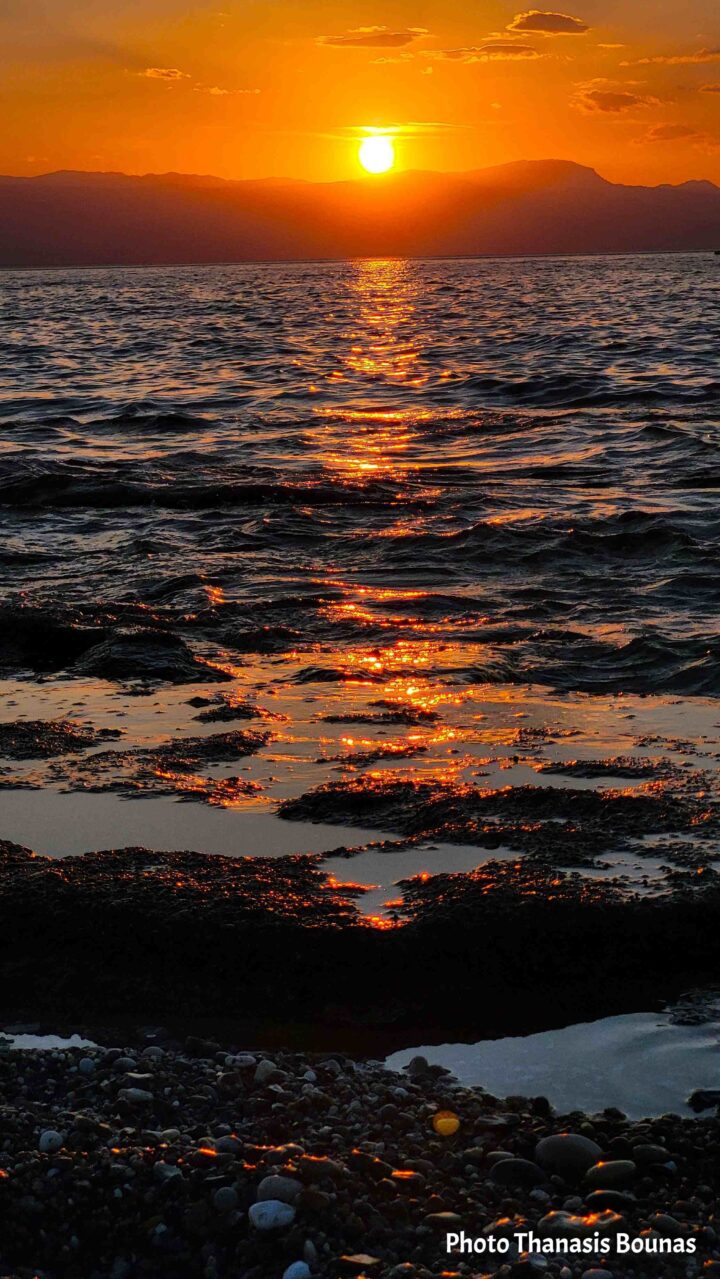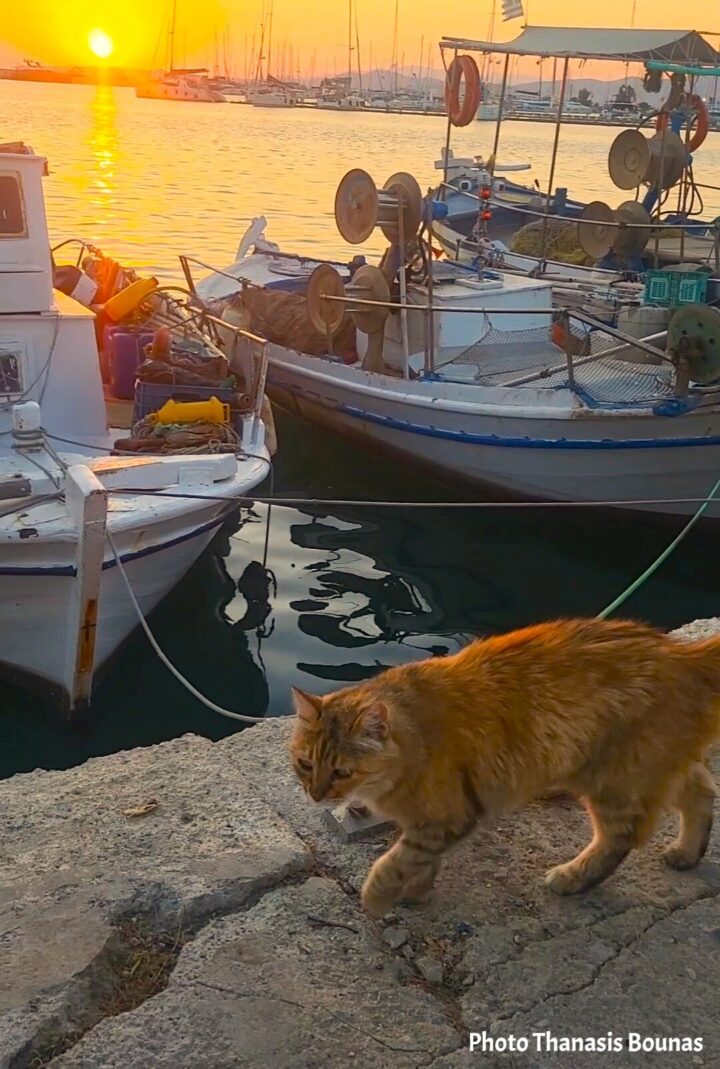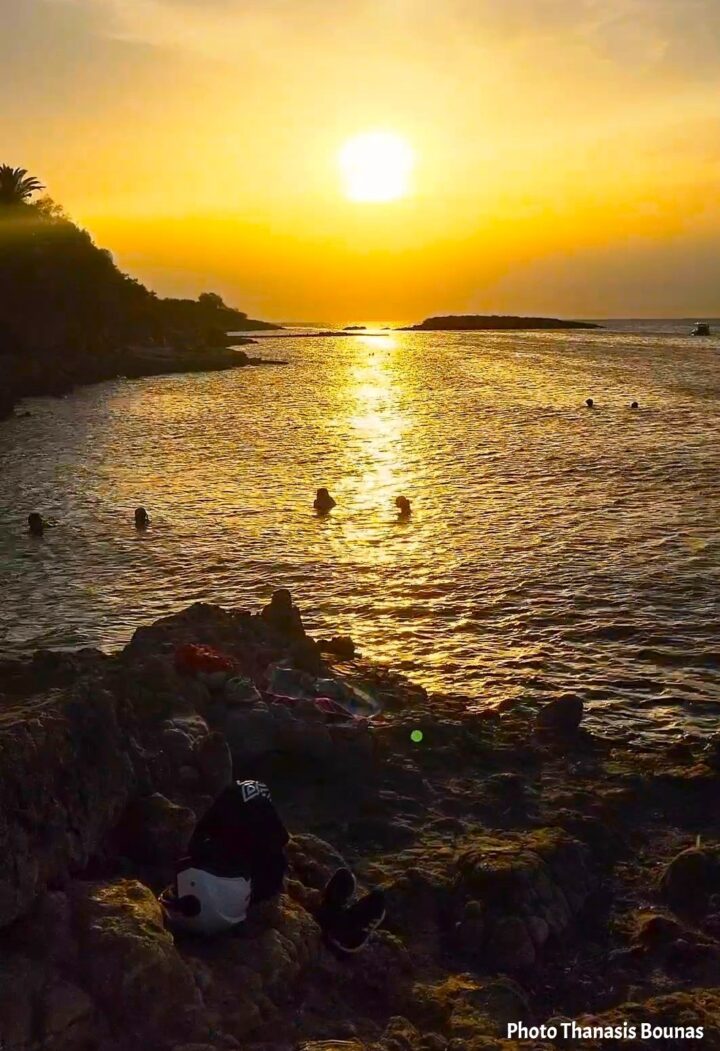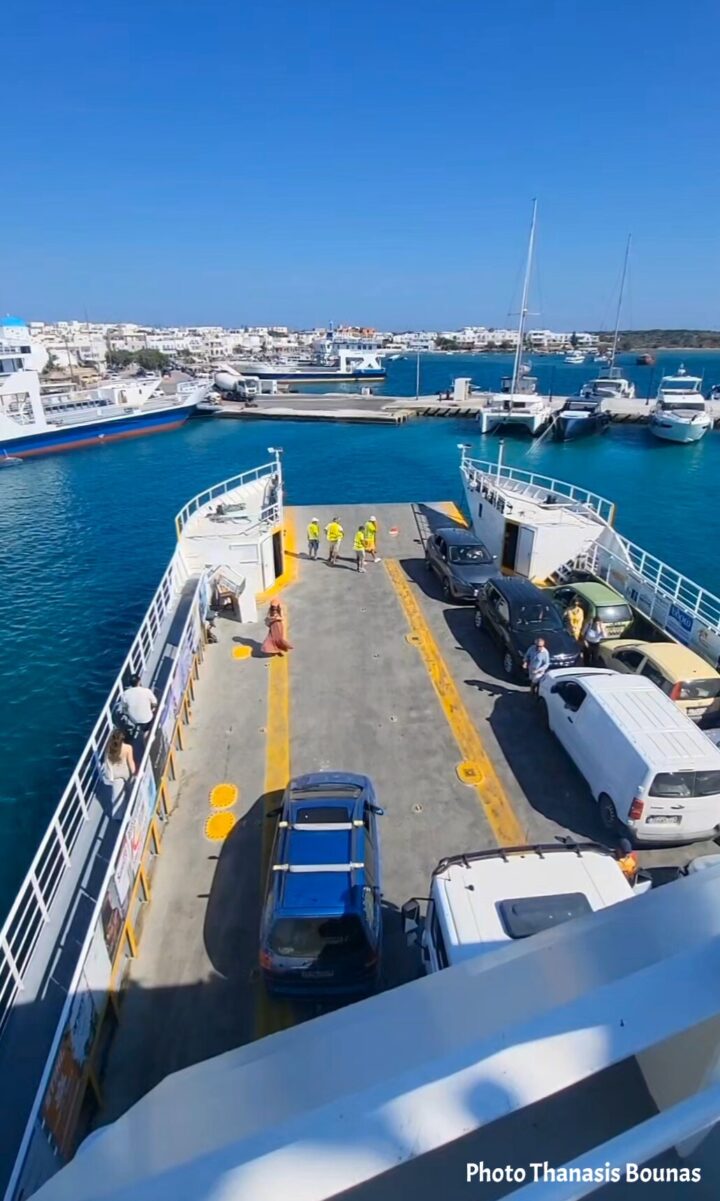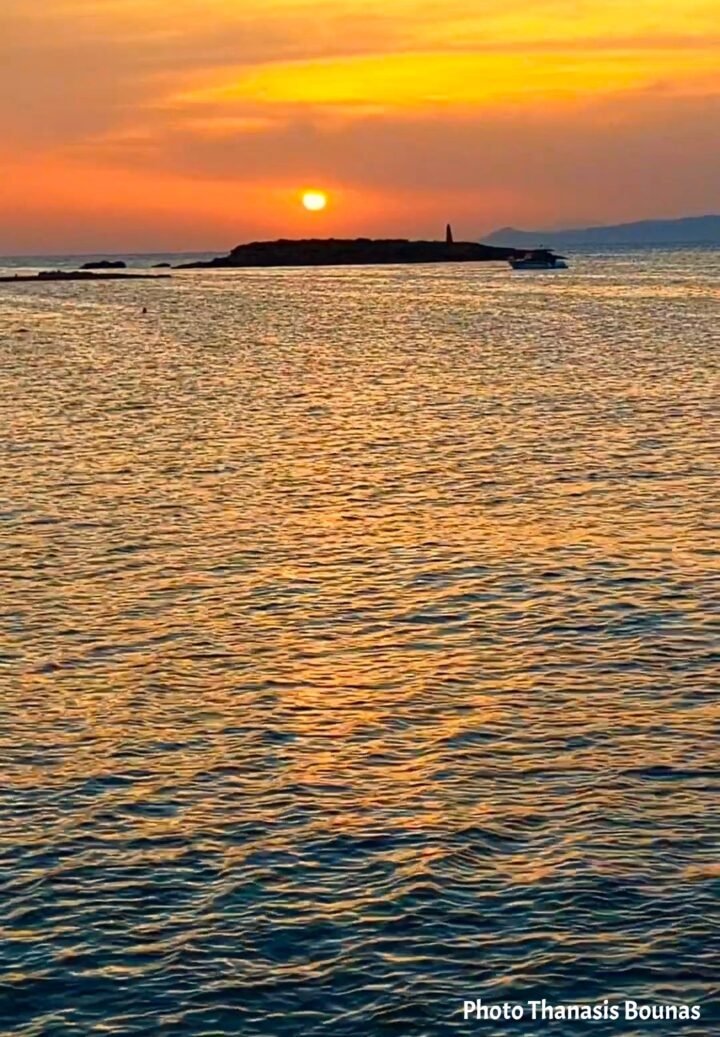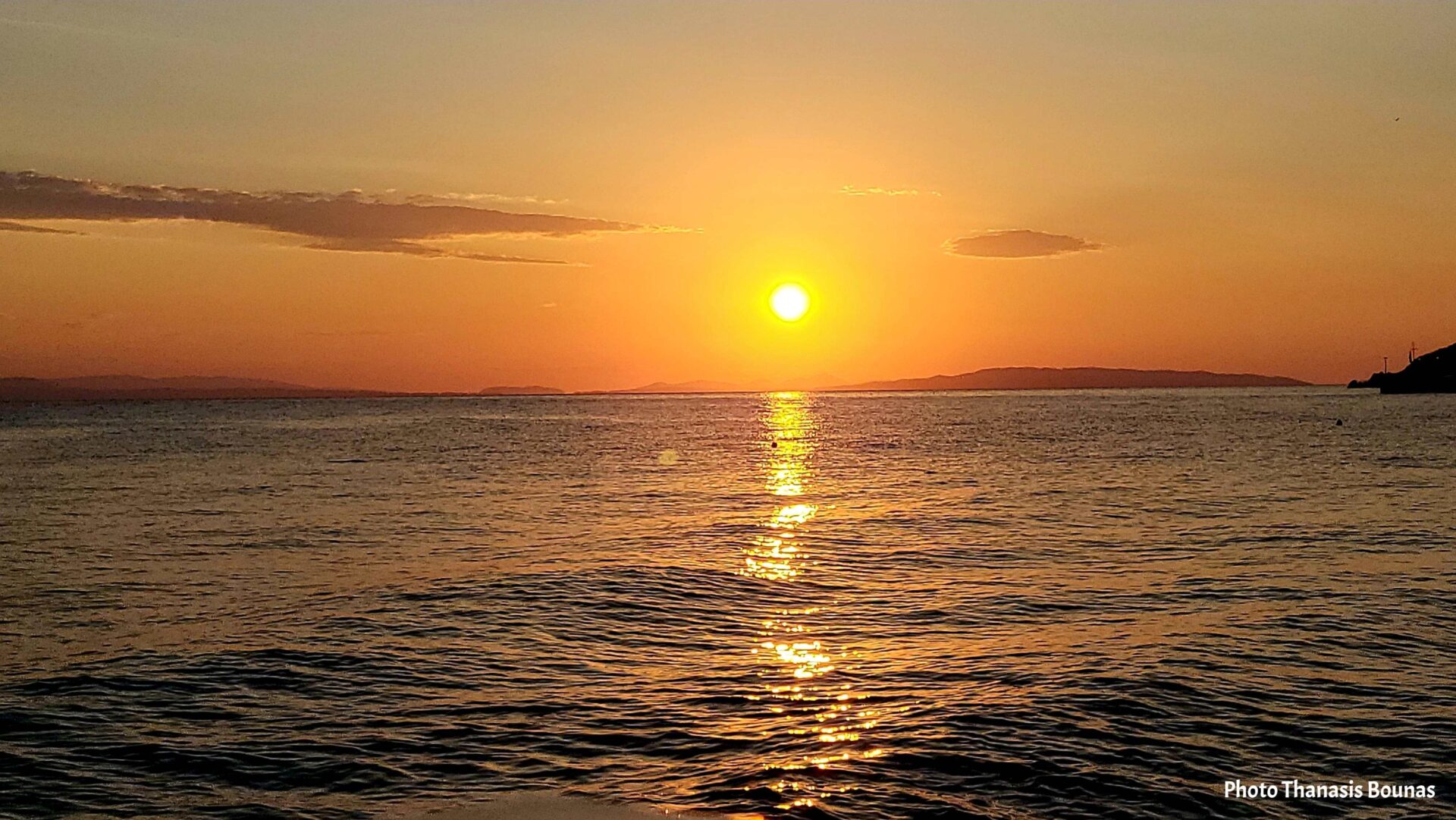
Traveling across the Aegean toward Milos, there is little from the open sea to reveal just how unusual the island ahead really is.
Blue water stretches toward the horizon, while somewhere beyond it lies an island whose landscape was shaped by volcanoes, minerals and thousands of years of geological change.
Milos belongs to the Cyclades, yet its coastline feels different from many of the surrounding Greek islands.
White cliffs, caves, strangely colored rocks and beaches formed from volcanic materials create a landscape where the geological history of Greece remains visible almost everywhere.
The journey across the Aegean is therefore more than an approach to another island.
It is an approach to one of the most distinctive landscapes in Greece.
Traveling to Milos, Greece.
An Island Born from Volcanic Activity
The appearance of Milos is closely connected with the volcanic activity of the South Aegean volcanic arc.
Over immense periods of geological time, volcanic processes helped form the island and created the extraordinary variety of rocks and minerals found here today.
This history explains much of what travelers now recognize as the characteristic scenery of Milos.
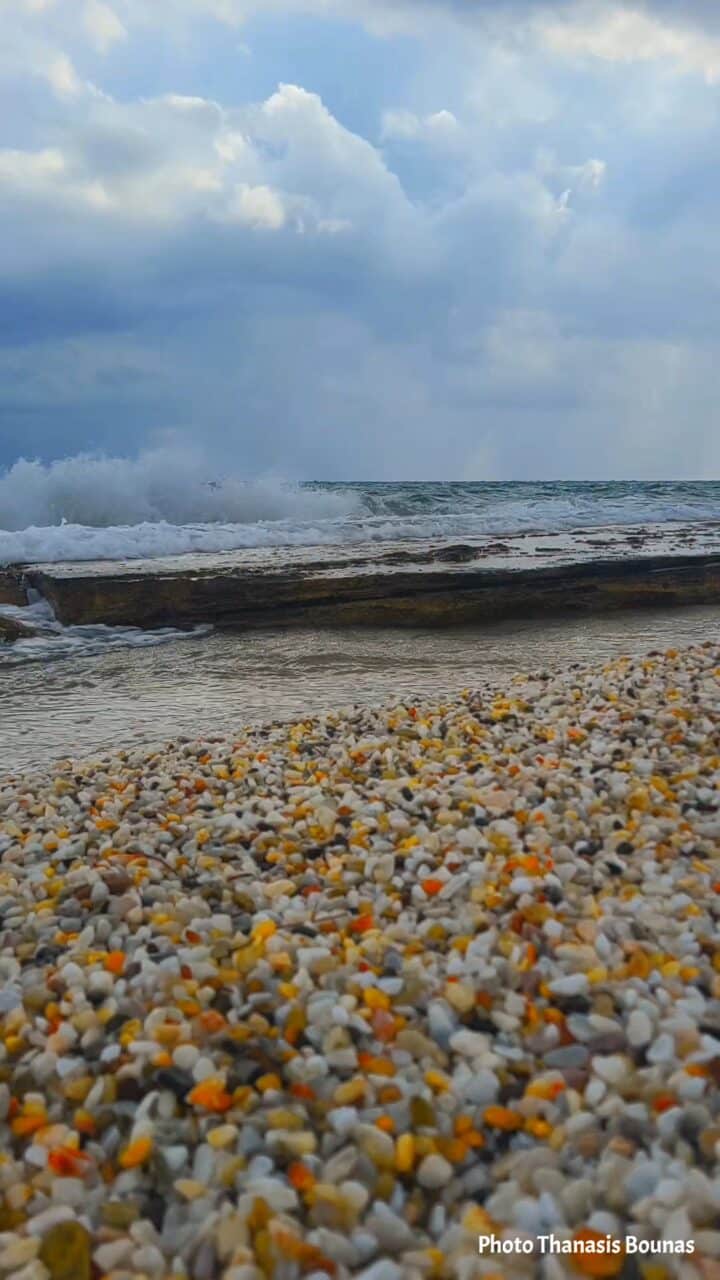
Along parts of the coastline, the rock changes dramatically within relatively short distances. Pale formations can give way to red, yellow or dark volcanic surfaces, while erosion by wind and sea has carved cliffs into unusual shapes.
One of the most famous examples is Sarakiniko.
Its smooth, almost completely white volcanic formations descend toward intensely blue water, producing a landscape that can appear almost unreal beneath the Mediterranean sun.
But Sarakiniko is not an isolated curiosity.
It is part of a much larger geological story written across the island.
Obsidian and the Ancient Aegean
The geology of Milos also influenced human history.
One particularly important material was obsidian, a natural volcanic glass capable of producing extremely sharp edges when fractured.
Obsidian from Milos was being transported across the Aegean thousands of years before the great temples and cities of Classical Greece appeared.
Archaeological evidence shows that Melian obsidian circulated through prehistoric Aegean communities from very early periods.
That tells us something remarkable about these waters.
Long before modern ships crossed between the Greek islands, prehistoric people were already navigating the Aegean and transporting valuable materials between distant shores.
Milos was therefore connected with maritime movement and exchange from deep prehistory.
A Coastline Best Understood from the Sea
The volcanic character of Milos becomes particularly dramatic along its coast.
Sea caves, narrow passages, isolated rock formations and cliffs reveal layers of geological history that are sometimes difficult to appreciate from inland.
This is one of those Greek islands where seeing the coastline from the water changes your understanding of the landscape.
From the sea, the relationship between rock and Aegean becomes obvious.
The water has spent thousands of years cutting into the volcanic formations, gradually producing the coastline visible today.
For anyone sailing around Milos, every change of direction can reveal a completely different geological scene.
Approaching Milos Across the Aegean
Today the crossing is comfortable and familiar.
A vessel leaves a long white wake behind it while Milos waits somewhere beyond the horizon.
Yet these waters have carried travelers for thousands of years.
Prehistoric sailors crossed them carrying obsidian. Ancient communities developed around the island’s natural resources. Generations of seafarers learned its coastline, winds and landmarks.
Modern travelers arrive for very different reasons.
They come for the beaches, the villages, the colors and the extraordinary landscape.
But beneath all of them lies the same geological foundation.
The volcanoes that shaped Milos long ago are no longer the first thing most visitors think about when approaching the island.
Their work, however, is everywhere.
In the cliffs.
In the minerals.
In the strange white landscapes.
And in one of the most remarkable coastlines of the Aegean Sea.