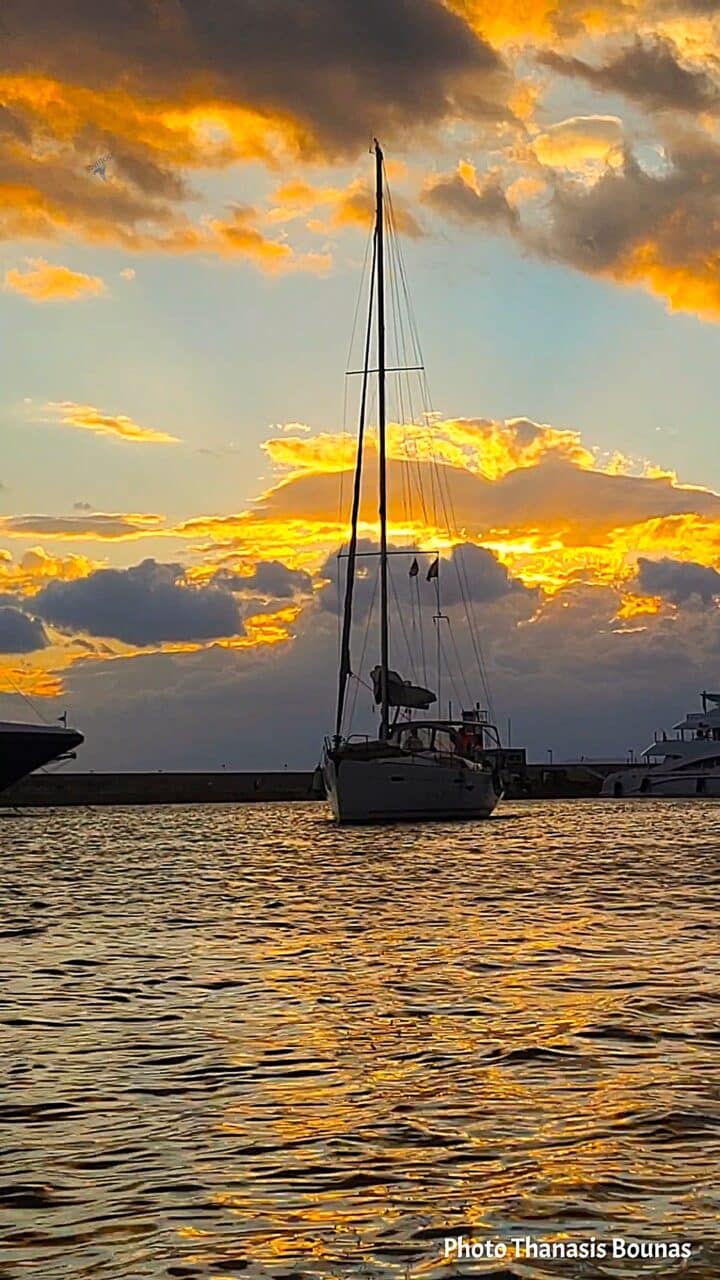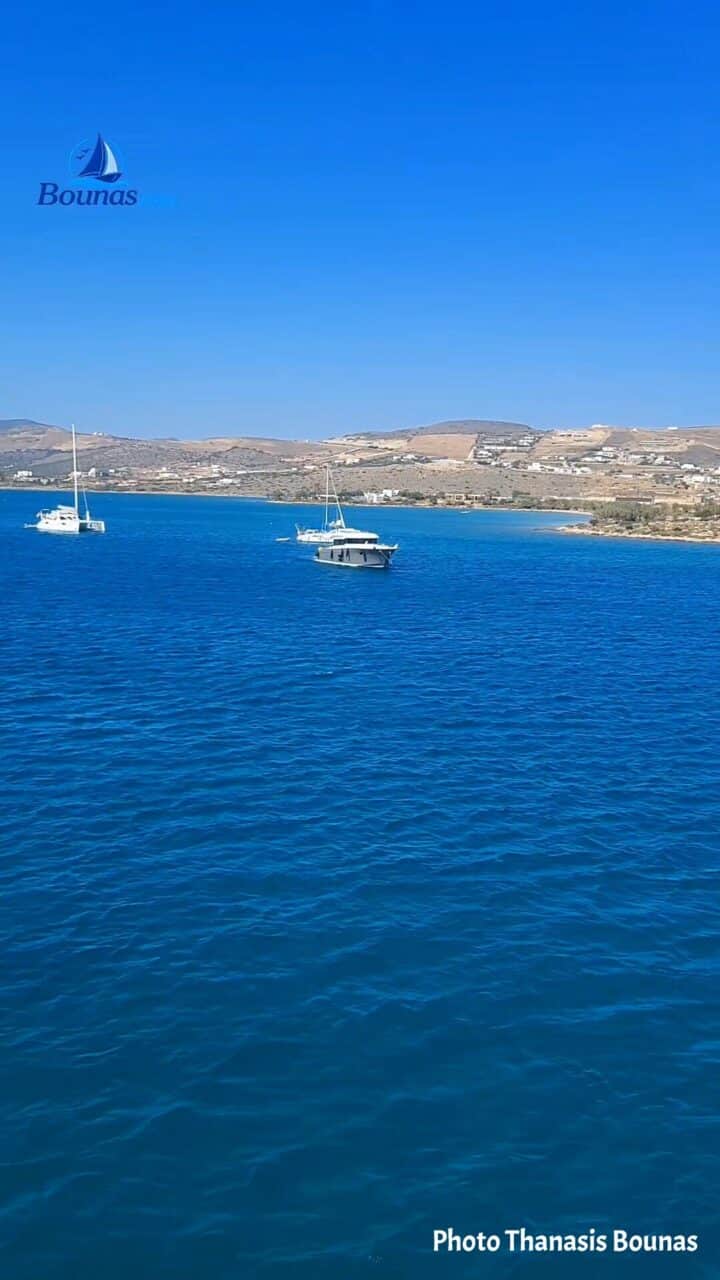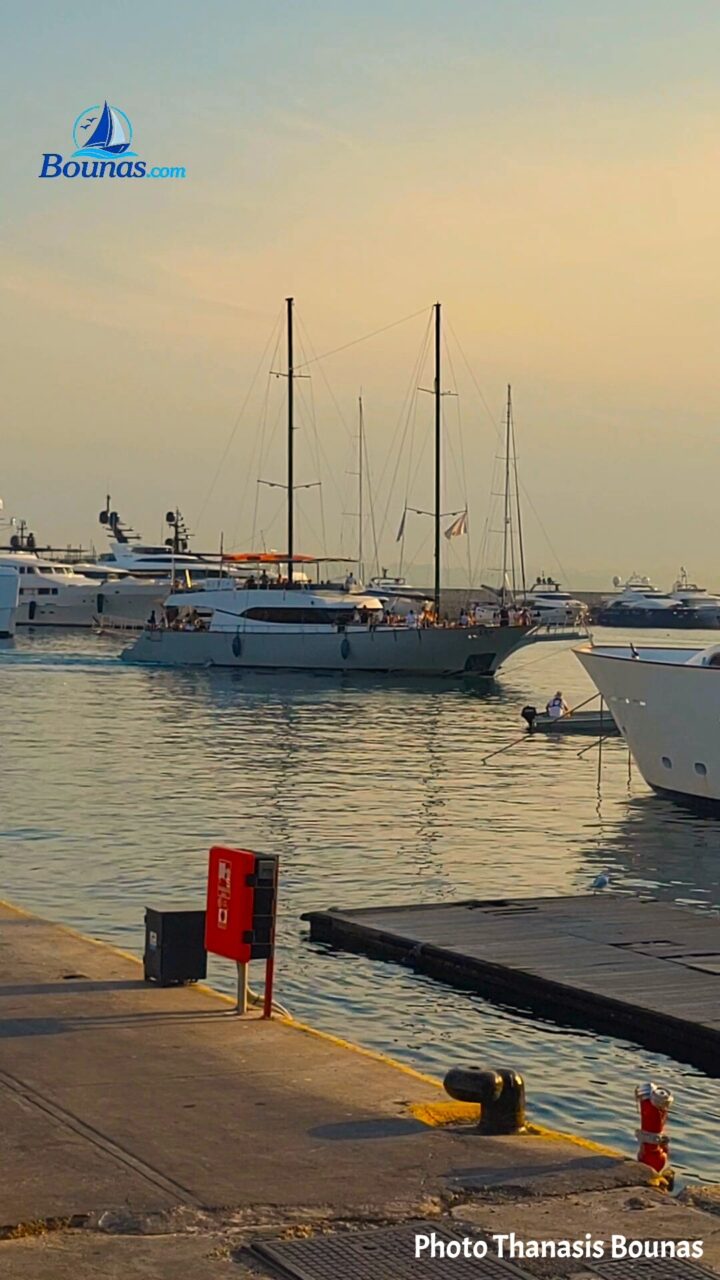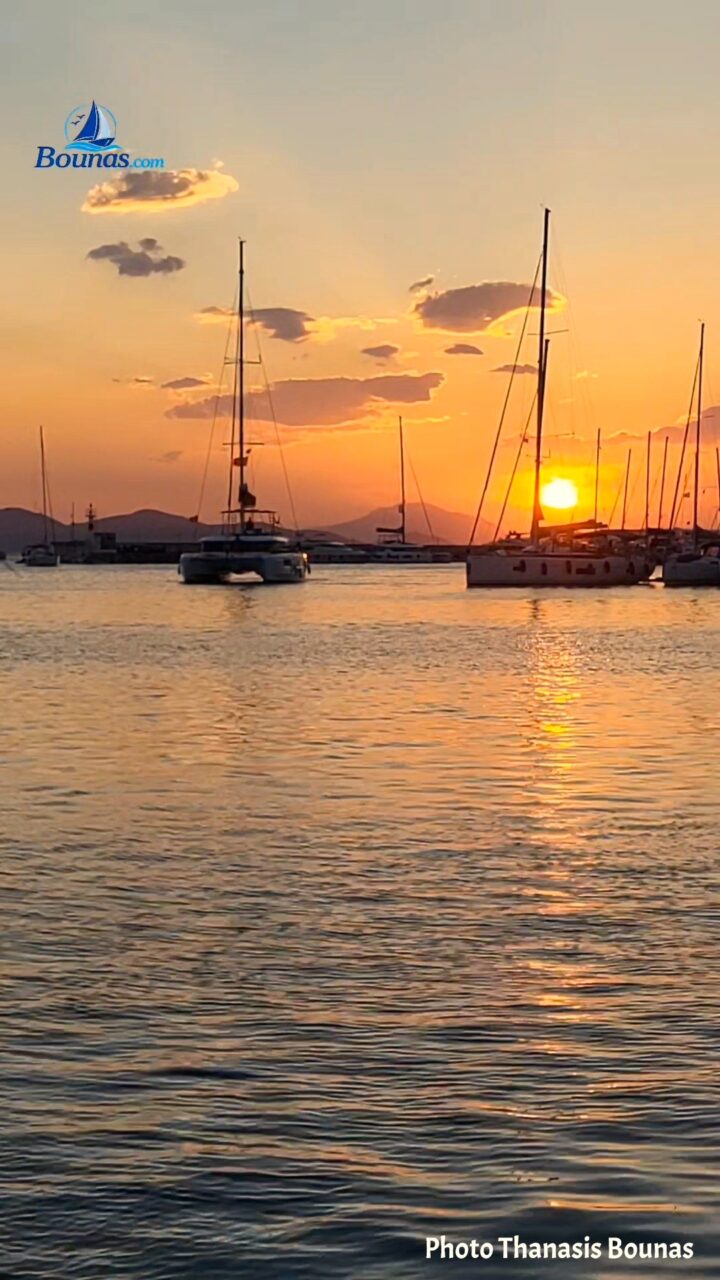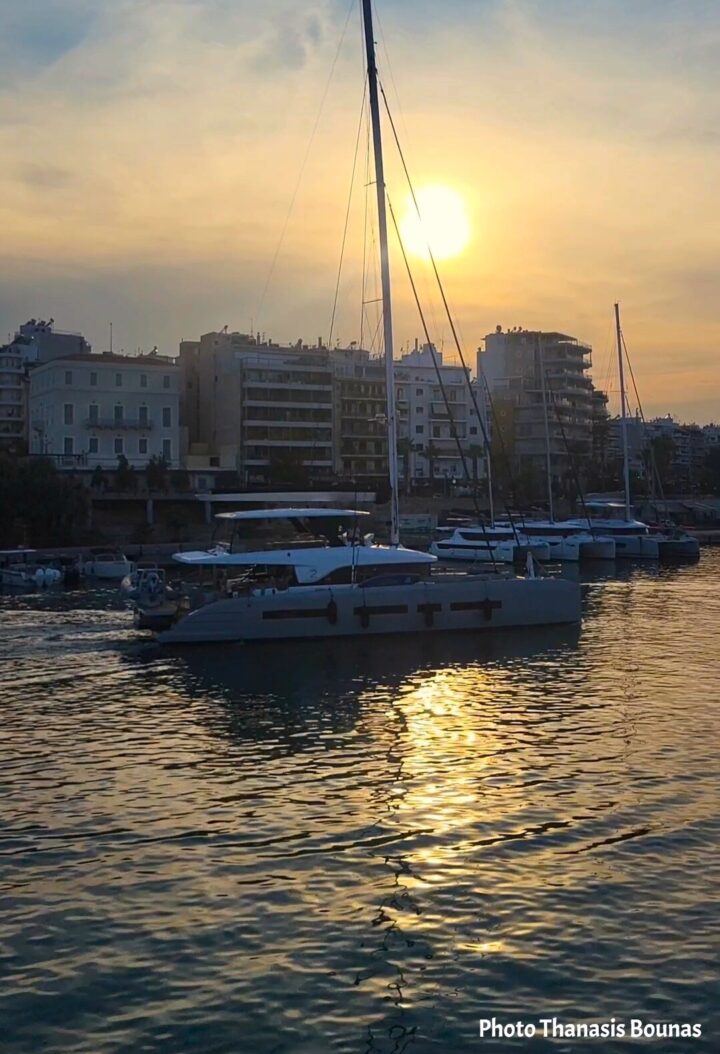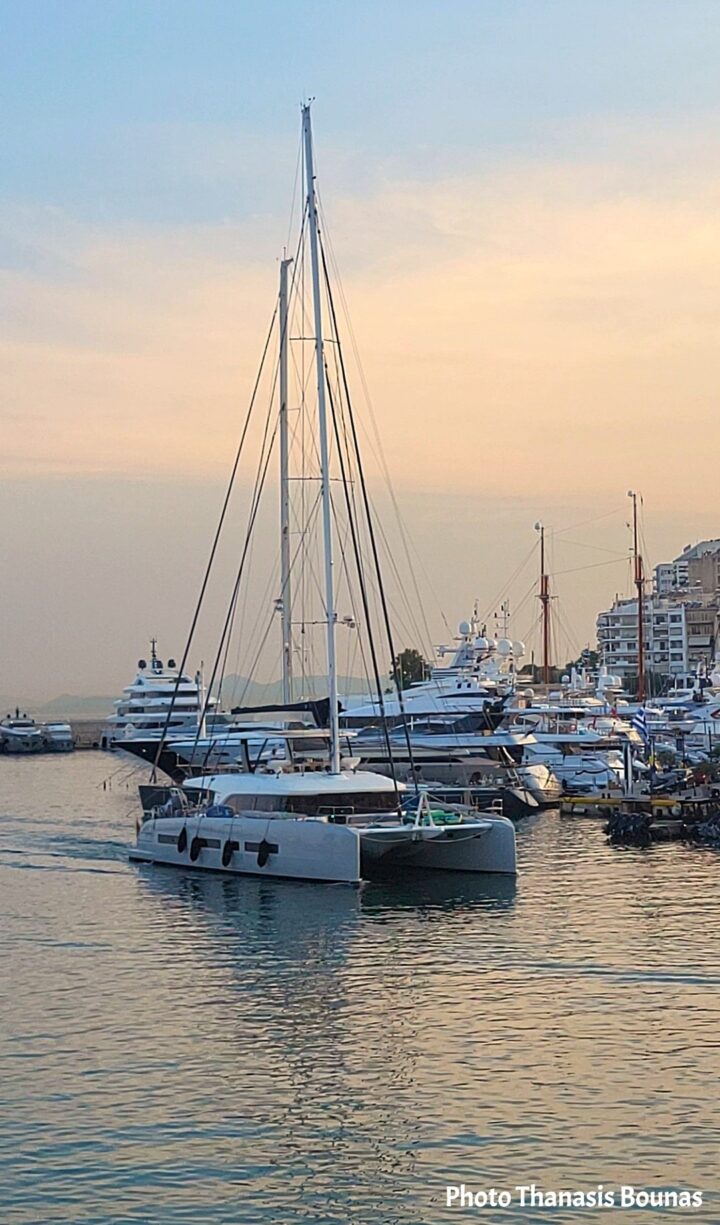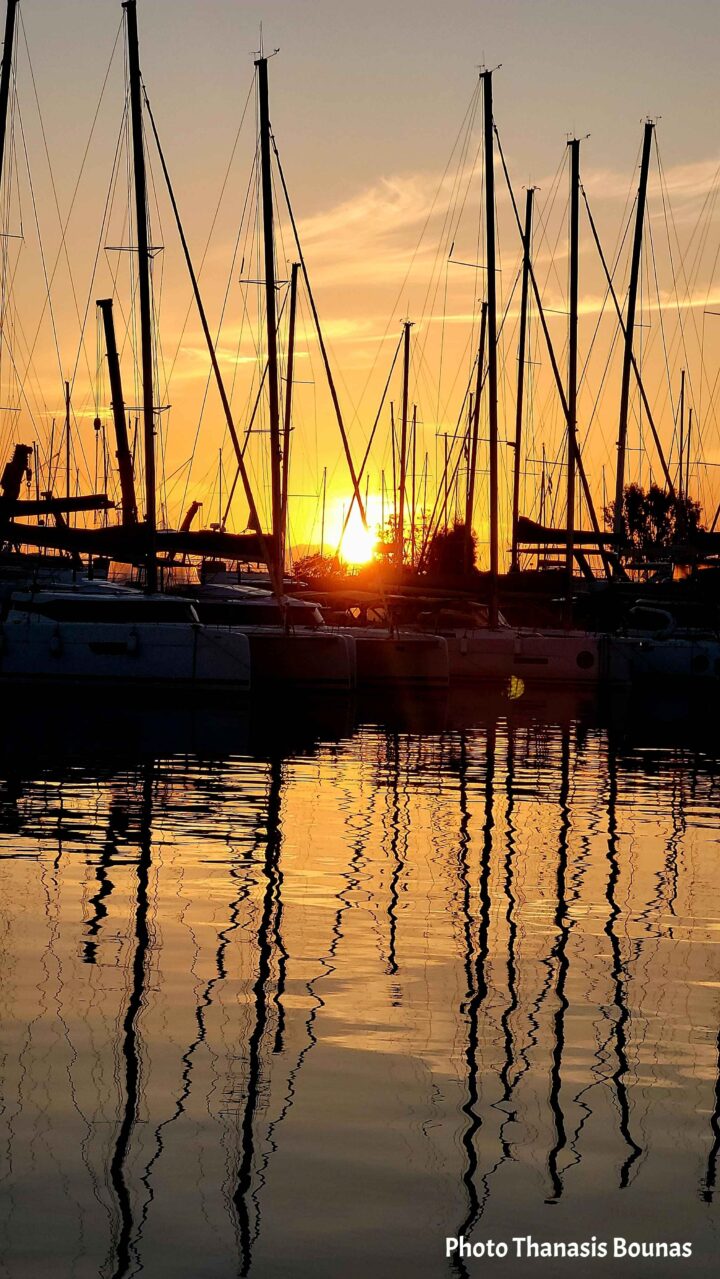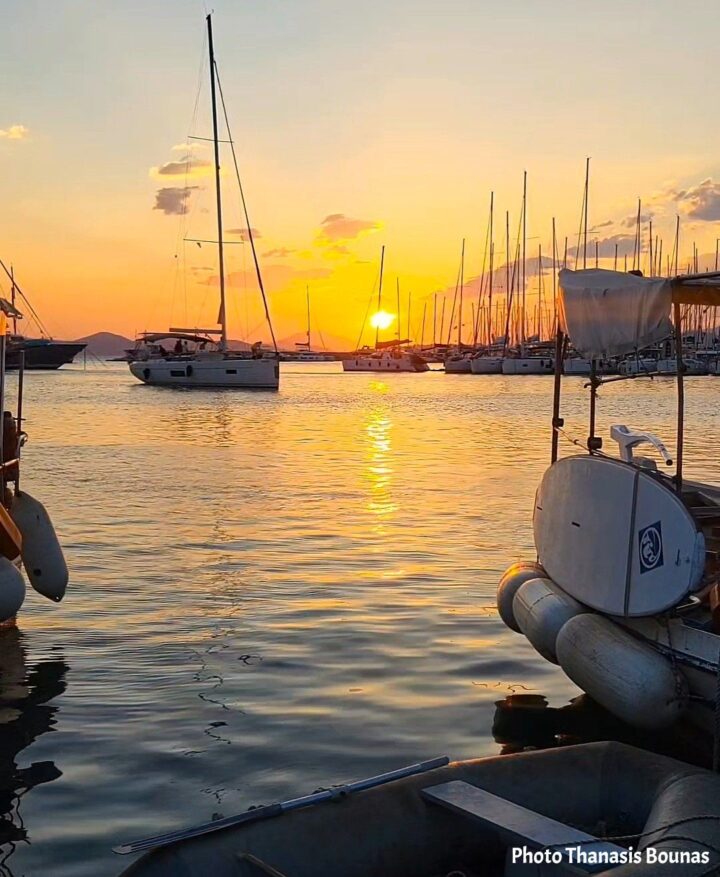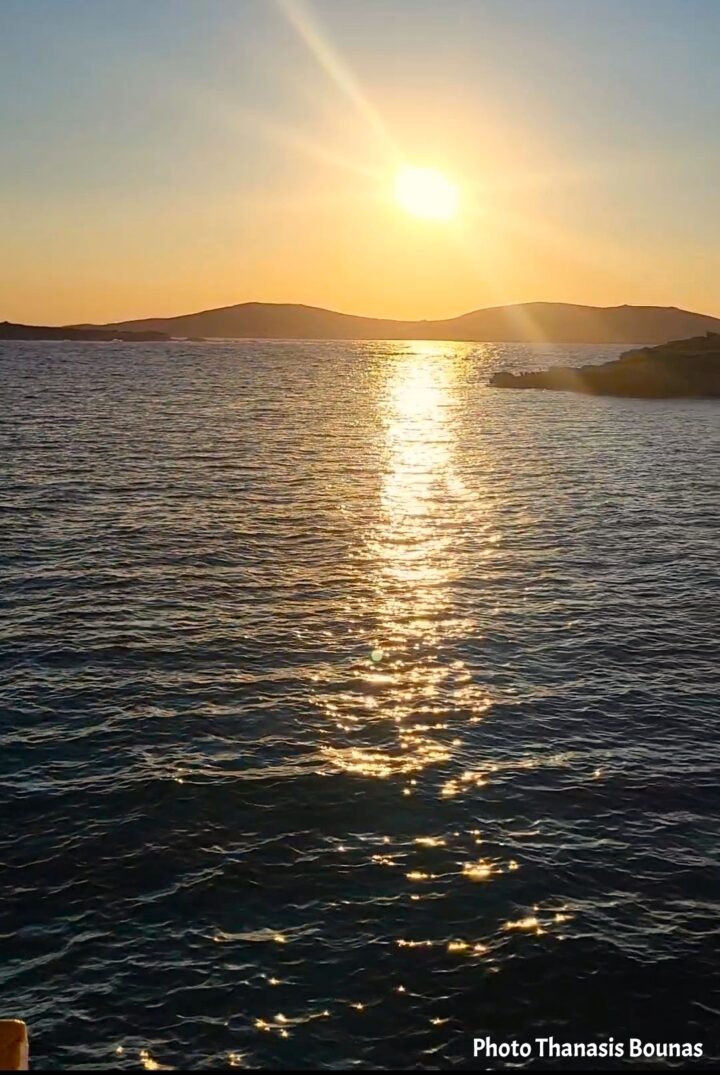
There are journeys through the Greek islands where the destination dominates the experience.
And there are others where the sea becomes just as important as the island waiting ahead.
Sailing towards Andros, Greece, belongs to the second kind.
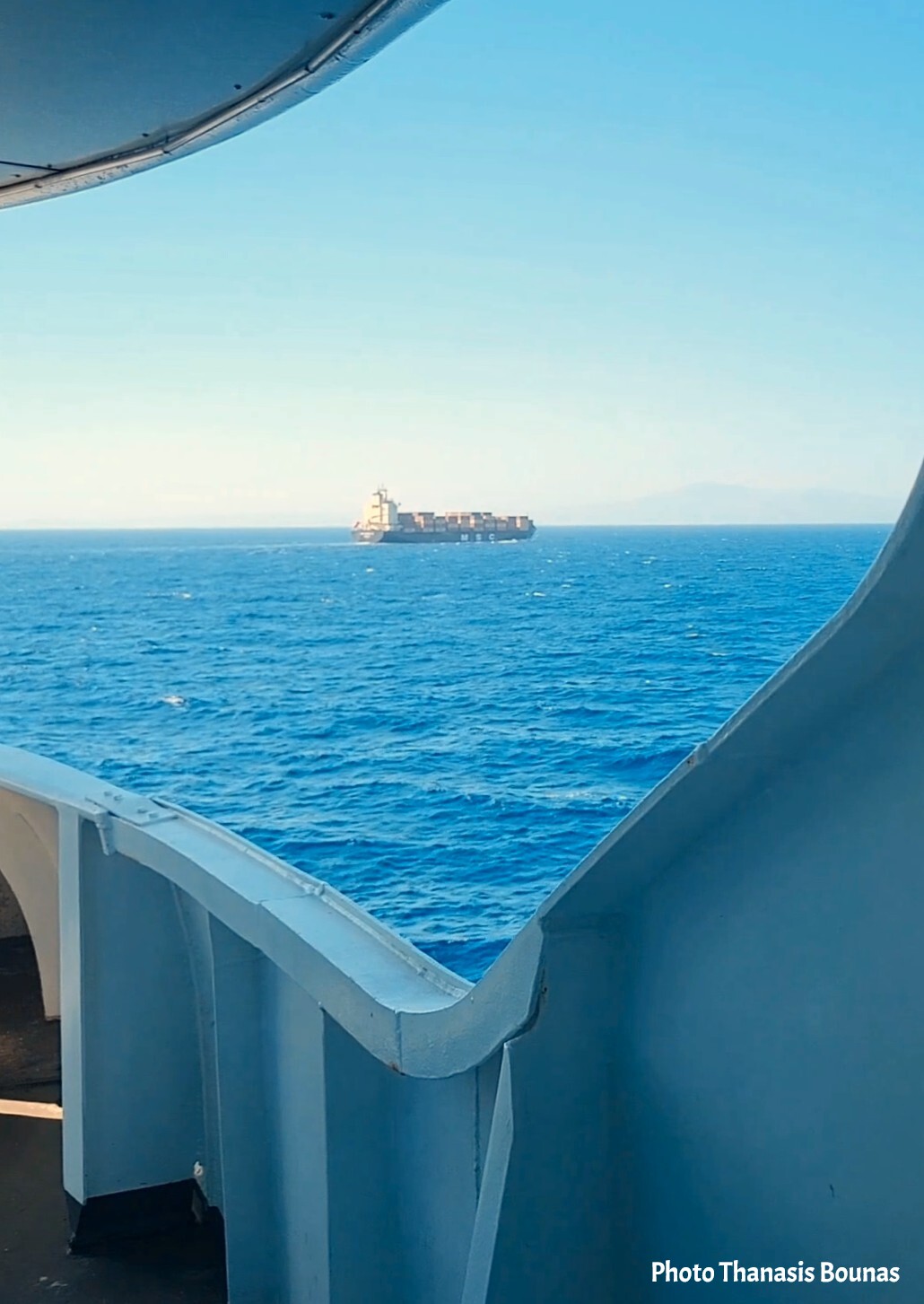
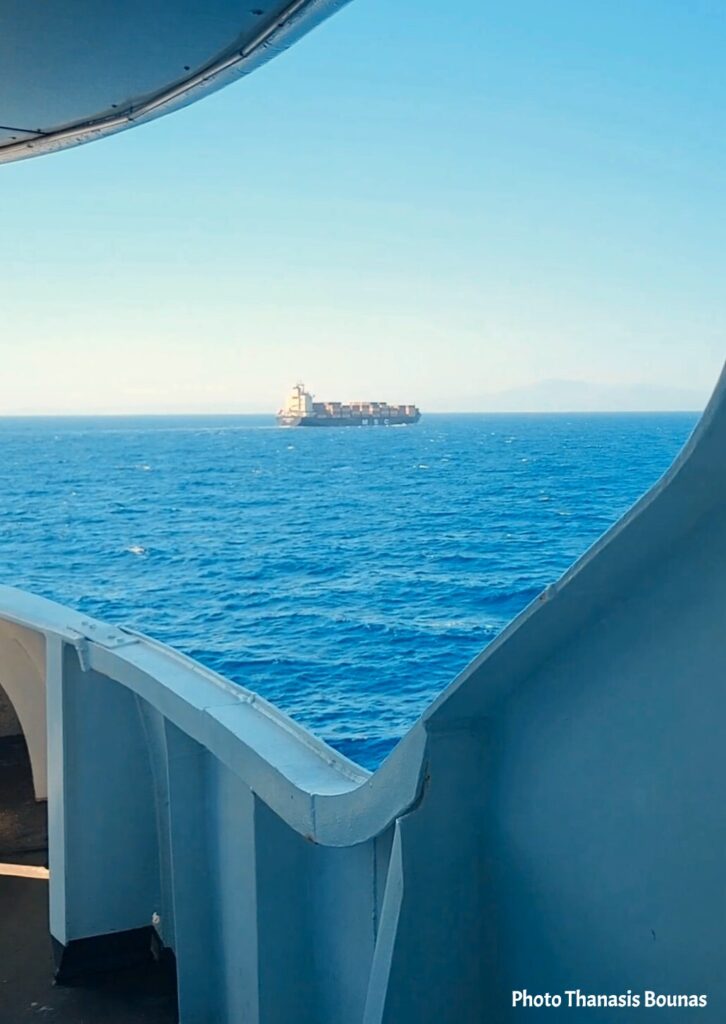
The boat moves across the blue waters of the Aegean, distant vessels appear along the horizon, and somewhere ahead lies the northernmost island of the Cyclades.
For a while, there are no beaches to explore and no village streets to follow.
There is simply the passage — open water, changing light and the anticipation of approaching Andros.
Sailing Towards Andros, Greece.
Across the Aegean Towards Andros
Andros occupies a distinctive position at the northern edge of the Cyclades.
Its location makes the approach different from travelling among some of the more tightly grouped islands farther south. Coming from the direction of mainland Greece, the journey gradually leaves the Attic coastline behind and enters the island world of the Aegean.
From the deck of a boat, geography becomes something you experience rather than simply see on a map.
Land slowly disappears behind you.
Ships cross the horizon.
The color and movement of the water change with the wind.
Eventually, another island begins to take shape ahead.
This gradual transition is part of what makes sailing to Andros memorable.
An Island with a Strong Maritime Identity
The relationship between Andros and the sea extends far beyond tourism and recreational sailing.
For generations, the island developed a powerful maritime tradition. Andriot shipowners, captains and sailors became part of the wider story of Greek merchant shipping, particularly as sailing vessels gradually gave way to steamships during the nineteenth and early twentieth centuries.
That heritage remains an important part of the island’s identity today.
It also changes the way an arrival by sea can feel.
Approaching Andros aboard a vessel is not simply a convenient way of reaching another Greek island. It follows a relationship with the Aegean that has shaped generations of people who lived there.
The sea surrounding Andros was a route to other islands, to the mainland and eventually to ports far beyond Greece.
Sailing in the Northern Cyclades
The northern Cyclades have their own maritime character.
Andros lies close to Tinos and within the wider network of islands extending southward through the Aegean. For sailors, these waters can also demand attention because the Cyclades are strongly influenced during summer by the Meltemi, the seasonal northerly wind of the Aegean.
When conditions are calm, the passage can feel wonderfully open and peaceful.
When the wind strengthens, the same stretch of sea can become far more energetic.
That contrast is part of sailing in Greece.
The Aegean is never simply a blue background to the islands. It determines routes, timing and the rhythm of travelling between them.
When the Journey Becomes Part of the Destination
Modern travel often reduces a journey to the time between departure and arrival.
At sea, that idea changes.
A distant ship passing across the horizon becomes part of the day. A coastline appearing slowly in the distance matters. Even the changing movement of the water tells you that you are travelling somewhere rather than simply being transported there.
This is why approaching the Greek islands by sea can create such a different impression.
Andros will eventually become the destination.
Its villages, coastline, maritime history and landscapes can each become separate stories.
But before reaching the island, there is another story worth remembering.
The journey across the Aegean itself.
And sometimes, while sailing towards Andros, that is enough.
FAQ
Where is Andros in Greece?
Andros is the northernmost island of the Cyclades in the Aegean Sea. It lies southeast of the Attica region and north of Tinos.
Is Andros known for its maritime history?
Yes. Andros has a particularly strong maritime tradition and produced generations of sailors, captains and shipowners who played an important role in the development of modern Greek merchant shipping.
What is sailing around Andros like?
Sailing conditions around Andros can vary considerably. The northern Cyclades are exposed to the seasonal Meltemi winds during summer, so sailors should always consider current marine forecasts and local conditions before a passage.