A City That Speaks Through Art
In Vancouver, street art is not just decoration.
It is expression.
It is identity.
For many young people, graffiti is a form of creativity—a way to communicate, to share stories, and to bring color into everyday life.
But here, it goes even deeper.
The Meaning Behind the Walls
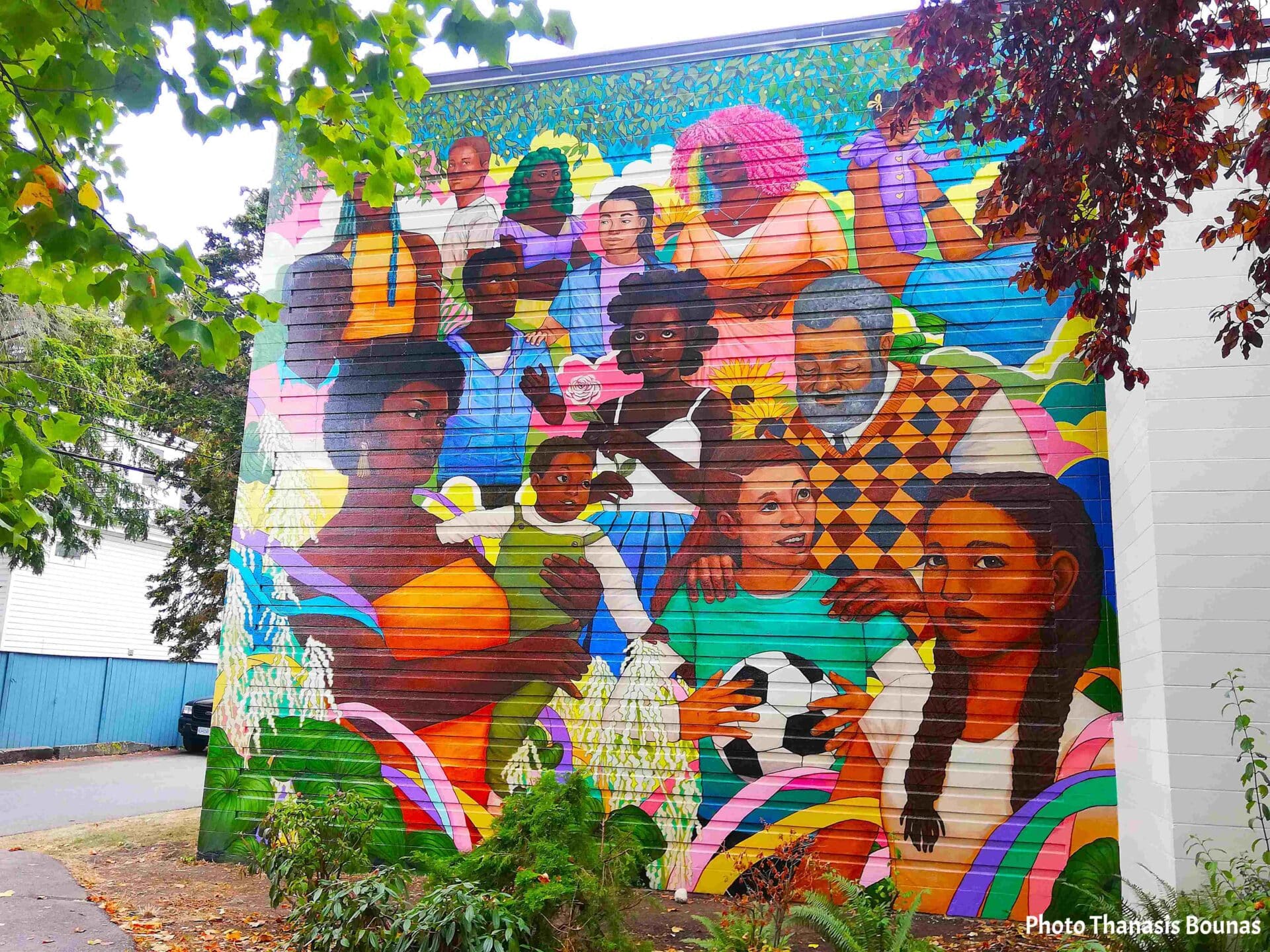
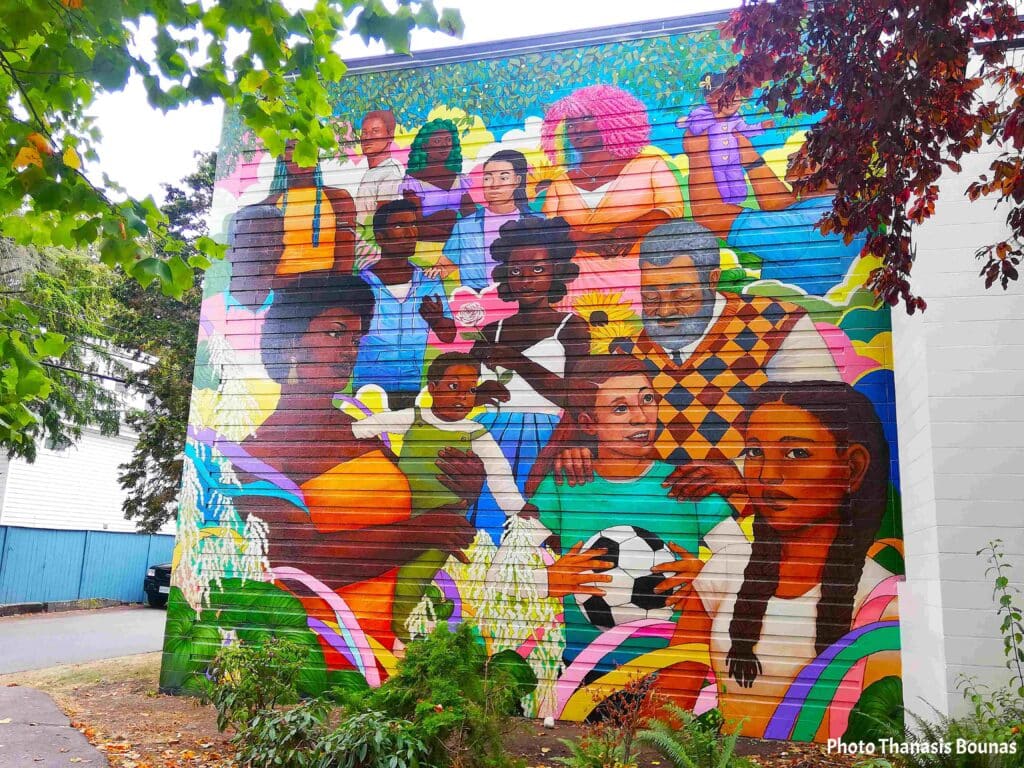
Walking through the streets of Vancouver, you will notice murals that are full of life.
Faces, colors, emotions, and symbols come together to tell powerful stories.
These are not random images.
They reflect community, diversity, and history.
Many murals celebrate culture, inclusion, and the voices of people who want to be seen and heard.
The Experience: Seeing the City Differently
When you stop in front of a mural like this, you don’t just look at it.
You feel it.
Every detail invites you to observe more closely.
The expressions of the people.
The colors that connect everything.
The message behind the composition.
Suddenly, the wall is no longer just a wall.
It becomes a story.
More Than Art: A Symbol of Respect
In Vancouver, street art often carries a deeper meaning.
It is about respect.
Respect for culture.
Respect for identity.
Respect for community.
For many young people, this form of art becomes a voice.
A way to express love, unity, and understanding.
Why It Matters
There are cities where graffiti is seen as noise.
In Vancouver, it feels different.
Here, it is part of the city’s soul.
It transforms simple spaces into meaningful places.
And as you stand there, looking at these vibrant murals, you realize something simple.
This is not just art.
It is connection.