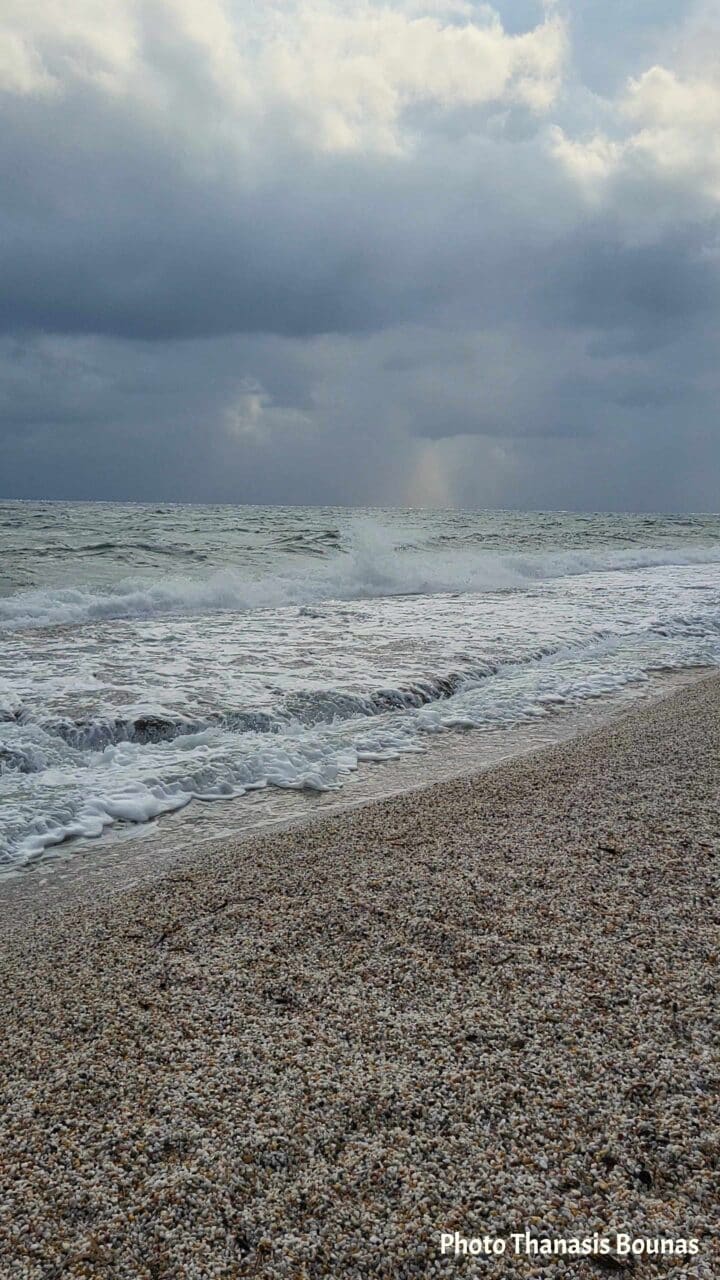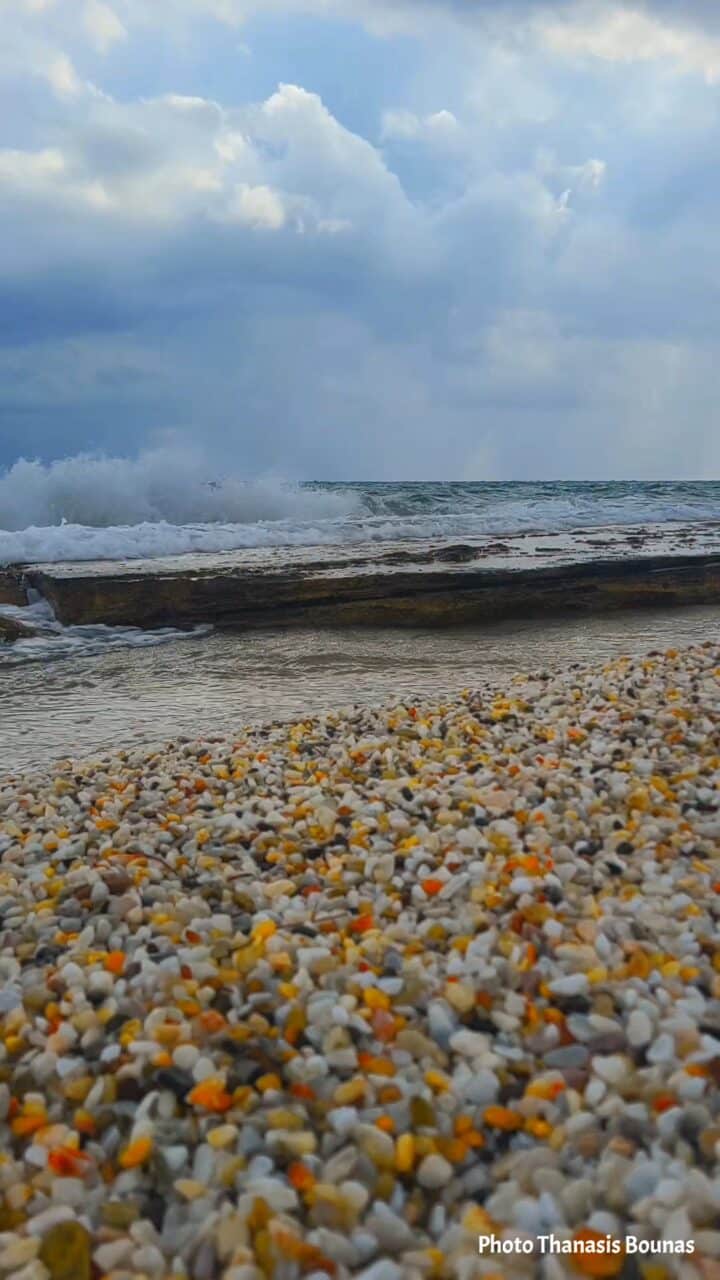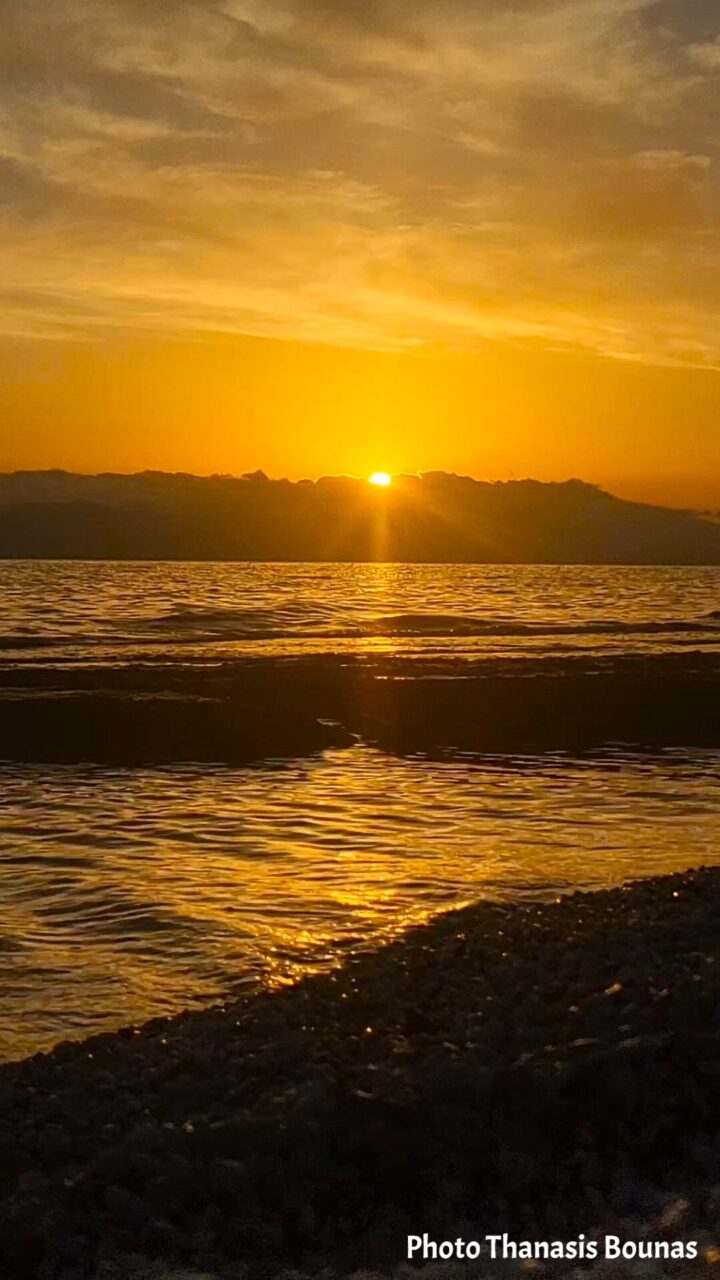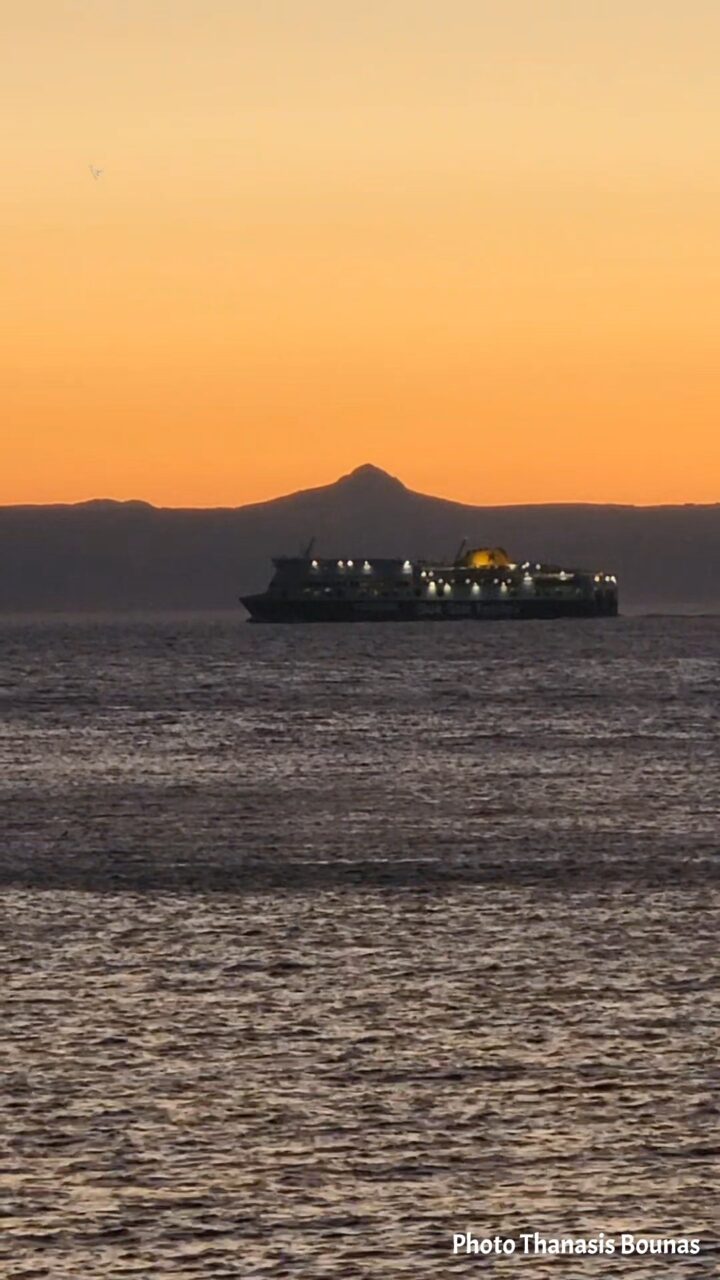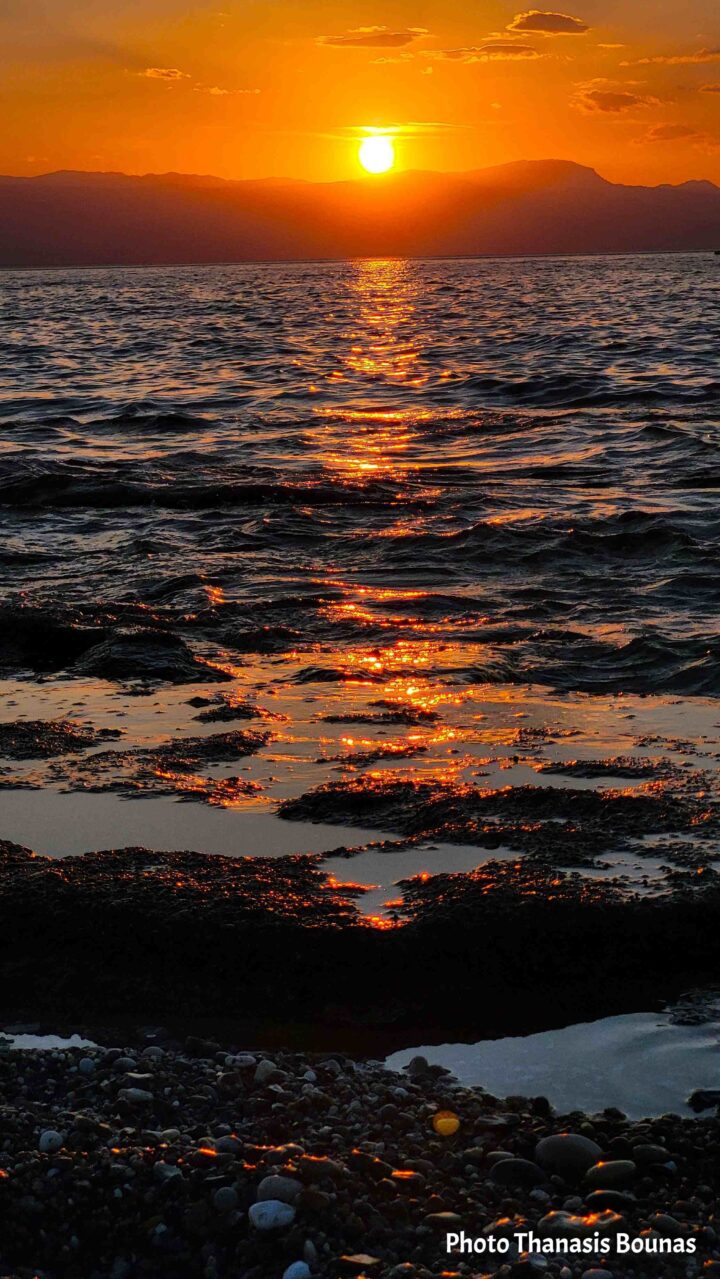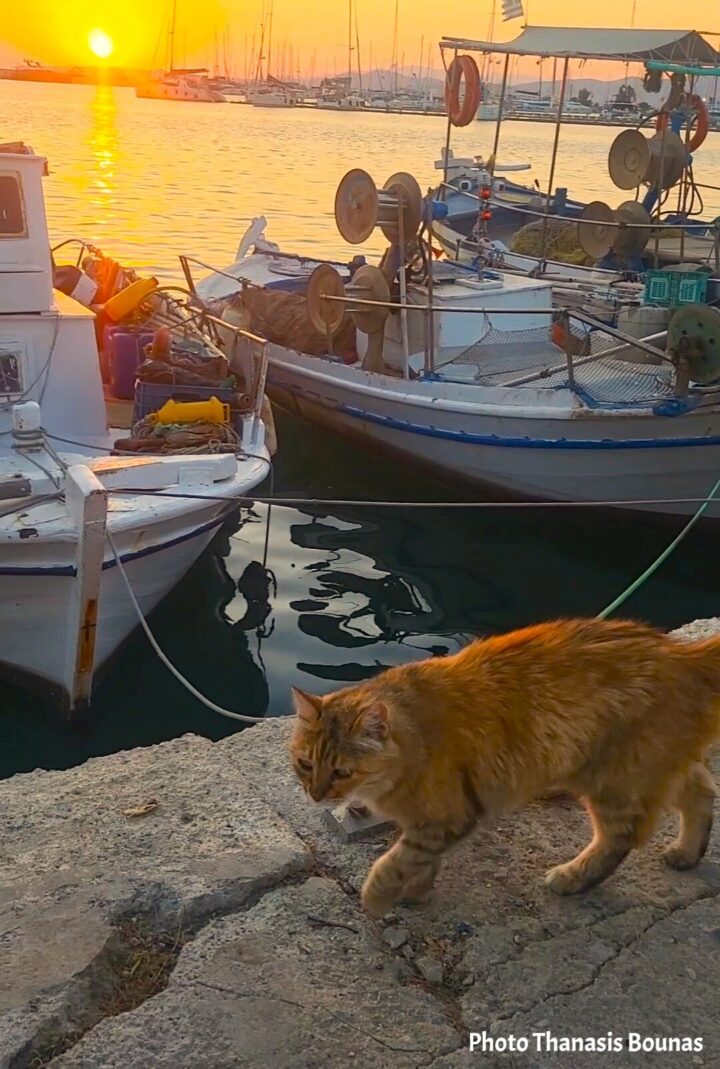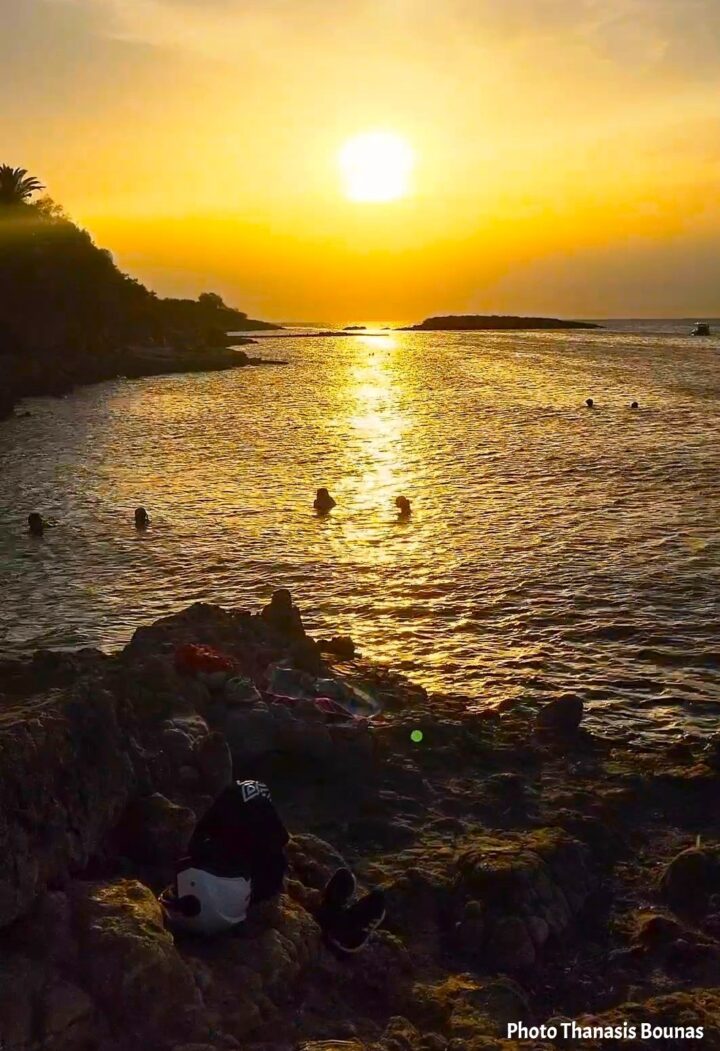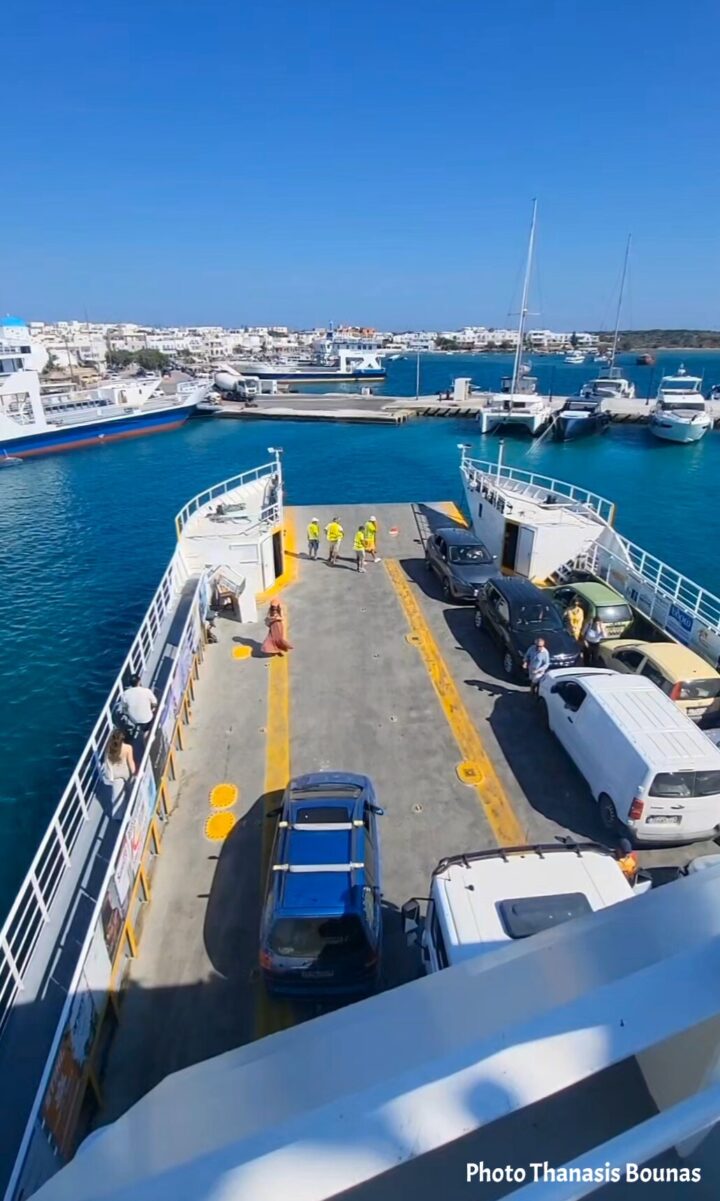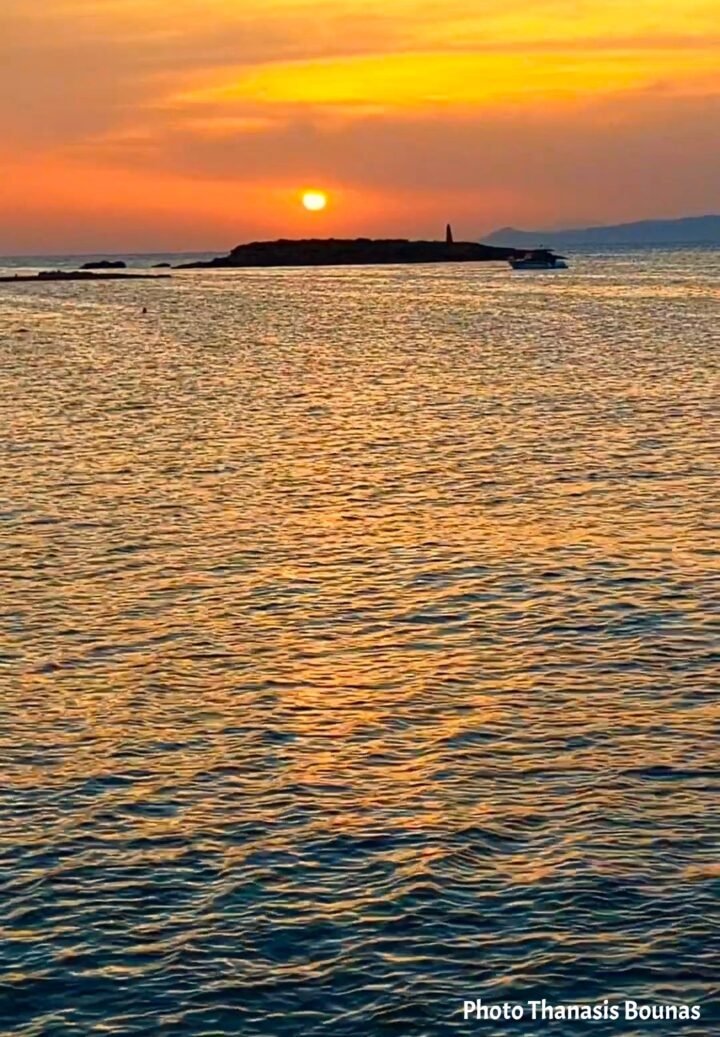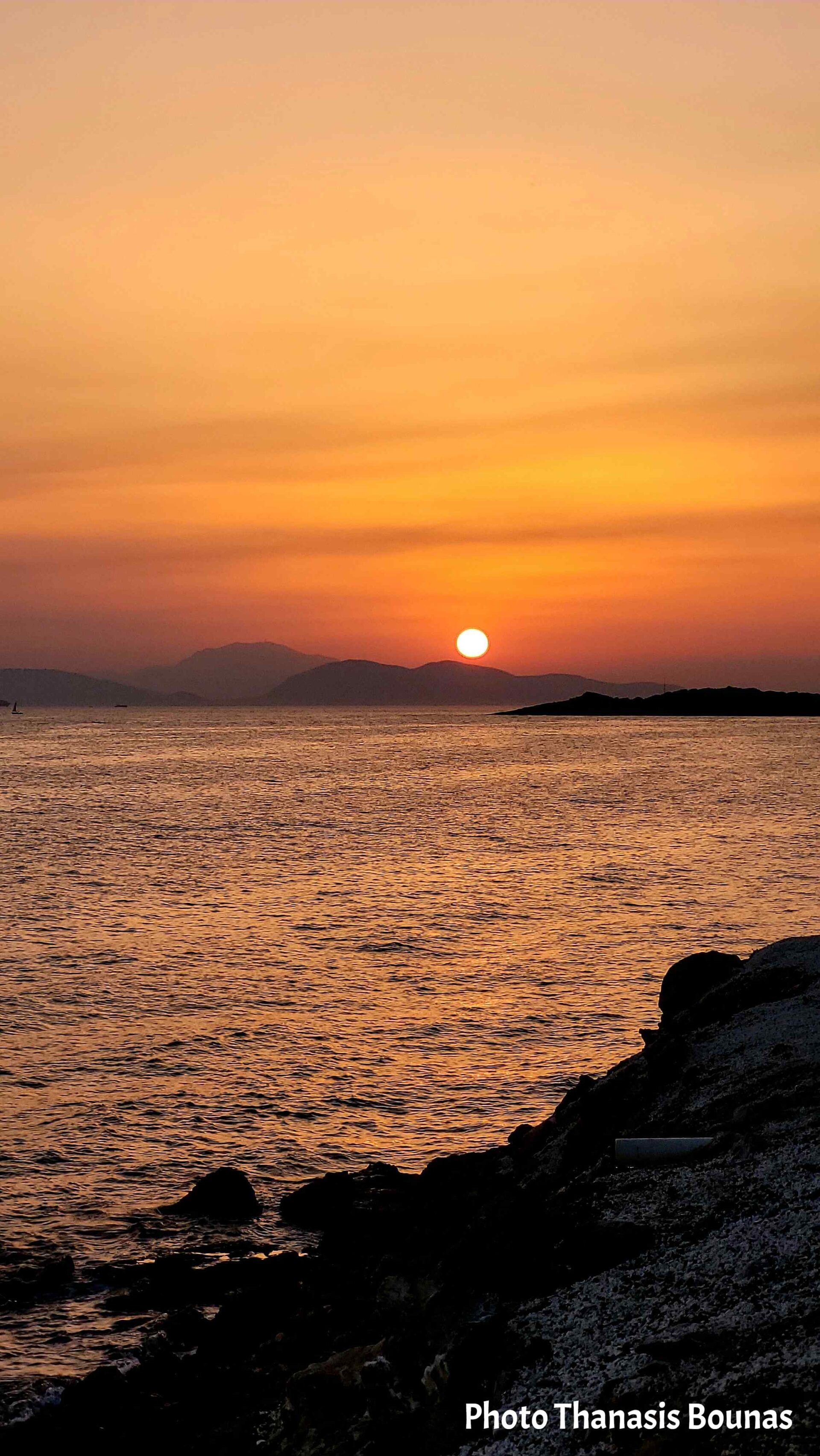
Traveling across the blue waters of the Aegean Sea toward Kimolos, the island appears quietly on the horizon.
Today, Kimolos is one of the smaller and more peaceful islands of the Cyclades, standing beside its much larger neighbor, Milos. But its quiet appearance hides a history stretching back thousands of years.
Long before modern travelers crossed these waters, people were living here, navigating between the islands and using the unusual natural resources created by the volcanic landscape.
Archaeological discoveries show human activity on Kimolos from at least the Late Neolithic period, around 5300–4500 BC. Obsidian and flint tools, fragments from their production and pottery found across the island reveal a community connected to the prehistoric world of the Aegean.
The journey toward Kimolos is therefore also a journey toward one of the ancient landscapes of the Cyclades.
Traveling to Kimolos, Greece.
The Ancient City Beside the Sea
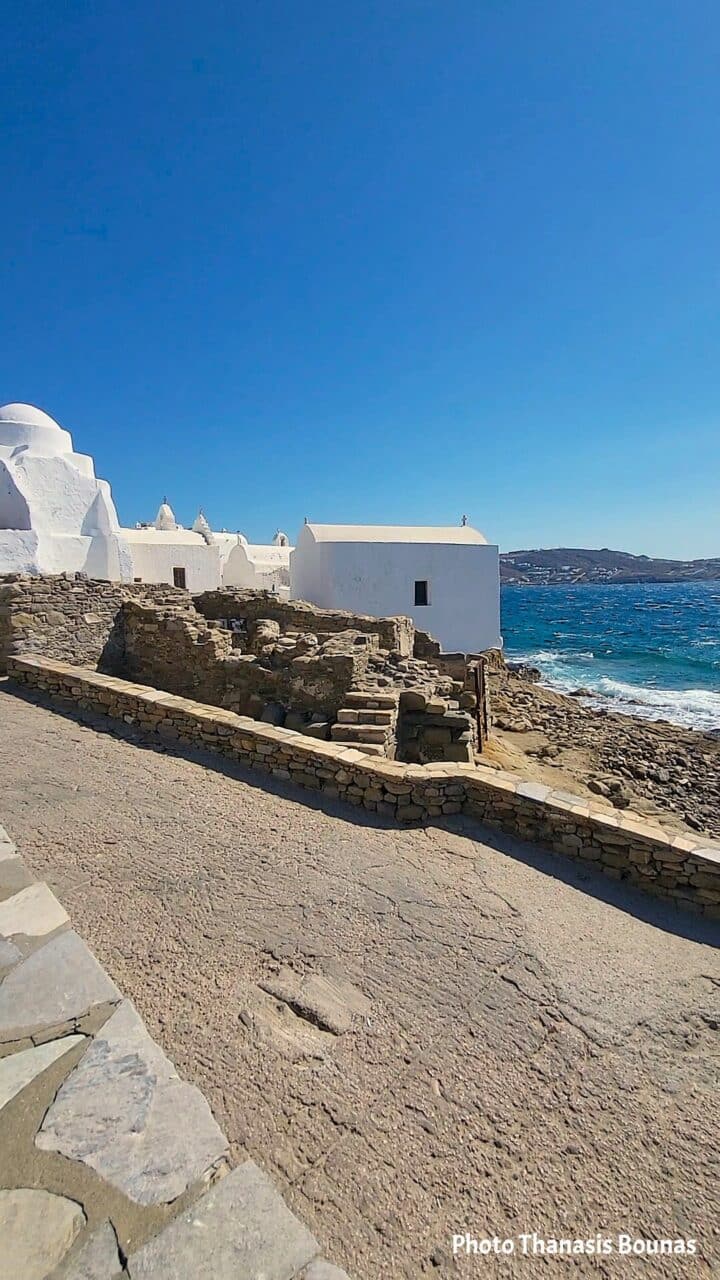
One of the most fascinating places on Kimolos lies at Ellinika, on the western side of the island.
Archaeological evidence from the area includes imported Mycenaean pottery dating to the 14th and 13th centuries BC. The settlement appears to have developed into an important Mycenaean center during the following century.
Centuries later, a settlement existed here during the Geometric period. Archaeologists discovered a cemetery dating to the 8th century BC containing twenty-two burial chambers and more than three hundred ceramic vessels.
The settlement that developed here eventually became the ancient city of Kimolos.
Today the coastline is different.
Geological changes and erosion transformed the landscape over the centuries, and part of the ancient site gradually became submerged beneath the sea. The remains around Ellinika and the small island of Agios Andreas preserve traces of a landscape where land and water once met differently than they do today.
Standing beside these waters now, it is remarkable to imagine an ancient Cycladic community occupying a coastline that has partly disappeared.
The Famous Kimolian Earth
Kimolos possessed something that made the island known far beyond its shores.
The ancient world knew it for Kimolian earth — a distinctive white mineral clay associated so closely with the island that ancient writers referred directly to its place of origin.
Strabo himself mentioned Kimolos in connection with this earth.
The material was used in antiquity for cleaning clothing and the body, as well as in pharmaceutical and cosmetic preparations, and became an important export from the island.
This gives the volcanic geology of Kimolos another dimension.
The unusual rocks and pale landscapes that make the island visually distinctive were not simply scenery. The geological resources of the island contributed to its economy and connected this small Cycladic community with a much wider world.
Ships leaving Kimolos could carry more than passengers.
They carried something produced by the island itself.
When Kimolos and Milos Fought for Polyaigos
Perhaps the most intriguing episode in the ancient relationship between Kimolos and neighboring Milos concerns Polyaigos, the large island lying nearby.
Sometime shortly after 338/337 BC, Kimolos and Milos were involved in a territorial dispute concerning Polyaigos and neighboring islets.
The matter was serious enough to be decided through arbitration by judges from Argos.
And the decision went in favor of Kimolos.
Why would two islands dispute ownership of what today appears to be an almost empty island?
Because in the ancient Aegean, land meant resources.
Polyaigos offered springs, cultivable areas and land that could support agricultural and pastoral activity. Recent archaeological research also shows that human activity on Polyaigos was far more extensive than its modern image as an “uninhabited island” might suggest.
For the people of ancient Kimolos, the surrounding smaller islands were therefore not simply shapes on the horizon.
They formed part of an economic and maritime landscape essential to life in the Cyclades.
Kimolos Between Milos and the Open Aegean
Geography helps explain much of this history.
Kimolos and Milos stand together at the southwestern edge of the Cyclades, while Polyaigos lies immediately beside them. This island group occupied an important position within the maritime geography of the Aegean.
The sea separated these communities, but it also connected them.
People, goods and resources moved across these waters centuries before modern ports and passenger ships existed.
Even tiny islands could become valuable.
A spring, a sheltered anchorage, grazing land or a useful mineral could transform an apparently insignificant piece of land into something worth defending.
And Kimolos itself possessed one of those resources in its famous earth.
Today, approaching the island across the Aegean feels peaceful.
The white coastline slowly becomes clearer, the open sea falls behind and another small Cycladic island appears ahead.
But beneath that quiet landscape lies a much older story — of prehistoric settlement, ancient trade, volcanic resources, maritime connections and even a territorial dispute between neighboring Greek islands.
Kimolos may be small.
Its history is not.