Where the City Meets the Horizon
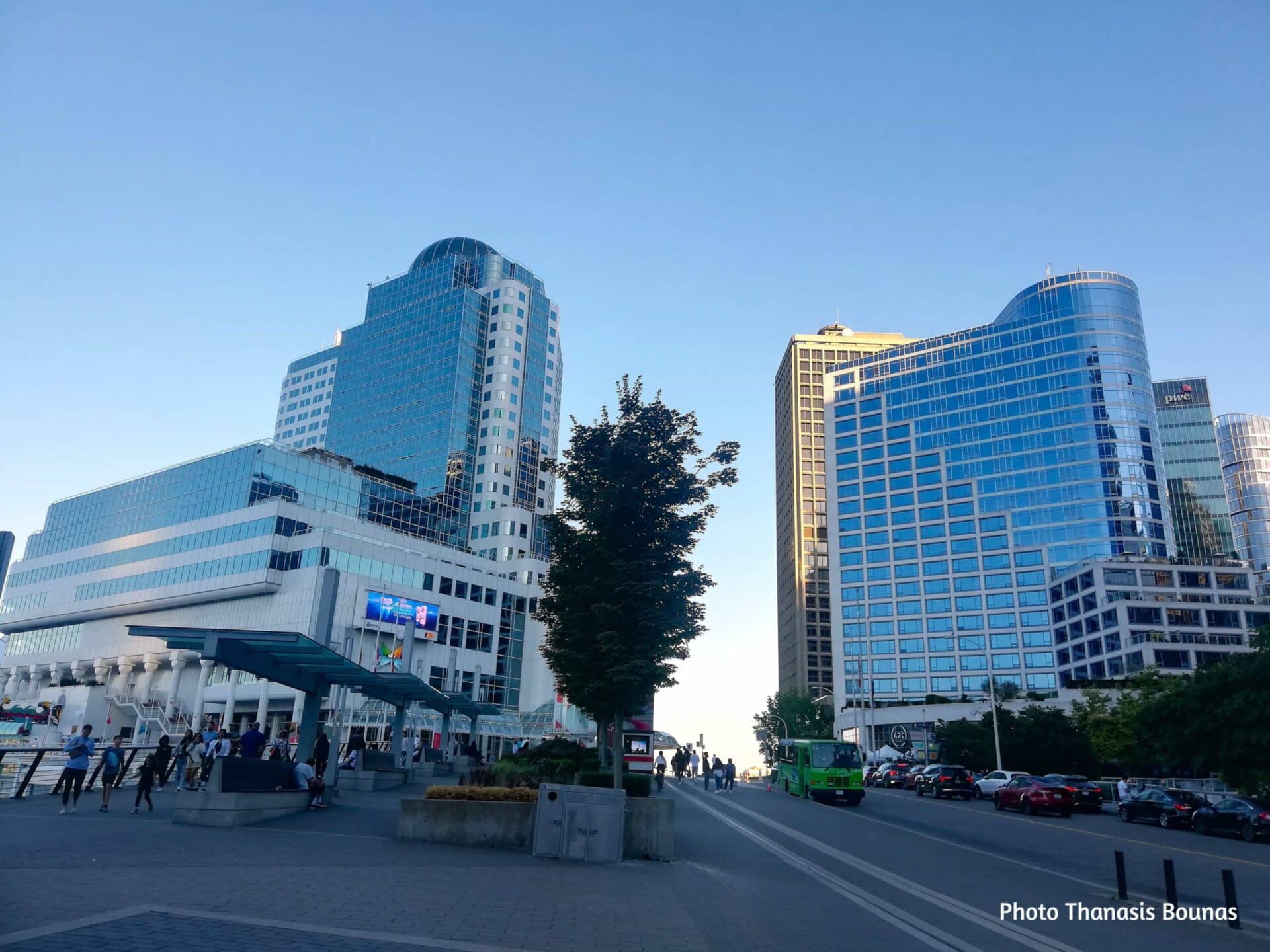
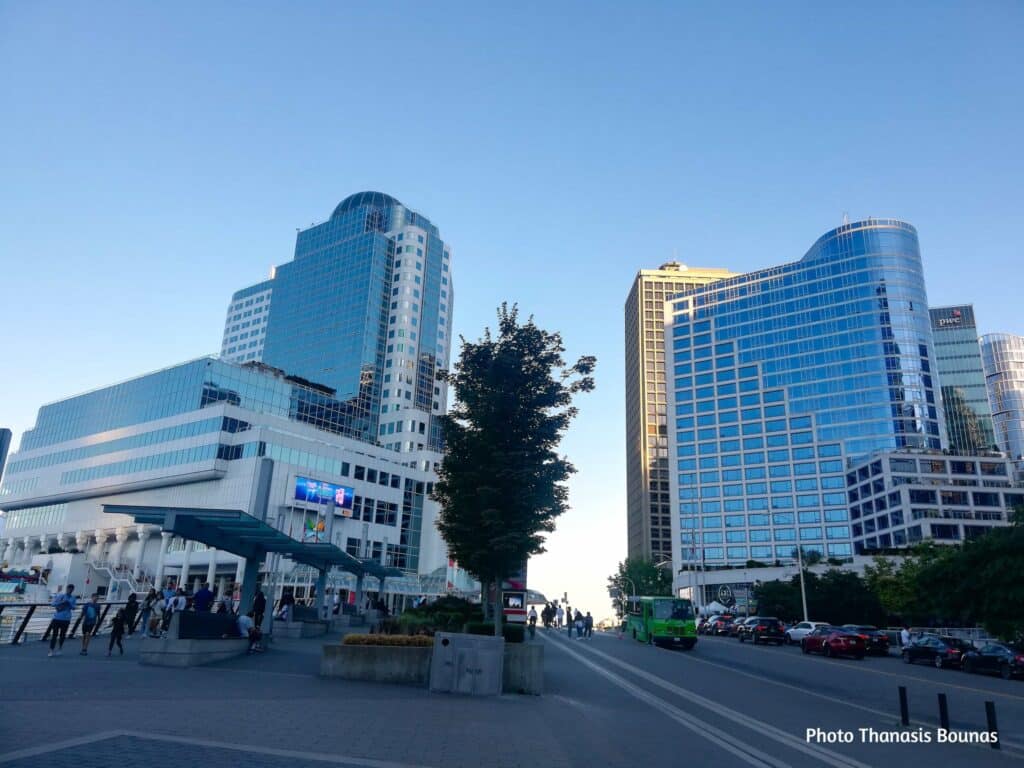
At Canada Place in downtown Vancouver, the city opens outward.
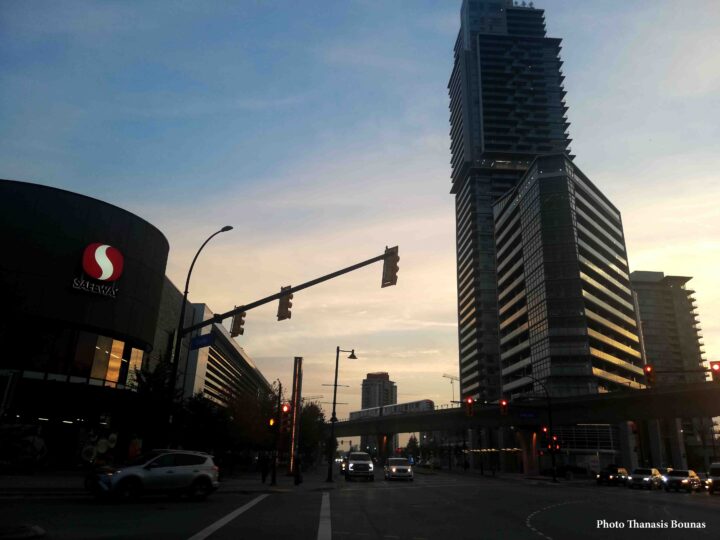
Glass buildings rise behind you, while the waterfront stretches ahead — creating a sense of space that feels both expansive and calm.
There is movement everywhere, yet nothing feels overwhelming.
In this balance, hope begins quietly.
The Psychology of Hope in Travel
Hope in travel is not something you actively search for.
It appears in moments where possibility becomes visible — when the horizon is open, when the next step feels undefined but welcoming.
The psychology of travel shows that hope is connected to perspective.
It is not about certainty, but about openness.
You don’t need to know what comes next.
You only need to feel that something can.
Canada Place: A Symbol of Openness
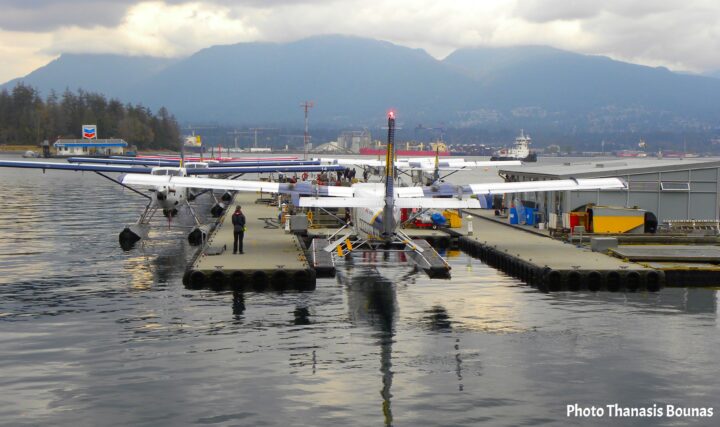
Canada Place in Vancouver, British Columbia, Canada, stands as a meeting point between city and sea.
Modern architecture, waterfront access, and open views create a space that naturally expands your awareness. It is not enclosed. It invites movement — both physical and internal.
Here, Vancouver feels less like a destination and more like a beginning.
Looking Forward Without Pressure
In many places, travel is driven by plans.
But at Canada Place Vancouver, something shifts. You are not focused on where to go next. Instead, you become aware of what lies ahead — not as a goal, but as a possibility.
Hope does not push you forward.
It allows you to move when you are ready.
A Sense of Direction Without Limits
Standing between the city and the water, you begin to understand something simple:
You don’t always need a clear path.
You only need space to move.
In Vancouver, hope is not loud.
It is quiet, steady, and present — just like the horizon itself.