The meaning of touch
Touch in travel is not always physical.
It is emotional.
A connection with a place that stays with you—even after you leave.
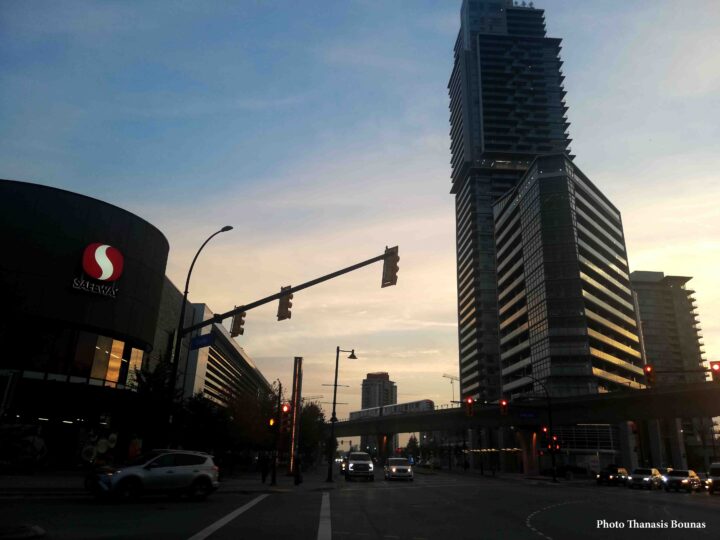
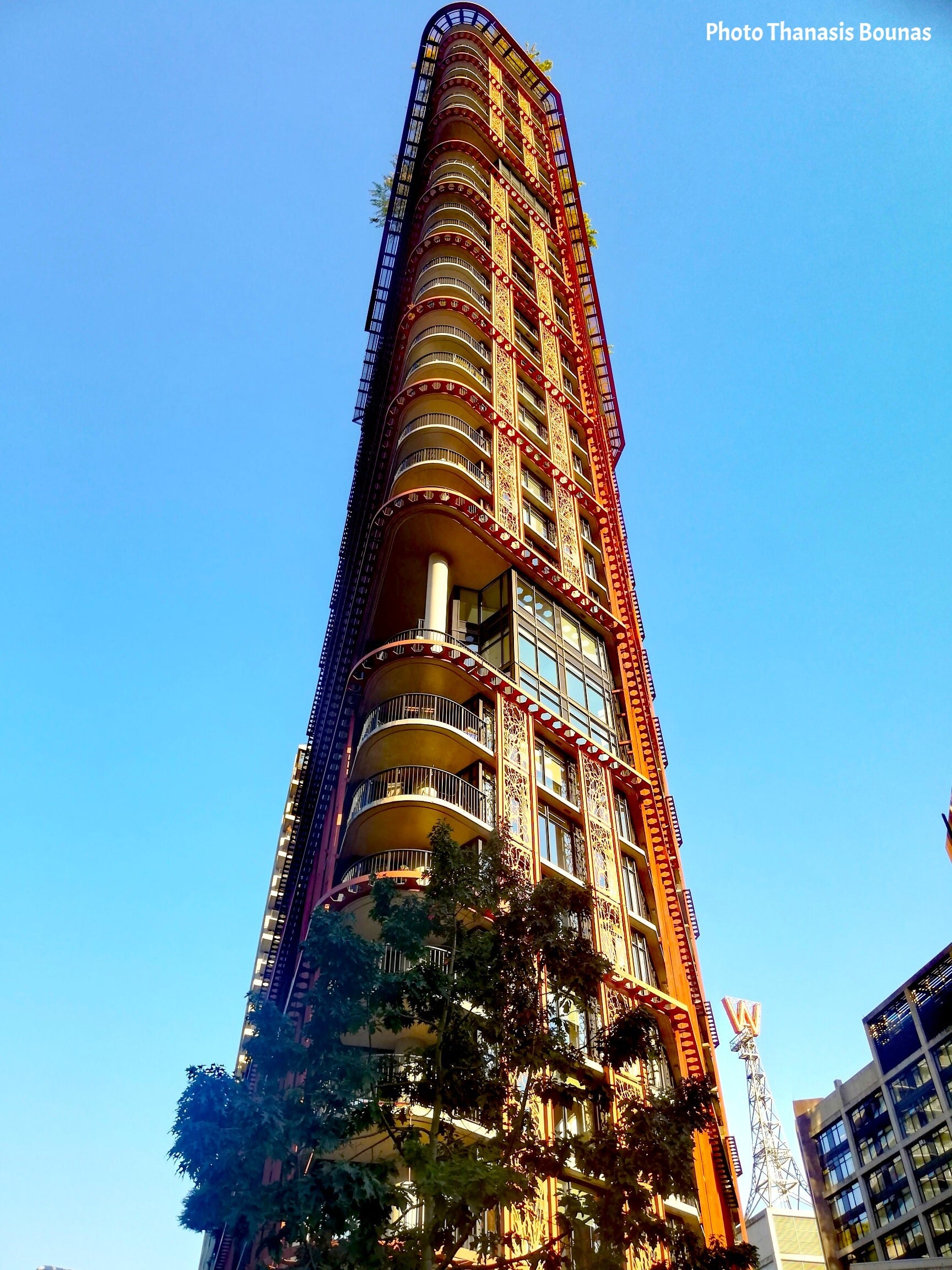
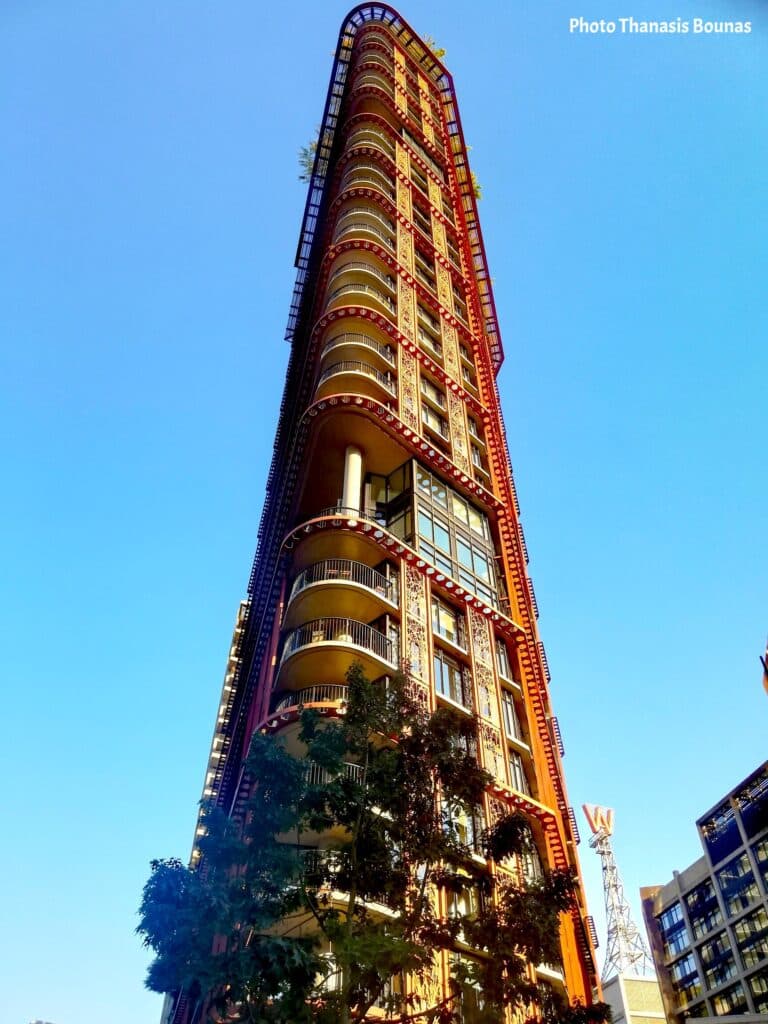
Standing in front of Woodward’s 43 in Vancouver, you feel that connection immediately.
A place shaped by people
Woodward’s began in 1892 as a small store.
Over the decades, it became one of the most important commercial centers in Vancouver. Generations of people passed through its doors.
It was not just a building.
It was part of daily life.
When places lose contact
In 1993, the store closed.
The connection between the building and the community was broken.
For years, Woodward’s stood empty—physically present, but disconnected.
This is something travel often reveals.
Places can exist without being felt.
Reconnecting the city
The transformation came in the early 21st century.
By 2010, Woodward’s was reborn as a mixed-use space—housing, education, and culture.
The building did not just change form.
It regained its connection with people.
Architecture you can feel
Looking at the structure today, you notice details.
Curves.
Textures.
Patterns.
This is not cold architecture.
It invites interaction.
It creates a sense of closeness between the city and the individual.
Travel as contact
Travel is not only about seeing.
It is about feeling.
Touch happens when a place resonates with something inside you.
Just like sailing—where contact with the wind, the sea, and the boat becomes a dialogue.
Between past and present
Woodward’s is both old and new.
Historic identity and modern design coexist.
This creates a deeper kind of connection—not superficial, but layered.
What stays with you
In the end, touch in travel is what remains.
Not the photos.
Not the distance.
But the feeling that you were part of a place—even for a moment.
Standing beneath Woodward’s 43, you realize that cities are not just built.
They are experienced.