The Corinthian Gulf in Greece offers a very different sailing landscape from the open waters of the Aegean.
Here, the sea is framed by mountains.
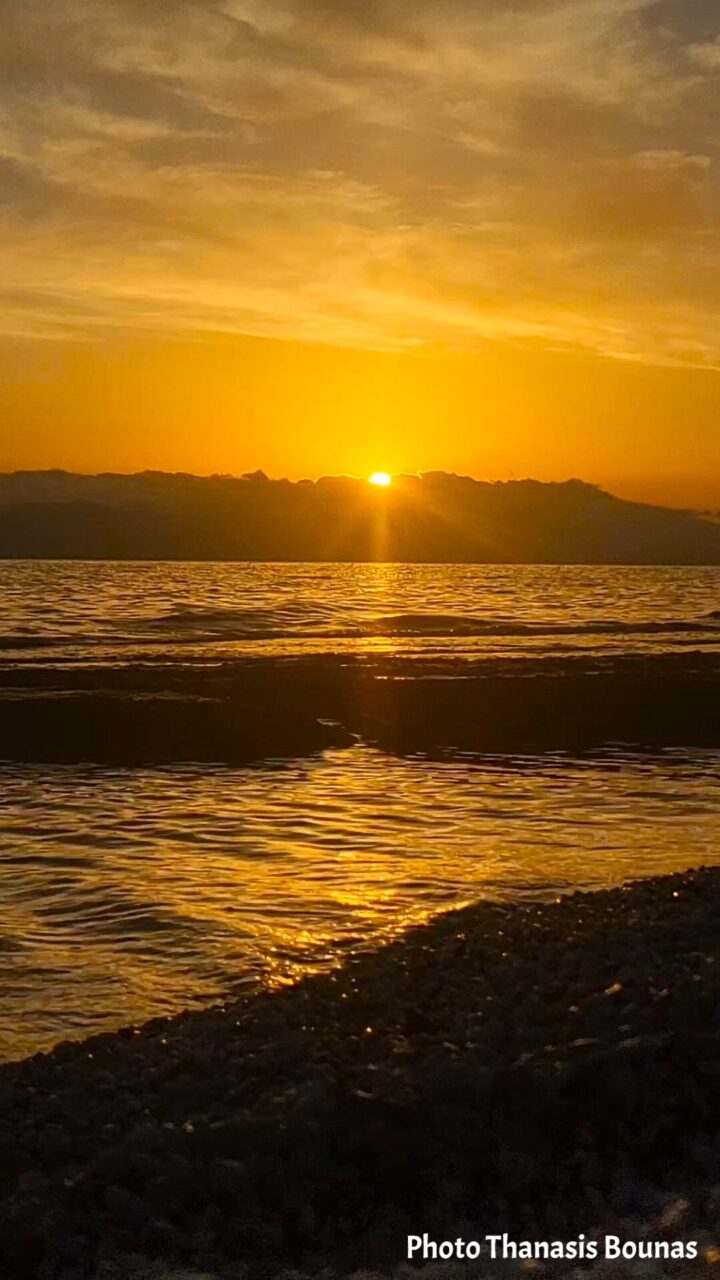
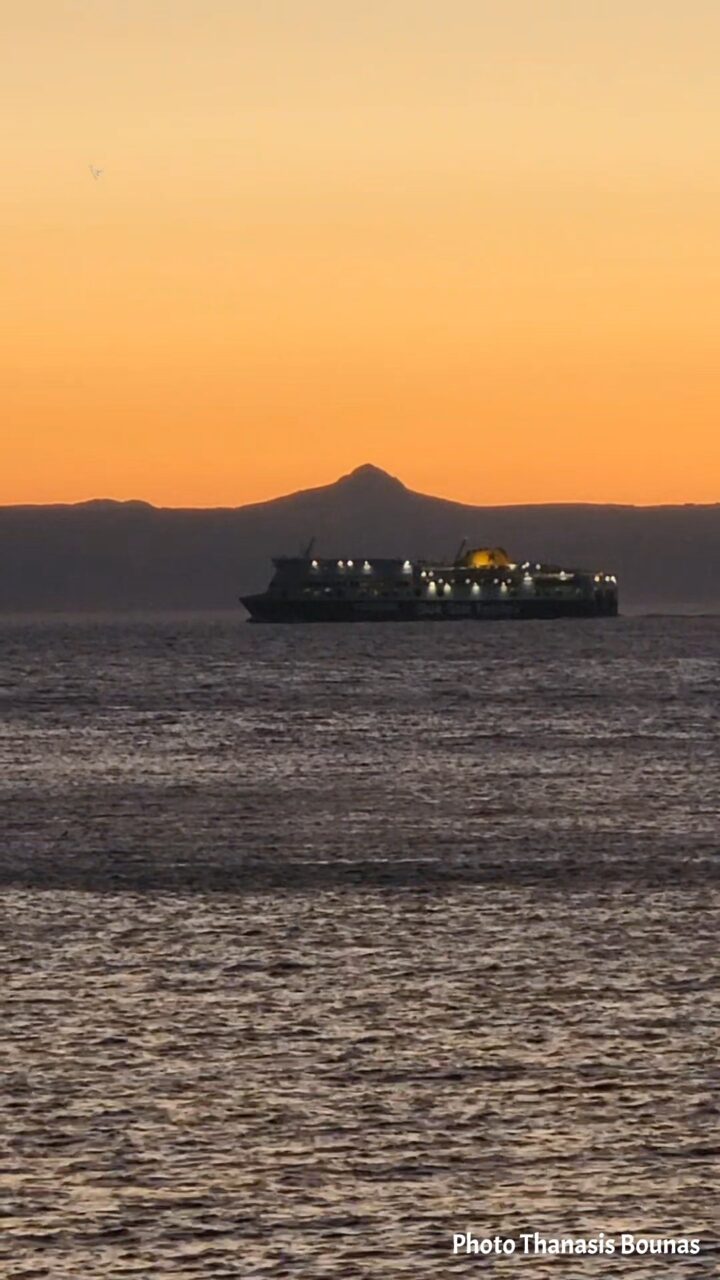
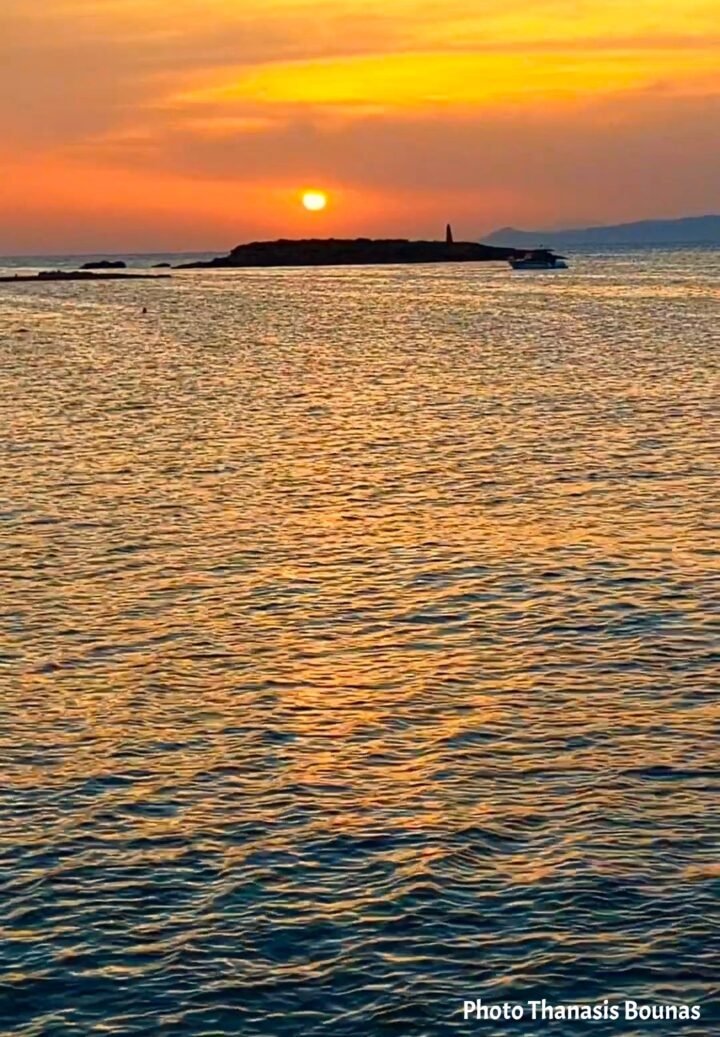
As the sun begins to fall, the mountains of the Peloponnese rise across the horizon, their silhouettes becoming darker while golden light spreads over the water.
From a sailing boat, the view has a remarkable sense of depth — sea in the foreground, mountains beyond it and an enormous Mediterranean sky above.
It is one of those landscapes that reminds you that sailing in Greece is not only about reaching famous islands.
Sometimes the journey between the mainland and the Peloponnese is just as memorable.
Sunset over the Corinthian Gulf. 🇬🇷
Sunset Across the Corinthian Gulf
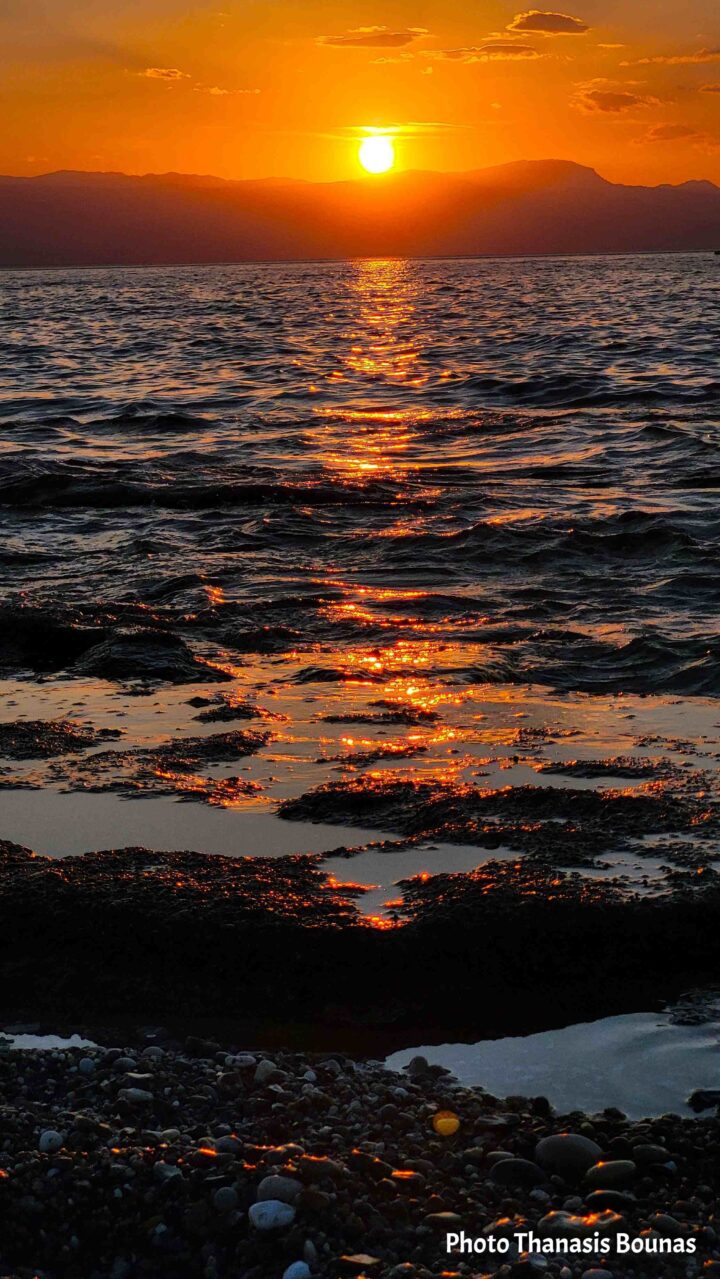
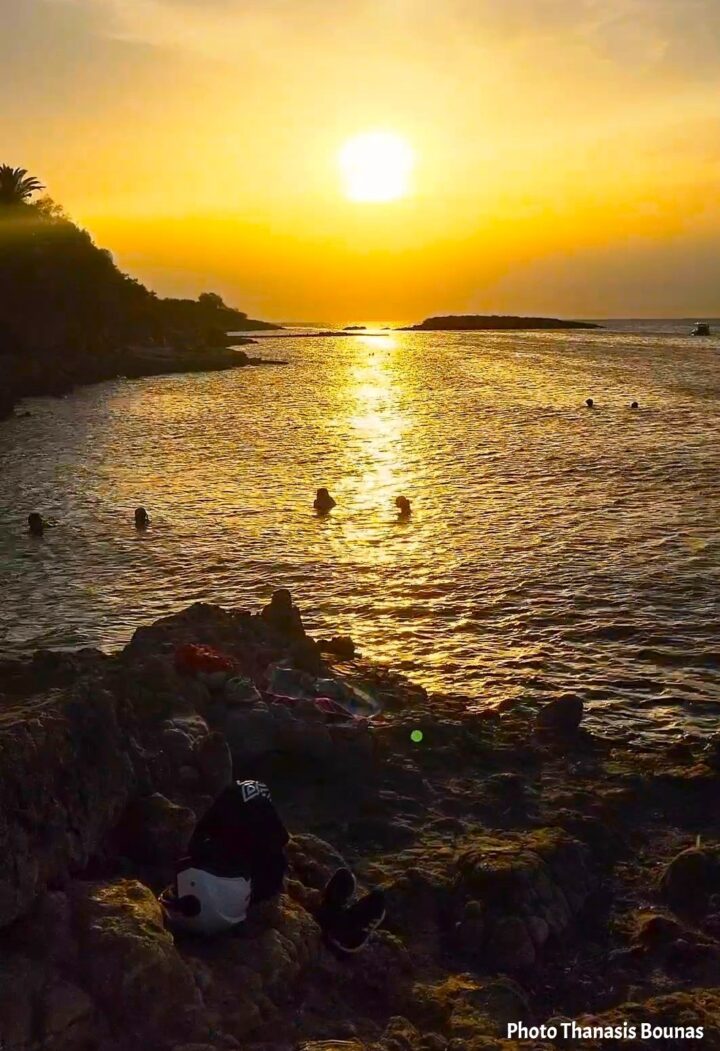
Sunset changes the character of the Corinthian Gulf.
During the day, the mountains dominate the horizon. Toward evening, their details slowly disappear and the landscape becomes a succession of silhouettes.
The sun reflects across the water in a long golden path.
From the deck of a boat, there is no need to search for a viewpoint.
The viewpoint moves with you.
Every few minutes the angle changes, the mountains shift against the horizon and the light creates another version of the same landscape.
This is one of the quiet pleasures of experiencing Greece from the sea.
Sailing Between Mainland Greece and the Peloponnese
The Corinthian Gulf forms a long body of water separating much of Central Greece from the northern Peloponnese.
For sailors, this creates an unusual environment.
Unlike the Cyclades, where passages often lead from one island to another across open Aegean water, sailing here frequently means travelling with mountainous coastlines visible around you.
Small coastal towns, bays and harbors appear along both shores.
The experience can feel intimate despite the scale of the surrounding landscape.
And when conditions are calm in the evening, sailing beneath those mountains can be extraordinarily peaceful.
A Historic Maritime Passage
The geography of the Corinthian Gulf has made it important to maritime travel since antiquity.
At its eastern end lies the narrow Isthmus of Corinth, the strip of land that historically separated the gulf from the Saronic Gulf.
Long before the modern canal existed, the ancient Greeks used the Diolkos, a paved route constructed around the 6th century BC that allowed vessels or their cargoes to be transported across the Isthmus.
More than two thousand years later, the Corinth Canal, completed in 1893, finally created a direct water passage between the Corinthian and Saronic gulfs.
For a sailor today, passing through this region means travelling through waters that have shaped Mediterranean navigation for centuries.
When Sailing Becomes Part of the Landscape
There are spectacular sailing destinations in Greece where the attraction is immediately obvious: a famous island, a whitewashed village or a beautiful harbor.
The Corinthian Gulf offers something subtler.
Here it is the relationship between the sea and the land that stays with you.
The mountains of the Peloponnese seem almost to follow the boat as you move across the water. At sunset, their dark silhouettes provide the backdrop while the sea reflects the final light of the day.
And this is precisely why sailing can reveal places differently.
You are not simply looking at the landscape.
You are moving through it.
🎥 Video & Editing by Thanasis Bounas
🌍 Discover more sailing & travel stories at Bounas.com