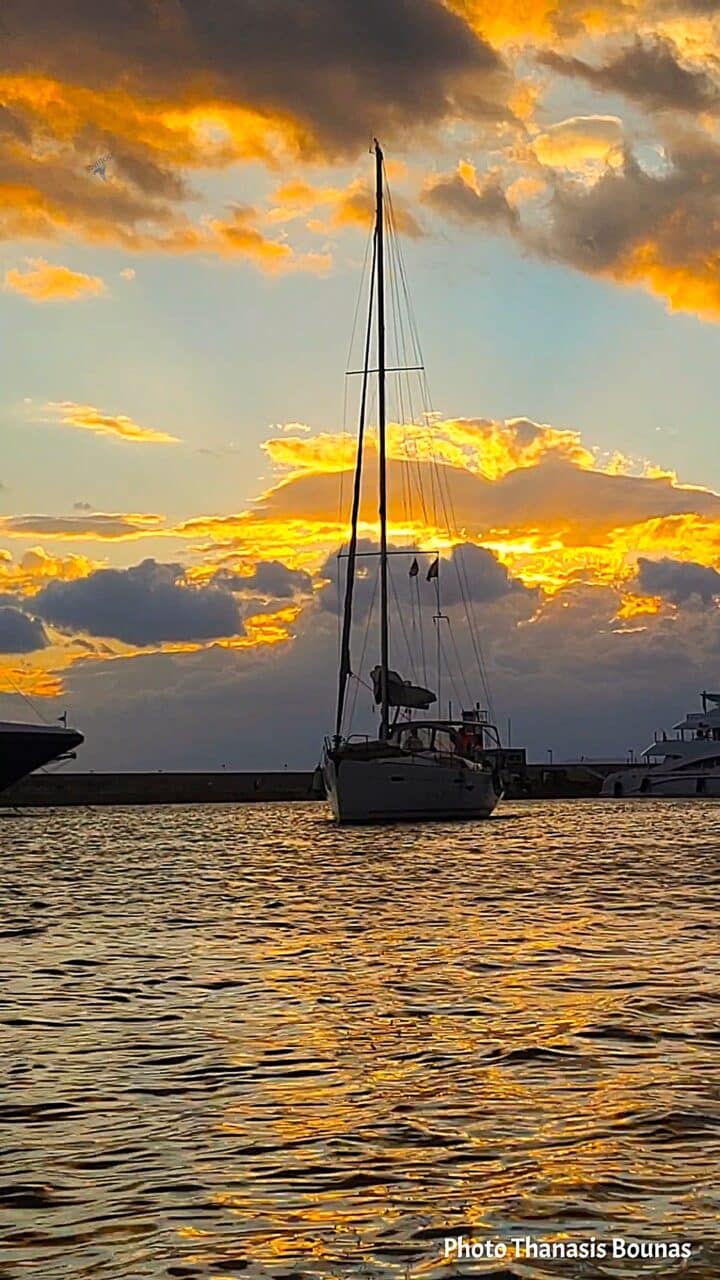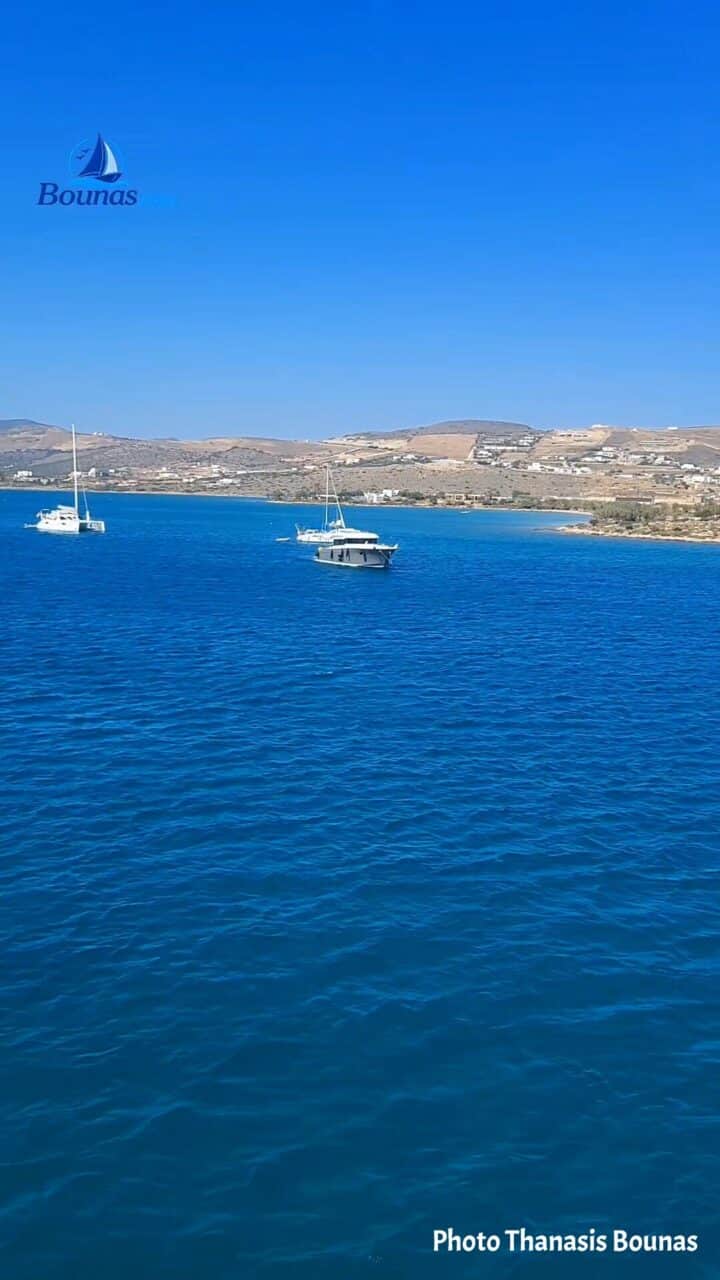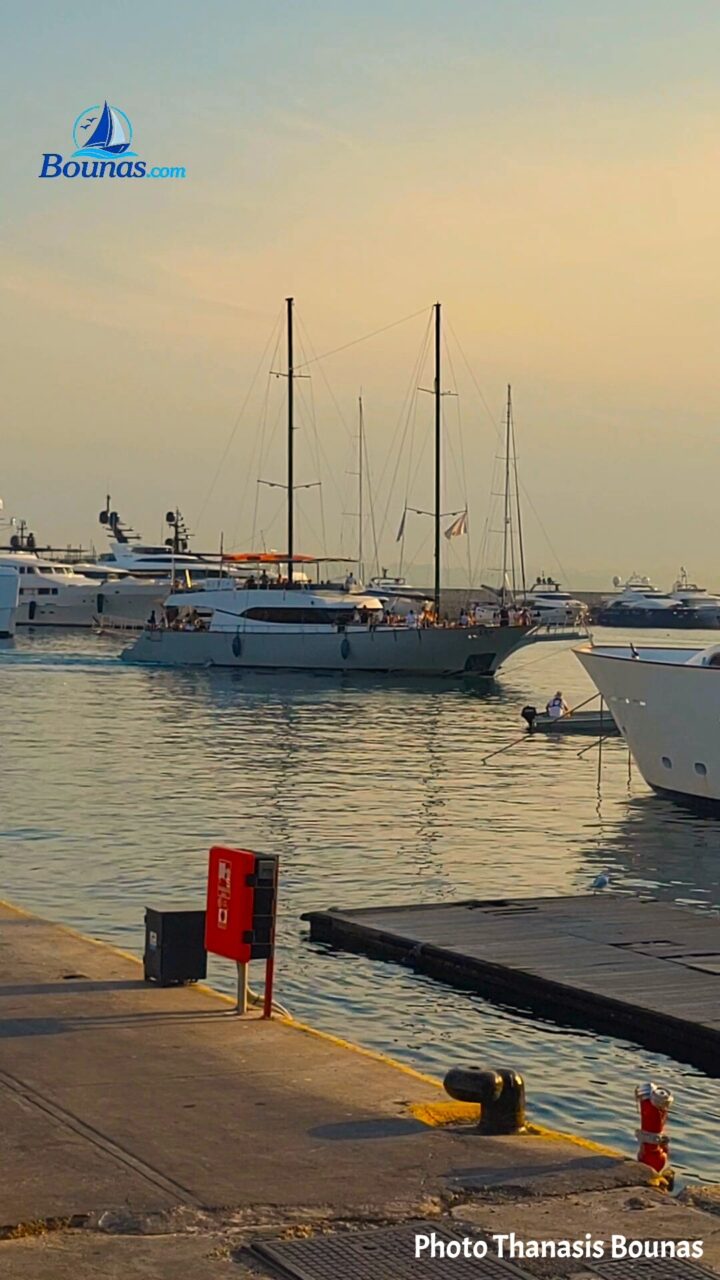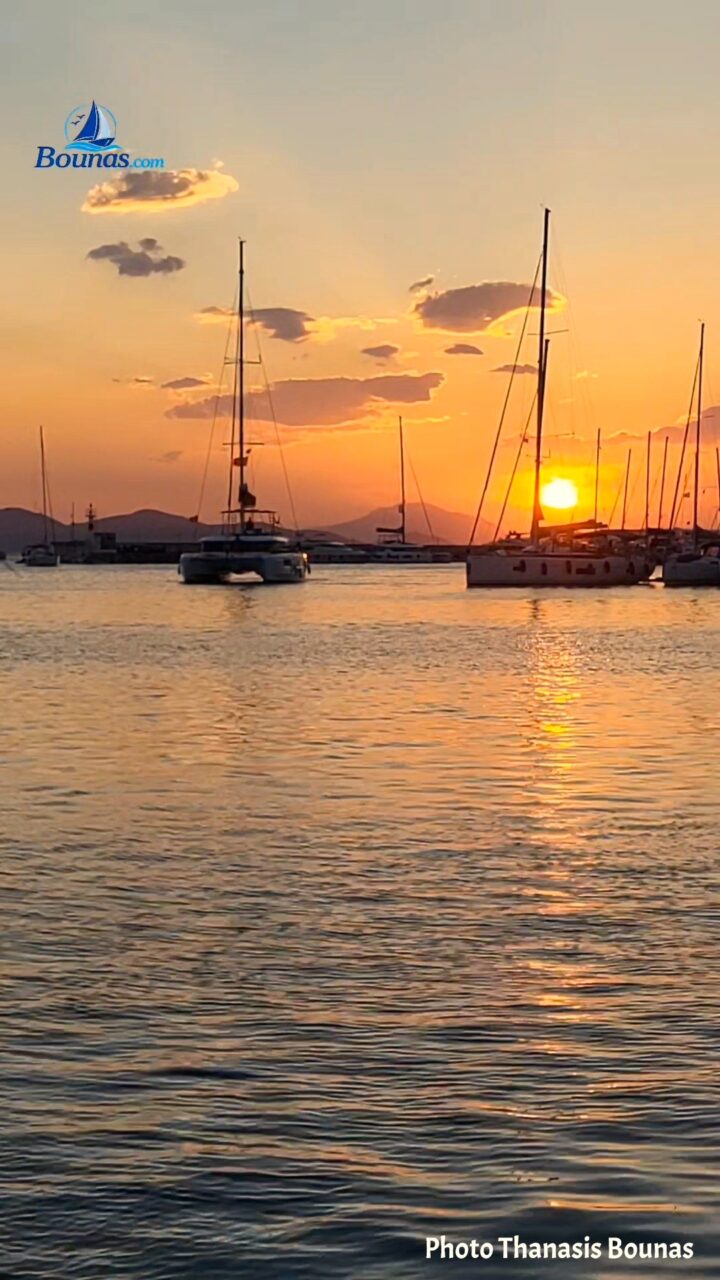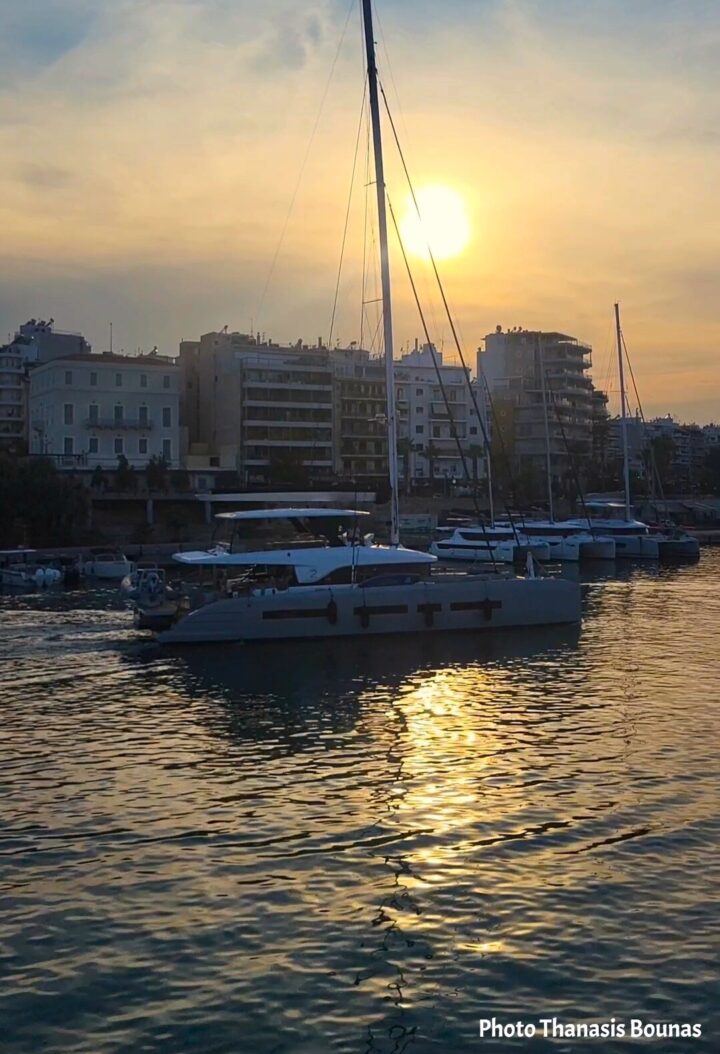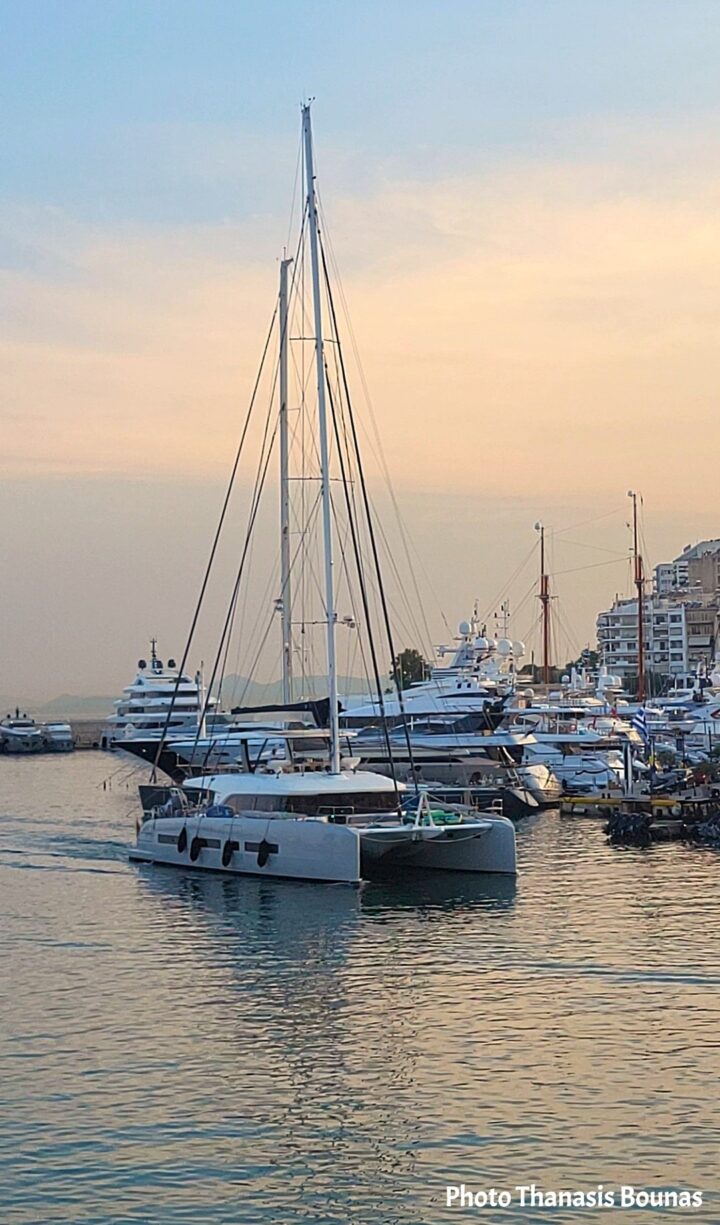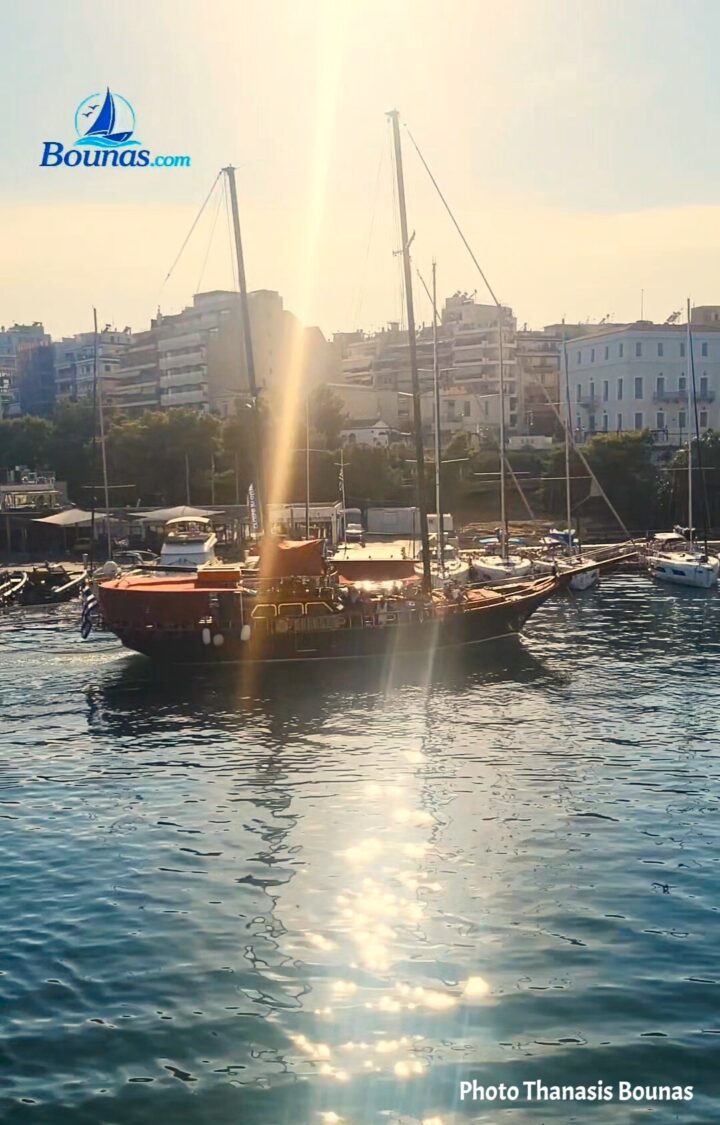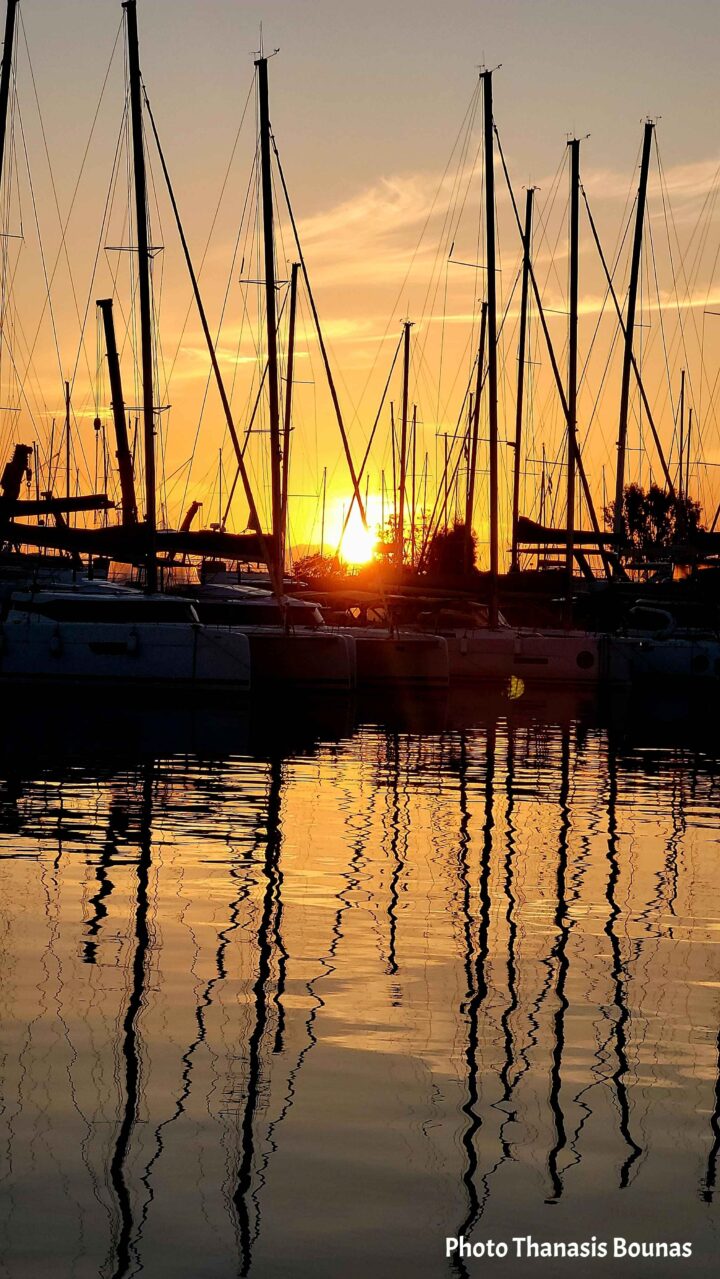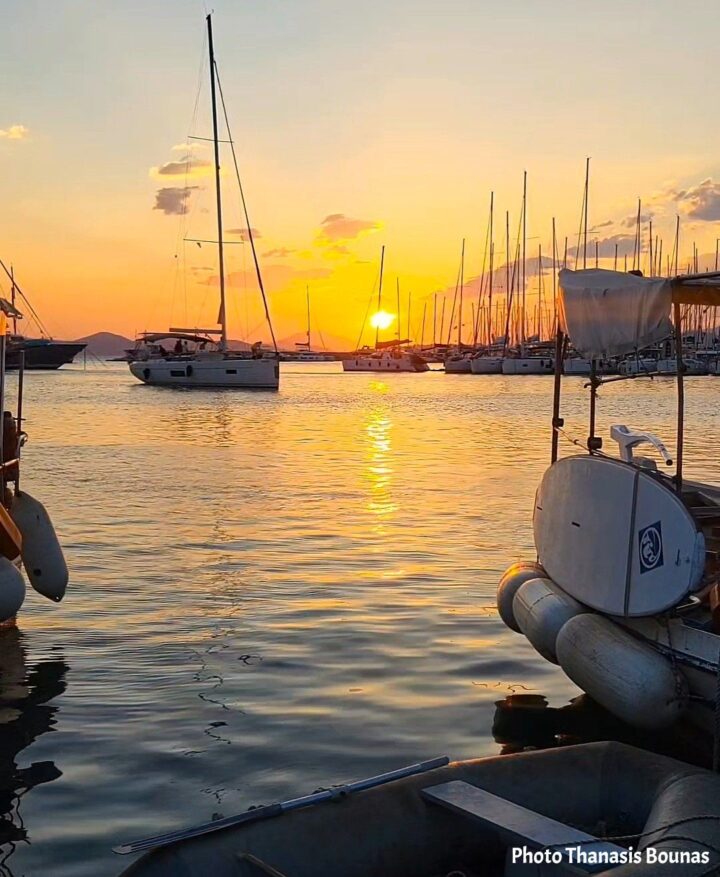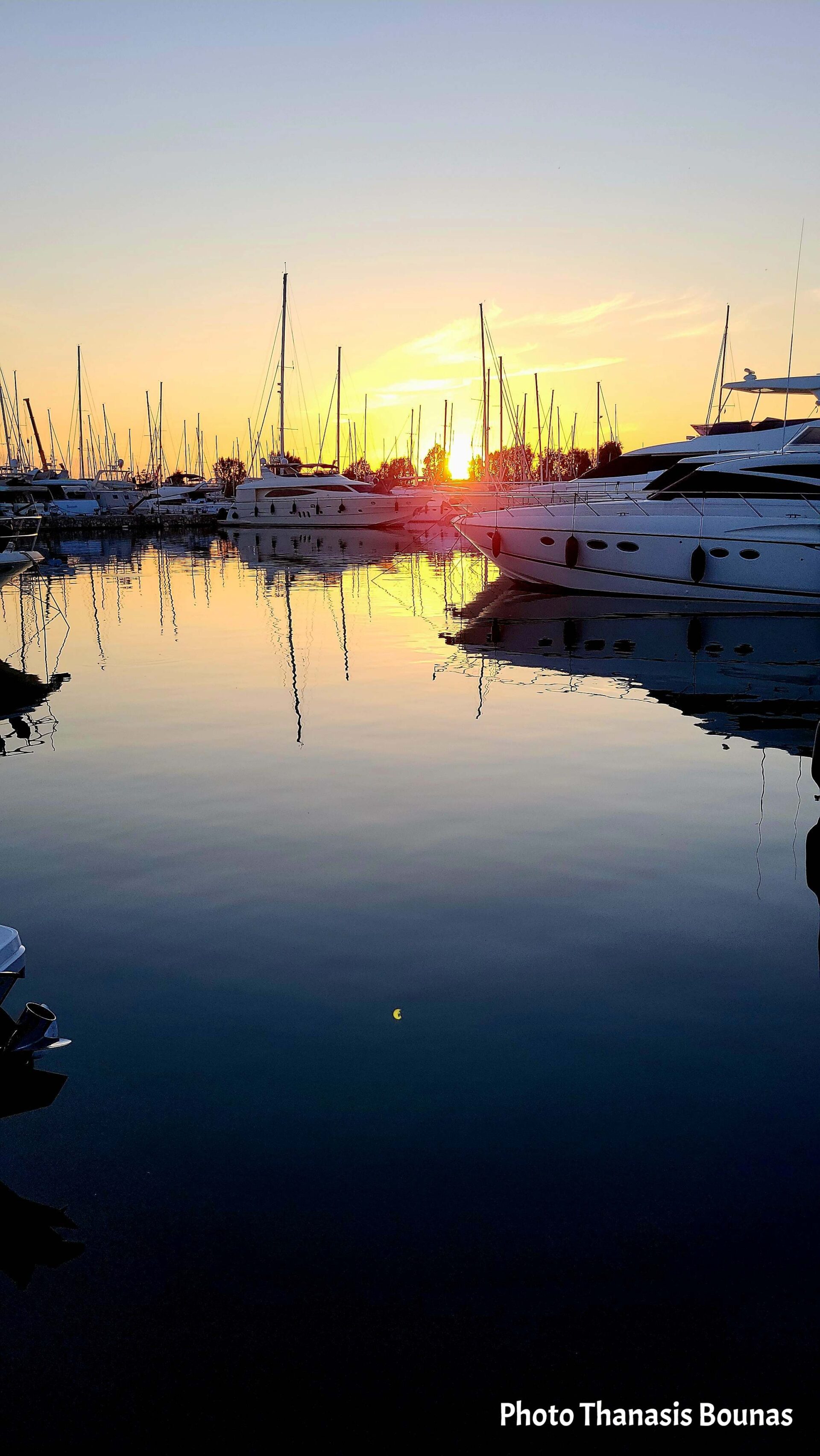
There is something different about approaching a Greek island from the sea. Long before the harbor comes into view, the journey begins with open water, changing light and the distant outline of land on the horizon.
Sailing toward Hydra across the Saronic Gulf is one of those journeys where the passage itself becomes part of the destination. Leaving the urban coastline behind, the sea gradually opens and the landscape begins to change as the boat moves deeper into the Saronic Gulf.
Sailing to Hydra, Greece.
Across the Saronic Gulf Toward Hydra
Hydra lies in the southern part of the Saronic Gulf, close to the eastern coast of the Peloponnese. Its position makes the island a distinctive destination for sailing in Greece, particularly for journeys beginning around Athens and the Athens Riviera.
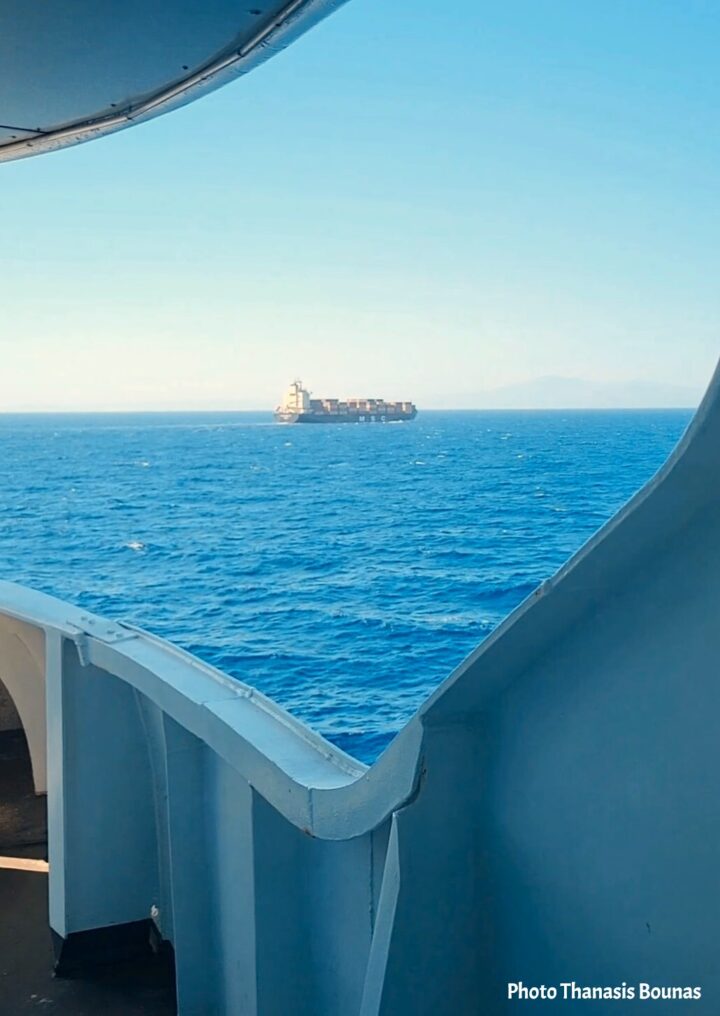
Out at sea, distance changes the way the landscape appears. Islands that seem close on a map emerge slowly from the horizon, while the coastline can disappear behind the boat.
On the route toward Hydra, the open sea ahead creates a sense of anticipation. At first, the destination is simply a distant shape. Gradually, the mountains and rocky coastline of the island become clearer.
An Island Shaped by the Sea
Hydra’s relationship with the sea extends far beyond modern sailing and tourism.
During the late 18th and early 19th centuries, Hydra developed into an important maritime and commercial center. Its merchant fleet travelled extensively through the Mediterranean and the island accumulated considerable maritime experience and wealth.
When the Greek War of Independence began in 1821, Hydra’s ships and experienced seafarers played an important role in the naval struggle alongside other maritime islands such as Spetses and Psara.
That history gives an arrival by sea another dimension. The waters surrounding Hydra were not simply routes used by travelers. For generations, they connected the island with ports, markets and distant parts of the Mediterranean.
Watching Hydra Appear on the Horizon
One of the most memorable moments when sailing to Hydra is not necessarily entering the harbor. It happens earlier.
The island begins to separate itself from the horizon.
From the deck of a sailboat, there are no streets or buildings between the traveler and the landscape. There is only sea, sky and the approaching land.
This perspective also reveals the geography of Greece in a particularly direct way. The Saronic islands are not isolated points on a map. From the water, they become part of a maritime landscape that has connected Athens, the Peloponnese and the Aegean for centuries.
The Journey Becomes Part of Hydra
Modern travel often reduces a destination to the moment of arrival. Sailing changes that.
The hours spent crossing the Saronic Gulf allow Hydra to emerge gradually rather than suddenly. The changing coastline, passing vessels, wind and reflections on the water become part of the memory of the island.
For anyone exploring Greece by sea, this is perhaps one of sailing’s greatest qualities. You do not simply reach a place.
You watch it appear.
And on the approach to Hydra, that slow transition from open sea to island is part of what makes the journey memorable.